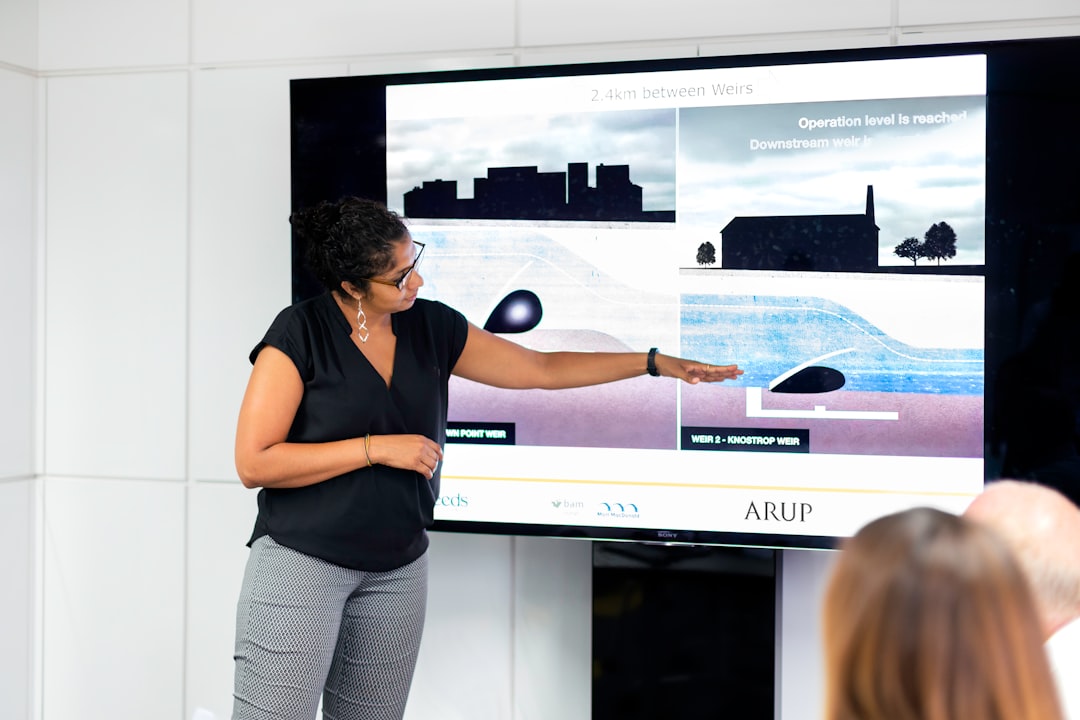
Event sponsorship is entering a more strategic, data-rich era. In 2026, brands will no longer treat sponsorships as logo placements attached to a stage, badge, or livestream screen. Instead, the strongest sponsorship programs will behave like immersive brand experiences, combining audience insight, community building, content creation, and measurable business impact.
TLDR: In 2026, the biggest event sponsorship trends will center on personalization, measurable engagement, sustainability, creator partnerships, and hybrid experiences. Brands will invest less in passive visibility and more in activations that feel useful, entertaining, and memorable. The winning sponsors will be those that connect event moments to long-term customer relationships, not just short-term impressions.
1. Sponsorships Will Become More Experiential and Less Transactional
The traditional sponsorship model was simple: pay for visibility, receive brand exposure. But audiences in 2026 expect more than banners and branded lanyards. They want experiences that add value to the event itself. This means sponsors will increasingly create interactive lounges, product trials, gamified challenges, wellness zones, personalized consultations, and hands-on demonstrations.
For brands, the opportunity is clear: a memorable experience can build emotional connection much faster than a static advertisement. Instead of asking, “Where can our logo appear?” smart sponsors will ask, “What can we help attendees do, feel, learn, or share?”
2. First-Party Data Will Drive Sponsorship Decisions
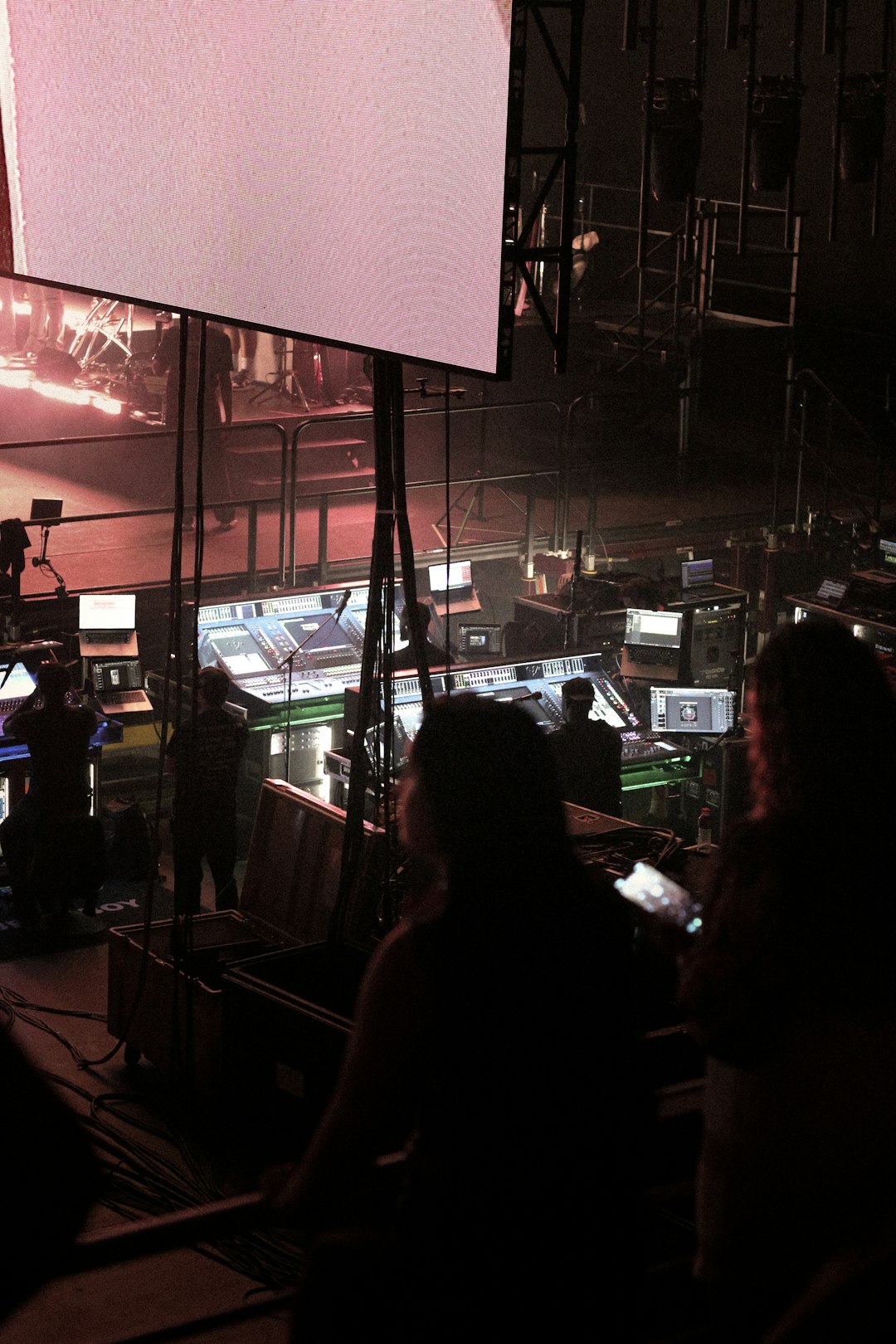
With privacy expectations rising and third-party data becoming less reliable, brands will look to events as valuable sources of first-party audience insight. Registration data, app engagement, session attendance, booth interactions, QR scans, live polls, and post-event surveys will help sponsors understand who engaged, what they cared about, and where they are in the customer journey.
However, the key will be transparency. Attendees are more willing to share information when they receive something useful in return, such as personalized recommendations, exclusive content, networking matches, or access to limited experiences. In 2026, sponsorship success will depend on the ability to collect data ethically and turn it into meaningful follow-up.
- Better targeting: Brands can identify high-intent prospects based on actual event behavior.
- More relevant follow-up: Sales and marketing teams can tailor messaging to attendee interests.
- Stronger ROI reporting: Sponsors can connect engagement to pipeline, retention, or loyalty metrics.
3. Sustainability Will Be a Sponsorship Standard
Sustainability is moving from a “nice to have” to a core expectation. In 2026, brands that sponsor events will be judged not only by what they promote, but also by how responsibly they show up. Waste-heavy giveaways, excessive printed materials, and energy-intensive activations may feel outdated to audiences that care about climate impact.
Expect more sponsors to support reusable event infrastructure, digital swag, carbon-conscious travel options, plant-based catering, repair stations, refillable water programs, and circular design principles. Some brands may even sponsor the sustainability layer of the event itself, such as waste reduction systems, green transportation, or transparent impact reporting.
The most credible approach will be specific, measurable, and authentic. Audiences are quick to notice vague green claims. Brands should be ready to explain what they are doing, why it matters, and what results were achieved.
4. AI-Powered Personalization Will Shape Attendee Experiences
Artificial intelligence will play a larger role in event sponsorship, especially in personalization. Sponsors will use AI to recommend sessions, match attendees with relevant experts, generate custom product demos, answer questions through intelligent assistants, and deliver tailored content based on attendee behavior.
For example, a technology sponsor might offer an AI-powered “event concierge” that helps attendees plan their day. A financial services sponsor could provide personalized business growth assessments. A beauty or fashion sponsor might use AI to suggest products based on style preferences or skin concerns.
The best AI activations will not feel gimmicky. They will feel useful, fast, and surprisingly relevant. Brands should remember that personalization is only impressive when it respects privacy and improves the attendee experience.
5. Hybrid Sponsorships Will Mature Beyond Basic Livestream Logos
Hybrid events are no longer just emergency alternatives to in-person gatherings. By 2026, many conferences, festivals, launches, and industry summits will be designed for both physical and digital participation from the start. This creates new sponsorship possibilities that combine scale with depth.
Digital audiences can be offered interactive polls, exclusive virtual rooms, shoppable content, digital networking, behind-the-scenes streams, and on-demand sponsor-led education. Meanwhile, in-person attendees can experience tactile, sensory activations that are difficult to replicate online.

For sponsors, the challenge is to avoid treating the virtual audience as secondary. A strong hybrid sponsorship strategy gives both groups a distinct and valuable experience. It also extends the life of the event, because recorded sessions, content clips, interviews, and community discussions can continue generating engagement long after the venue closes.
6. Creator and Community Partnerships Will Expand
In 2026, brands will increasingly sponsor not only events, but also the communities and creators surrounding those events. Industry influencers, niche experts, podcasters, streamers, educators, and community leaders can help make sponsorships feel more human and trusted.
Instead of relying only on official event channels, brands may collaborate with creators to host mini-sessions, guided tours, live interviews, product challenges, or post-event recaps. This approach works especially well when the creator has genuine authority with the target audience.
The key is alignment. A creator partnership should feel natural within the event context. Forced endorsements can weaken trust, while authentic collaboration can make a sponsorship more engaging, shareable, and credible.
7. Measurement Will Focus on Quality, Not Just Quantity
For years, event sponsorship reports often emphasized reach: impressions, foot traffic, badge scans, and social mentions. These metrics still matter, but in 2026 brands will demand deeper evidence of impact. They will want to know whether sponsorship activity influenced perception, generated qualified leads, accelerated deals, increased loyalty, or strengthened community engagement.
That means sponsors and event organizers will need to define success earlier in the planning process. A brand focused on awareness will need different metrics than one focused on recruitment, enterprise sales, customer education, or product adoption.
- Engagement quality: How long did attendees interact, and what actions did they take?
- Audience fit: Did the sponsorship reach the right people, not just many people?
- Business outcomes: Did the activation contribute to leads, sales, renewals, or advocacy?
- Brand lift: Did attendees leave with a stronger or clearer impression of the brand?
8. Smaller, High-Value Events Will Attract Bigger Attention
Large events will remain important, but many brands are discovering the power of smaller, curated gatherings. Executive roundtables, private dinners, VIP workshops, local community events, and invite-only product previews can deliver deeper conversations and stronger relationship building.
In 2026, expect brands to balance major sponsorships with more intimate formats. These events may have fewer attendees, but they often provide higher relevance and more direct influence. For B2B brands especially, a room of 40 ideal decision-makers can be more valuable than a hall of 4,000 casual visitors.
9. Content Capture Will Be Built Into Sponsorship Plans
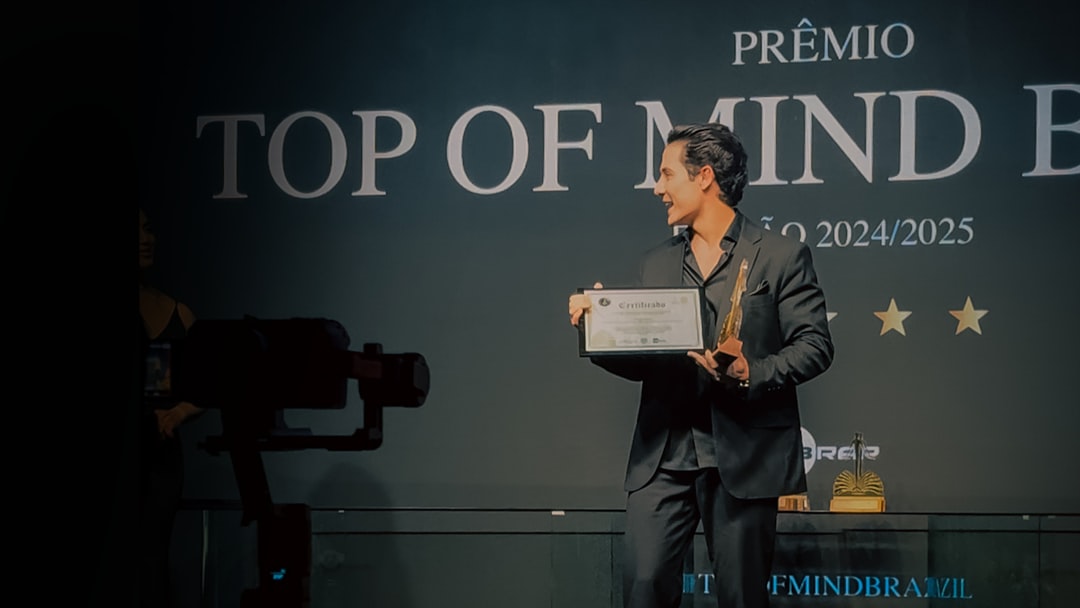
Events are becoming content engines. Sponsors will increasingly design activations with the intention of generating videos, interviews, testimonials, social clips, blog posts, newsletters, and sales enablement materials. A single event can fuel weeks or months of content if planned correctly.
This trend changes how brands think about sponsorship value. The event is not just the moment when engagement happens; it is also a production environment for stories, insights, and proof points. Sponsors should plan camera-friendly spaces, clear messaging, speaker opportunities, and attendee participation moments that can be repurposed later.
10. Purpose-Driven Sponsorships Will Need Proof
Consumers and business audiences alike are paying closer attention to brand values. In 2026, purpose-driven sponsorships will continue to grow, especially around education, inclusion, health, sustainability, entrepreneurship, and local community support. But sincerity will matter more than slogans.
A brand that sponsors a women-in-leadership summit, for example, should be prepared to show how it supports women inside its own organization or industry. A brand sponsoring accessibility at an event should ensure its own activation is accessible. Purpose must be visible in the details.
Final Thoughts
The future of event sponsorship in 2026 is more creative, accountable, and audience-centered. Brands that rely on old visibility-first tactics may still be seen, but they are less likely to be remembered. The most successful sponsors will design experiences that are useful, measurable, shareable, and aligned with attendee values.
Ultimately, the best sponsorships will feel less like advertising and more like a meaningful part of the event. When a brand helps people connect, learn, solve problems, or enjoy the moment more fully, sponsorship becomes far more than exposure. It becomes a relationship-building platform.