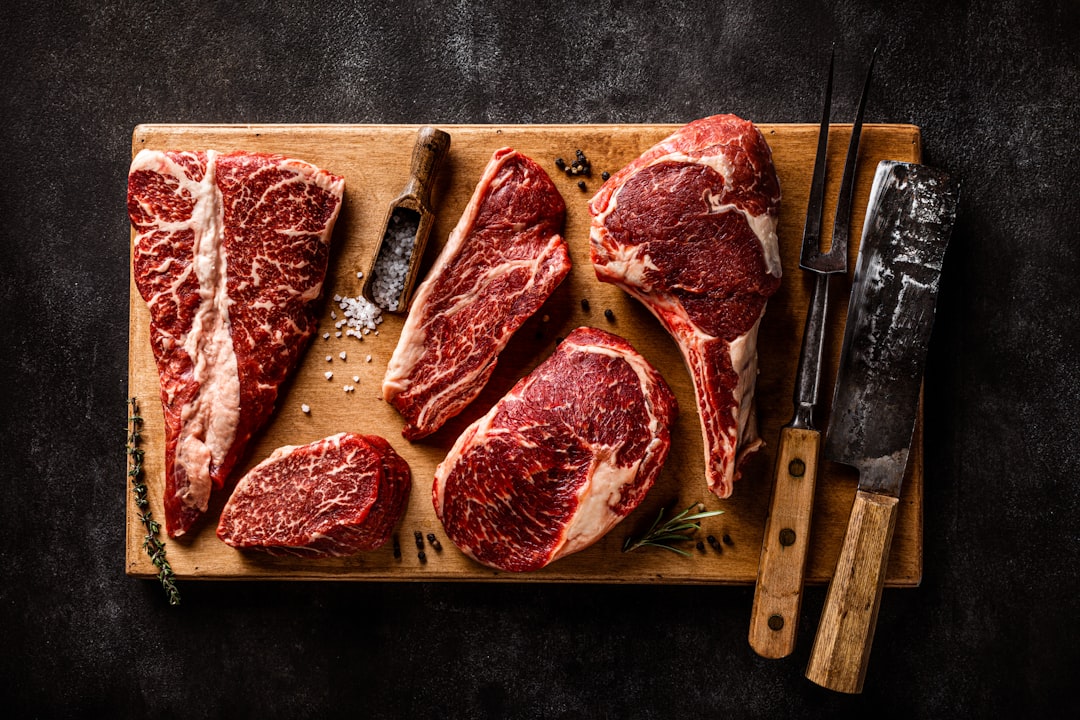
A beef cuts chart is a practical guide that helps shoppers, home cooks, butchers, and meal planners understand where each cut of beef comes from and how it is best prepared. A printable PDF version makes the information easy to keep in a kitchen binder, post near a prep station, or carry when shopping for meat.
TLDR: A beef cuts chart shows the major sections of the cow and the steaks, roasts, ribs, and ground beef products that come from each area. A printable PDF is useful because it can be referenced while shopping, planning meals, or choosing the right cooking method. Tender cuts usually come from the loin and rib, while tougher but flavorful cuts often come from the chuck, round, brisket, and shank.
What Is a Beef Cuts Chart?
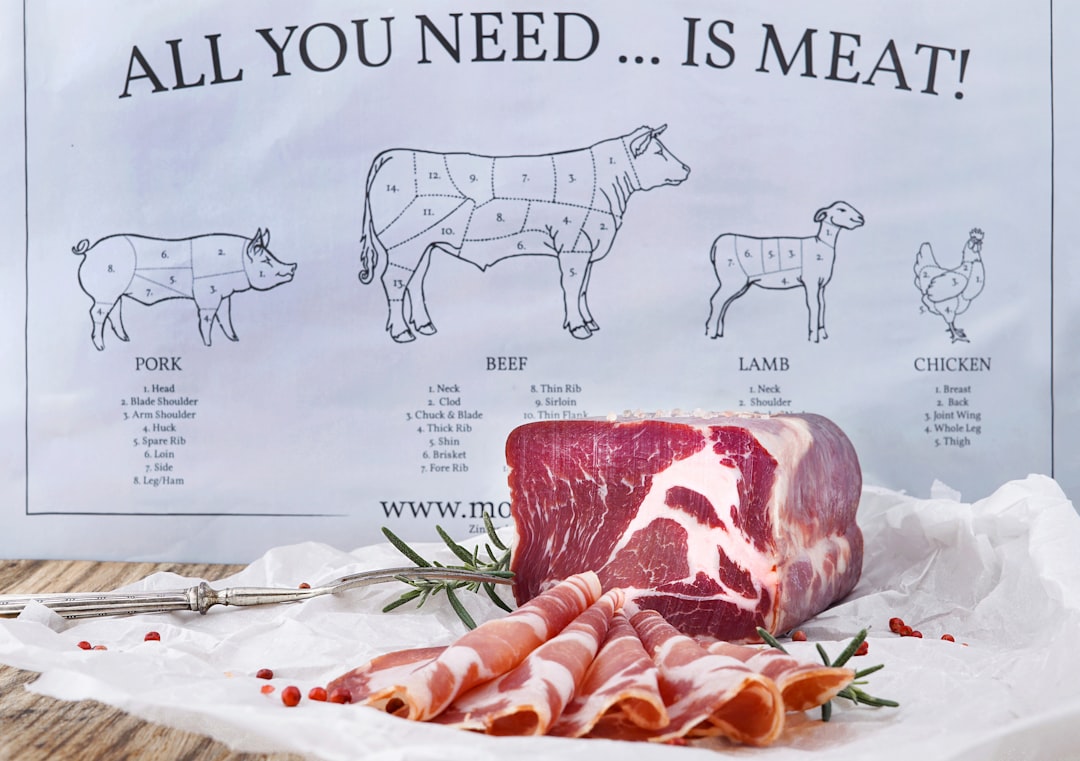
A beef cuts chart is a visual map of the animal divided into primal cuts, which are the large sections first separated during butchering. These primals are then broken down into subprimal cuts and finally into familiar retail cuts such as ribeye steak, chuck roast, brisket, sirloin steak, short ribs, and flank steak.
For many consumers, beef labels can feel confusing. A chart turns names and locations into an easy visual reference. It explains why some cuts are naturally tender, why others need slow cooking, and why prices vary so widely from one package to another.
Why a Printable PDF Is Useful
A printable beef cuts chart PDF provides quick access without needing to search online every time a recipe calls for a specific cut. It can be printed in color, laminated, or saved on a phone for grocery shopping. Restaurants, culinary students, barbecue enthusiasts, and home cooks often keep one nearby because it simplifies decision-making.
The best printable charts usually include:
- Primal cut names, such as chuck, rib, loin, round, brisket, plate, flank, and shank.
- Common retail cuts, including steaks, roasts, ribs, and stew meat.
- Recommended cooking methods, such as grilling, roasting, braising, smoking, or slow cooking.
- Tenderness and flavor notes to help with substitutions.
Main Beef Primal Cuts
Most beef charts organize the cow into eight major primal sections. Each section has its own texture, fat content, and ideal cooking style.
Chuck
The chuck comes from the shoulder area. Since this part of the animal works hard, it contains more connective tissue, but it also has deep beefy flavor. Common cuts include chuck roast, shoulder steak, flat iron steak, and stew meat. Chuck is excellent for braising, slow cooking, pot roast, and ground beef.
Rib
The rib section is known for tenderness and marbling. It produces popular cuts such as ribeye steak, prime rib, rib roast, and back ribs. Because these cuts are naturally tender, they are often grilled, roasted, or pan-seared. Rib cuts are usually among the more expensive options.
Loin
The loin is another premium area. It includes tenderloin, strip steak, T-bone, porterhouse, and top sirloin. These cuts are prized for tenderness and are well suited for quick, dry-heat cooking methods. A printable chart often highlights the loin because it contains many steakhouse favorites.
Round
The round comes from the rear leg. It is lean and economical but less tender than the rib or loin. Common cuts include top round, bottom round, eye of round, and rump roast. These cuts work well for roast beef, thin slicing, marinating, or slow roasting at low temperatures.
Brisket
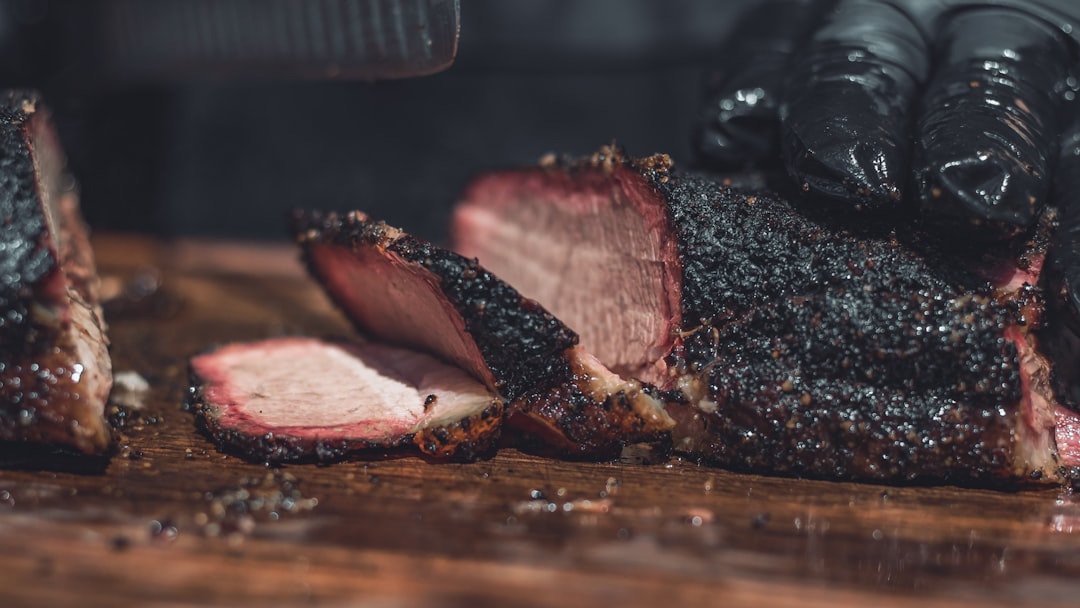
The brisket comes from the lower chest. It is firm and rich in connective tissue, which makes it ideal for long, slow cooking. Brisket is famous in barbecue, corned beef, and braised dishes. When cooked properly, it becomes tender, juicy, and full of flavor.
Plate
The plate is located below the rib and contains flavorful, fatty cuts. Short ribs and skirt steak are among the most common. Skirt steak is popular for fajitas because it takes marinades well and cooks quickly over high heat. Short ribs are excellent for braising or slow smoking.
Flank
The flank is a lean section from the abdominal area. Flank steak has long muscle fibers and strong flavor. It benefits from marinating and should be sliced thinly across the grain. It is often used in stir-fries, tacos, salads, and grilled steak dishes.
Shank
The shank comes from the leg and is one of the toughest sections. However, it contains collagen that turns into gelatin during slow cooking. Beef shank is excellent for soups, stews, osso buco-style dishes, and rich broths.
How to Read a Beef Cuts Chart
A good chart should be read from the large sections first. Once the primal cut is identified, the user can look at the smaller cuts within that area. Tenderness generally depends on how much work the muscle performs. Muscles along the back, such as rib and loin, are usually tender. Muscles from the shoulder, chest, and legs tend to be tougher but more flavorful.
Cooking method is just as important as the cut itself. A tenderloin steak can become dry if overcooked, while brisket can remain tough if not cooked long enough. The chart should therefore be used as both a shopping guide and a cooking guide.
Best Cooking Methods by Cut
- Grilling: ribeye, strip steak, T-bone, porterhouse, sirloin, skirt steak, flank steak.
- Roasting: prime rib, tenderloin roast, top round, sirloin roast.
- Braising: chuck roast, short ribs, brisket, shank, bottom round.
- Smoking: brisket, beef ribs, chuck roast, short ribs.
- Slow cooking: chuck, shank, brisket, stew meat, round roast.
- Quick searing: tenderloin, ribeye, strip steak, flat iron steak.
Tips for Choosing Beef Cuts
When selecting beef, shoppers often consider tenderness, flavor, price, and cooking time. Premium cuts from the rib and loin are ideal for quick meals and special occasions. More affordable cuts from the chuck, round, and shank can deliver excellent results when cooked slowly.
Marbling is another important factor. Fine streaks of fat within the meat usually improve juiciness and flavor. Lean cuts may be preferred for certain diets, but they require careful cooking to avoid dryness. A printable PDF chart can help compare these qualities at a glance.
What to Include in a Printable Beef Cuts PDF
An effective printable beef cuts chart should be clear, accurate, and easy to read. It should avoid overcrowding while still offering enough detail for practical use. Many charts are most helpful when they include both a cow diagram and a table of cooking recommendations.
Useful PDF sections may include:
- Full beef diagram showing primal locations.
- List of common retail names used in grocery stores and butcher shops.
- Cooking method guide for each cut.
- Texture notes, such as tender, lean, tough, or heavily marbled.
- Substitution tips for recipes when a specific cut is unavailable.
Conclusion
A beef cuts chart printable PDF is more than a butcher diagram. It is a helpful kitchen reference that connects each cut with its best cooking method, flavor profile, and level of tenderness. By understanding the difference between chuck, rib, loin, round, brisket, plate, flank, and shank, cooks can make better purchases, reduce waste, and prepare beef with greater confidence.
FAQ
What is the most tender cut of beef?
The tenderloin is generally considered the most tender cut of beef. It comes from the loin and is often used for filet mignon.
What is the best beef cut for slow cooking?
Chuck roast, brisket, short ribs, and shank are excellent for slow cooking because they contain connective tissue that becomes tender over time.
Which beef cuts are best for grilling?
Ribeye, strip steak, T-bone, porterhouse, sirloin, flank steak, and skirt steak are commonly used for grilling.
What is the cheapest flavorful beef cut?
Chuck is often one of the best values. It is affordable, flavorful, and versatile, especially for roasts, stews, and ground beef.
Why should a beef cuts chart be printed?
A printed chart is easy to reference while shopping, meal planning, or cooking. It helps identify cuts quickly and match them with proper preparation methods.