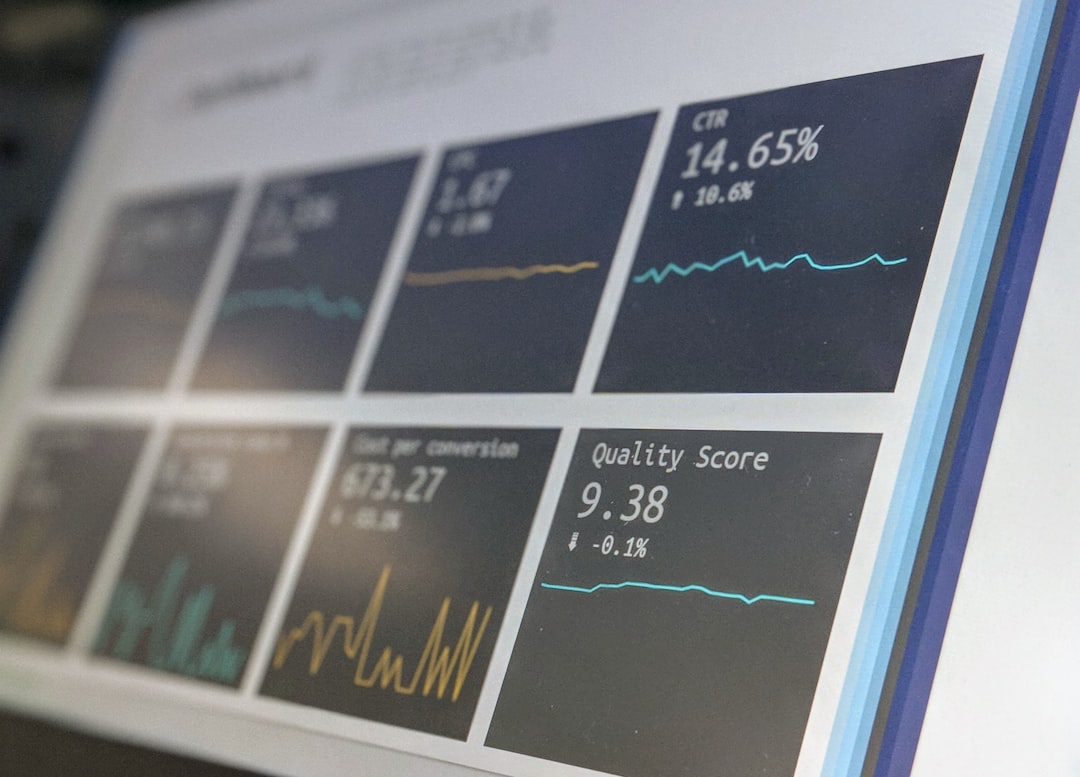
In today’s data-driven economy, organizations are collecting more information than ever before—but without structure and oversight, data quickly becomes a liability rather than an asset. Modern enterprises rely on data governance applications like Alation to catalog, classify, and make sense of their growing data ecosystems. These platforms provide transparency, accountability, and discoverability across distributed environments, empowering teams to trust and use data with confidence.
TLDR: Data governance apps such as Alation help organizations catalog, manage, and discover data assets across complex environments. They improve compliance, collaboration, and data quality by providing metadata management, lineage tracking, and clear ownership structures. Leading alternatives include Collibra, Informatica, Atlan, Microsoft Purview, and Data.world. Choosing the right platform depends on integration needs, regulatory requirements, and organizational complexity.
The Rising Need for Data Governance and Cataloging
As businesses adopt cloud platforms, data lakes, SaaS applications, and AI systems, information becomes scattered across departments and technologies. Without a centralized catalog, teams struggle to answer fundamental questions:
- Where does this data come from?
- Is this dataset trustworthy?
- Who owns and maintains it?
- Does it comply with regulatory requirements?
Data governance applications address these challenges by creating a structured framework for managing data assets. They connect technical metadata with business context, enabling users not only to find data but also to understand its meaning, quality, and lineage.
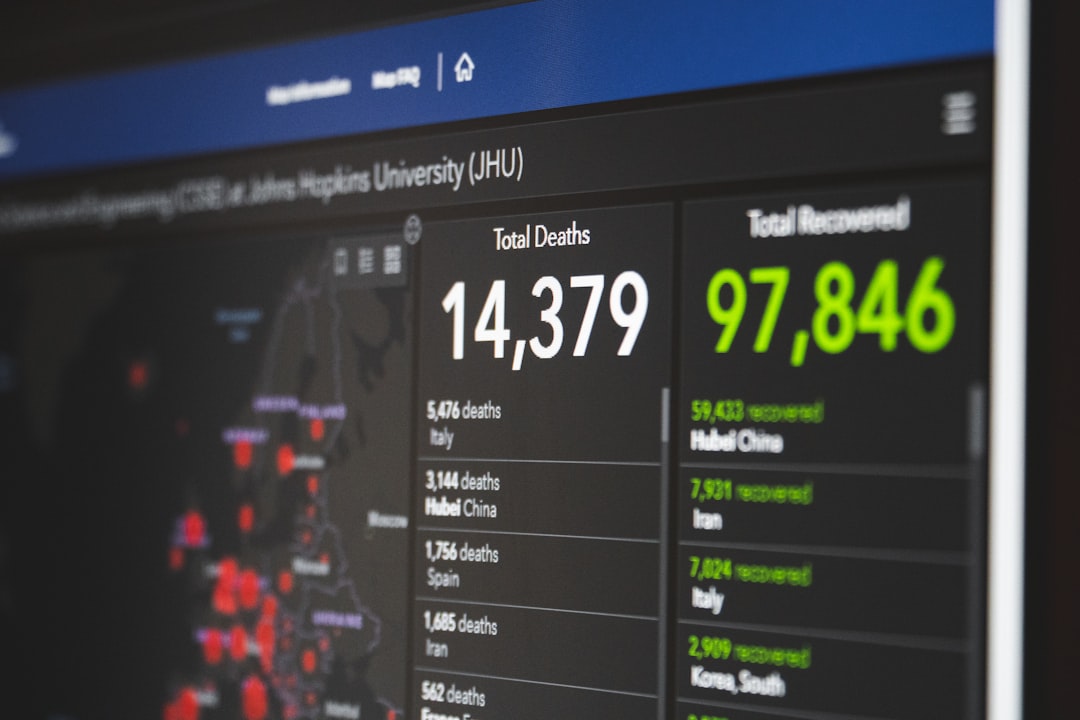
These tools are particularly vital in industries with strict compliance requirements such as finance, healthcare, insurance, and government. However, even fast-growing startups increasingly adopt governance solutions to scale responsibly and prepare for advanced analytics and AI initiatives.
What Is a Data Governance App Like Alation?
Alation is widely known as a leader in data catalog and governance technology. Platforms in this category typically offer:
- Data Cataloging: Centralized inventory of structured and unstructured datasets.
- Metadata Management: Automated harvesting of technical, operational, and business metadata.
- Data Lineage Tracking: Visualization of how data flows from source to report.
- Data Stewardship Tools: Clear assignment of data owners and custodians.
- Collaboration Features: Business glossaries, comments, certifications, and usage tracking.
- Compliance Support: Policy enforcement for GDPR, HIPAA, CCPA, and other regulations.
These capabilities transform fragmented data repositories into a coherent, searchable, and governed ecosystem. Instead of relying on guesswork or informal knowledge, organizations gain institutional clarity.
Key Benefits of Implementing a Data Catalog Platform
1. Improved Data Discoverability
Without a catalog, analysts waste valuable time searching for relevant datasets. Governance platforms reduce this friction by offering powerful search capabilities, semantic tagging, and AI-driven recommendations.
2. Greater Trust in Data
Certified datasets and documented lineage help users determine whether information is reliable. This reduces duplication, conflicting reports, and inconsistent metrics.
3. Stronger Regulatory Compliance
With built-in audit trails and classification features, governance tools make it easier to identify sensitive data and enforce retention or masking policies.
4. Enhanced Collaboration Across Teams
Data governance platforms bridge technical and business teams. Shared glossaries and annotations ensure consistent interpretation across departments.
5. Support for AI and Advanced Analytics
AI models are only as reliable as the data that feeds them. A governed data environment ensures quality inputs, transparency, and explainability.

Leading Data Governance Apps Similar to Alation
While Alation is a strong market player, several other platforms offer comparable capabilities. Each brings unique strengths depending on organizational size, infrastructure, and governance maturity.
1. Collibra
Collibra focuses heavily on enterprise-grade governance workflows. It provides robust policy management, data lineage visualization, and compliance automation. Large enterprises often prefer Collibra for its structured governance frameworks.
2. Informatica Axon & Enterprise Data Catalog
Informatica combines governance with powerful data integration tools. Organizations already using Informatica ETL and data management solutions benefit from tight ecosystem integration.
3. Microsoft Purview
Purview is particularly attractive for organizations embedded in the Azure ecosystem. It offers unified data governance across on-premises, multi-cloud, and SaaS environments.
4. Atlan
Atlan positions itself as a modern, collaborative data workspace. It emphasizes user experience and real-time collaboration, making it popular among agile data teams.
5. Data.world
Known for its knowledge-graph capabilities, Data.world links data assets with business context, enabling deep relational insights across systems.
Comparison Chart of Popular Data Governance Tools
| Platform | Strengths | Best For | Cloud Integration | AI Capabilities |
|---|---|---|---|---|
| Alation | Strong data catalog, behavioral analytics, collaboration features | Mid to large enterprises | Multi-cloud | AI-driven data recommendations |
| Collibra | Comprehensive governance workflows, policy management | Highly regulated industries | Multi-cloud | Advanced lineage automation |
| Informatica | Integrated data quality and ETL ecosystem | Data-heavy enterprises | Hybrid and multi-cloud | CLAIRE AI engine |
| Microsoft Purview | Native Azure integration, unified governance | Microsoft-centric organizations | Azure focused | Automated scanning and classification |
| Atlan | Modern UI, collaborative workflows | Agile data teams, startups | Cloud first | Metadata automation |
| Data.world | Knowledge graph architecture, strong metadata connectivity | Analytics-driven organizations | Cloud native | Graph-powered discovery |
Core Features to Evaluate Before Choosing a Platform
Selecting the right governance tool requires a structured evaluation. Organizations should carefully assess the following dimensions:
- Scalability: Can the platform grow with your data footprint?
- Integration Capabilities: Does it connect seamlessly with existing data warehouses, BI tools, and cloud providers?
- User Experience: Is the interface intuitive for both technical and business users?
- Automation: Does it provide automated metadata harvesting and classification?
- Security Controls: Are access policies and audit trails robust?
- Implementation Complexity: What resources are required for deployment?
Successful governance initiatives are not solely about technology—they also require executive sponsorship, well-defined stewardship roles, and clear data policies.
Implementation Best Practices
Rolling out a data governance application demands structured planning and stakeholder alignment.
- Start with High-Value Domains: Focus on business-critical datasets first.
- Define Clear Ownership: Assign data stewards and domain owners early.
- Engage Business Users: Encourage adoption through training and documentation.
- Automate Where Possible: Minimize manual tagging through AI-driven metadata scanning.
- Measure Success: Track metrics such as time-to-discovery, data quality improvements, and compliance outcomes.

The Strategic Value of Governance in the AI Era
As artificial intelligence becomes central to business operations, data governance moves from operational necessity to strategic priority. Models require transparent, traceable, and ethically sourced data. Governance platforms ensure that:
- Training datasets are properly documented.
- Bias can be identified and mitigated.
- Data sources are auditable.
- Security standards are consistently applied.
Organizations investing in governance today are building the infrastructure required for future innovation. Conversely, neglecting governance increases operational risk, reputational exposure, and regulatory liability.
Conclusion
Data governance apps like Alation provide much more than searchable catalogs—they establish a structured framework that turns fragmented data into a trusted organizational asset. By enhancing discoverability, enforcing compliance, and enabling collaboration, these platforms unlock measurable business value. Alternatives such as Collibra, Informatica, Microsoft Purview, Atlan, and Data.world offer diverse options tailored to different enterprise needs.
In a landscape defined by rapid digital transformation and increasing regulatory scrutiny, investing in a robust data governance solution is no longer optional. It is a foundational requirement for responsible growth, operational excellence, and sustainable innovation.