Machine learning models are powerful. They predict. They recommend. They decide. But once they are deployed, things can get messy. Data changes. Users behave differently. Models drift. Errors creep in. That is where model monitoring platforms come in. Tools like Fiddler AI help teams explain models and keep them on track.
TLDR: Model monitoring platforms like Fiddler AI help you understand, explain, and track machine learning models after they are deployed. They detect data drift, bias, and performance drops in real time. They also provide visual dashboards and alerts. Without them, models can quietly fail. With them, you stay in control.
Let’s break it down in a simple way.
Why Model Monitoring Matters
Imagine you trained a model to detect fraud. It works great in testing. Accuracy is high. Precision looks solid. Everyone celebrates.
Then three months later? Fraud patterns change. Your model misses new types of fraud. Losses increase.
This is called model drift.
It happens because:
- Customer behavior changes
- Economic conditions shift
- New regulations appear
- Data pipelines break
Without monitoring, you may not notice the issue until it is too late.
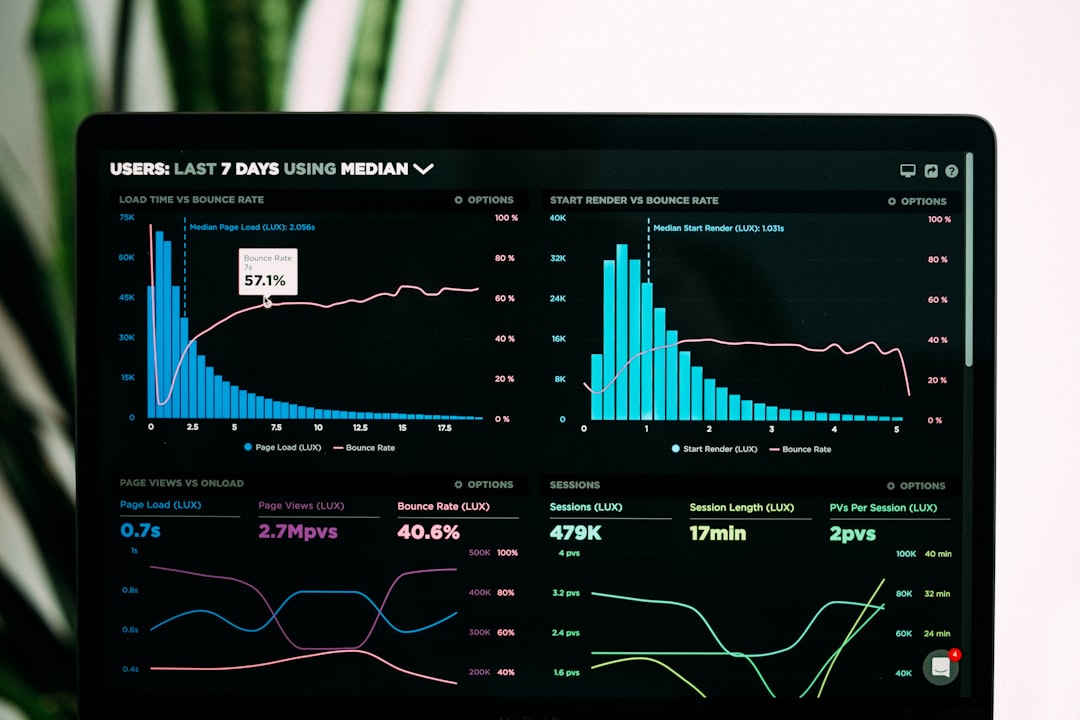
Model monitoring platforms act like a health tracker for your AI system. They constantly check vital signs. They send alerts if something looks wrong.
What Do Model Monitoring Platforms Actually Do?
They do more than just track accuracy.
Here are the core features:
1. Performance Tracking
They monitor metrics like:
- Accuracy
- Precision and recall
- F1 score
- Latency
- Error rates
If performance drops, you get notified.
2. Data Drift Detection
Data drift means the input data today looks different from the data used to train the model.
Monitoring tools compare:
- Training data distribution
- Live production data
If they don’t match, that is a red flag.
3. Prediction Drift
Even if inputs look fine, outputs may shift. Monitoring tools check prediction patterns over time.
4. Bias and Fairness Checks
Models can unintentionally favor or discriminate against certain groups.
Monitoring platforms:
- Break down performance by demographic groups
- Highlight fairness issues
- Track bias metrics continuously
5. Explainability
This is huge.
Stakeholders often ask, “Why did the model make this decision?”
Platforms like Fiddler AI offer:
- Feature importance scores
- Local prediction explanations
- Global model behavior summaries
This builds trust. Especially in regulated industries.
Meet Fiddler AI
Fiddler AI is a leading model monitoring platform. It focuses on explainable AI and model performance management.
What makes it stand out?
- Strong explanation tools
- Real-time monitoring
- Bias detection
- Clean visual dashboards
It integrates with popular ML workflows. You can plug it into your pipeline without rebuilding everything.
Fiddler is often used in:
- Banking and finance
- Healthcare
- Ecommerce
- Insurance
Industries where trust is critical.
Other Popular Model Monitoring Platforms
Fiddler AI is not alone. Several other tools compete in this space.
Here are some well-known platforms:
1. Arize AI
- Strong drift detection
- Embedding analysis
- Great visual diagnostics
2. WhyLabs
- Lightweight integration
- Open source friendly
- Focus on data quality
3. Evidently AI
- Open source option
- Data and model reports
- Easy reporting dashboards
4. Datadog ML Monitoring
- Strong infrastructure monitoring
- Integrated with DevOps tools
- Unified observability
Comparison Chart
| Platform | Explainability | Drift Detection | Bias Monitoring | Best For |
|---|---|---|---|---|
| Fiddler AI | Advanced | Strong | Yes | Regulated industries |
| Arize AI | Moderate | Advanced | Yes | Large scale ML teams |
| WhyLabs | Basic | Strong | Limited | Data focused teams |
| Evidently AI | Moderate | Strong | Custom setups | Open source users |
| Datadog ML | Basic | Moderate | Limited | DevOps heavy teams |
How Explainability Builds Trust
Trust is everything.
If a bank rejects a loan application, the customer wants to know why. If a hospital uses AI to prioritize patients, doctors need confidence in the system.
Explainability helps by:
- Showing which features drove a prediction
- Highlighting unusual input values
- Providing visual breakdowns
Instead of a “black box,” you get a glass box.
This is important for:
- Regulators
- Auditors
- Executives
- End users
And it reduces risk.
Real World Example
Let’s say an ecommerce company uses a recommendation model.
At first, everything looks good. Revenue increases.
But later:
- Customer preferences shift
- New product categories launch
- Seasonal trends change
The model starts recommending outdated products.
A monitoring platform detects:
- Drop in click through rate
- Shift in input feature distribution
- Bias toward older products
The team retrains the model. Performance recovers.
Without monitoring? The company might not notice for months.

Key Benefits of Using Platforms Like Fiddler AI
Let’s summarize the big wins.
1. Early Problem Detection
You catch issues before customers do.
2. Regulatory Compliance
You can provide audit trails and explanations.
3. Better Collaboration
Data scientists, product managers, and executives see the same dashboards.
4. Faster Debugging
You quickly find which feature or segment causes issues.
5. Continuous Improvement
Monitoring insights guide retraining and optimization.
Challenges to Consider
No tool is perfect.
You still need:
- Clean data pipelines
- Well defined metrics
- Clear ownership of alerts
If alerts are ignored, monitoring is useless.
Also, complex models like deep neural networks can be harder to explain fully. Some explanations are approximations.
It is important to understand limits.
The Future of Model Monitoring
AI systems are growing fast. So are risks.
Future trends include:
- Automated retraining triggers
- More robust bias evaluation
- Monitoring for large language models
- Better integration with cloud platforms
As AI becomes more autonomous, monitoring becomes more critical.
You would not drive a car without a dashboard.
You should not deploy AI without monitoring.
Final Thoughts
Building a machine learning model is exciting. Deploying it feels like victory.
But deployment is not the finish line. It is the start of a new phase.
Models live in dynamic environments. Data shifts. Users change. Markets evolve.
Platforms like Fiddler AI help you:
- Understand model behavior
- Detect issues early
- Explain decisions clearly
- Maintain fairness and accuracy
They turn guesswork into insight.
They turn black boxes into transparent systems.
And they help you build AI that people trust.
In the world of machine learning, that trust is everything.