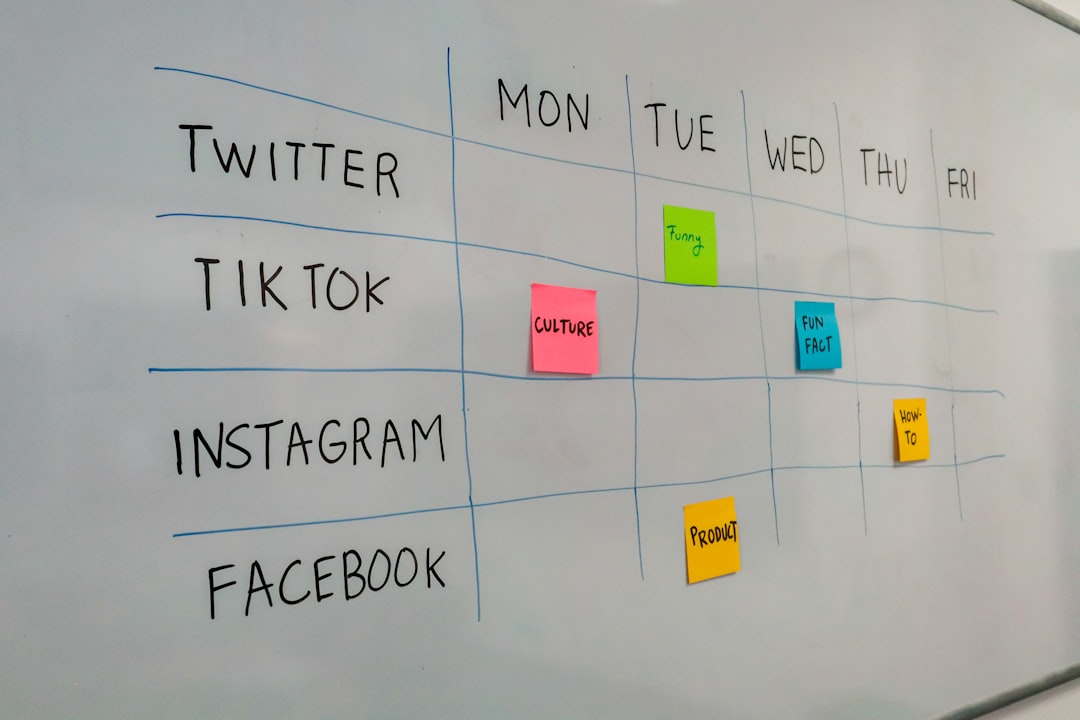
The best times to post on social media are usually weekday mornings, lunch breaks, and early evenings, but each platform rewards different habits. Brands should treat common posting windows as a starting point, then adjust using their own analytics, audience time zones, and content type.
TLDR: For better reach, most brands can start with Tuesday to Thursday between 9 a.m. and 2 p.m., then test platform by platform. For example, a small fitness brand posting Instagram Reels at 7 p.m. on Wednesdays saw a 28% lift in saves compared with noon posts over four weeks. LinkedIn often works best during business hours, while TikTok and Instagram tend to perform well after work. The smartest schedule is not the “perfect” time; it is the time proven by repeat testing.
Why Posting Time Still Matters
Algorithms do not show content in strict order anymore, but timing still affects early engagement. If a post gets clicks, comments, shares, or watch time soon after publishing, the platform has stronger signals to push it wider.
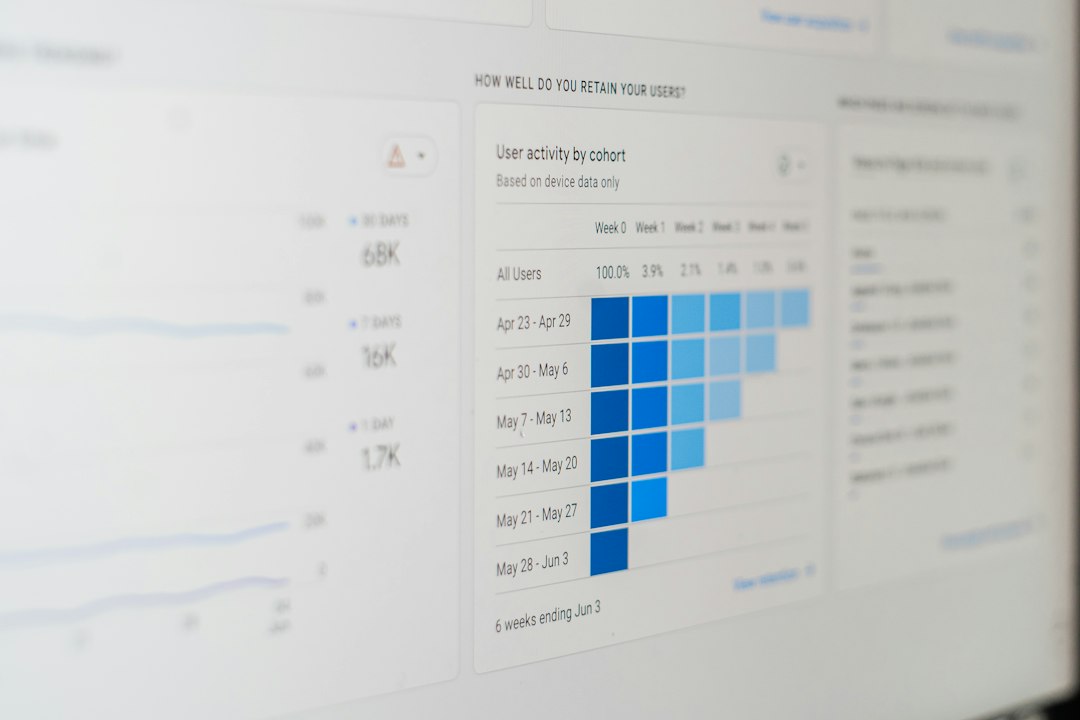
The catch is that generic advice can be painfully vague. A dashboard may show “best time: 10 a.m.”, then bury the useful audience breakdown three clicks deep. Still, timing data matters. It helps teams stop guessing and start spotting patterns.
Posting time should be judged alongside content quality, format, audience intent, and posting frequency. A weak post at the “best” time will still struggle. A strong post at the right time has a much better shot.
Best Times to Post on Instagram
Instagram often performs well when people check their phones before work, during lunch, and after dinner. Strong starting windows are:
- Monday to Friday: 7 a.m. to 9 a.m.
- Tuesday to Thursday: 11 a.m. to 1 p.m.
- Wednesday and Sunday: 6 p.m. to 9 p.m.
Reels often do well in the evening because users have more time to watch. Carousels may perform better around lunch, when users are more willing to swipe and save. Stories can be spread through the day, especially around commute times and breaks.
For Instagram, early saves and shares matter a lot. A beauty brand, food creator, or fitness coach may find that educational posts perform best at lunch, while lifestyle videos perform better after 7 p.m.
Best Times to Post on Facebook
Facebook still rewards community habits. Many users check it in the morning, during lunch, or later in the evening. Good test windows include:
- Tuesday to Thursday: 9 a.m. to 1 p.m.
- Friday: 10 a.m. to noon
- Sunday evening: 6 p.m. to 8 p.m.
Facebook Groups can behave differently from Pages. A parenting group may get heavy engagement after bedtime. A local restaurant Page may get better results before lunch or before dinner. Event posts should usually go live earlier in the week, so users have time to plan.
Best Times to Post on TikTok
TikTok timing depends heavily on audience behavior and content category. Still, many accounts see strong results outside standard work hours. Useful starting points are:
- Tuesday to Thursday: 6 p.m. to 10 p.m.
- Saturday: 10 a.m. to noon
- Sunday: 4 p.m. to 8 p.m.
TikTok can keep pushing a video for days, so the first hour is not everything. Yet a strong launch still helps. Entertainment, food, fashion, and personal story content often performs well in the evening. Business tips and educational clips can perform better in the morning or at lunch.
Honestly, it feels like TikTok analytics makes simple timing checks more annoying than they should be. Some teams end up exporting results manually because comparing time slots inside the app takes too many taps.
Best Times to Post on LinkedIn
LinkedIn is tied to work routines. The best posting times usually fall inside the business day, especially before meetings fill the calendar.
- Tuesday to Thursday: 8 a.m. to 11 a.m.
- Wednesday: 10 a.m. to noon
- Friday: 8 a.m. to 10 a.m.
Monday can be mixed because users are catching up. Friday afternoons are often weak because attention drops. Posts about hiring, industry opinion, case studies, and career lessons usually perform best when professionals are already in work mode.
For B2B brands, LinkedIn posts should be tested by role and seniority. Executives may check early. Managers may engage at lunch. Job seekers may browse in the evening.

Best Times to Post on X
X moves quickly. Timing matters because posts can disappear from feeds fast. Strong test windows include:
- Monday to Friday: 8 a.m. to 10 a.m.
- Tuesday to Thursday: noon to 2 p.m.
- Evenings: 7 p.m. to 9 p.m. for commentary and live events
News, sports, finance, and tech accounts often need to post when conversations are active, not when a calendar says so. A brand reacting to an event should post quickly, then follow up with a clearer take later.
Threads can perform well when posted before peak browsing periods. This gives the content time to collect replies before more users log in.
Best Times to Post on Pinterest
Pinterest behaves more like a visual search engine than a social feed. Pins can drive traffic for weeks or months. Still, timing can help with early traction.
- Saturday and Sunday: 8 p.m. to 11 p.m.
- Friday: 3 p.m. to 6 p.m.
- Weekday evenings: 7 p.m. to 10 p.m.
Planning content works especially well on Pinterest. Recipes, home decor, weddings, travel, fashion, and holiday content should be posted weeks before demand peaks. A Christmas gift guide, for example, should not wait until mid December.
Best Times to Post on YouTube
YouTube needs time to index, test, and recommend videos. Posting slightly before peak viewing hours often works best.
- Thursday and Friday: 2 p.m. to 5 p.m.
- Saturday: 9 a.m. to 11 a.m.
- Sunday: 10 a.m. to noon
For long videos, afternoons before evening viewing can work well. For Shorts, lunch and evening slots are worth testing. Channels should also watch returning viewer data, since loyal viewers can create the first wave of engagement.
How to Find the Best Posting Time for an Audience
Generic timing charts are useful, but they are not the final answer. Each brand should build a simple test plan.
- Pick three time slots per platform, such as morning, lunch, and evening.
- Test for four weeks to avoid judging results from one lucky post.
- Compare the same content type, such as Reel against Reel or carousel against carousel.
- Track reach, engagement rate, clicks, saves, shares, and watch time.
- Adjust by time zone if the audience is national or global.
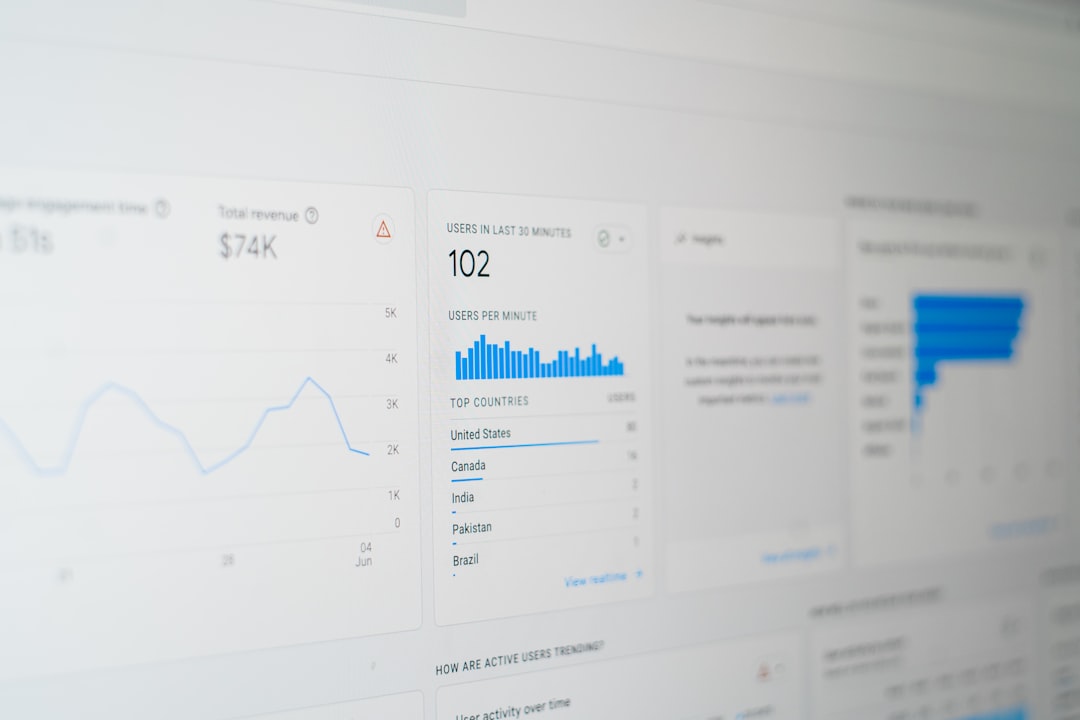
A simple spreadsheet is often enough. If Wednesday lunch posts average 4.8% engagement and Friday evening posts average 2.1%, the schedule should shift. No mystery. No guesswork.
Common Posting Time Mistakes
- Posting only when the team is free: Convenience rarely matches audience behavior.
- Ignoring time zones: A 9 a.m. post in New York reaches Los Angeles at 6 a.m.
- Testing too briefly: One week is usually too little data.
- Comparing different formats: A meme and a product demo do not behave the same way.
- Posting too often: More posts can lower average quality and tire the audience.
Quick Platform Timing Cheat Sheet
- Instagram: 7 a.m. to 9 a.m., 11 a.m. to 1 p.m., 6 p.m. to 9 p.m.
- Facebook: 9 a.m. to 1 p.m., with evening tests for groups.
- TikTok: 6 p.m. to 10 p.m., plus weekend tests.
- LinkedIn: Tuesday to Thursday, 8 a.m. to noon.
- X: Morning, lunch, and live event windows.
- Pinterest: Evenings and weekends.
- YouTube: Afternoons before peak viewing, plus weekend mornings.
FAQ
What is the overall best time to post on social media?
For most brands, Tuesday to Thursday between 9 a.m. and 2 p.m. is a strong starting point. Results vary by platform, audience, and content type.
Is it better to post in the morning or evening?
Morning works well for LinkedIn, X, and some Instagram posts. Evening often works better for TikTok, Reels, Pinterest, and entertainment content.
How often should a brand test posting times?
A brand should review timing data at least once per month. Seasonal shifts, audience growth, and content changes can all affect performance.
Do weekends work for social media posts?
Yes, but it depends on the platform. Pinterest, YouTube, TikTok, and Facebook Groups can perform well on weekends. LinkedIn is usually weaker then.
Should posts be scheduled or published manually?
Scheduling is fine if the content is planned. Manual posting may be better for breaking news, live events, or posts that need real-time replies.