For most portrait photographers, a prime lens is the better creative choice, while a zoom lens is the better practical choice. A prime lens, such as a 50mm or 85mm, usually gives stronger background blur, sharper detail, and better low-light performance. A zoom lens, such as a 24-70mm or 70-200mm, wins when the photographer needs speed, framing freedom, and fewer lens changes. Nikon also lists 85mm as a classic portrait focal length because it gives flattering compression without forcing the photographer too far from the subject [source: Nikon].
TLDR: A prime lens is usually better for portraits when image quality, creamy blur, and a polished look matter most. A zoom lens is better when the photographer must move fast, such as during weddings, events, or family sessions with kids who will not sit still. For example, an 85mm f/1.8 lets in about 2.4 times more light than a 70-200mm set to f/2.8, which can mean cleaner indoor portraits. In a 90-minute outdoor session, a zoom may save 10 to 15 minutes because the photographer does not need to swap lenses or walk back and forth as much.
Prime Lens vs. Zoom Lens: The Simple Difference
A prime lens has one fixed focal length. A 35mm prime is always 35mm. An 85mm prime is always 85mm. To change the composition, the photographer must move closer or farther away.
A zoom lens covers a range. A 24-70mm lens can shoot wide environmental portraits at 24mm, waist-up portraits around 50mm, and tighter headshots near 70mm. This makes it flexible and easy to use in changing scenes.
The choice is not really about which lens is “better” in every case. It is about which problem the photographer wants to solve. A prime solves for image character. A zoom solves for speed and control.
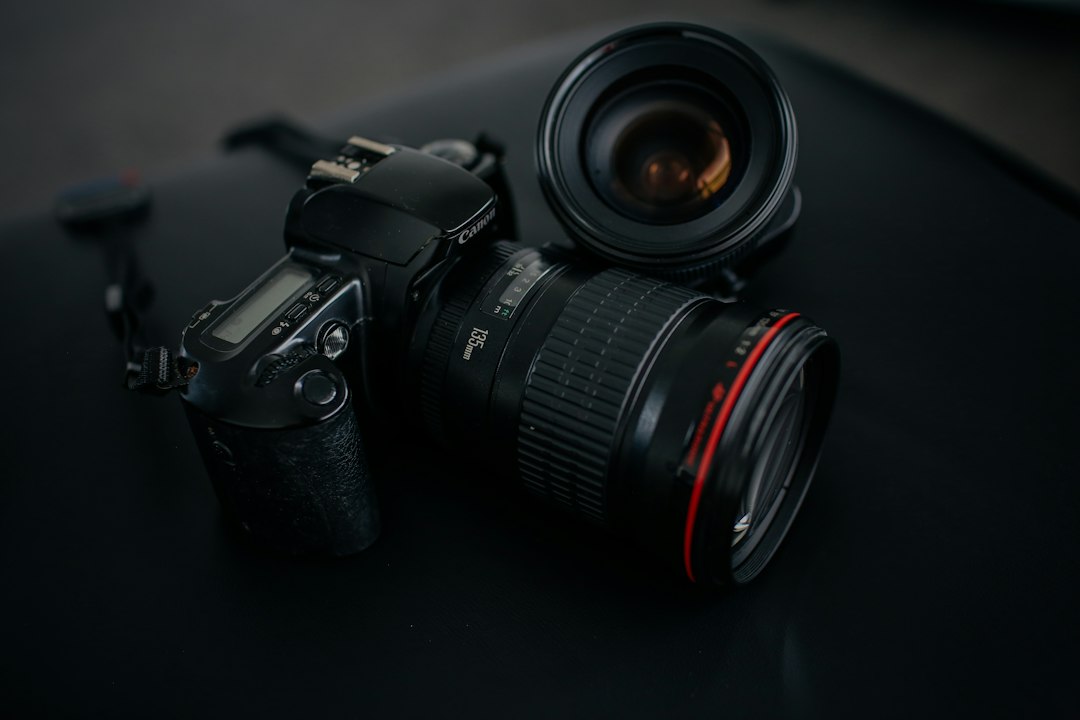
Why Prime Lenses Are So Popular for Portraits
Prime lenses are loved for one main reason: they make portraits look expensive. That sounds blunt, but it is true. A wide aperture, such as f/1.4 or f/1.8, can blur messy backgrounds and keep attention on the face.
This is useful in real locations. Parks have trash cans. Homes have clutter. Streets have cars and bright signs. A prime lens can soften all of that into smooth color. The subject stands out, and the frame feels cleaner.
Prime lenses also tend to be sharp for the price. A budget 50mm f/1.8 can often produce beautiful portraits without draining a camera bag budget. It drives many photographers a little crazy that such a small, cheap lens can beat larger glass in some portrait situations.
- Best for: headshots, senior portraits, studio work, couples, beauty portraits.
- Common choices: 35mm, 50mm, 85mm, 105mm, 135mm.
- Main strength: shallow depth of field and clean subject separation.
- Main weakness: no zoom range, so framing takes more movement.
Why Zoom Lenses Still Matter
Zoom lenses are not just for lazy photographers. That old idea needs to go away. A good zoom lens can be sharp, fast, and very professional. It allows the photographer to react without stopping the session.
This matters during weddings and family portraits. A child may run toward the camera. A bride may laugh for two seconds and then look away. A group may shift position. With a zoom, the photographer can catch the shot instead of switching lenses.
Honestly, it feels like a waste to miss a real expression because a prime lens forced a lens change at the wrong time. That mistake might only take 20 seconds, but the moment is gone.
- Best for: weddings, events, family sessions, travel portraits, fast client work.
- Common choices: 24-70mm f/2.8, 70-200mm f/2.8, 24-105mm f/4.
- Main strength: fast framing without moving position.
- Main weakness: smaller maximum aperture than many primes.
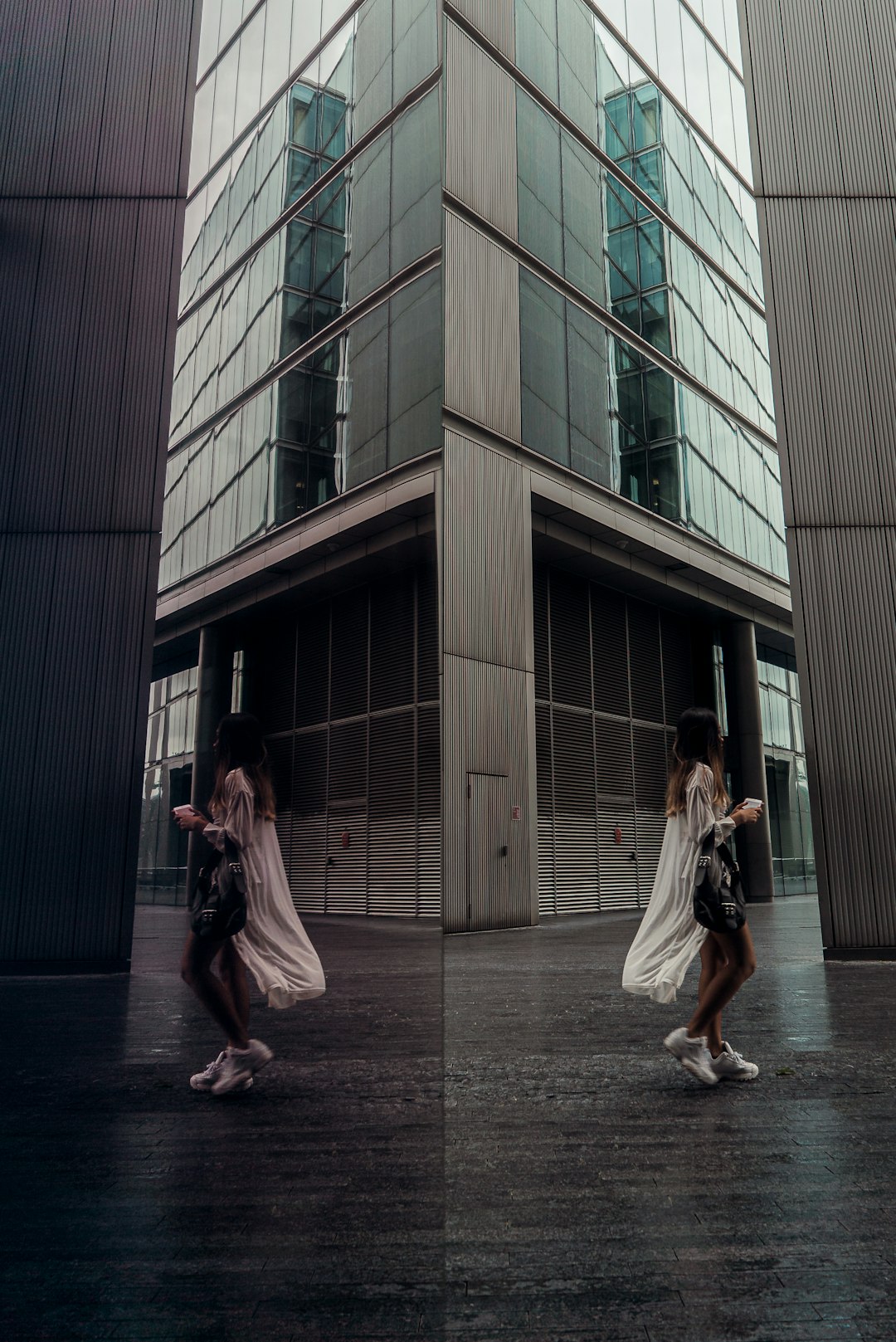
Image Quality: Which Looks Better?
In many portrait settings, a prime lens has the edge. It can create more blur, a cleaner background, and better low-light results. An 85mm f/1.8 or 50mm f/1.4 can give a soft, dreamy look that clients often notice, even if they do not know why.
That said, modern zoom lenses are very good. A 70-200mm f/2.8 can create excellent compression and smooth blur, especially at 135mm or 200mm. It may not open to f/1.8, but the longer focal length helps flatten facial features and soften the background.
For close headshots, both lens types can look professional. The bigger difference is shooting style. A prime encourages slower, cleaner composition. A zoom encourages fast adjustment and more variety.
Background Blur and Bokeh
If the goal is maximum blur, the prime often wins. A 50mm f/1.8, 85mm f/1.8, or 135mm f/2 can turn a busy area into a soft wash of light. This is one reason portrait photographers keep primes in their bags.
Still, blur is not only about aperture. It also depends on subject distance, background distance, sensor size, and focal length. A 70-200mm f/2.8 at 200mm can produce serious background separation when the subject is far from the background.
For photographers who shoot in tight rooms, primes can be tricky. An 85mm may feel too long indoors. A 35mm or 50mm may work better. A zoom removes some of that guesswork.
Sharpness and Skin Detail
Prime lenses often give excellent sharpness at a lower price. That can be helpful for eyes, lashes, hair, and fabric texture. But sharpness is not everything in portrait work. Too much detail can be unkind to skin.
A slightly softer rendering can sometimes flatter the subject more. Lighting, posing, and expression usually matter more than a tiny sharpness difference between lenses. A poor pose with an expensive prime is still a poor portrait.
Price and Weight
Prime lenses are usually cheaper if the photographer buys one or two. A 50mm f/1.8 is one of the best value portrait lenses available. An 85mm f/1.8 is also a strong choice for many full-frame shooters.
Zoom lenses cost more, especially bright f/2.8 models. They are also heavier. A 70-200mm f/2.8 can feel amazing for the first 15 minutes and annoying after two hours. Photographers who shoot long wedding days may feel that weight in the wrist, shoulder, and back.
There is a tradeoff. A zoom may replace two or three primes during an event. That can reduce bag weight overall, even if the lens itself is heavy.
Which Lens Is Better for Different Portrait Styles?
- Studio portraits: Prime lenses are often better. The photographer controls distance, lighting, and background.
- Outdoor portraits: Both work well. An 85mm prime gives a classic look, while a 70-200mm gives more framing options.
- Wedding portraits: Zoom lenses are usually safer. Time is tight, and moments disappear fast.
- Family portraits: Zoom lenses help with movement, kids, and group changes.
- Beauty portraits: Prime lenses usually win because detail, blur, and smooth rendering matter.
- Travel portraits: A zoom is often easier because the photographer may not control the space.
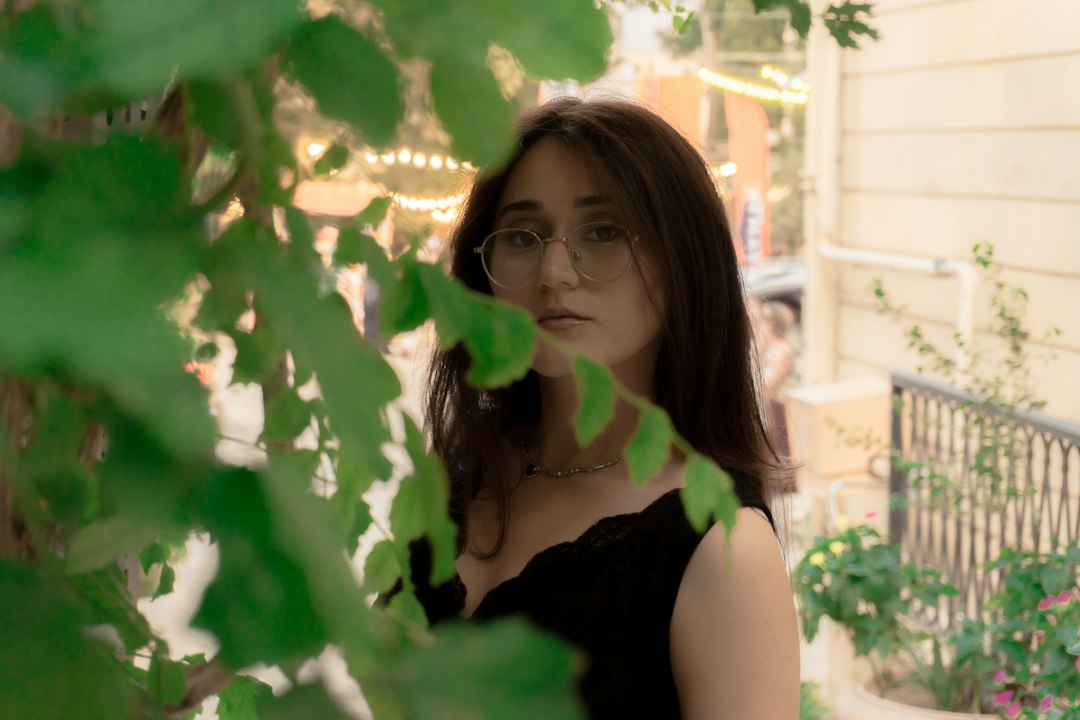
Best Prime Lenses for Portrait Photography
A 35mm prime works well for environmental portraits. It includes more background and tells more of the subject’s story. It can distort faces if used too close, so it needs care.
A 50mm prime is flexible and affordable. It works for half-body portraits, casual headshots, and indoor sessions. It is a strong first portrait lens.
An 85mm prime is the classic choice. It flatters faces, gives strong blur, and creates a natural distance between photographer and subject.
A 135mm prime gives a refined, compressed look. It is beautiful outdoors but may be too long for small rooms.
Best Zoom Lenses for Portrait Photography
A 24-70mm f/2.8 is the workhorse. It handles full-body portraits, small groups, and quick changes. It is useful when the photographer has no time to swap lenses.
A 70-200mm f/2.8 is a favorite for outdoor portraits and weddings. It gives flattering compression and strong background blur. It does require space.
A 24-105mm f/4 is practical for travel and casual work. It offers range, but the f/4 aperture limits blur and low-light performance.
Final Verdict
A prime lens is better for portrait photographers who value style, blur, and image quality above speed. It is the stronger choice for controlled sessions, studio portraits, beauty work, and anyone building a signature look.
A zoom lens is better for photographers who need flexibility, speed, and fewer missed moments. It is the smarter choice for weddings, families, events, and unpredictable locations.
The best answer is not either-or. Many working portrait photographers carry both. A common setup is a 35mm or 50mm prime, an 85mm prime, and a 24-70mm or 70-200mm zoom. The prime creates the standout portraits. The zoom saves the session when things get messy.
FAQ
Is a prime lens better than a zoom lens for portraits?
Usually, yes. A prime lens often gives better blur, wider aperture options, and strong image quality. A zoom is better when speed and flexibility matter more.
What is the best prime lens for portraits?
An 85mm prime is one of the best choices for classic portraits. A 50mm prime is better for tighter spaces and smaller budgets.
What is the best zoom lens for portraits?
A 70-200mm f/2.8 is excellent for outdoor portraits and weddings. A 24-70mm f/2.8 is better for mixed sessions and indoor work.
Can a zoom lens create blurry backgrounds?
Yes. A zoom lens can create strong background blur, especially at longer focal lengths such as 135mm or 200mm. Subject distance and background distance also matter.
Should a beginner buy a prime or zoom first?
A beginner who wants portraits should often start with a 50mm f/1.8. It is affordable, light, and sharp. A beginner shooting events may be happier with a zoom.
Do professional portrait photographers use zoom lenses?
Yes. Many professionals use zoom lenses for weddings, events, and fast sessions. They also use primes when they want a more polished or artistic portrait style.