
Social media teams are under constant pressure to create more content, respond faster, analyze performance, and prove ROI—all while staying creative and on-brand. As platforms multiply and algorithms evolve, the workload has grown too complex for manual processes alone. To keep up, many teams are turning to artificial intelligence tools that automate repetitive tasks, improve decision-making, and unlock deeper audience insights. These tools are not replacing creativity; they are enhancing it.
TLDR: Social media teams are using AI tools to automate content creation, schedule posts, analyze performance, and improve audience targeting. These tools reduce repetitive tasks, accelerate workflows, and help teams make data-driven decisions. From AI writing assistants to predictive analytics and chatbots, automation is transforming how brands operate on social platforms. The result is faster execution, smarter campaigns, and more time for strategic thinking.
AI-Powered Content Creation
Content creation is one of the most time-consuming aspects of social media marketing. Drafting captions, brainstorming ideas, writing scripts, and designing visuals can take hours—especially when producing content for multiple platforms.
AI writing assistants now help social media teams:
- Generate caption ideas tailored to specific tones and audiences
- Create variations of posts for different platforms
- Write ad copy optimized for engagement
- Summarize long-form content into bite-sized posts
These tools are particularly valuable during high-volume campaigns or product launches. Instead of staring at a blank screen, teams can start with AI-generated drafts and refine them to fit brand voice and goals.
Visual AI tools also speed up graphic and video production. Automated design platforms suggest layouts, color palettes, and templates aligned with brand guidelines. Video editing AI can generate subtitles, trim clips, and even identify the most engaging segments for social sharing.
By offloading initial drafts and repetitive formatting tasks, AI allows creative teams to focus on storytelling, strategy, and audience connection.
Smarter Social Media Scheduling
Publishing content at the right time significantly affects engagement. Traditionally, social media managers had to manually review analytics, identify peak hours, and test multiple scheduling variations. AI scheduling tools now automate that process.
These systems analyze:
- Historical engagement data
- Audience activity patterns
- Platform-specific algorithm trends
- Competitor publishing times
Based on this data, they recommend—or automatically select—the optimal posting time for each piece of content. Some tools even adjust schedules dynamically based on real-time engagement shifts.
The time savings are substantial. Instead of manually planning timing strategies each week, teams can rely on data-driven automation that continuously optimizes distribution.
AI-Driven Analytics and Reporting
Tracking and interpreting analytics is crucial, but building reports manually can be labor-intensive. Teams often spend hours exporting data, creating charts, and explaining performance trends.
AI analytics platforms simplify reporting by:
- Automatically generating visual dashboards
- Identifying performance anomalies
- Summarizing key insights in plain language
- Predicting future engagement trends
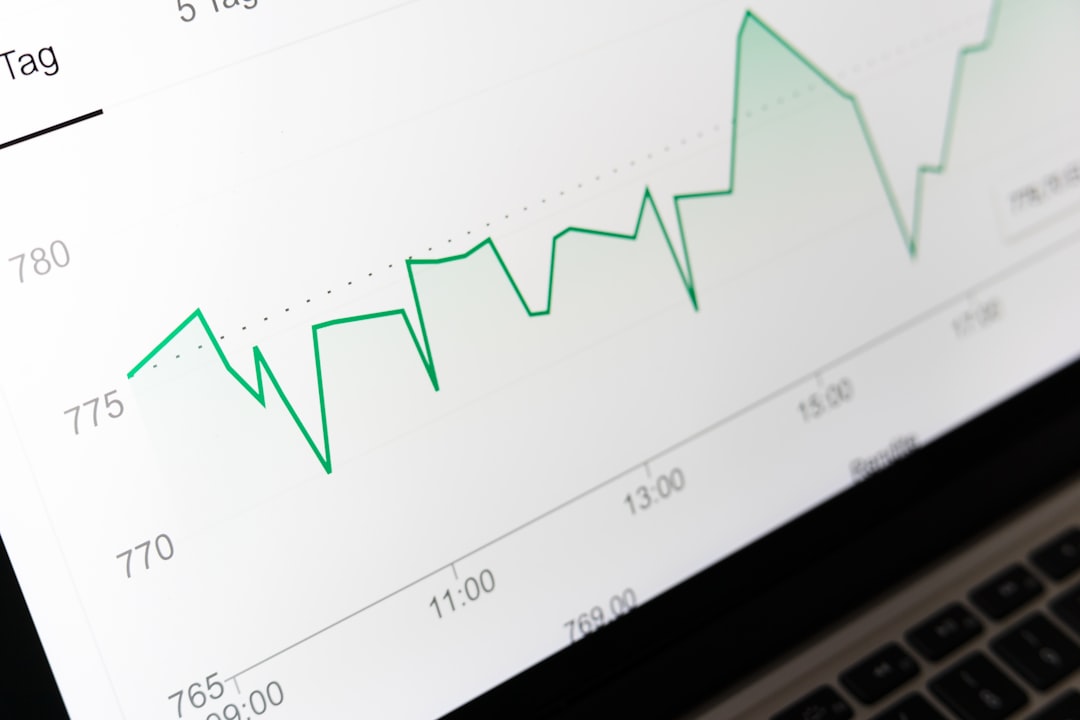
Instead of merely reporting numbers, AI tools interpret patterns. For example, they may highlight that short-form videos posted between 6 p.m. and 8 p.m. outperform static content by 35%, or that user-generated content drives higher share rates among a specific demographic.
This shift from reactive reporting to predictive analysis allows teams to make proactive decisions. Resources can be redirected toward high-performing formats, while underperforming campaigns can be optimized before budgets are wasted.
Automated Social Listening
Monitoring brand mentions and industry conversations is essential but overwhelming at scale. AI-powered social listening tools scan millions of conversations across platforms in real time.
These tools help teams:
- Track brand sentiment
- Identify emerging trends
- Monitor competitor discussions
- Detect potential PR issues early
Natural language processing enables the software to detect tone and context, not just keywords. This means brands can quickly identify whether a spike in mentions signals excitement, confusion, or dissatisfaction.
By automating monitoring, teams can respond swiftly to opportunities and risks without manually searching through hashtags and comments.
Chatbots and Automated Engagement
Responding to comments and direct messages can consume significant time, especially for brands with large audiences. AI chatbots now handle routine inquiries automatically.
Common chatbot functions include:
- Answering frequently asked questions
- Providing product details
- Directing users to customer support
- Collecting lead information
Advanced AI systems learn from previous interactions, improving response quality over time. While complex cases are escalated to human team members, simple interactions are resolved instantly, improving response time and customer satisfaction.
Automated comment moderation also helps filter spam and offensive content, protecting brand reputation without manual oversight.
AI for Trend Forecasting
Staying ahead of trends gives brands a competitive edge, but identifying what will gain traction is difficult. AI tools analyze large datasets from social platforms, search behavior, and cultural signals to predict rising trends.
These insights enable teams to:
- Create timely, relevant content
- Capitalize on viral moments
- Adjust messaging before competitors do
- Align campaigns with audience interests
Forecasting tools often use machine learning patterns from past viral trends to predict the likelihood of similar themes gaining momentum. This strategic advantage reduces guesswork and increases campaign relevance.
Ad Optimization and Audience Targeting
Paid social campaigns involve complex targeting decisions. AI platforms optimize ad performance by continuously testing variables such as audience segments, creative formats, and placement strategies.
Using machine learning, these systems:
- Allocate budget dynamically to high-performing ads
- Suggest refined audience targeting
- Identify combinations of visuals and copy that convert
- Automatically pause underperforming variations
This automated optimization reduces manual A/B testing efforts and accelerates campaign improvements. Teams can focus on strategic direction while AI handles granular adjustments.
Workflow Automation and Collaboration
Beyond content and analytics, AI also supports internal collaboration. Workflow tools automate approval processes, assign tasks based on campaign timelines, and provide reminders for publishing deadlines.
For multi-brand organizations, AI ensures consistency by checking posts against brand guidelines and flagging inconsistencies in tone or messaging.
These automations eliminate bottlenecks and reduce the risk of human error. When repetitive coordination tasks are minimized, teams operate more efficiently and experience less burnout.
The Human-AI Balance
While AI tools save time, social media success still depends on human creativity and empathy. Algorithms may suggest optimal timing or generate draft captions, but they cannot replace authentic storytelling or genuine community connection.
Effective teams treat AI as a collaborative partner rather than a replacement. They use automation for:
- Data analysis
- Repetitive writing tasks
- Scheduling optimization
- Performance measurement
Meanwhile, they reserve creative direction, brand voice refinement, and strategic decision-making for human expertise.
This balance allows teams to work smarter—not harder—while maintaining authenticity.
Conclusion
Artificial intelligence is no longer a luxury for social media teams; it is becoming a necessity. As platform demands increase and competition intensifies, efficiency and agility determine success. AI tools streamline workflows, enhance insight generation, and free time for creative innovation.
By automating repetitive tasks—content drafting, scheduling, analytics reporting, engagement management, and ad optimization—teams reclaim valuable hours each week. These reclaimed hours are often redirected toward strategy, experimentation, and audience relationship-building.
Ultimately, the social media teams that thrive in today’s digital landscape are those that embrace AI not as a shortcut, but as a strategic accelerator.
Frequently Asked Questions (FAQ)
1. Are AI tools replacing social media managers?
No. AI tools automate repetitive and data-heavy tasks, but human creativity, emotional intelligence, and strategic thinking remain essential. AI enhances productivity rather than replacing professionals.
2. What tasks can AI automate most effectively?
AI excels at content drafting, scheduling posts, generating analytics reports, monitoring brand mentions, moderating comments, and optimizing ad campaigns. These tasks involve large datasets or repetitive processes.
3. Is AI-generated content safe for brand voice consistency?
When guided with clear brand guidelines and reviewed by humans, AI-generated content can align with brand voice. Most teams use AI drafts as a starting point and refine them before publishing.
4. Are AI tools expensive for small teams?
Many AI tools offer scalable pricing models, making them accessible for small businesses and startups. The time savings often offset the cost by improving productivity and efficiency.
5. How can teams start integrating AI into their workflow?
Teams can begin by automating one process—such as scheduling or analytics reporting—before expanding to content creation or ad optimization. Gradual implementation allows teams to assess effectiveness and adjust workflows accordingly.
6. Do AI tools improve engagement rates?
By analyzing audience behavior, optimizing posting times, and refining targeting strategies, AI tools can contribute to stronger engagement. However, success still depends on content relevance and authenticity.