
So, you found a site called Filmlicious. It looks easy. It has movies. It has shows. It may even have that one title you could not find anywhere else. But then the tiny lawyer voice in your head says, “Wait. Is this legal?” Good question. Let’s unpack it in plain English, with no boring courtroom fog.
TLDR: Filmlicious is risky from a legal and safety point of view. Sites like it often stream movies and TV shows without clear permission from copyright owners. Watching or downloading from unauthorized sites can cause legal trouble, depending on where you live. The safer choice is to use licensed streaming services, rentals, libraries, or free legal platforms.
What Is Filmlicious?
Filmlicious is commonly described as a free movie and TV streaming website. It may offer popular films, new releases, old classics, and full episodes. The big attraction is simple. You do not have to pay. You may not even need an account.
That sounds lovely. Like finding a pizza box with your name on it.
But free entertainment online can come with hidden strings. Sometimes those strings are legal. Sometimes they are technical. Sometimes they are malware wearing a fake mustache.
The main question is this: Does Filmlicious have permission to show the content it hosts or links to?
If the answer is yes, great. If the answer is no, then the site may be distributing copyrighted content without authorization. That is where the legal storm clouds roll in.

Is Filmlicious Legal?
The simple answer is: Filmlicious is not generally considered a safe or clearly legal streaming option.
Why? Because sites offering lots of free movies and shows often do not show clear licensing information. Legal streaming platforms usually make licensing obvious. They have company details. They have terms of service. They have payment models. They have app store listings. They have studio partnerships.
Unauthorized streaming sites often have the opposite vibe. They may have changing web addresses. They may use pop-up ads. They may offer new cinema releases for free. That is a big red flag.
Now, laws are different around the world. In some places, viewers are targeted less than uploaders. In other places, even streaming pirated content can be a legal problem. Downloading is usually riskier than streaming, because it may create a copy on your device.
So the safest answer is this:
- If Filmlicious does not have licenses, it is not legal for the site to offer that content.
- Using it may also be illegal or risky for viewers, depending on local law.
- It is better to avoid it if you want to stay safe.
How Do Legal Streaming Sites Work?
Legal streaming services pay for rights. That means they make deals with film studios, TV networks, producers, and distributors. These deals allow them to show specific content in specific places.
For example, a movie might be available on one service in the United States, another service in the United Kingdom, and nowhere in a third country. Annoying? Yes. Legal? Also yes.
Licensed services include things like:
- Netflix
- Disney Plus
- Amazon Prime Video
- Hulu
- Max
- Apple TV
- Peacock
- Paramount Plus
- Tubi
- Pluto TV
- Crackle
- Kanopy
Some are paid. Some are free with ads. Some are available through a library card. Nice little plot twist, right?
Why “Free” Can Be a Warning Sign
Free is not always bad. Free legal sites exist. But free access to brand new blockbuster movies? That is suspicious.
Think of it this way. Movies are expensive to make. Actors get paid. Editors get paid. Camera teams get paid. Someone had to buy the fake blood, the alien costume, and the dramatic rain machine.
If a website offers all of that for free, with no clear license, ask yourself:
- Who gave this site permission?
- How does the site make money?
- Why is this new release free here but paid everywhere else?
- Why are there so many pop-ups?
- Why does my browser suddenly look nervous?
If the answers feel sketchy, trust your gut. Your gut has seen enough internet nonsense.
Legal Risks for Users
Here is the part many people miss. A site may be illegal even if you are “just watching.” Copyright law is not only about selling copies. It can also involve streaming, copying, sharing, and bypassing access controls.
The risk level depends on your country. In some places, copyright owners focus on the people running the site. In other places, users can receive warning letters, fines, or notices from internet providers.
You may also face problems if the site uses peer to peer technology. Some streaming sites secretly turn users into distributors. That means your device may upload pieces of the movie to others. Yikes. That is like going to watch a movie and accidentally becoming the projectionist.
Important point: This article is not legal advice. If you have a serious legal concern, speak with a qualified lawyer in your country.
Safety Risks Are a Big Deal Too
Even if you ignore the legal part, there is another problem. Sites like Filmlicious can be risky for your device and privacy.
Unauthorized streaming sites often rely on aggressive ads. Some ads are just annoying. Others are dangerous. They may push fake updates, fake antivirus alerts, gambling pages, adult content, or suspicious downloads.
Common risks include:
- Malware: Bad software that can damage your device.
- Spyware: Software that watches what you do.
- Phishing: Fake pages that steal passwords or payment details.
- Fake buttons: “Play” buttons that are actually ads.
- Pop-up traps: Windows that keep opening like digital mosquitoes.
- Data tracking: Your activity may be sold or misused.
Does a VPN Make Filmlicious Legal?
No. A VPN does not make illegal content legal.
A VPN can hide or change your IP address. It can help protect privacy in some situations. But it does not magically create streaming rights. It is not a legal invisibility cloak. Harry Potter would be disappointed.
If a site is showing copyrighted movies without permission, a VPN does not fix that. It may only make your activity harder to trace. That does not mean it is lawful.
Also, some VPN ads make big promises. Be careful. Privacy tools are helpful, but they are not permission slips.
How to Tell If a Streaming Site Is Legal
You do not need a law degree. Just look for clues.
Green flags include:
- Clear company information.
- Real contact details.
- Terms of service and privacy policy.
- Available in official app stores.
- Known studio or network partnerships.
- Payment plans or legal ad support.
- No suspicious pop-up storm.
Red flags include:
- Brand new movies offered for free.
- No license information.
- Lots of mirror domains.
- Too many ads or redirects.
- Fake download buttons.
- Requests to disable security tools.
- Strange browser notifications.
- No company address or owner details.
If a site is covered in red flags, do not treat it like a cozy cinema. Treat it like a raccoon holding a USB stick.
What About “It Only Links to Videos”?
Some websites say they do not host anything. They only link to videos on other servers. This argument is common. It is also not a guaranteed legal shield.
In many legal systems, knowingly linking to unauthorized copyrighted content can still cause problems. Courts may look at the whole picture. Does the site organize pirated movies? Does it profit from ads? Does it help users find illegal streams? Does it ignore takedown requests?
If yes, “we only link” may not save the site.
For users, the practical advice is the same. If the content is clearly not licensed, avoid it.
Why Do Sites Like Filmlicious Keep Appearing?
Because demand is huge. People want easy access. People do not want ten subscriptions. People hate region locks. People want one place to watch everything.
That frustration is real. Streaming has become messy. A show can jump from one platform to another. A movie can disappear overnight. Prices go up. Password rules change. Everyone sighs.
But pirate sites fill that gap in a risky way. When one domain gets blocked, another may appear. It becomes a game of digital whack a mole. Except the mole has pop-ups and questionable JavaScript.
Legal Alternatives to Filmlicious
Good news. You have options. Some are cheap. Some are free. Some only require a library card, which is basically a magic ticket for wholesome nerds.
Try these legal choices:
- Free ad-supported platforms: Tubi, Pluto TV, Freevee, Plex, Crackle, and The Roku Channel.
- Library services: Kanopy and Hoopla, if your library supports them.
- Rentals: YouTube Movies, Apple TV, Google TV, and Amazon.
- Subscription services: Netflix, Disney Plus, Hulu, Max, and others.
- Network websites: Some channels offer free episodes with ads.
- Public domain sites: Great for older films and classic cinema.

What If You Already Used Filmlicious?
Do not panic. But do be smart.
Here are a few practical steps:
- Stop using the site if you are unsure about its legality.
- Do not download files from unknown streaming sites.
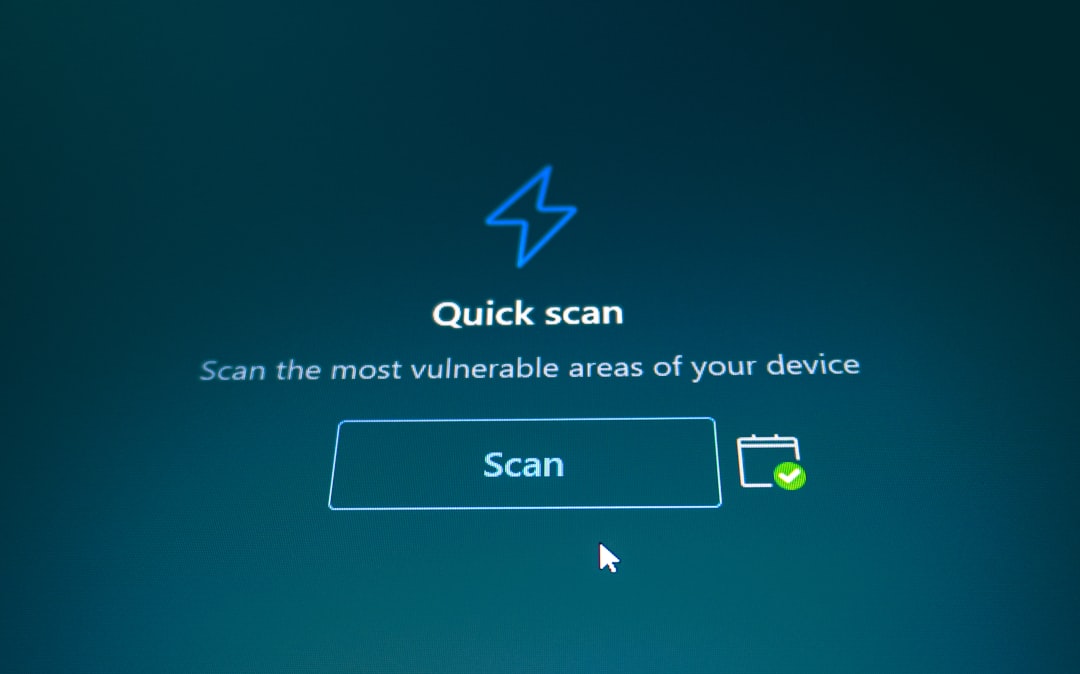
- Run a malware scan on your device.
- Clear browser notifications if you allowed any suspicious ones.
- Change passwords if you entered login information anywhere strange.
- Use legal platforms going forward.
If you received a legal notice, do not ignore it. Read it carefully. Contact your internet provider if needed. Speak with a lawyer if the notice seems serious.
So, Should You Use Filmlicious?
The safe answer is no.
Filmlicious may look convenient, but convenience is not the same as legality. If the site does not clearly show that it has permission to stream the content, that is a major problem. You may also expose your device to malware, scams, and privacy risks.
There are better choices. Legal streaming options are not perfect. They can be annoying. They can be expensive. But they are safer for you, safer for your device, and fairer to the people who make the movies and shows.
Final Verdict
Filmlicious is best avoided. It sits in a risky area where copyright, privacy, and security concerns all meet up for a very awkward dinner.
If you want to watch movies without stress, choose licensed services. Use free legal platforms when money is tight. Check your local library. Rent the one movie you really want. Your laptop will thank you. Your conscience may also do a tiny happy dance.
In short: if a streaming site feels too good to be true, it probably brought snacks and legal problems.