
Modern enterprises are under constant pressure to deliver software faster, scale seamlessly, and adapt to evolving business requirements. As digital ecosystems grow more complex, traditional monolithic systems struggle to keep up. SOA OS23 emerges as a forward-thinking evolution of service-oriented principles, providing a structured yet flexible architectural approach for today’s distributed, cloud-native world.
TLDR: SOA OS23 is a modernized service-oriented architecture model designed for scalability, interoperability, and resilience in cloud-first environments. It combines modular services, standardized communication protocols, and governance best practices to streamline enterprise development. By aligning business capabilities with loosely coupled services, organizations improve agility and long-term maintainability. This guide explains its core principles, architecture components, benefits, and implementation considerations.
Understanding SOA OS23
SOA OS23 stands for Service-Oriented Architecture Operating Standard 23, a contemporary refinement of traditional SOA methods. While classic SOA focused on reusable services and integration through enterprise service buses (ESBs), SOA OS23 integrates modern paradigms such as microservices, API-first development, containerization, and cloud-native tooling.
At its foundation, SOA OS23 promotes:
- Loose coupling between services
- Standardized communication protocols
- Reusability and composability
- Scalability by design
- Robust governance and observability
Rather than replacing SOA entirely, OS23 refines and modernizes it, eliminating rigid bottlenecks while preserving its interoperability strengths.
Core Architectural Components
To understand SOA OS23, it is essential to examine the key components that shape its structure.
1. Modular Service Layers
SOA OS23 structures systems into clear service layers aligned with business domains:
- Business Services: Core functionality aligned with business capabilities.
- Application Services: Workflow orchestration and process coordination.
- Infrastructure Services: Logging, authentication, storage, and monitoring.
This layered approach prevents cross-domain entanglement and encourages independent evolution of services.
2. API-First Communication
Unlike earlier SOA implementations that relied heavily on centralized ESBs, SOA OS23 emphasizes lightweight, API-driven communication. RESTful APIs, gRPC, and event-driven messaging frameworks are commonly used.
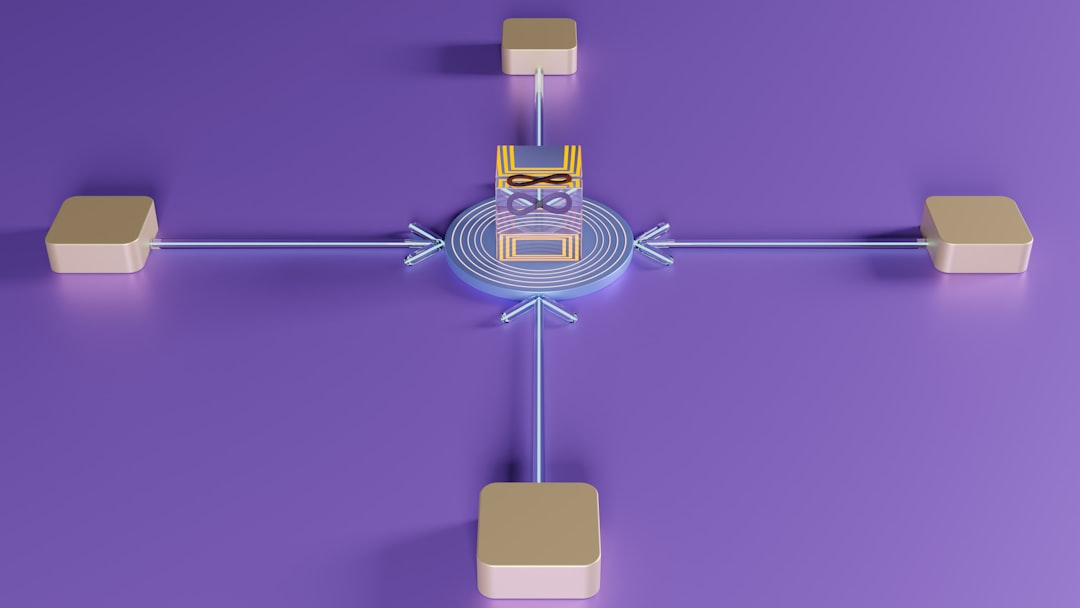
Standardized API contracts ensure that services can communicate reliably while remaining independently deployable.
3. Event-Driven Integration
Event-driven architecture plays a critical role in OS23. Services emit events when state changes occur, allowing other services to react asynchronously. This improves:
- System responsiveness
- Fault tolerance
- Scalability under load
Message brokers and event streaming platforms form the backbone of this integration model.
4. Containerization and Orchestration
SOA OS23 integrates seamlessly with container technologies such as Docker and orchestration platforms like Kubernetes. This ensures portability across environments and enables automated scaling.
Key Principles of SOA OS23
Business Alignment
Every service maps directly to a business capability. This domain-driven alignment reduces miscommunication between technical teams and stakeholders.
Autonomy and Decentralization
Services operate independently, with minimal shared databases or tightly coupled dependencies. Teams can develop, test, and deploy services without waiting for enterprise-wide releases.
Observability by Default
Logging, tracing, and metrics collection are built into every service. This proactive observability ensures issues are detected and resolved quickly.
Security Embedded at Every Layer
SOA OS23 integrates identity management, encryption, and zero-trust networking principles into its foundation rather than treating security as an afterthought.
Benefits of SOA OS23
Organizations adopting SOA OS23 experience numerous advantages.
1. Enhanced Scalability
Services scale independently according to demand. High-traffic services can be replicated without scaling the entire system.
2. Faster Time to Market
Independent deployments enable rapid feature releases. Agile teams can iterate without disrupting other services.
3. Improved Resilience
If one service fails, it does not bring down the entire system. Fault isolation increases overall reliability.

4. Legacy Modernization
SOA OS23 supports incremental transformation. Legacy monoliths can be gradually decomposed into manageable services without complete system rewrites.
SOA OS23 vs Microservices
Many professionals ask whether SOA OS23 is simply another name for microservices. While they share similarities, notable differences exist:
- Scope: Microservices focus on small, independent services; SOA OS23 provides broader governance and integration standards.
- Governance: OS23 emphasizes service registries, compliance policies, and lifecycle management.
- Interoperability: OS23 formalizes service contracts across heterogeneous environments.
In essence, microservices can function within a SOA OS23 framework, but OS23 defines operational discipline and architectural consistency at scale.
Implementation Roadmap
Step 1: Domain Identification
Organizations begin by mapping business domains and identifying logical service boundaries. Domain-driven design techniques are particularly effective.
Step 2: Establish Governance Framework
Clear policies for service communication, security standards, API documentation, and observability must be defined early.
Step 3: Build Core Infrastructure
- API gateway
- Service registry
- Monitoring tools
- CI/CD pipelines
Step 4: Incremental Service Deployment
Migrate functionality gradually. Prioritize high-value services or those requiring scalability improvements.

Step 5: Continuous Optimization
Use telemetry data to refine scaling policies, enhance performance, and strengthen resilience over time.
Common Challenges
Complex Governance
Maintaining consistency across numerous services requires disciplined lifecycle management and documentation.
Operational Overhead
Decentralized services may increase monitoring and DevOps complexity. Automation is essential to prevent management overload.
Service Sprawl
Without careful architectural planning, organizations risk creating too many poorly defined services. Clear naming conventions and domain responsibility boundaries prevent this issue.
Best Practices for Long-Term Success
- Adopt standardized API contracts for consistency.
- Enforce security policies centrally while allowing decentralized execution.
- Invest in automated testing and continuous integration.
- Document service ownership clearly to avoid confusion.
- Regularly review architecture to eliminate redundant services.
Successful SOA OS23 adoption requires both technical expertise and organizational alignment. Cross-functional collaboration between architects, developers, operations teams, and business stakeholders is critical.
The Future of SOA OS23
As AI services, edge computing, and multi-cloud strategies evolve, SOA OS23 continues to adapt. Its emphasis on loosely coupled, well-governed services positions it as a durable model for complex ecosystems.
Future advancements will likely integrate:
- AI-driven traffic management
- Automated policy enforcement
- Self-healing service meshes
- Advanced observability analytics
By combining structure with flexibility, SOA OS23 provides enterprises with a sustainable blueprint for digital transformation.
Frequently Asked Questions (FAQ)
1. What makes SOA OS23 different from traditional SOA?
SOA OS23 incorporates modern cloud-native technologies, event-driven communication, and decentralized governance while retaining core SOA principles like loose coupling and reusability.
2. Is SOA OS23 suitable for small businesses?
While especially beneficial for large enterprises, smaller organizations can adopt selected OS23 principles—such as modular services and API-first design—without implementing full-scale governance frameworks.
3. Does SOA OS23 require microservices?
No. Microservices fit well within the OS23 framework, but services can vary in size as long as they remain loosely coupled and aligned with business domains.
4. How does SOA OS23 improve system resilience?
By isolating faults within individual services and enabling asynchronous communication, failures are contained rather than spreading across the system.
5. What tools are commonly used in SOA OS23 environments?
Common tools include API gateways, container platforms, orchestration systems, monitoring solutions, and CI/CD pipelines—all integrated within a governed operational model.
6. Is SOA OS23 compatible with legacy systems?
Yes. It supports incremental modernization strategies, allowing legacy applications to be wrapped or decomposed into services over time.
SOA OS23 ultimately represents a balanced evolution of service-oriented thinking—merging governance, modularity, and modern infrastructure to meet today’s architectural demands.