
For enterprise ecommerce teams, SEO on Shopify Plus is not a checklist item; it is a growth system that connects technical performance, merchandising, content, analytics, and governance. Shopify Plus provides a strong foundation, but large catalogs, international storefronts, complex migrations, and frequent product changes can create SEO risk if they are not managed carefully. The goal is to build a search strategy that scales without compromising revenue, user experience, or operational control.
TLDR: Shopify Plus SEO works best when technical foundations, site architecture, content, and analytics are managed as one program. Enterprise brands should prioritize crawl efficiency, fast page performance, structured data, clean URL strategy, and scalable content processes. International SEO, migration planning, and ongoing monitoring are especially important for large stores. Treat SEO as a long-term revenue channel, not a one-time launch task.
Build a Scalable Site Architecture
A clear site architecture helps search engines understand your catalog and helps customers reach products faster. For Shopify Plus stores, this means organizing products into logical collections, using consistent navigation, and avoiding unnecessary duplicate paths to the same item.
Best practice: structure your store around primary commercial intent. Core categories should be easy to access from the main navigation, while subcollections should reflect how customers actually search, compare, and buy. Avoid creating hundreds of thin collections just to target keyword variations. Instead, focus on meaningful category pages with useful copy, strong internal links, and relevant product selections.
- Use descriptive collection names that match customer search behavior.
- Keep important pages within a few clicks from the homepage.
- Limit indexation of low-value pages such as internal search results or filtered pages with no unique demand.
- Maintain consistent internal linking from content, collections, and product pages.

Control Indexation and Duplicate Content
Large ecommerce stores often struggle with duplicate content caused by product variants, filters, tags, and multiple collection paths. Shopify handles many canonicalization issues well by default, but enterprise teams should still review how canonical tags, pagination, and URL parameters behave across templates and apps.
Use canonical tags to point search engines toward the preferred version of a page. Review your theme and apps to ensure they are not overwriting canonical logic or creating indexable duplicate pages. Shopify Plus also allows greater control over technical assets, including the ability to customize robots.txt.liquid when needed. This should be handled carefully, because blocking the wrong paths can reduce visibility or prevent important assets from being crawled.
For large catalogs, prioritize the pages that deserve search visibility: profitable collections, high-demand product pages, strategic landing pages, and evergreen content. Not every URL needs to be indexed. A disciplined indexation strategy improves crawl efficiency and helps search engines focus on your strongest pages.
Optimize Product and Collection Pages for Revenue
Enterprise SEO is not only about rankings; it is about qualified traffic and conversion. Product pages should include unique descriptions, detailed specifications, high-quality imagery, customer reviews, availability information, and clear shipping or return details. Avoid relying solely on manufacturer copy, especially if competitors use the same descriptions.
Collection pages are often the most valuable SEO assets in ecommerce. Each major collection should include a concise introduction, useful buying guidance, and links to related categories where appropriate. The copy should support shoppers, not overwhelm them. A strong collection page balances keyword relevance, merchandising priorities, and conversion clarity.
- Add unique title tags and meta descriptions for priority pages.
- Use one clear H1 per template.
- Include descriptive alt text for important product and lifestyle images.
- Display reviews and ratings when available.
- Keep discontinued product pages useful with alternatives or redirects.
Improve Site Speed and Core Web Vitals
Performance matters for both rankings and revenue. Shopify Plus stores often rely on multiple apps, tracking scripts, personalization tools, and rich media. These can improve functionality, but they can also slow the site if not governed properly.
Audit your theme, scripts, and app stack regularly. Remove unused apps, defer noncritical JavaScript, compress images, and use modern image formats where possible. Pay close attention to mobile performance, because ecommerce discovery and comparison often happen on mobile devices. Core Web Vitals such as Largest Contentful Paint, Interaction to Next Paint, and Cumulative Layout Shift should be tracked over time, not only during redesigns.

Use Structured Data Correctly
Structured data helps search engines interpret product information and may support rich results in search. Shopify themes often include some schema markup, but enterprise teams should validate it carefully. Product schema should include price, availability, images, brand, SKU or GTIN when applicable, ratings, and reviews if they meet platform guidelines.
Incorrect or duplicated schema can create reporting noise and eligibility issues. Test important templates with Google’s Rich Results Test and monitor enhancements in Search Console. If your store uses custom product data, subscriptions, bundles, or regional pricing, ensure the structured data reflects what users actually see on the page.
Plan International SEO with Precision
Many Shopify Plus merchants operate across countries, languages, and currencies. International SEO requires more than translating content. You need a clear structure for regional storefronts, accurate hreflang implementation, localized keyword research, and country-specific merchandising considerations.
Shopify Markets can help manage international selling, but SEO teams should still verify how URLs, domains, language paths, currencies, and redirects are configured. A product that performs well in one market may need different copy, sizing information, imagery, or category placement in another. Local relevance improves both organic visibility and conversion rates.
- Use hreflang annotations for language and regional targeting.
- Avoid automatic redirection that prevents users or crawlers from accessing other regional versions.
- Localize titles, descriptions, and category copy instead of relying on direct translation.
- Monitor each market separately in analytics and Search Console.
Manage Migrations and Redirects Carefully
Enterprise ecommerce migrations carry significant SEO risk. Moving to Shopify Plus, changing themes, consolidating domains, or restructuring collections can affect rankings if URLs, metadata, internal links, and redirects are not mapped correctly.
Before launch, create a comprehensive URL inventory and identify which pages generate organic traffic, backlinks, and revenue. Map old URLs to the most relevant new URLs with 301 redirects. Avoid redirecting everything to the homepage, because this weakens relevance and creates a poor user experience. After launch, monitor crawl errors, index coverage, rankings, and revenue by landing page.
Strengthen Content Beyond Product Pages
Content is especially valuable when it supports buying decisions. Enterprise brands should build resources that answer real customer questions: comparison guides, sizing advice, care instructions, trend reports, gift guides, and educational articles. This content can capture informational searches and guide visitors toward commercial pages through internal links.
The strongest content programs are closely connected to merchandising and customer service data. Search queries, on-site search terms, product return reasons, and support tickets can reveal what shoppers need before buying. Use those insights to create content that is accurate, helpful, and aligned with business priorities.
Measure SEO Like a Revenue Channel
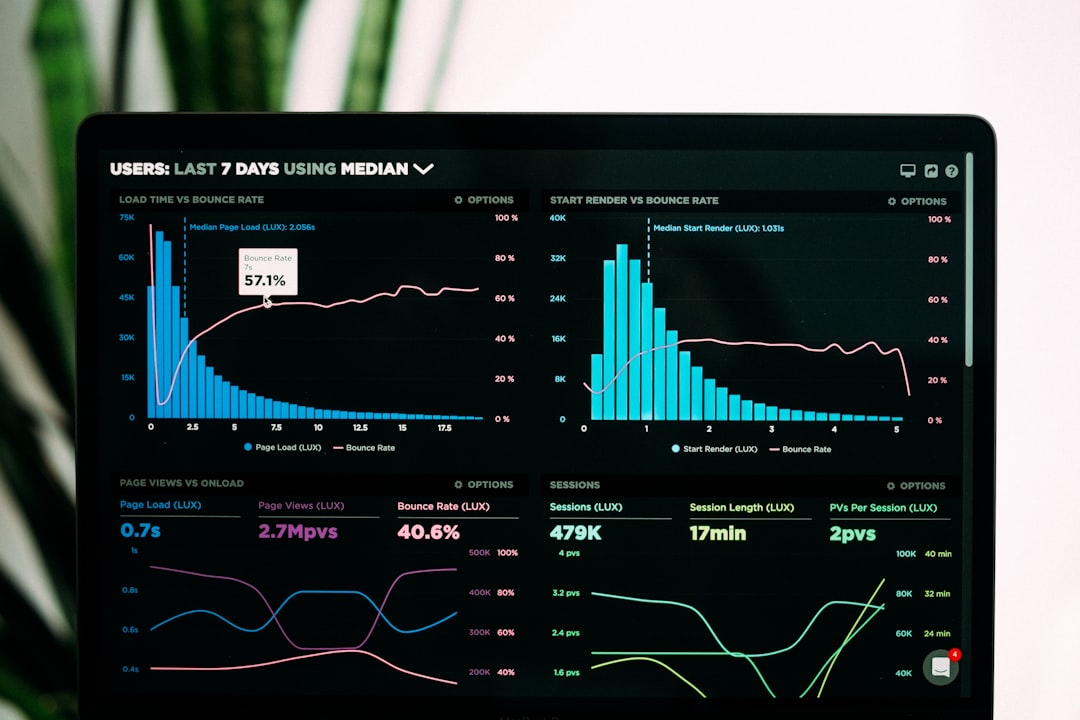
For Shopify Plus SEO, reporting should go beyond traffic and rankings. Track organic revenue, assisted conversions, new customer acquisition, category-level performance, nonbrand visibility, and landing page profitability. Combine Shopify analytics, Google Search Console, analytics platforms, and rank tracking tools to understand both visibility and business impact.
Create a regular SEO governance process. Review technical health, content performance, page speed, indexation, and competitor movement. Enterprise stores change constantly, so SEO controls must be ongoing. New apps, campaigns, products, and markets should be reviewed before they create problems at scale.
Final Thoughts
Shopify Plus gives enterprise ecommerce brands the flexibility and infrastructure to grow, but sustainable organic growth depends on disciplined execution. The best results come from combining technical SEO, scalable content, strong merchandising, international planning, and careful measurement. When SEO is embedded into everyday ecommerce operations, Shopify Plus becomes more than a selling platform; it becomes a reliable foundation for long-term search visibility and revenue growth.