
Hospitals, clinics, laboratories, and emergency care networks now depend on digital systems as deeply as they depend on electricity, oxygen, and trained clinical staff. Every medication order, diagnostic image, bedside alert, and patient record is part of a living information ecosystem. In that environment, dedicated medical computing is not simply an IT preference; it is a strategic requirement for safety, continuity, compliance, and trust.
TLDR: Dedicated medical computing helps healthcare organizations protect patient data, maintain clinical uptime, and support safer care delivery. Unlike general-purpose technology, medical-grade systems are designed for regulated, high-risk environments where failure can affect patient outcomes. Their value lies in reliability, cybersecurity, interoperability, infection control, and long-term operational resilience. For modern healthcare, they form a critical backbone for secure and efficient clinical operations.
The Digital Heartbeat of Modern Healthcare
Healthcare has become an information-intensive field. Physicians consult electronic health records before making decisions, nurses document vital signs through connected devices, imaging departments store massive diagnostic files, and pharmacies rely on automated prescribing systems to reduce medication errors. This constant exchange of data forms the pulse of the clinical environment.
When that pulse is disrupted, the impact can be severe. A delayed lab result can slow diagnosis. A compromised workstation can expose sensitive patient records. A failed bedside terminal can interrupt monitoring or documentation. For this reason, healthcare organizations increasingly recognize that ordinary office computers are not always appropriate for clinical spaces. They require systems built specifically for medical use, with stronger safeguards, specialized certifications, and dependable performance under pressure.
What Makes Medical Computing Dedicated?
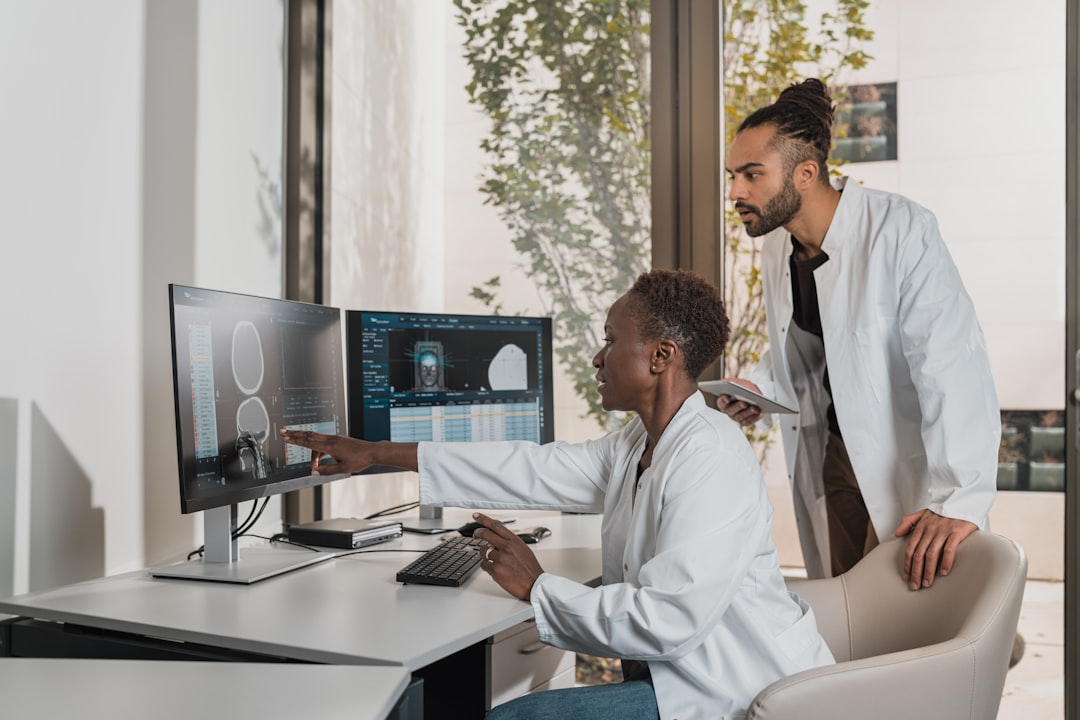
Dedicated medical computing refers to hardware and software environments designed specifically for healthcare workflows. These may include medical-grade panel PCs, mobile workstations, operating room computers, diagnostic terminals, rugged tablets, embedded systems in medical devices, and secure servers supporting electronic health records.
Unlike standard consumer or business devices, dedicated medical computers often include features such as:
- Medical-grade electrical safety for use near patients and sensitive devices.
- Antimicrobial surfaces and sealed designs that support infection control.
- Fanless architecture to reduce dust circulation and minimize contamination risks.
- Long product life cycles to support predictable deployment and maintenance.
- Enhanced cybersecurity controls for protected health information.
- Compatibility with clinical software, imaging systems, and peripheral medical devices.
- Reliable performance in high-demand environments such as intensive care units and operating rooms.
These characteristics reflect an important reality: healthcare technology must support care delivery without becoming a source of additional risk.
Cybersecurity as a Patient Safety Issue
In healthcare, cybersecurity is not only about protecting files. It is about protecting people. Patient records contain highly sensitive information, including diagnoses, medications, insurance details, personal identifiers, and sometimes genetic or behavioral health data. A breach can harm privacy, damage institutional reputation, and expose patients to fraud or discrimination.
However, the consequences of cyberattacks can extend beyond confidentiality. Ransomware can shut down scheduling systems, block access to electronic health records, delay surgeries, and force staff to revert to paper processes. In extreme cases, technology outages can compromise emergency response and critical care coordination.
Dedicated medical computing strengthens the defensive posture of healthcare institutions by supporting secure configurations, controlled access, device hardening, encryption, network segmentation, and centralized monitoring. Systems built with healthcare requirements in mind can better align with regulatory expectations and clinical realities.
Security by design is especially important because medical environments often include many connected endpoints. Bedside terminals, infusion systems, imaging devices, laboratory analyzers, and telehealth carts may all communicate across the network. Each endpoint represents a potential gateway for attackers if it is poorly secured or improperly maintained.
Compliance and Regulatory Confidence
Healthcare organizations operate under strict legal and regulatory obligations. Depending on region and service type, institutions may need to meet requirements related to patient privacy, medical device safety, data retention, audit trails, and cybersecurity governance. Dedicated medical computing supports these obligations by offering platforms that are easier to validate, document, and control.
For compliance teams, consistency matters. A standardized fleet of medical-grade devices can simplify risk assessments, patch management, access control policies, and maintenance documentation. It can also reduce uncertainty when inspectors, auditors, or accreditation bodies review the organization’s technology environment.
In clinical settings, the cost of improvised technology decisions can be high. A device that works well in an administrative office may not meet safety expectations in a patient care area. Medical-grade computing helps reduce that gap between convenience and compliance.
Reliability in High-Stakes Environments
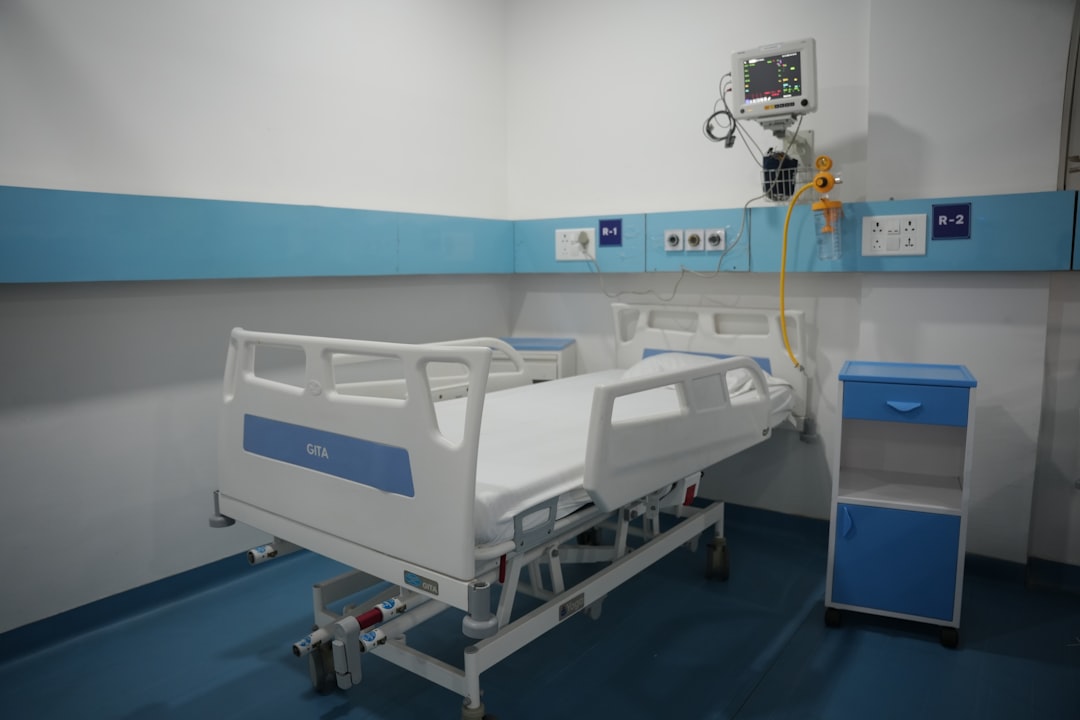
Healthcare workflows are time-sensitive. Intensive care units, emergency departments, and operating rooms cannot tolerate frequent technology failures. A workstation that freezes during medication administration or a computer that fails during imaging review can create delays at critical moments.
Dedicated medical computers are typically engineered for predictable uptime. They may include rugged components, thermal management systems, industrial-grade storage, and power protection features. Some are designed for continuous operation, supporting around-the-clock clinical teams.
This reliability influences more than technical performance. It affects clinician confidence. When medical staff trust their tools, they can focus more fully on patient care. When they distrust technology, they may create workarounds, duplicate documentation, or avoid digital systems altogether. Such behaviors can introduce new risks and reduce the value of digital transformation.
Supporting Infection Control
Infection prevention remains a major priority in healthcare settings. Shared devices can become contamination points if they are difficult to clean or designed with vents, seams, and porous materials that trap pathogens. Dedicated medical computing addresses this issue through design choices that support regular disinfection.
Many medical-grade systems use smooth surfaces, sealed housings, waterproof touchscreens, and chemical-resistant materials. These features allow staff to clean devices frequently without damaging them. Fanless designs can also reduce the circulation of dust and airborne particles.
Infection control is not separate from computing strategy. As devices become more common at the bedside, in examination rooms, and on mobile carts, their physical design becomes part of the broader patient safety program.
Interoperability and Clinical Workflow Efficiency
Modern care depends on systems speaking to one another. Electronic health records must connect with laboratory systems, imaging platforms, pharmacy tools, billing software, and patient monitoring devices. When technology is fragmented, clinicians may waste time switching platforms, copying data manually, or verifying information across disconnected systems.
Dedicated medical computing can improve interoperability by providing stable platforms for clinical applications and connected devices. These systems can be configured to support barcode scanners, smart card readers, RFID tools, medical sensors, imaging peripherals, and secure authentication technologies.
Better interoperability supports more efficient workflows. For example, a nurse using a medical workstation on wheels can scan a patient wristband, verify medications, document administration, and update the record in real time. A radiologist can review high-resolution images on a system optimized for diagnostic performance. A surgeon can access patient data in the operating room through a device designed for sterile and space-constrained environments.
The Role of Dedicated Computing in Telehealth and Remote Care
Telehealth has expanded the walls of the healthcare system. Remote consultations, virtual monitoring, home health services, and digital follow-ups now involve data moving across broader networks. As care becomes more distributed, the need for secure and reliable computing grows.
Dedicated medical computing supports telehealth by enabling secure video communication, reliable data capture, identity verification, and integration with patient records. In remote patient monitoring, dedicated gateways and edge computing devices can collect data from wearable sensors or home-based medical equipment before transmitting it to clinical teams.
This approach is especially important for chronic disease management, elder care, rural health, and post-discharge monitoring. Secure computing helps clinicians observe trends, detect deterioration earlier, and intervene before a patient requires emergency care.
Financial Strategy and Long-Term Value
Dedicated medical computing may require greater initial investment than general-purpose devices, but its long-term value can be significant. Healthcare leaders must consider total cost of ownership rather than purchase price alone.
Medical-grade systems can reduce expenses associated with downtime, premature replacement, compliance failures, security incidents, and workflow inefficiencies. Their longer life cycles can also simplify procurement and reduce the burden on IT teams. Standardized platforms make it easier to train staff, deploy updates, manage spare parts, and maintain support contracts.
In addition, a serious data breach or ransomware incident can be far more expensive than preventive investment. Costs may include legal fees, regulatory penalties, system recovery, patient notification, reputational damage, and lost revenue during service disruption. From this perspective, dedicated medical computing functions as a form of operational risk management.
Clinical Trust and Human-Centered Design
Technology succeeds in healthcare only when it fits the realities of care delivery. Clinicians work under pressure, often while moving between patients, collaborating with colleagues, and responding to urgent changes. Dedicated medical computing should therefore be designed around human needs, not just technical specifications.
Important design factors include screen readability, glove-compatible touchscreens, ergonomic mounting, quiet operation, quick login capabilities, and reliable wireless performance. Devices should reduce friction rather than add complexity.

When medical computing is thoughtfully deployed, it can support safer decision-making and more coordinated care. It can place critical information where clinicians need it, when they need it. It can also reduce documentation delays and improve communication among care teams.
Building a Strategic Roadmap
Healthcare organizations benefit from treating medical computing as a strategic program rather than a collection of device purchases. A strong roadmap should involve clinical leadership, IT, cybersecurity teams, biomedical engineering, compliance officers, infection prevention specialists, and finance leaders.
Key planning questions may include:
- Which clinical workflows depend most heavily on digital systems?
- Which areas face the highest patient safety or downtime risks?
- How are devices secured, monitored, patched, and retired?
- Do current systems meet cleaning, safety, and compliance requirements?
- How well do computing platforms support interoperability?
- What standards should guide procurement and lifecycle management?
By answering these questions, healthcare organizations can align technology investment with clinical priorities. The goal is not to buy more devices, but to create a safer, more resilient digital foundation for care.
Conclusion
The strategic importance of dedicated medical computing lies in its ability to protect the essential functions of healthcare. It safeguards sensitive data, supports clinical uptime, strengthens compliance, improves workflow efficiency, and contributes to infection control. Most importantly, it helps ensure that technology serves the patient rather than placing additional strain on care teams.
As healthcare becomes more connected, the risks of using unsuitable computing platforms will continue to grow. Dedicated medical computing offers a deliberate path forward, one that recognizes the unique demands of clinical environments. For hospitals and healthcare networks seeking resilience, security, and trust, it is not merely a technical asset. It is part of the infrastructure that keeps the pulse of modern medicine steady.
FAQ
What is dedicated medical computing?
Dedicated medical computing refers to computers, tablets, terminals, servers, and embedded systems designed specifically for healthcare environments. These systems often include medical-grade safety, enhanced security, infection-control features, and compatibility with clinical workflows.
Why are standard office computers not always suitable for healthcare?
Standard computers may lack the electrical safety, cleanability, durability, cybersecurity controls, and regulatory support needed in patient care areas. In high-risk clinical settings, these limitations can affect safety, compliance, and uptime.
How does dedicated medical computing improve cybersecurity?
It supports stronger access controls, encryption, secure configurations, device monitoring, patch management, and network segmentation. These features help protect patient data and reduce the risk of operational disruption from cyberattacks.
Does medical-grade computing help with infection control?
Yes. Many medical-grade devices are designed with sealed housings, antimicrobial materials, fanless operation, and chemical-resistant surfaces. These features make them easier to disinfect in clinical environments.
Is dedicated medical computing worth the investment?
For many healthcare organizations, it is worth the investment because it can reduce downtime, improve compliance, strengthen security, extend device life cycles, and support safer care delivery. Its value is best measured through total cost of ownership and risk reduction.
Who should be involved in selecting medical computing systems?
Selection should involve IT leaders, clinicians, cybersecurity teams, biomedical engineers, compliance officers, infection prevention specialists, and finance stakeholders. This multidisciplinary approach helps ensure that systems meet technical, clinical, and regulatory needs.