
Competitors can feel like ninjas in the dark. They move fast. They launch ads. They rank on Google. They post content. Then you wonder, “Wait, how did they do that?” Good news. In 2026, you do not need a crystal ball. You need the right competitor spy tool. These tools help you study public data, spot smart moves, and make better choices.
TLDR: The three best competitor spy tools in 2026 are Semrush, Similarweb, and SpyFu. Semrush is the best all around tool for SEO, ads, and content research. Similarweb is great for traffic and market trends. SpyFu is simple, fun, and very useful for spying on Google ads and keywords.
First, What Is a Competitor Spy Tool?
A competitor spy tool is not about hacking. It is not about stealing secrets. It is not about wearing black sunglasses indoors. Though that would be dramatic.
These tools use public and estimated data. They help you see what your competitors are doing online. You can study their SEO. You can check their paid ads. You can find their top pages. You can see where their traffic may come from.
Think of it like watching a football game from the stands. You are not in the team locker room. You are just paying attention.
In 2026, this is more important than ever. Search is changing. AI answers are growing. Ads are more expensive. Content is everywhere. So guessing is risky. Data is safer.

What Makes a Great Spy Tool in 2026?
Not every tool is worth your money. Some look shiny but feel confusing. Some show too much data. Some show data that is not useful.
A great tool should be:
- Easy to use, even if you are not a data wizard.
- Accurate enough to guide smart decisions.
- Useful for SEO, paid ads, content, and traffic research.
- Fast, because nobody wants to wait forever.
- Clear, with reports you can understand.
- Actionable, so you know what to do next.
Now let us meet the three big players.
1. Semrush: The All In One Detective Kit
Semrush is like a Swiss Army knife for digital marketing. It has a lot of tools. Some are for SEO. Some are for ads. Some are for content. Some are for social media. It can feel huge at first. But once you learn the basics, it becomes very powerful.
If you want one tool to study competitors from many angles, Semrush is hard to beat.
What You Can Spy On With Semrush
- Competitor keywords: See what keywords they rank for.
- Top pages: Find pages that bring them traffic.
- Backlinks: See who links to them.
- Paid ads: Check their Google ad keywords and ad copy.
- Content gaps: Find topics they cover, but you do not.
- Domain comparisons: Compare your site against theirs.
This is great if you run a blog, online store, agency, or SaaS business. You can find what is working for others. Then you can build your own better version.
Let us say your competitor ranks for “best standing desk for small rooms.” Semrush can show you that. It may also show related keywords. Then you can create a better guide. Add real photos. Add simple tips. Add comparison charts. Boom. You have a plan.
Why Semrush Is Great in 2026
Search is not simple anymore. Google has AI summaries. People search on TikTok. Buyers compare brands across many places. Semrush helps because it gives a wide view. You are not only looking at one thing.
It also has strong tools for keyword intent. This matters a lot. Some people want to buy. Some want to learn. Some are just bored at lunch. You need to know the difference.
Best For
- SEO teams
- Content marketers
- Agencies
- Businesses that want one main marketing tool
Small Downside
Semrush can feel busy. There are many buttons. Many charts. Many reports. If you are brand new, start small. Use it to check competitor keywords first. Then explore more later.
Fun rating: 8 out of 10. It feels like opening a spy suitcase full of gadgets.
2. Similarweb: The Traffic Telescope
Similarweb is great when you want to understand website traffic. It helps you answer big questions. How popular is this site? Where does its traffic come from? Which channels are working? Is the brand growing or shrinking?
It is less about tiny SEO details. It is more about the big picture. That makes it very useful for strategy.
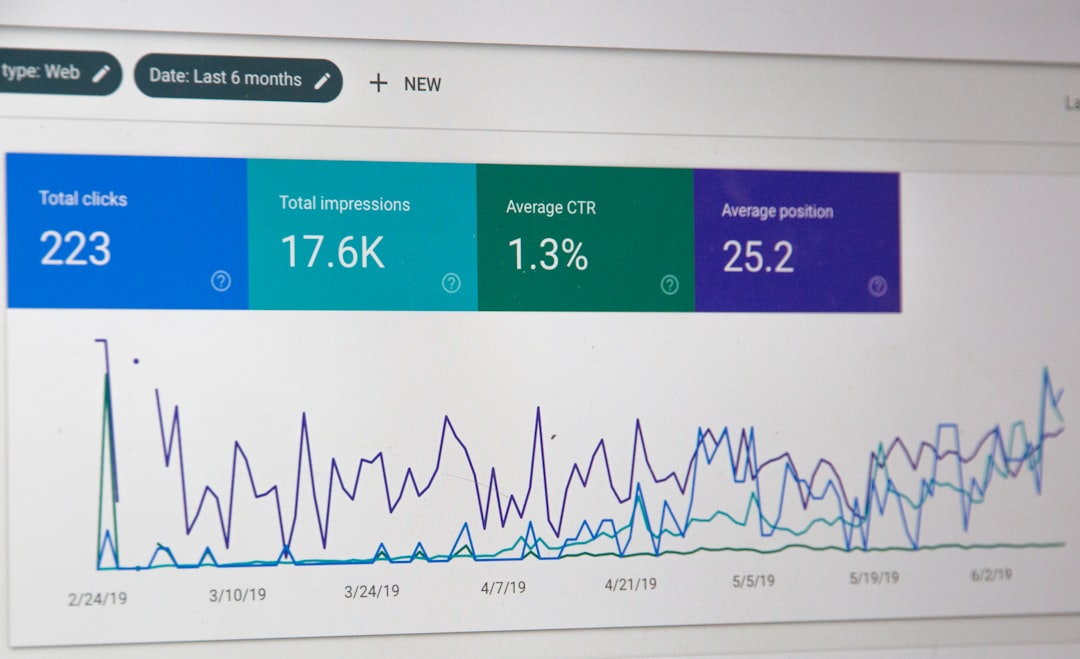
What You Can Spy On With Similarweb
- Total traffic estimates: See how much traffic a site may get.
- Traffic sources: Search, social, direct, referral, email, and ads.
- Top referring sites: Find sites that send them visitors.
- Audience interests: Learn what their audience likes.
- Market trends: See how a whole industry is moving.
- Competitor comparisons: Compare several sites at once.
This tool is helpful if you want to know where your market is going. It is also helpful if you are planning partnerships. For example, maybe a competitor gets lots of referral traffic from a niche blog. That blog might be worth contacting.
Similarweb is also good for checking channel mix. If a competitor gets most traffic from social media, that tells you something. If another gets most traffic from search, that tells you something else. You can see which battlefield is most active.
Why Similarweb Is Great in 2026
In 2026, brands cannot depend on one channel. SEO can change overnight. Ad costs can jump. Social platforms can shift their rules. Similarweb helps you see the whole traffic map.
It is especially useful for leaders and planners. You can look at a market and say, “Ah, this category is growing.” Or, “This competitor is losing traffic.” That is powerful.
Best For
- Market researchers
- Founders
- Growth teams
- Investors
- Brands studying large competitors
Small Downside
Similarweb gives estimates. These are not perfect numbers. Treat them like a weather forecast. Useful, but not magic. If it says a competitor gets 500,000 visits, do not assume it is exact. Use it to spot patterns.
Fun rating: 7.5 out of 10. It feels like looking at the internet from a helicopter.
3. SpyFu: The Keyword Sneak Peek Machine
SpyFu has the best name for this topic. It sounds like a cartoon spy school. But it is a real tool, and it is very useful.
SpyFu focuses heavily on search marketing. It helps you see competitor keywords, Google ads, and ranking history. It is simpler than Semrush in many ways. That can be a good thing.
What You Can Spy On With SpyFu
- Paid keywords: See keywords competitors may bid on.
- Organic keywords: See keywords they rank for.
- Ad history: View old ad copy and patterns.
- Ranking history: See how rankings changed over time.
- Competitor lists: Find other sites competing with you.
- Keyword groups: Organize ideas for campaigns.
SpyFu is great for pay per click research. If a competitor has run ads on the same keyword for months, that keyword may be valuable. Bad ads usually do not survive forever. Good ads keep running.
This can save you money. Instead of guessing keywords, you can study what others already tested. Of course, you should still test for yourself. Your offer may be different. Your landing page may be better. Or worse. Be honest.
Why SpyFu Is Great in 2026
Ad costs are still painful in 2026. Every click can feel like buying a tiny golden sandwich. SpyFu helps reduce waste. You can see keyword ideas before spending money.
It also has a friendly feel. You do not need to be an analytics genius. Type a domain. See the data. Start digging.

Best For
- Small businesses
- PPC beginners
- SEO freelancers
- Teams focused on Google search
- Marketers who want simple reports
Small Downside
SpyFu is not as broad as Semrush. It is not as strong for market traffic as Similarweb. But for keyword and ad spying, it is fast and practical.
Fun rating: 9 out of 10. The name alone deserves applause.
Quick Comparison
| Tool | Best Strength | Best User |
|---|---|---|
| Semrush | SEO, ads, content, backlinks | Teams that want one powerful platform |
| Similarweb | Traffic and market research | Strategists and growth teams |
| SpyFu | Google ads and keyword spying | Small businesses and PPC marketers |
How To Use These Tools Without Getting Lost
Competitor research can become a rabbit hole. One minute you are checking keywords. The next minute it is 2 a.m. and you are studying a rival’s blog post from 2019. Not ideal.
Use a simple process:
- Pick three competitors. Do not study twenty at once.
- Find their top traffic pages. Look for patterns.
- Check their best keywords. Save the useful ones.
- Study their ads. Notice repeated messages.
- Look for gaps. What are they missing?
- Make one clear action plan. Then do it.
The final step matters most. Data is not the prize. Action is the prize. A report does not grow your business by sitting in a folder named “Important Stuff.”
Which Tool Should You Pick?
Choose Semrush if you want the best all around tool. It is the safest pick for most serious marketers.
Choose Similarweb if you care about traffic trends, market share, and channel strategy. It is great for seeing the big picture.
Choose SpyFu if you want a simple way to research Google keywords and ads. It is also nice if you are watching your budget.
If you can use two tools, pair Semrush with Similarweb. That gives you detailed search data and broad traffic insights. If ads are your main focus, pair SpyFu with your ad platform data.
Final Thoughts
Competitor spy tools are not magic wands. They will not write your strategy for you. They will not fix a boring offer. They will not make bad content sparkle like a disco ball.
But they will help you see more clearly. They show clues. They reveal patterns. They help you avoid blind guessing.
In 2026, the best marketers are not just creative. They are curious. They test. They watch. They learn. Then they move.
So pick your tool. Put on your imaginary spy hat. Study the clues. Then build something better than your competitors expected.