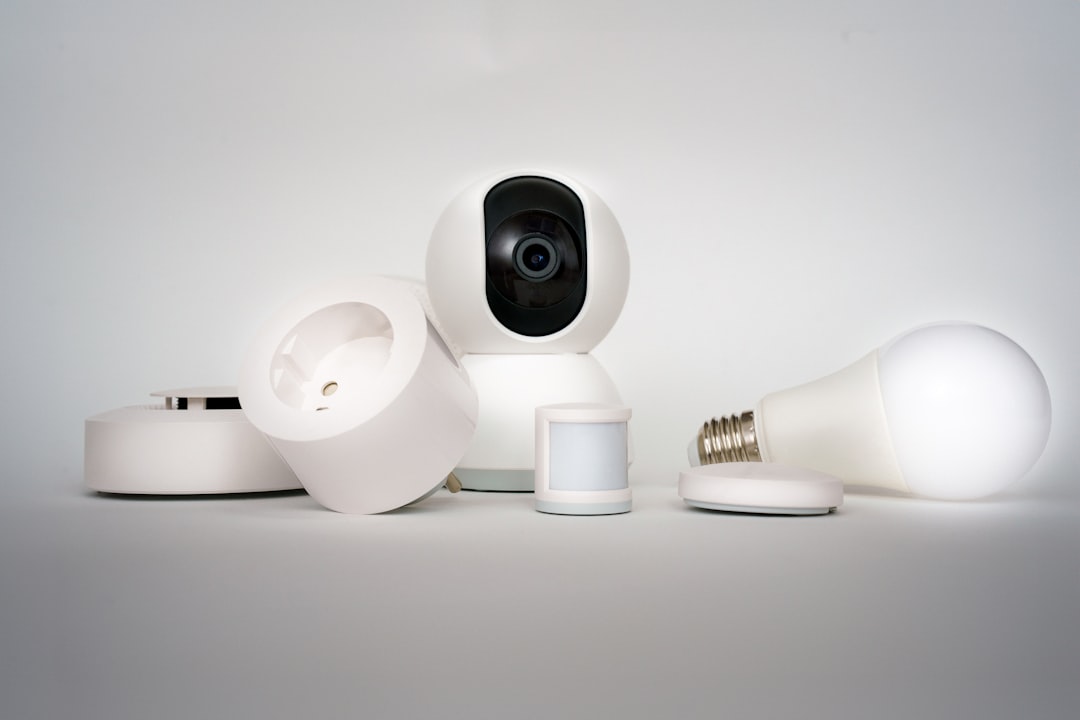
Industrial and commercial organizations are under increasing pressure to know where assets are, how they are being used, and whether operating conditions remain within acceptable limits. Minew smart tracking devices address this need through Bluetooth, RFID, sensor, and IoT technologies designed to improve visibility, reduce waste, and support data-driven operations across warehouses, factories, hospitals, logistics networks, retail environments, and corporate facilities.
TLDR: Minew smart tracking devices help organizations monitor assets, people, equipment, and environmental conditions with greater accuracy and efficiency. Their IoT-based solutions support use cases such as indoor positioning, asset tracking, cold chain monitoring, personnel safety, and workflow optimization. For industrial and commercial users, these devices can reduce operational blind spots, improve accountability, and provide reliable data for better decision-making.
Why Smart Tracking Matters in Modern Operations
For many businesses, physical assets represent a substantial investment. Tools, containers, medical equipment, vehicles, inventory, pallets, and high-value machinery must be available at the right place and at the right time. When these assets are misplaced, underused, or poorly monitored, organizations face delays, unnecessary purchases, compliance risks, and avoidable labor costs.
Traditional manual tracking methods, such as spreadsheets, paper logs, and periodic audits, are no longer sufficient for complex environments. They are time-consuming, error-prone, and unable to provide real-time visibility. Smart tracking devices bridge this gap by continuously collecting location and status data, then transmitting it to centralized platforms for monitoring, analysis, and action.
Minew’s tracking technology is particularly relevant for organizations seeking scalable, practical, and adaptable IoT infrastructure. Instead of relying on a single tracking method, Minew solutions can be integrated into broader ecosystems that include Bluetooth Low Energy beacons, gateways, sensors, tags, and cloud-based management platforms.
Core Technologies Behind Minew Tracking Devices
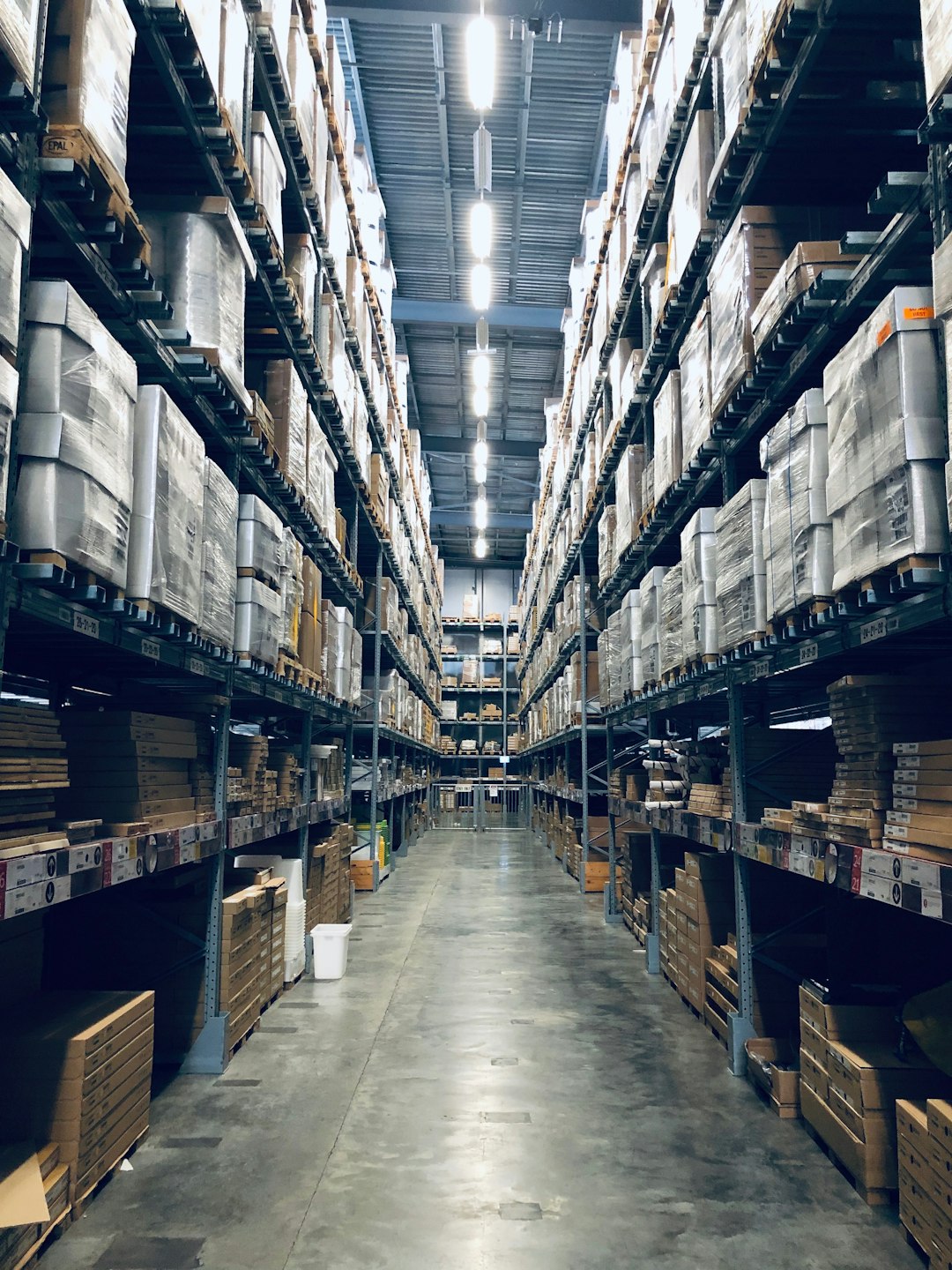
Minew smart tracking devices are typically associated with several important IoT technologies. Each technology serves a different operational need, and the right combination depends on the environment, required accuracy, battery life, cost considerations, and integration requirements.
- Bluetooth Low Energy: BLE is widely used for proximity detection, indoor positioning, and asset tracking. It offers low power consumption, making it suitable for battery-powered tags and beacons.
- RFID and NFC: These technologies support identification, access control, inventory verification, and short-range interactions between devices and readers.
- Sensor monitoring: Temperature, humidity, motion, vibration, light, and other sensor data can be collected to monitor environmental conditions or asset behavior.
- IoT gateways: Gateways collect signals from tracking devices and forward data to cloud or local systems, enabling real-time monitoring and analytics.
- Cloud integration: Centralized dashboards and APIs allow organizations to manage devices, analyze data, and connect tracking information to enterprise systems.
This combination of technologies gives Minew devices flexibility across different operating conditions. A logistics company may prioritize long battery life and environmental sensing, while a hospital may focus on locating equipment quickly across multiple floors. A factory may need motion detection, zone-based alerts, and integration with maintenance systems.
Industrial Applications: Visibility, Safety, and Efficiency
Industrial settings are often difficult environments for tracking. Factories, construction sites, energy facilities, and warehouses contain large areas, metal structures, moving equipment, and constantly changing workflows. In these environments, smart tracking must be robust, consistent, and easy to manage at scale.
Asset tracking is one of the most practical uses. Tags attached to tools, machines, containers, forklifts, or parts can help teams locate items quickly and reduce time spent searching. This becomes especially valuable when assets are shared between departments or moved between production zones.
Work-in-progress monitoring is another important use case. Manufacturers can use tracking devices to understand where materials or semi-finished products are in the production process. This improves scheduling, reduces bottlenecks, and supports lean manufacturing practices.
Personnel safety can also be enhanced through wearable tracking devices. In high-risk industrial areas, companies may use smart badges or tags to detect worker presence in restricted zones, support emergency evacuation procedures, or monitor lone-worker situations. While technology should never replace safety training and procedures, it can provide additional data and faster response capabilities.
Environmental monitoring is equally important. Temperature-sensitive materials, chemicals, pharmaceuticals, and food products require controlled conditions. Minew sensor-based devices can help monitor temperature and humidity, supporting quality control and compliance efforts.
Commercial Use Cases: Smarter Facilities and Customer-Focused Operations
Commercial organizations also benefit from smart tracking. Offices, retail spaces, hotels, healthcare facilities, and educational institutions all manage assets, people movement, visitor experiences, and operational resources. IoT tracking can help improve these activities in a structured and measurable way.
In healthcare, for example, tracking devices can be attached to wheelchairs, infusion pumps, beds, diagnostic equipment, and emergency carts. Staff can spend less time searching for equipment and more time supporting patients. In high-pressure medical environments, visibility can contribute directly to operational reliability.
In retail, smart devices can help monitor inventory movement, customer flow, and the location of portable equipment. With appropriate privacy controls, location-based insights can support better store layouts, staffing decisions, and service efficiency.
In corporate offices, tracking solutions may support space utilization analysis, meeting room management, access control, and equipment management. As hybrid work becomes more common, companies need accurate data to understand how office spaces are used and how resources should be allocated.
Cold Chain and Logistics Monitoring
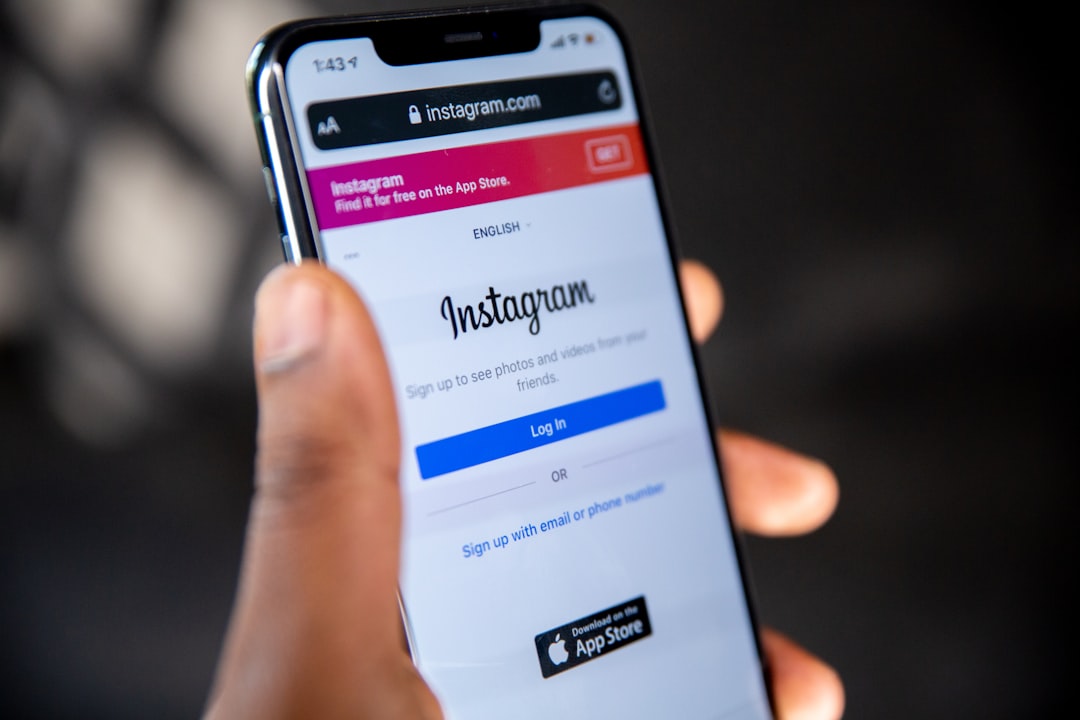
Cold chain logistics is one of the clearest examples of where tracking and sensing must work together. Food, vaccines, biologics, chemicals, and other temperature-sensitive goods can lose value or become unsafe if exposed to unsuitable conditions. In these cases, knowing where a shipment is located is not enough; organizations must also know what conditions it experienced throughout the journey.
Minew smart tracking devices with environmental sensing can support temperature and humidity monitoring across warehouses, containers, vehicles, and delivery routes. Alerts can be configured when conditions move outside acceptable ranges, allowing teams to take corrective action before losses occur.
For logistics operators, this data is also valuable for accountability. It can help verify handling quality, support audits, and identify weak points in transportation networks. Over time, collected tracking data can reveal patterns that improve route planning, vendor assessment, and packaging decisions.
Benefits for Decision-Makers
For executives and operations leaders, the value of smart tracking is not limited to finding assets faster. A well-designed IoT tracking system can create a measurable operational advantage. The collected data supports better decisions across procurement, maintenance, labor allocation, compliance, and risk management.
- Reduced asset loss: Real-time or near-real-time visibility helps prevent misplacement, theft, and unnecessary replacement purchases.
- Improved utilization: Data shows whether equipment is actively used, idle, or concentrated in the wrong location.
- Faster response times: Staff can locate tools, equipment, or tagged individuals more quickly during routine work or emergencies.
- Better compliance support: Sensor records can help document environmental conditions and handling procedures.
- Operational transparency: Managers gain a clearer view of workflows, asset movement, and process delays.
- Scalable infrastructure: IoT deployments can start with a focused use case and expand across departments or sites.
These benefits are most meaningful when tracking data is integrated into existing business processes. A tracking device alone does not create transformation; value comes from connecting device data to decisions, alerts, workflows, and accountability structures.
Integration and Deployment Considerations
Before deploying Minew smart tracking devices, organizations should define clear objectives. The most successful projects begin with specific questions: Which assets are most frequently lost? Which workflows create delays? Which environmental conditions must be monitored? Which teams need access to real-time data?
Technical planning is also essential. BLE-based systems, for example, may require gateways or receivers positioned throughout a facility. The density and placement of infrastructure will influence accuracy and reliability. Battery life, device enclosure rating, mounting method, and sensor type should be matched to the environment.
Integration is another key factor. Many organizations need tracking data to connect with warehouse management systems, enterprise resource planning platforms, maintenance systems, or security tools. APIs and compatible software platforms can help ensure tracking data becomes part of daily operational workflows rather than an isolated dashboard.
Security and privacy should be treated seriously from the start. Organizations should define who can access location data, how long data is retained, and how tracking is communicated to employees, visitors, or customers when relevant. Responsible IoT deployment depends on transparency, governance, and appropriate technical safeguards.
Reliability in Demanding Environments
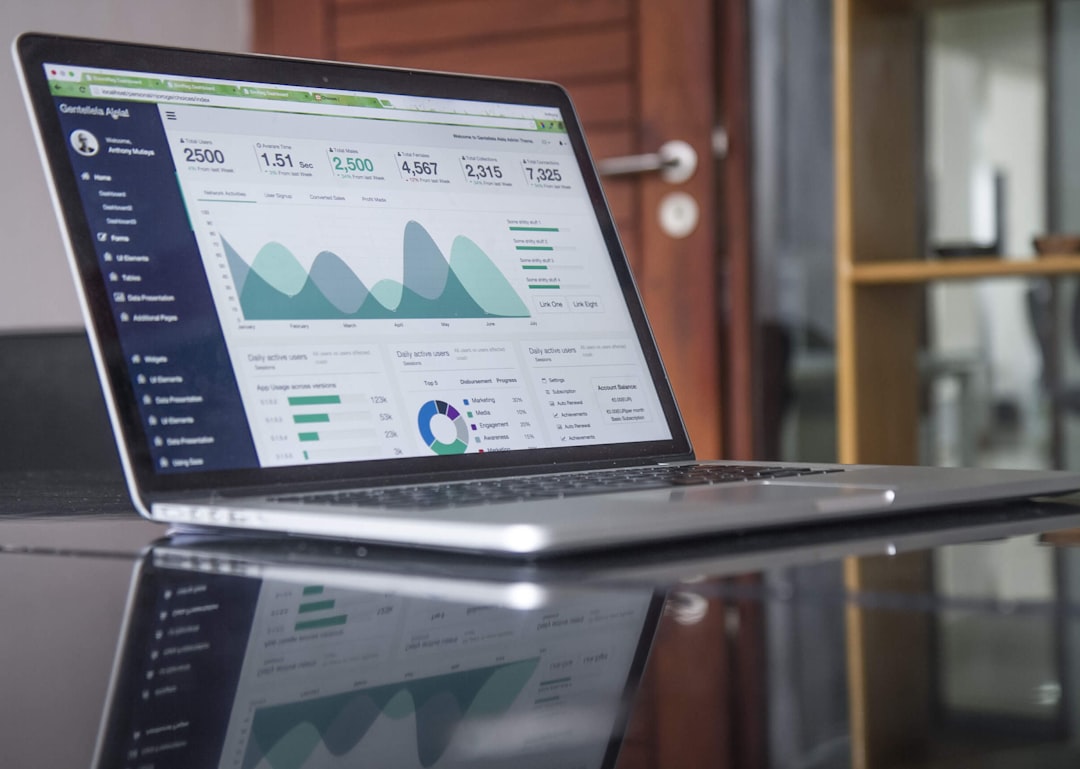
Industrial and commercial users require technology that performs consistently. Devices may be exposed to vibration, dust, temperature changes, moisture, cleaning procedures, or frequent handling. For this reason, businesses should evaluate device specifications carefully, including durability, battery performance, signal range, and enclosure design.
Minew’s broad device categories make it possible to select hardware suited to different operational conditions. Compact tags may be useful for smaller assets, while more rugged devices may be appropriate for warehouses, outdoor areas, or industrial equipment. Wearable badges may support personnel-related applications, while sensor devices may focus on environmental monitoring.
Reliability also depends on system design. Even high-quality devices require proper installation, network planning, maintenance routines, and periodic review. Battery replacement schedules, firmware updates, device inventory management, and signal testing should be included in the deployment plan.
Building a Practical Business Case
For many organizations, the best approach is to begin with a pilot project. A pilot allows teams to test performance, validate assumptions, and measure return on investment before scaling. For example, a warehouse might begin by tracking high-value tools or reusable transport containers. A hospital might start with mobile medical equipment in one department. A logistics provider might monitor temperature-sensitive shipments on selected routes.
Important pilot metrics may include time saved locating assets, reduction in lost items, fewer temperature excursions, improved equipment availability, lower manual audit effort, or faster incident response. These measurements help decision-makers understand whether the solution should be expanded and how it should be optimized.
A strong business case should include both direct and indirect benefits. Direct savings may come from reduced losses and improved labor efficiency. Indirect benefits may include better customer service, stronger compliance evidence, improved staff satisfaction, and more accurate planning.
The Future of IoT Tracking
The market for smart tracking devices will continue to evolve as organizations demand more precise, automated, and intelligent systems. Future deployments are likely to combine location data with artificial intelligence, predictive analytics, digital twins, and automated workflow triggers. Instead of simply showing where an asset is, systems will increasingly recommend what action should be taken next.
Minew smart tracking devices fit into this broader trend by providing the foundational data layer for connected operations. When assets, people, equipment, and environments become measurable, organizations can manage them with greater confidence. This is especially important in industries where delays, errors, and missing information carry meaningful financial or safety consequences.
Conclusion
Minew smart tracking devices offer practical IoT solutions for organizations that need better control over assets, environments, and workflows. Their use in industrial and commercial settings can support asset visibility, condition monitoring, personnel safety, process improvement, and operational accountability.
For businesses considering smart tracking, the most important step is to align technology with clear operational goals. By selecting appropriate devices, planning infrastructure carefully, integrating data into existing systems, and maintaining responsible governance, organizations can turn tracking data into a reliable source of business intelligence. In a competitive and increasingly connected world, that visibility is no longer a luxury; it is becoming a core requirement for efficient and resilient operations.