
A timing advance processor is a control device used in internal combustion engines to adjust ignition timing so the spark occurs at the most suitable moment for power, efficiency, and smooth operation. It is most often discussed in automotive performance, LPG/CNG conversions, motorcycle tuning, and older ignition systems where electronic control can improve how the engine responds under different conditions.
TLDR: A timing advance processor changes when the spark plug fires, usually by advancing ignition timing under certain operating conditions. It helps the engine burn fuel more efficiently, especially when using fuels such as LPG or CNG that burn differently from gasoline. When correctly selected and installed, it can improve throttle response, drivability, and fuel economy, but incorrect settings can cause knocking, overheating, or engine damage.
What Is a Timing Advance Processor?
A timing advance processor, sometimes called a timing advance controller or ignition timing processor, is an electronic module that modifies the ignition signal sent to the engine’s ignition system or engine control unit. Its purpose is to alter the moment when the spark plug fires in relation to the piston’s position inside the cylinder.
In a four-stroke engine, the spark must occur slightly before the piston reaches top dead center on the compression stroke. This early firing is known as ignition advance. The reason is simple: the air-fuel mixture does not explode instantly. It takes a brief amount of time to burn and create pressure. If the spark happens at exactly top dead center, peak combustion pressure may arrive too late, wasting energy and reducing performance.
A timing advance processor helps optimize this process. It can advance or, in some systems, retard the spark depending on engine speed, load, fuel type, and pre-programmed settings. In many aftermarket applications, it is added to vehicles converted to LPG or CNG because gaseous fuels often require different ignition timing than petrol.

Why Ignition Timing Matters
Ignition timing has a direct effect on how an engine performs. If timing is too retarded, meaning the spark occurs too late, combustion pressure peaks after the piston has already begun moving downward. This may cause sluggish acceleration, higher exhaust temperatures, poor fuel economy, and reduced torque.
If timing is too advanced, the air-fuel mixture burns too early. Pressure builds while the piston is still moving upward, which can lead to engine knock, pinging, hard starting, overheating, or even serious mechanical damage. Therefore, the goal is not simply to advance timing as much as possible. The goal is to find the correct timing point for the engine, fuel, and operating conditions.
Modern vehicles usually manage ignition timing through the engine control unit, using sensors such as the crankshaft position sensor, camshaft position sensor, knock sensor, throttle position sensor, and manifold pressure sensor. However, some vehicles benefit from an added timing advance processor when the factory system cannot fully compensate for a fuel change or modified setup.
How a Timing Advance Processor Works
A timing advance processor works by reading ignition-related signals and altering them before they reach the ignition system or ECU. The exact method depends on the type of engine and the design of the processor.
In many systems, the processor connects to the crankshaft position sensor or ignition trigger signal. The crankshaft sensor tells the ECU where the crankshaft is in its rotation. By slightly changing this signal, the processor can make the ECU or ignition module believe the crankshaft is at a different position than it actually is. As a result, the spark is fired earlier or later.
Some processors are adjustable with switches, software, or preset maps. For example, a device may allow the installer to choose 6, 9, 12, or 15 degrees of advance. More advanced processors can vary timing according to engine RPM, allowing more advance at low and mid-range speeds and less at high loads where knock risk is greater.
Basic Process
- Signal detection: The processor reads crankshaft, camshaft, or ignition pulse signals.
- Signal modification: It advances or changes the timing signal according to its settings.
- Ignition adjustment: The ignition system fires the spark plug at the modified timing point.
- Engine response: Combustion occurs closer to the ideal pressure point, improving performance when correctly tuned.
Timing Advance Processor in LPG and CNG Vehicles
One of the most common uses for a timing advance processor is in vehicles converted from gasoline to LPG or CNG. These fuels have different combustion characteristics. They often burn more slowly than gasoline and may need the spark to occur earlier to achieve efficient combustion.
Without timing correction, a converted vehicle may run acceptably but feel weak, especially during acceleration. The exhaust may become hotter because combustion continues later into the power and exhaust strokes. A properly configured timing advance processor can help correct this by starting combustion earlier.
However, LPG and CNG setups vary widely. Compression ratio, engine design, fuel quality, and ECU behavior all matter. For this reason, timing changes should be made carefully. A processor that works well on one vehicle may not be ideal for another.
Image not found in postmetaMain Types of Timing Advance Processors
Timing advance processors are available in several forms. Although their purpose is similar, their design and compatibility can differ.
1. Fixed Advance Processors
A fixed advance processor applies a set amount of timing advance whenever it is active. It may add, for example, 6 or 10 degrees of advance. These units are simple and often affordable, but they are less flexible because they cannot adapt to every driving condition.
2. Adjustable Advance Processors
An adjustable unit allows the installer or tuner to select different advance values. It may use small DIP switches, a rotary dial, or digital programming. This gives more control and makes fine-tuning easier.
3. RPM-Based Processors
An RPM-based timing advance processor changes timing according to engine speed. It may provide more advance at certain RPM ranges and reduce advance at others. This is often safer and more effective than applying the same advance everywhere.
4. Fuel-Switching Processors
Some processors are designed specifically for dual-fuel vehicles. They activate when the engine runs on LPG or CNG and switch off when the vehicle returns to gasoline. This prevents excessive advance when using petrol, which could otherwise increase knock risk.
Pros of Using a Timing Advance Processor
When properly matched to the engine and fuel type, a timing advance processor can provide several benefits.
- Improved throttle response: The engine may feel more eager when the spark timing better matches the fuel’s burn rate.
- Better low-end torque: Advancing timing can help combustion pressure build sooner, improving pulling power.
- Enhanced fuel efficiency: More complete combustion may reduce fuel consumption, especially in LPG or CNG applications.
- Lower exhaust temperature: Correct timing can prevent combustion from continuing too late into the exhaust stroke.
- Smoother drivability: The engine may idle and accelerate more smoothly when timing is optimized.
- Useful for conversions: It can compensate for ignition requirements that the factory ECU may not fully address.
Possible Downsides and Risks
A timing advance processor is not automatically beneficial in every vehicle. If installed incorrectly or adjusted too aggressively, it can create problems.
- Engine knock: Excessive advance can cause detonation, which is harmful to pistons, rings, bearings, and cylinder heads.
- Hard starting: Too much advance at cranking speed can make the engine difficult to start.
- Check engine lights: Some modern ECUs may detect altered sensor signals and store fault codes.
- Poor compatibility: Not every processor works with every crank or cam sensor type.
- Warranty concerns: Modifying ignition signals may affect vehicle warranty coverage.
- Incorrect tuning: A poorly chosen advance curve can reduce performance instead of improving it.
How to Choose the Right Timing Advance Processor
Selecting the right device requires more than buying the first compatible-looking module. The vehicle’s engine type, ignition system, ECU strategy, and fuel type all matter.
The buyer should first confirm whether the processor supports the vehicle’s crankshaft and camshaft signal patterns. Some engines use inductive sensors, while others use Hall effect sensors. Signal voltage and waveform shape can also differ.
Next, the user should consider whether a fixed or programmable unit is more appropriate. A simple fixed unit may be enough for a basic LPG conversion, while a modified or high-compression engine may need a more advanced timing map.
It is also important to choose a processor from a reputable manufacturer with clear wiring diagrams and support documentation. Since ignition timing affects engine safety, poor-quality electronics can create serious drivability problems.
Installation Overview
Installation usually involves wiring the timing advance processor into the ignition signal circuit. In many cases, the installer must locate the crankshaft sensor wires, connect power and ground, and route the modified signal through the processor.
Professional installation is strongly recommended, especially on modern vehicles with complex electronics. Incorrect wiring can prevent the engine from starting or damage sensitive components. After installation, the timing should be verified with diagnostic tools, scan data, or tuning equipment.
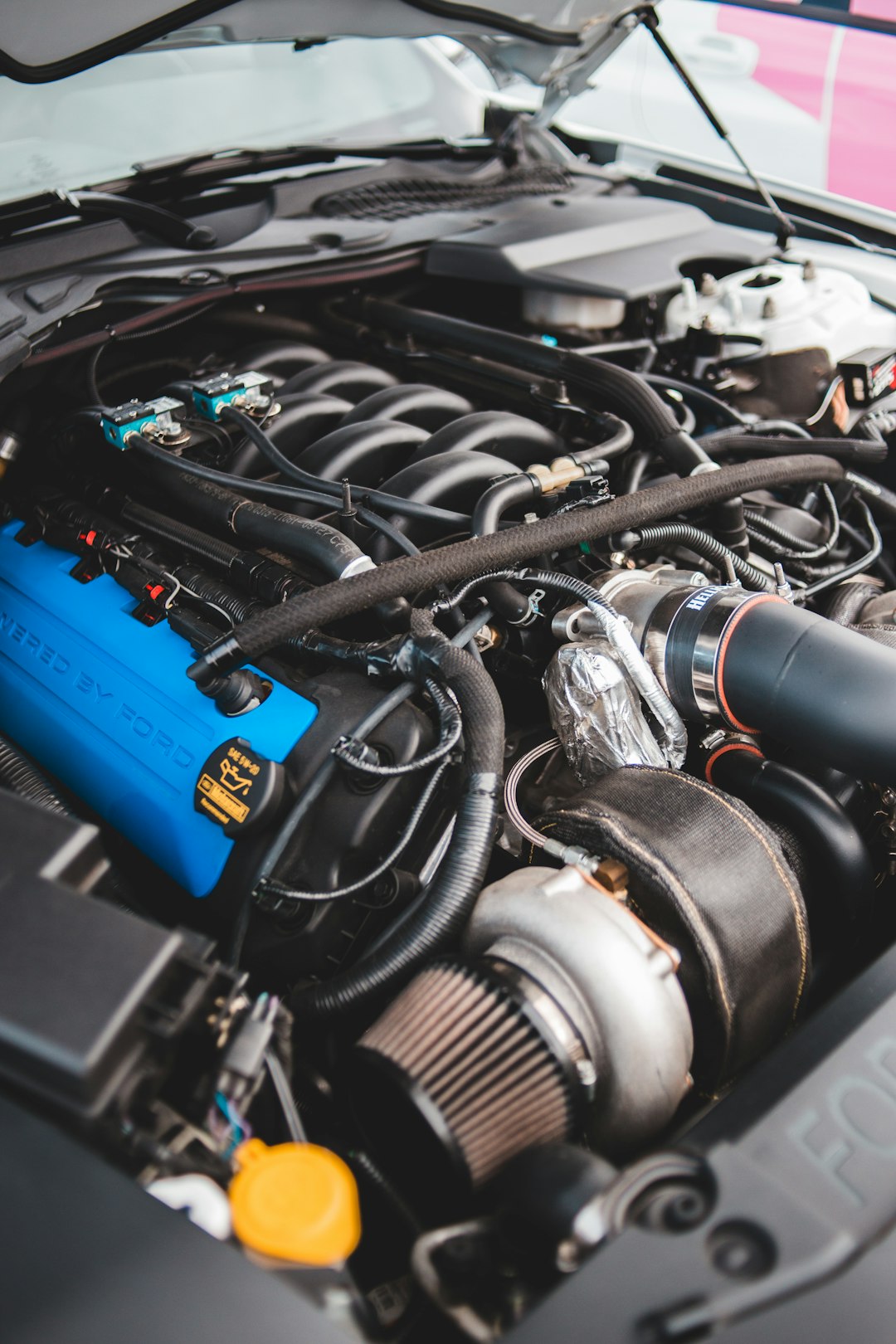
General Installation Steps
- Identify compatibility with the vehicle’s engine and sensor system.
- Disconnect the battery before working on wiring.
- Locate the crank or ignition signal wires using the correct wiring diagram.
- Connect the processor according to the manufacturer’s instructions.
- Set the initial advance value conservatively.
- Start the engine and check for stable idle, fault codes, and abnormal noises.
- Test drive carefully while listening for knock or hesitation.
- Fine-tune settings if the unit allows adjustment.
Signs the Timing Advance Processor Is Working Properly
A correctly configured processor should make the engine feel smoother and more responsive without producing knock, misfires, or warning lights. In LPG or CNG vehicles, the driver may notice improved acceleration and less need to press the accelerator deeply.
Other positive signs may include stable idle, normal engine temperature, lower exhaust heat, and consistent cold and hot starting. Fuel economy may improve, although results depend on road conditions, driving style, and the quality of the fuel conversion.
Signs of Incorrect Timing Advance
Problems may appear if the processor is not matched or tuned correctly. The most concerning symptom is a metallic pinging or rattling sound under load. This often indicates knock and should not be ignored.
Other warning signs include rough running, reduced power, backfiring, overheating, high fuel consumption, check engine lights, and hard starting. If any of these symptoms appear after installation, the advance setting should be reduced or the system should be inspected by a qualified technician.
Maintenance and Tuning Tips
A timing advance processor generally requires little physical maintenance, but the overall ignition system must be kept in good condition. Worn spark plugs, weak coils, poor grounds, or damaged sensor wiring can make timing-related problems worse.
For best results, the vehicle should be serviced regularly, and spark plugs should match the fuel type and engine requirements. LPG and CNG engines sometimes benefit from specific plug gaps or heat ranges, but changes should follow expert recommendations.
It is wise to begin with conservative advance settings and increase gradually only if the engine responds well. A tuner should avoid chasing maximum advance. The safest and most effective setting is the one that produces smooth power without knock or excessive heat.
Is a Timing Advance Processor Worth It?
A timing advance processor can be worth it for vehicles that genuinely need ignition timing correction, especially LPG and CNG conversions. It may improve drivability, efficiency, and engine response when installed and adjusted correctly.
However, it is not a universal upgrade. Many modern gasoline vehicles already have sophisticated ECU-controlled ignition timing, and adding an external device may provide little benefit or create complications. The decision should be based on the vehicle’s fuel type, engine design, existing ECU capability, and the availability of skilled installation.
In short, the value of a timing advance processor depends on proper application. It is a precision tool, not a magic performance part. Used correctly, it can help an engine operate closer to its ideal combustion point. Used carelessly, it can cause more harm than good.
FAQ
What does a timing advance processor do?
It adjusts the ignition timing signal so the spark plug fires earlier or later than it normally would. This helps match combustion timing to the engine’s operating needs and fuel type.
Why is timing advance useful for LPG or CNG engines?
LPG and CNG often burn differently from gasoline, so they may need earlier spark timing for efficient combustion. A timing advance processor can help compensate for that difference.
Can a timing advance processor increase horsepower?
It can improve torque and response if the original timing is not ideal. However, it does not guarantee large horsepower gains, and excessive advance can reduce performance or damage the engine.
Is it safe to install a timing advance processor?
It can be safe when the correct unit is professionally installed and conservatively tuned. Poor installation or overly aggressive settings can cause knock, overheating, or drivability issues.
Does every car need a timing advance processor?
No. Many modern vehicles already manage ignition timing effectively through the ECU. A processor is mainly useful when the factory system cannot provide the best timing for a modified fuel system or special application.
How many degrees of timing advance are ideal?
There is no universal number. The ideal advance depends on engine design, compression ratio, RPM, load, fuel type, and ECU behavior. A conservative starting point is usually safer than a large advance setting.
Can it cause engine knocking?
Yes. If the spark is advanced too much, combustion pressure can rise too early and cause knock. Any knocking sound after installation should be addressed immediately.
Should installation be done by a professional?
Professional installation is strongly recommended because the device interacts with critical ignition signals. Correct wiring, compatibility checks, and careful testing are essential for reliable operation.