
The 27-inch iMac once represented one of Apple’s clearest value propositions: a powerful desktop Mac paired with an excellent 5K display in a clean, all-in-one design. Even though Apple discontinued it, the model still attracts buyers on the used and refurbished market, especially photographers, designers, video editors, and home office users who want a large, sharp screen without building a separate desktop setup.
TLDR: The 27-inch iMac can still be worth buying only at the right price, especially if you need its 5K display, Intel software compatibility, or user-upgradeable RAM. However, it is no longer the safest long-term purchase because Apple has moved to Apple Silicon, and future macOS support for Intel Macs will not last indefinitely. For most buyers, a Mac mini or Mac Studio with a good external display is the better long-term investment.
Why the 27-Inch iMac Still Has Appeal
The biggest reason people still consider the 27-inch iMac is simple: the display. Apple’s 27-inch Retina 5K panel remains excellent, even years after its introduction. It offers a 5120 by 2880 resolution, strong color accuracy, wide color support, and the kind of pixel density that makes text, photos, and interface elements look exceptionally crisp.
For many users, that screen alone is a major part of the machine’s value. A comparable standalone 5K display can be expensive, and Apple’s own Studio Display is not a budget product. If you find a well-kept 27-inch iMac at a reasonable price, you are effectively buying both a capable Mac and a high-quality 5K monitor in one package.
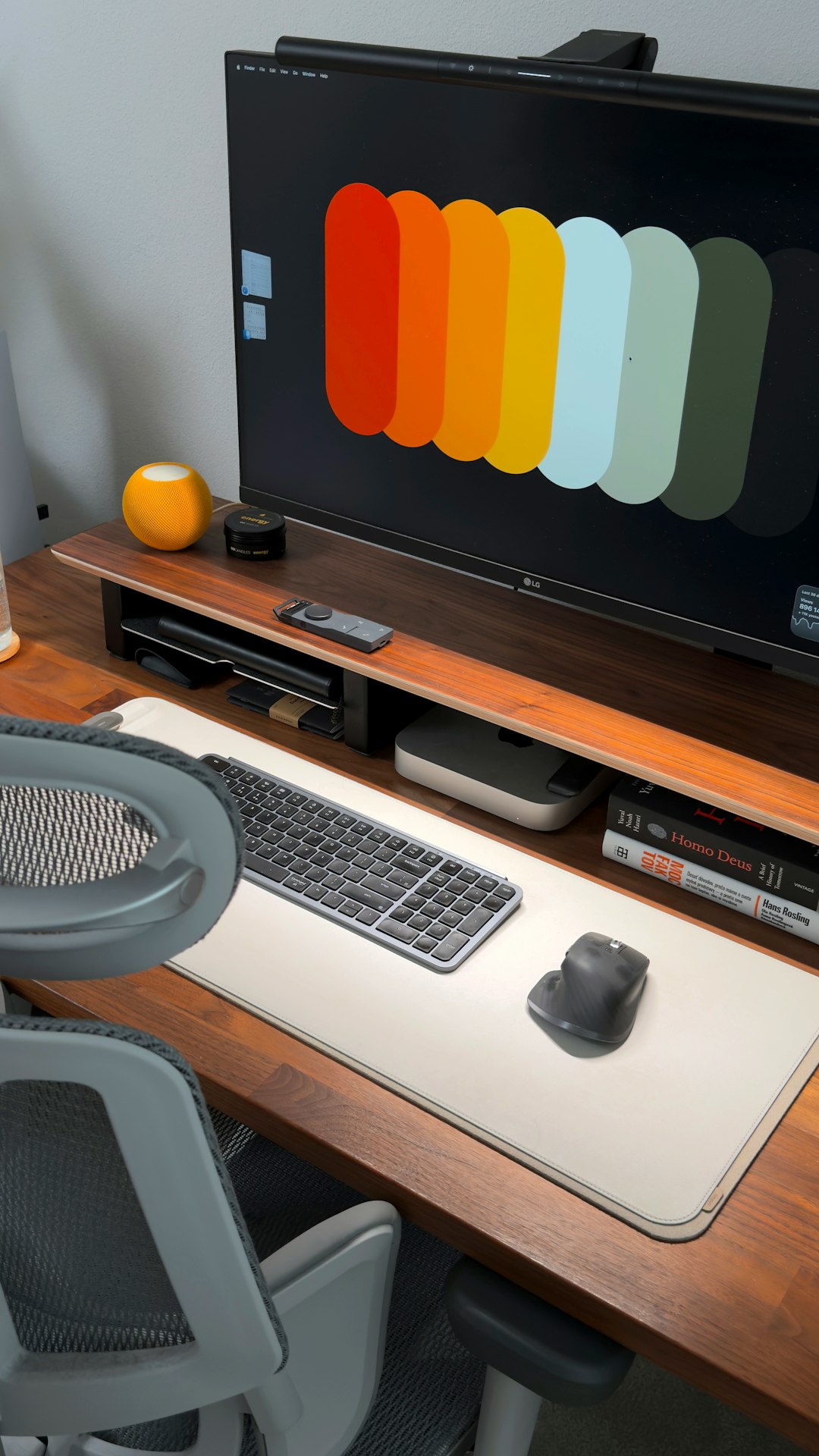
The design also remains practical. The 27-inch iMac takes up little desk space, has built-in speakers, a webcam, microphones, and a clean cable setup. For offices, studios, and homes where simplicity matters, this still feels more elegant than a desktop tower or a Mac mini surrounded by accessories.
The Performance Question
Performance depends heavily on which 27-inch iMac you are considering. The most attractive models are the later Intel versions, especially the 2019 and 2020 configurations. These can include strong Intel Core i5, i7, or i9 processors, dedicated AMD Radeon graphics, fast SSD storage, and support for up to 128GB of RAM.
For everyday work, such as web browsing, email, office tasks, video calls, and media streaming, even several older 27-inch iMac models still feel responsive if they have an SSD. For creative work, the 2019 and 2020 versions can still handle photo editing, music production, graphic design, and moderate 4K video editing reasonably well.
However, performance is no longer the full story. Apple Silicon Macs, including the Mac mini with M-series chips, are generally faster, cooler, quieter, and more energy-efficient. They also receive Apple’s strongest software optimization. A current Mac mini can outperform many Intel iMacs in CPU tasks while using far less power.
That does not make the 27-inch iMac useless, but it changes the buying logic. You should not pay a premium for one simply because it was once a high-end Mac. Its value now depends on price, condition, configuration, and how much you care about the built-in 5K display.
Software Support and Longevity
The most serious concern is long-term software support. The 27-inch iMac is an Intel Mac, and Apple has clearly shifted its future toward Apple Silicon. While Intel Macs still run modern software in many cases, their remaining support window is limited compared with newer M-series machines.
This matters if you plan to keep the computer for five or more years. A used 27-inch iMac may work well today, but it could lose access to future versions of macOS sooner than an Apple Silicon Mac. Security updates may continue for some time, but buyers should assume that the 27-inch iMac is closer to the later stages of its official support life than the beginning.
For users who need a dependable long-term machine for business, this is important. A low purchase price can be attractive, but downtime, software incompatibility, and reduced resale value can erase those savings later.
When the 27-Inch iMac Still Makes Sense
The 27-inch iMac is still worth considering in a few specific situations:
- You find a strong configuration at a low price. A 2020 model with SSD storage, a good GPU, and enough RAM can still be a productive workstation.
- You value the 5K display highly. If the screen is a major reason for purchase, the iMac becomes more compelling.
- You need Intel compatibility. Some older professional tools, plug-ins, drivers, and workflows still behave better on Intel Macs.
- You want Boot Camp. Apple Silicon Macs do not support Boot Camp for installing Windows directly in the traditional way.
- You prefer an all-in-one setup. The iMac remains one of the cleanest desktop arrangements available.
For certain studios, schools, front desks, and home offices, these points are enough. A well-priced 27-inch iMac can still offer years of useful service, especially if the work does not require the newest chip architecture.

When You Should Avoid It
You should be cautious if the iMac has a Fusion Drive or a mechanical hard drive. These storage options are much slower than modern SSDs and can make the computer feel outdated even if the processor is still adequate. In most cases, SSD storage should be considered essential.
You should also avoid paying too much for an older model. Some sellers price 27-inch iMacs based on their original retail cost rather than their current market position. That is a mistake. A used Intel iMac is competing against modern Apple Silicon machines, and the price should reflect that.
Condition is another major factor. The display is the heart of the machine, so check for image retention, uneven brightness, dead pixels, dust behind the glass, and discoloration. Also listen for fan noise and confirm that the ports, speakers, camera, and wireless connections work correctly.
If you are buying for professional work, be especially careful. A used iMac can be a smart purchase, but it should not be your only critical machine unless you are comfortable with the risks of aging hardware.
RAM, Storage, and Configuration Advice
One advantage of the 27-inch iMac is that many models have user-accessible RAM. This is a meaningful benefit, especially compared with modern Apple Silicon Macs, where memory is built into the system and cannot be upgraded later.
If you buy a 27-inch iMac, prioritize the following:
- SSD storage. This is more important than a small processor upgrade.
- A later model year. The 2019 and 2020 models are generally the best choices.
- Enough graphics power. Creative users should pay attention to the GPU, not just the CPU.
- Clean display condition. The screen is a major part of the value.
- Reasonable RAM or upgrade potential. Extra memory can extend usefulness for multitasking and creative applications.
A 2020 27-inch iMac with a good SSD and upgraded RAM is far more appealing than an older model with slow storage, even if both look similar from the outside.
How It Compares With Modern Alternatives
The most obvious alternative is a Mac mini paired with an external monitor. This combination provides better long-term software support, excellent performance, and more flexibility. You can replace the computer later without replacing the display, which is a practical advantage.
The Mac Studio is the better choice for demanding professionals who need sustained performance, high memory capacity, and more ports. It costs more, especially when paired with a quality display, but it is far more future-proof.
The 24-inch iMac is another option, but it is not a direct replacement. It has a smaller screen and a different design philosophy. It is excellent for general users who want a modern all-in-one Mac, but those who specifically want a large 27-inch workspace may find it limiting.

Price Is the Deciding Factor
The 27-inch iMac is not a bad computer. The question is whether it is a good purchase today. That answer depends more on price than nostalgia. If a seller is asking an amount close to the cost of a modern Mac mini and a decent display, the iMac becomes difficult to justify.
On the other hand, if the price is significantly lower and the configuration is strong, it can be a sensible buy. The display quality, built-in speakers, elegant design, and capable hardware still have real value. Just remember that you are buying into an older platform.
Final Verdict
The 27-inch iMac is still worth buying for a narrow but legitimate group of users. It makes sense if you want a large 5K all-in-one Mac, find a late model in excellent condition, and pay a fair used-market price. It is especially appealing for people who need Intel compatibility or appreciate the ability to upgrade RAM.
For most buyers, however, a newer Apple Silicon Mac is the wiser long-term choice. The performance, efficiency, software support, and upgrade path are stronger. If you simply need a reliable Mac for the next several years, a Mac mini, Mac Studio, or newer iMac will usually be a safer investment.
Bottom line: buy the 27-inch iMac only if the display and all-in-one design are central to your decision, and only if the price reflects its discontinued Intel status. It remains a beautiful and capable machine, but it is no longer the default recommendation.