
Healthcare is one of the few industries where a delayed project can affect not only budgets and deadlines, but also patient safety, clinical workflows, and public trust. A healthcare project manager brings structure to this high-stakes environment, helping hospitals, clinics, insurers, pharmaceutical companies, and health tech organizations turn complex ideas into measurable results.
TLDR: A healthcare project manager plans, coordinates, and delivers projects that improve care, operations, technology, or compliance. For example, if a hospital implements a new electronic health record system across 12 departments, the project manager may coordinate clinicians, IT teams, vendors, training schedules, and risk controls to reduce disruption. According to many healthcare transformation reports, well-managed digital projects can reduce administrative time by 20% to 30% when workflows are properly redesigned. In short, this role blends project management discipline with healthcare knowledge and strong communication.
What Does a Healthcare Project Manager Do?
A healthcare project manager is responsible for guiding projects from the initial idea to successful completion. These projects may involve launching a telehealth platform, opening a new clinic, upgrading medical equipment, improving patient discharge processes, or ensuring compliance with new regulations.
Unlike project managers in simpler business environments, healthcare project managers must balance the needs of many stakeholders. A single project may involve physicians, nurses, administrators, finance teams, legal advisors, software vendors, patients, and government regulators. The project manager acts as the central point of coordination, making sure everyone understands the goals, timeline, responsibilities, and risks.
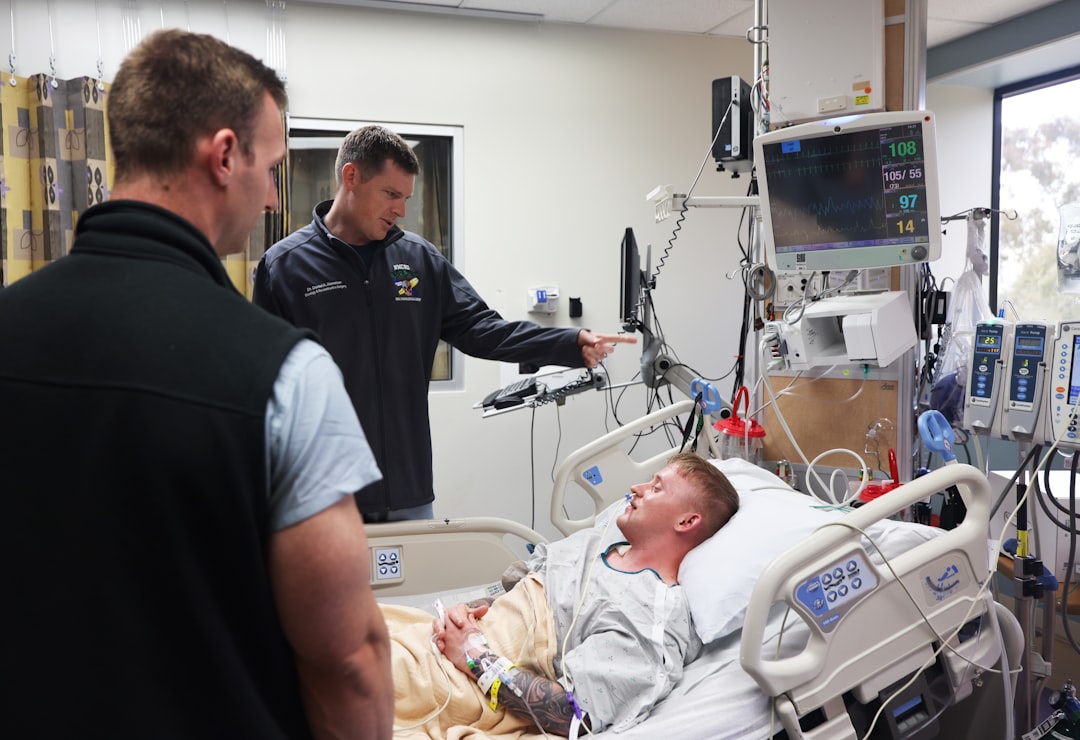
Key Roles of a Healthcare Project Manager
The role can vary depending on the organization, but most healthcare project managers perform several core functions.
- Strategic planner: They translate organizational goals into realistic project plans. For example, if a hospital wants to reduce emergency room wait times, the project manager helps define the scope, resources, timeline, and success metrics.
- Coordinator: They connect departments that may not normally work closely together, such as clinical teams, IT, procurement, billing, and compliance.
- Risk manager: They identify risks early, including patient safety concerns, budget overruns, technology failures, data privacy issues, and staff resistance.
- Communicator: They keep stakeholders informed through meetings, reports, dashboards, and presentations.
- Change leader: They help teams adapt to new systems, processes, or policies with minimal disruption.
Main Responsibilities
The responsibilities of a healthcare project manager begin long before the first task is assigned. They often start by working with leadership to understand the problem being solved and the expected business or clinical impact.
Project planning is one of the most important responsibilities. This includes defining the project scope, objectives, timeline, budget, deliverables, and key performance indicators. Clear planning helps prevent “scope creep,” where a project keeps expanding until it becomes difficult to manage.
Budget management is also critical. Healthcare projects can involve expensive equipment, software licenses, construction costs, consultants, and training. The project manager monitors spending and reports financial risks before they become serious problems.
Stakeholder management is another major duty. In healthcare, resistance to change is common because clinicians are busy and processes are often deeply established. A good project manager listens carefully, explains the benefits, and makes sure frontline staff are involved early.
Compliance and quality control are especially important in this field. Projects may need to follow HIPAA, patient privacy rules, accreditation standards, safety protocols, or local health regulations. The project manager must ensure that compliance is built into the project, not treated as an afterthought.
Performance tracking completes the cycle. After implementation, the project manager measures whether the project succeeded. Did patient satisfaction improve? Were costs reduced? Did staff adoption meet expectations? The answers help the organization learn and improve future projects.
Essential Skills for Success
A strong healthcare project manager needs a blend of technical, interpersonal, and analytical skills. Project management knowledge is the foundation, but healthcare adds layers of complexity that require judgment and adaptability.
- Leadership: They must guide teams without always having direct authority over every person involved.
- Communication: They need to explain complex information clearly to executives, clinicians, vendors, and nontechnical staff.
- Healthcare knowledge: Understanding clinical workflows, patient safety, medical terminology, and regulatory requirements is a major advantage.
- Problem solving: Unexpected issues are common, from delayed vendor deliveries to staff shortages or software integration problems.
- Data analysis: Project managers often use metrics such as readmission rates, appointment no show rates, patient wait times, or operating costs to guide decisions.
- Emotional intelligence: Healthcare work can be stressful. The ability to remain calm, empathetic, and constructive is essential.

Common Healthcare Projects
Healthcare project managers may work on a wide variety of initiatives. Some are technology focused, while others are operational, clinical, or regulatory.
Digital transformation projects are increasingly common. These include electronic health record implementation, telemedicine platforms, patient portals, health data analytics, and cybersecurity upgrades. Such projects require careful coordination because they affect how clinicians document care, communicate with patients, and access information.
Facility and infrastructure projects may involve building a new hospital wing, renovating a surgical suite, or opening an outpatient center. These projects often require coordination with architects, engineers, infection control experts, equipment suppliers, and local authorities.
Process improvement projects focus on making care safer, faster, or more efficient. For instance, a project might aim to reduce patient discharge time from six hours to three hours by improving communication between doctors, nurses, pharmacy, and transportation teams.
Compliance projects help organizations prepare for audits, new regulations, accreditation reviews, or changes in reimbursement requirements. These projects may not sound exciting, but they protect the organization from penalties and help maintain high standards of care.
A Short User Case Scenario
Imagine a regional clinic network with eight locations wants to introduce online appointment scheduling. Before the project, patients wait an average of 9 minutes on the phone to book a visit, and nearly 18% abandon the call before speaking to staff. The healthcare project manager creates a rollout plan, selects a vendor, coordinates IT integration, trains front desk teams, and launches the system in phases.
After three months, 42% of appointments are booked online, phone volume drops by 27%, and patient satisfaction scores improve. The success is not just due to the software. It happens because the project manager aligns people, processes, training, and measurement.
Challenges in Healthcare Project Management
Healthcare projects can be difficult because the environment is constantly changing. Regulations evolve, staffing shortages create pressure, budgets tighten, and patient expectations continue to rise. In addition, many healthcare organizations operate around the clock, which makes training and implementation more complicated.
Another major challenge is data privacy. Projects involving patient information must be handled with strict security controls. Even a small oversight can lead to legal consequences and loss of trust.
Finally, healthcare project managers must respect clinical realities. A workflow that looks efficient on a spreadsheet may not work in a busy emergency department or intensive care unit. Successful project managers spend time observing real processes and listening to frontline staff before making changes.

Why the Role Matters
The healthcare project manager is more than a scheduler or task tracker. This professional helps organizations improve care delivery, reduce waste, adopt new technology, and respond to changing demands. In a sector where every improvement can affect real lives, effective project management becomes a strategic advantage.
As healthcare continues to embrace digital tools, value based care, automation, and patient centered services, the demand for skilled healthcare project managers will likely keep growing. Those who combine project discipline, healthcare understanding, and human centered leadership will be especially valuable.
In the end, the best healthcare project managers do not simply deliver projects on time and within budget. They help create systems that work better for patients, clinicians, and organizations alike.