
Starting a car rental business can be a profitable venture for an entrepreneur who understands fleet management, local demand, insurance requirements, and customer service. The industry serves tourists, business travelers, replacement vehicle customers, rideshare drivers, and local residents who need temporary transportation. With the right planning, a rental company can begin as a small operation with a few vehicles and grow into a specialized or full-service fleet.
TLDR: A car rental business requires a clear niche, reliable vehicles, proper licensing, strong insurance coverage, and a realistic financial plan. Startup costs often include vehicle purchases or leases, commercial insurance, permits, software, branding, parking, maintenance, and marketing. A solid business plan should define the target market, pricing model, fleet strategy, operating procedures, and growth goals. Success depends on controlling risk, keeping vehicles available, and delivering a smooth customer experience.
Understanding the Car Rental Business Model
A car rental company earns revenue by renting vehicles to customers for short-term or long-term use. This may include daily rentals, weekly rentals, monthly subscriptions, corporate contracts, insurance replacement rentals, airport rentals, luxury rentals, or specialty vehicles such as vans, trucks, and electric cars.
Before launching, the owner should decide what type of rental business makes sense for the local market. A tourist city may support airport and vacation rentals, while an urban area may have demand for compact cars, rideshare vehicles, or hourly rentals. A rural or industrial area may create opportunities for truck, van, or commercial vehicle rentals.
The most successful operators usually avoid trying to serve everyone at once. Instead, they begin with a focused niche, test demand, and add vehicles as cash flow improves.

Common Startup Costs
The cost to start a car rental business varies widely depending on fleet size, location, vehicle type, and whether the company buys, leases, or finances its cars. A small independent company may begin with three to five vehicles, while a larger operation may require dozens of cars and a staffed location.
Typical startup expenses include:
- Vehicles: Cars are usually the largest expense. The business may buy used vehicles, finance new models, lease cars, or work with fleet suppliers.
- Commercial insurance: Rental operations need specialized coverage, including liability, collision, comprehensive, and possibly uninsured motorist protection.
- Licenses and permits: Requirements depend on the state, city, and business structure.
- Business location: Costs may include office rent, parking lot space, airport access fees, signage, utilities, and security.
- Maintenance and repairs: Regular servicing, tire replacement, inspections, cleaning, and unexpected repairs must be budgeted from the beginning.
- Technology: Rental software, booking systems, payment processing, GPS tracking, fleet management tools, and customer verification services are often necessary.
- Marketing: A website, local ads, search engine listings, social media, referral programs, and printed materials help generate bookings.
- Legal and accounting fees: Professional support helps create rental agreements, waivers, tax systems, and compliance procedures.
For a small operation, startup costs may range from $50,000 to $150,000, depending mainly on vehicle acquisition. A larger fleet with a physical rental office may require $250,000 or more. Operators who already own vehicles or begin with a very small peer-to-peer style model may spend less, but they still need proper insurance and compliance.
Licenses, Permits, and Legal Requirements
A car rental business must be legally registered before accepting customers. The owner typically chooses a business structure such as a limited liability company, corporation, partnership, or sole proprietorship. Many operators prefer an LLC or corporation because the business involves vehicle damage, accidents, and liability risks.
Common legal steps include:
- Registering the business name with the state or local authority.
- Obtaining an employer identification number for tax purposes.
- Applying for a general business license.
- Checking whether a vehicle rental license or dealer-related permit is required.
- Registering vehicles for commercial use.
- Collecting and remitting rental taxes, sales taxes, tourism taxes, or airport fees where applicable.
- Preparing legally reviewed rental agreements and damage policies.
Because regulations vary by location, the business should consult a local attorney, insurance broker, and tax professional before opening. Some cities also regulate zoning, parking, signage, shuttle operations, and airport pickup activity. Ignoring these rules can result in fines, suspended operations, or denied insurance claims.
Insurance and Risk Management
Insurance is one of the most important parts of a car rental operation. Personal auto insurance is not suitable for rental use. The business needs a commercial policy designed for rental fleets. Coverage should protect the company, its vehicles, customers, employees, and third parties.
In addition to insurance, the company should use a strict customer screening process. This may include checking driver’s licenses, verifying age requirements, confirming payment methods, reviewing driving history where legal, and requiring deposits. Rental contracts should clearly explain mileage limits, fuel policies, late fees, prohibited uses, accident reporting procedures, and responsibility for damage.
Risk management is not only about avoiding losses; it also gives customers confidence that the company operates professionally.

Building the Business Plan
A car rental business plan acts as the roadmap for launch and growth. It also helps secure loans, investors, supplier agreements, and insurance approval. The plan should be practical rather than overly optimistic.
A strong business plan should include:
- Executive summary: A brief explanation of the rental concept, location, target market, and goals.
- Market analysis: Research on local competitors, customer demand, tourism levels, corporate travel, and seasonal trends.
- Fleet strategy: Details on vehicle types, acquisition method, replacement schedule, maintenance plan, and expected utilization.
- Pricing model: Daily, weekly, monthly, mileage-based, subscription, corporate, or premium pricing structures.
- Operations plan: Booking process, vehicle pickup and drop-off, cleaning, inspections, fuel management, and customer support.
- Marketing plan: Website strategy, search visibility, partnerships, referral programs, hotel connections, and local advertising.
- Financial projections: Startup costs, revenue forecasts, loan payments, insurance premiums, maintenance costs, taxes, payroll, and profit margins.
The plan should also include a break-even analysis. For example, if each vehicle costs $700 per month in financing, insurance, registration, and maintenance reserves, the company must generate more than that amount per vehicle before covering office expenses and profit. Utilization rate is critical. A car that sits idle does not generate revenue but still creates costs.
Choosing and Managing the Fleet
Fleet selection affects profit, customer satisfaction, and maintenance expenses. Used vehicles may reduce upfront costs, but they can require more repairs. Newer vehicles may be more reliable and attractive to customers, but they increase monthly payments and depreciation. Many rental businesses choose fuel-efficient, popular, easy-to-repair models because parts are available and resale value is predictable.
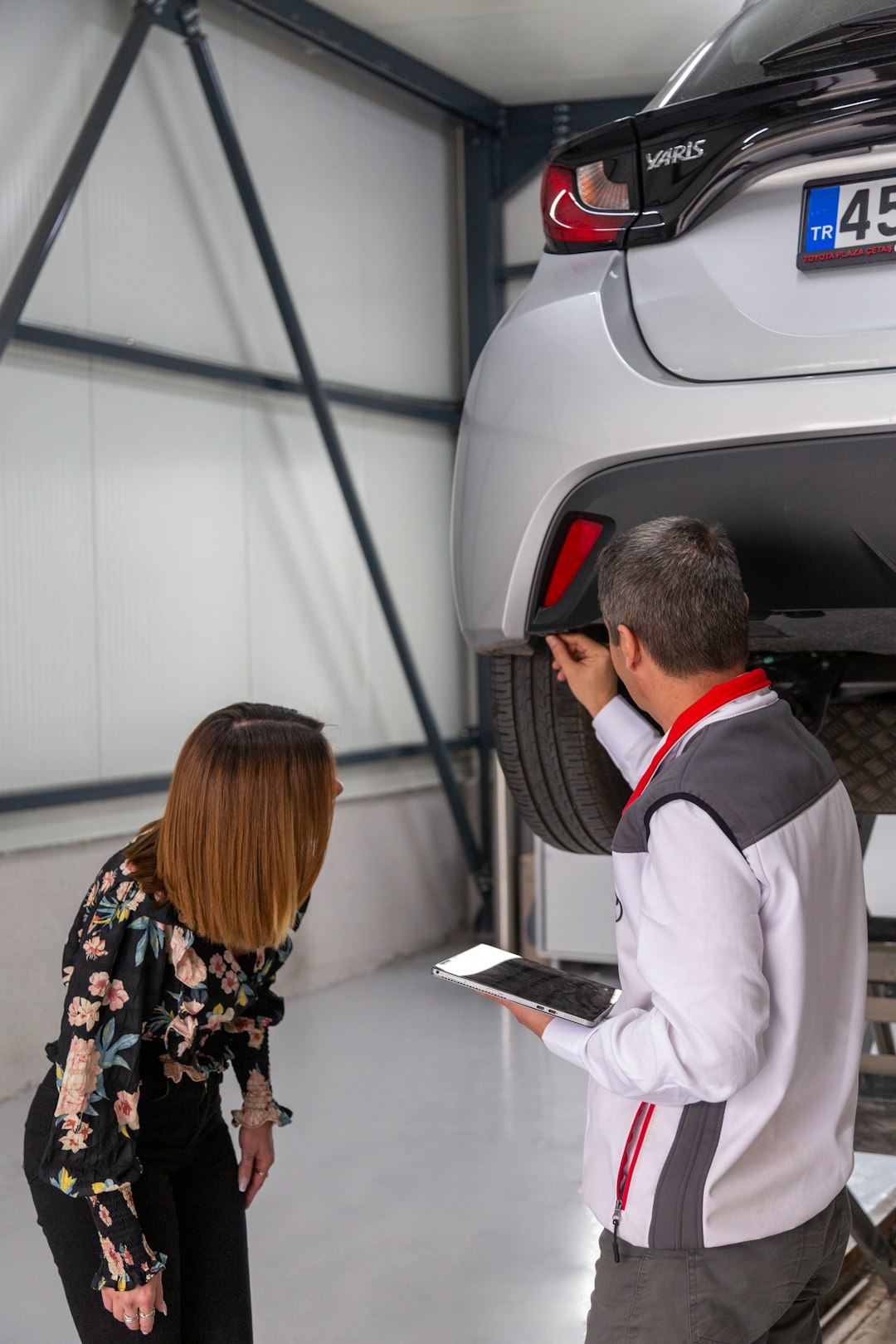
Each vehicle should be inspected before and after every rental. The company should document mileage, fuel level, interior condition, exterior damage, tire condition, and cleanliness. Photos and digital checklists can reduce disputes and protect both the business and customer.
Marketing and Customer Acquisition
A new rental business needs visibility from day one. A professional website with online booking, transparent pricing, vehicle photos, policies, and contact information is essential. Local search listings should be complete and accurate so customers can find the business when searching for nearby rentals.
Partnerships can also create steady demand. Hotels, repair shops, travel agencies, event planners, corporate offices, real estate agents, and insurance professionals may refer customers. Positive reviews are especially valuable because renters want trust, convenience, and clear pricing.
The company should avoid competing only on the lowest price. Instead, it can stand out through flexible pickup, clean cars, simple contracts, specialty vehicles, excellent support, or long-term rental packages.
FAQ
How much money is needed to start a car rental business?
A small business may need about $50,000 to $150,000, while a larger fleet and physical location may require significantly more. Vehicle costs, insurance, and parking are usually the biggest expenses.
Does a car rental business need special insurance?
Yes. It usually needs commercial rental fleet insurance, not personal auto insurance. The exact coverage depends on location, fleet size, vehicle value, and rental model.
Is a car rental business profitable?
It can be profitable when vehicles are rented frequently, pricing covers all costs, and damage risk is controlled. Low utilization, poor maintenance, and weak contracts can quickly reduce profits.
What licenses are required?
Most operators need business registration, a general business license, tax registration, commercial vehicle registration, and possibly a local rental vehicle permit. Requirements vary by city and state.
How many cars should a rental business start with?
Many small operators begin with three to five vehicles to test demand and manage risk. The fleet can expand once bookings, cash flow, and maintenance systems are stable.