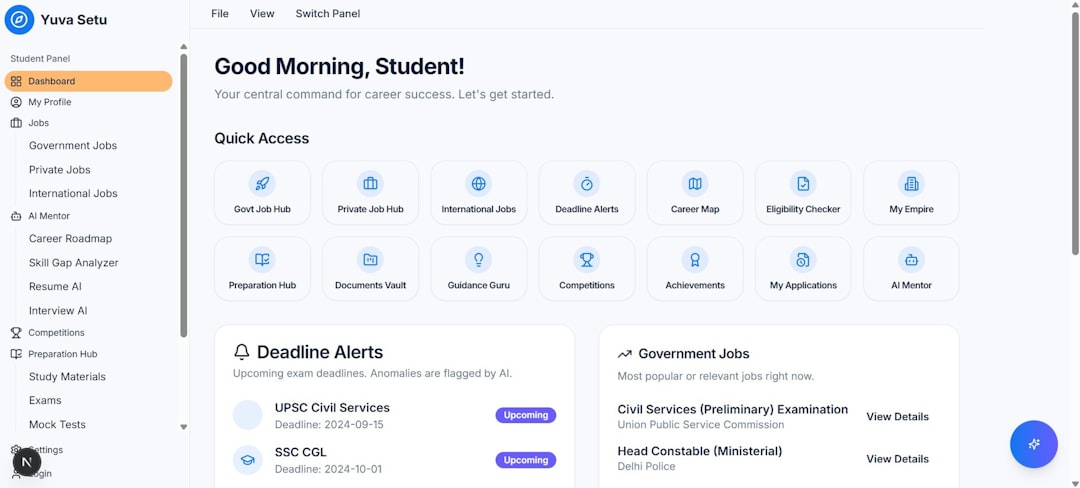
Modern organizations invest heavily in software, but the real return on that investment depends on how effectively users adopt it. Even the most powerful platforms can fail to deliver value if employees or customers struggle to navigate them. That is where digital adoption tools like Whatfix come into play. These solutions are designed to simplify onboarding, reduce friction, and guide users toward confident, independent product usage.
TLDR: Digital adoption tools such as Whatfix help organizations accelerate software onboarding by guiding users within applications through interactive walkthroughs, tooltips, and contextual support. They reduce training costs, increase user engagement, and improve feature adoption. By delivering real-time assistance and analytics, these platforms ensure users gain value from software faster. Companies leveraging digital adoption tools often see improved productivity, reduced support tickets, and higher satisfaction rates.
Digital transformation has accelerated dramatically in recent years, with businesses relying on cloud platforms, CRMs, HR systems, and specialized SaaS applications. However, implementation alone does not guarantee success. Many organizations face persistent challenges such as low feature adoption, high support costs, and frustrated users. Digital adoption platforms (DAPs) address this gap by overlaying intuitive, step-by-step guidance directly onto existing software environments.
What Are Digital Adoption Tools?
Digital adoption tools are software solutions designed to help users learn and navigate applications within the app interface itself. Unlike traditional training programs that rely on manuals, webinars, or separate learning systems, DAPs deliver contextual, in-app guidance exactly when and where users need it.
These platforms typically provide:
- Interactive walkthroughs that guide users step by step
- Tooltips and pop-ups explaining key features
- Task automation for repetitive workflows
- Self-service help widgets
- User behavior analytics for optimization
The goal is simple: shorten the learning curve and enhance user confidence.
Why User Onboarding Fails Without Digital Guidance
User onboarding often fails because software complexity exceeds the user’s comfort level. Even intuitive applications can overwhelm new users when layered with enterprise-level functionality.
Common onboarding challenges include:
- Information overload during initial training
- Lack of contextual help during real tasks
- Low engagement with traditional documentation
- Resistance to change from employees
- Limited visibility into user struggles
Without real-time, embedded assistance, users may abandon certain features altogether. Over time, this erodes software ROI and slows organizational performance.
How Whatfix Improves User Onboarding
Whatfix is one of the leading digital adoption platforms in the market. It specializes in layered guidance solutions that sit on top of existing software applications.
Key capabilities of Whatfix include:
- Interactive Flows: Step-by-step tutorials embedded directly within applications.
- Smart Tips: Context-sensitive prompts that appear when relevant.
- Self-Help Widgets: On-demand access to support resources.
- Analytics Dashboard: Insights into adoption trends and friction points.
- Task Automation: Reduced repetition and minimized user errors.
By guiding users in real time, Whatfix eliminates the need to switch between the application and external help documentation. This seamless experience dramatically reduces cognitive load.
Benefits of Digital Adoption Tools
Organizations implementing digital adoption tools often experience measurable improvements across multiple areas.
1. Faster Time to Productivity
New employees and customers can perform critical tasks sooner. Instead of waiting through multiple training sessions, they learn by doing.
2. Reduced Training Costs
Traditional instructor-led training programs are expensive and time-consuming. DAPs reduce reliance on manual training and printed materials.
3. Increased Feature Adoption
Many software features go unused simply because users are unaware of them. Contextual prompts highlight relevant tools at the right time.
4. Lower Support Tickets
When users receive immediate assistance inside the application, they are less likely to contact help desks.
5. Data-Driven Optimization
Advanced analytics reveal where users struggle, enabling teams to refine workflows and improve platform usability.

Comparison of Leading Digital Adoption Tools
Several providers compete in the digital adoption space. The following table outlines the key differentiators among popular solutions:
| Platform | Core Strength | Best For | Analytics Capabilities | Automation Features |
|---|---|---|---|---|
| Whatfix | Enterprise-grade guidance and analytics | Large enterprises | Advanced behavioral insights | Yes |
| WalkMe | Robust automation tools | Complex digital ecosystems | Comprehensive reporting | Yes |
| Pendo | Product analytics integration | SaaS product teams | Strong product usage analytics | Limited |
| Appcues | User-friendly onboarding flows | Mid-sized SaaS companies | Basic to moderate | Minimal |
Each platform offers valuable functionality, but enterprise organizations often gravitate toward Whatfix or WalkMe due to scalability and automation strength.
Internal vs. Customer-Facing Onboarding
Digital adoption tools serve two primary use cases:
Internal Employee Onboarding
- ERP implementation
- CRM adoption
- HR management systems
- Compliance software
Employees receive guided assistance during daily workflows, reducing frustration and increasing adoption rates.
Customer or End-User Onboarding
- SaaS platform tutorials
- Fintech dashboards
- E-commerce backend systems
Customers learn how to extract value from a product quickly, improving retention and lifetime value.

Key Features to Look for in a Digital Adoption Tool
When choosing a platform like Whatfix, organizations should evaluate several important criteria:
- Ease of Implementation: Seamless integration with existing software.
- Customization: Tailored flows based on user roles.
- Scalability: Ability to expand across multiple departments or products.
- Strong Analytics: Clear data on user engagement and drop-off points.
- Security Compliance: Enterprise-level data protection standards.
Careful evaluation ensures the chosen tool aligns with long-term digital strategy.
The ROI of Digital Adoption Tools
The financial benefits of digital adoption platforms can be substantial. Organizations often measure ROI through:
- Reduction in training hours
- Fewer support tickets
- Improved employee productivity
- Faster onboarding cycles
- Increased software utilization
When users adopt features effectively, companies maximize existing software investments without purchasing additional tools.
The Future of Digital Adoption
The digital adoption landscape continues to evolve. Artificial intelligence and machine learning are increasingly integrated into DAPs to provide predictive assistance. Instead of reacting to user struggle, future systems will anticipate it.
Emerging trends include:
- AI-powered personalization
- Voice-enabled assistance
- Deeper behavioral analytics
- Cross-platform guidance ecosystems
As workplace software stacks grow more complex, organizations will rely even more heavily on tools like Whatfix to maintain agility and productivity.
Conclusion
Digital adoption tools such as Whatfix have become essential components of modern software strategies. They bridge the gap between implementation and effective usage by embedding learning directly within digital workflows. Through interactive guides, automation, and analytics, these platforms reduce friction and promote confident adoption.
For businesses striving to maximize return on their software investments, digital adoption platforms are not optional enhancements but strategic necessities. By focusing on user experience and continuous optimization, organizations ensure their technology works for their people, not against them.
Frequently Asked Questions (FAQ)
1. What is a digital adoption platform (DAP)?
A digital adoption platform is software that overlays on existing applications to provide in-app guidance, tutorials, and analytics to help users learn and navigate systems efficiently.
2. How does Whatfix differ from traditional training programs?
Traditional training occurs outside the application and is often static. Whatfix delivers contextual, real-time guidance directly inside the software interface, allowing users to learn while performing tasks.
3. Are digital adoption tools only for enterprises?
No. While many large enterprises use them, mid-sized businesses and SaaS companies also benefit from improved onboarding and feature adoption.
4. Can digital adoption tools reduce support tickets?
Yes. By providing self-service help and contextual guidance, these platforms often significantly reduce help desk requests.
5. How long does it take to implement a digital adoption tool?
Implementation timelines vary depending on system complexity, but many platforms offer relatively quick deployment due to their no-code or low-code configurations.
6. Is ROI measurable with digital adoption platforms?
Yes. Organizations can measure ROI through reduced training costs, improved productivity, decreased support volume, and increased feature utilization.