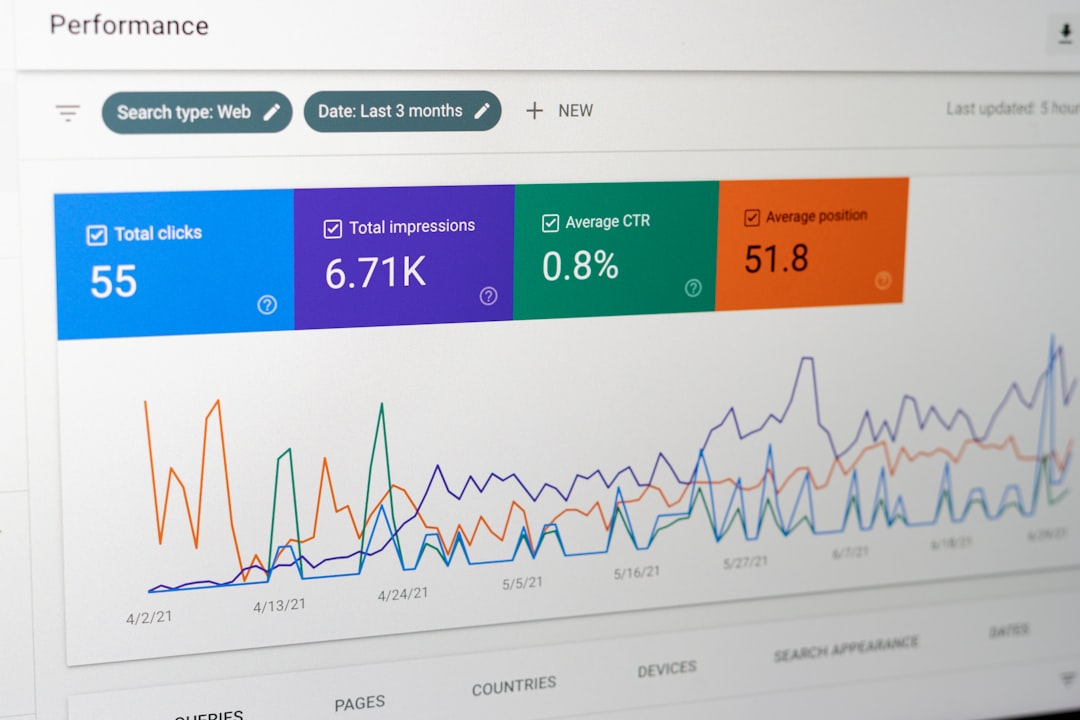
Tracking your SEO rankings can feel like chasing a moving target. One day you’re on page one. The next day you’re buried under competitors, ads, and featured snippets. That is why SERP tracking platforms exist. They help you monitor where your website stands in search engines and show you how to improve.
TLDR: SERP tracking tools monitor where your website ranks in search results. They help you track keywords, spy on competitors, and measure SEO progress. The best platforms are accurate, easy to use, and offer helpful reports. Below are six powerful tools that make tracking rankings simple and even fun.
Let’s break it down in plain English. No confusing jargon. Just clear info you can use right away.
What Is a SERP Tracking Platform?
SERP stands for Search Engine Results Page. It is the page you see after typing something into Google or another search engine.
A SERP tracking platform:
- Monitors your keyword rankings
- Tracks changes over time
- Shows competitor positions
- Reports trends and visibility
- Sends alerts when rankings shift
Instead of manually searching your keywords every day, the software does it for you. Faster. Cleaner. More accurate.
What Makes a Good SERP Tracker?
Before we jump into the tools, here’s what matters most:
- Accuracy – Are rankings updated regularly?
- Speed – How fast does it collect data?
- Ease of Use – Is the dashboard simple?
- Competitor Insights – Can you track others?
- Reporting – Are client reports easy to export?
- Local Tracking – Can it track results by city?
Now let’s explore the top six platforms.
1. SEMrush
SEMrush is an all-in-one SEO powerhouse. It does much more than rank tracking. But its Position Tracking tool is especially strong.
Why people love it:
- Daily keyword updates
- Mobile and desktop tracking
- Local SEO monitoring
- Competitor comparison graphs
- Visibility score tracking
The dashboard is visual and clean. You can see gains and losses instantly. It even shows featured snippets and SERP features.
Best for: Agencies and businesses that want full-suite SEO tools.
2. Ahrefs
Ahrefs is famous for backlinks. But its Rank Tracker is just as powerful.
It tracks rankings across desktop and mobile. You can monitor progress over time with clear graphs.
Top features:
- Accurate ranking updates
- Competitor comparison
- Keyword difficulty insights
- SERP feature tracking
- Location-specific tracking
Ahrefs also shows historical data. That means you can see how rankings changed months ago.
Best for: SEO professionals who want deep data and competitor research.
3. SE Ranking
SE Ranking is affordable and powerful. It focuses heavily on keyword position tracking.
Many small and medium businesses prefer it because it balances features and price.
Why it stands out:
- Daily or on-demand updates
- Local SEO tracking
- White-label reporting
- Marketing plan suggestions
- Competitor insights
The interface is beginner-friendly. No steep learning curve.
Best for: Freelancers and growing teams.
4. AccuRanker
As the name suggests, AccuRanker is focused on accuracy and speed.
It is built purely for rank tracking. That means it does this job extremely well.
Key strengths:
- On-demand instant updates
- Fast data refresh
- Advanced filtering
- Pixel-level tracking
- Detailed competitor data
The tool is simple but powerful. It does not overwhelm you with extra features.
Best for: Agencies that need accurate, fast rankings for many clients.
5. Moz Pro
Moz has been around for years. It remains one of the most trusted SEO brands.
Its Rank Tracking tool is easy to understand. Great for beginners.
Main features:
- Weekly ranking updates
- Keyword suggestions
- Visibility metrics
- Competitor tracking
- Easy-to-read reports
Moz shines in simplicity. You won’t get lost in complicated dashboards.
Best for: Small businesses new to SEO.
6. Serpstat
Serpstat is another all-in-one SEO platform. It includes keyword research, site audits, and strong rank tracking.
It has grown quickly in popularity because of its pricing and features.
What users like:
- Daily position tracking
- Competitor analysis
- Search visibility trends
- Keyword clustering
- Historical data
The dashboard offers clear graphs and keyword movement tracking.
Best for: Businesses that want SEO tools at a competitive price.
Comparison Chart
| Platform | Update Frequency | Local Tracking | Competitor Tracking | Best For |
|---|---|---|---|---|
| SEMrush | Daily | Yes | Strong | Agencies & full SEO teams |
| Ahrefs | Daily | Yes | Strong | Advanced SEO professionals |
| SE Ranking | Daily / On-demand | Yes | Yes | Small to mid businesses |
| AccuRanker | On-demand | Yes | Strong | Data-focused agencies |
| Moz Pro | Weekly | Yes | Moderate | SEO beginners |
| Serpstat | Daily | Yes | Yes | Budget-conscious teams |
How to Choose the Right Tool
Not every tool fits every person. Here’s how to decide.
If you run an agency:
Choose something with white-label reports and fast updates. AccuRanker or SEMrush are strong picks.
If you’re a freelancer:
You want something affordable but capable. SE Ranking or Serpstat work well.
If you’re new to SEO:
Go for simplicity. Moz Pro is beginner-friendly.
If you love deep data:
Ahrefs delivers advanced metrics and competitive insights.
Why Rank Tracking Really Matters
Some people ask, “Why not just focus on traffic?”
Because rankings tell a deeper story.
- They show which keywords are improving.
- They reveal algorithm impacts.
- They help measure SEO campaign success.
- They guide content strategy.
- They uncover competitor growth.
Without tracking, you are guessing. With tracking, you are deciding based on data.

Common Mistakes to Avoid
Even the best tool won’t help if used wrong.
Mistake #1: Tracking too many keywords
Stick to high-value terms.
Mistake #2: Ignoring local results
Rankings vary by location. Always track where your audience lives.
Mistake #3: Checking rankings daily and panicking
SEO is long-term. Look for trends, not daily swings.
Mistake #4: Not tracking competitors
They are part of the puzzle. Watch what they do.
Final Thoughts
SERP tracking does not have to be complicated. The right platform makes everything easier. You see progress. You understand setbacks. You plan smarter.
Whether you choose SEMrush, Ahrefs, SE Ranking, AccuRanker, Moz Pro, or Serpstat, the key is consistency.
Track regularly. Analyze trends. Adjust your strategy.
Because in SEO, what gets measured gets improved.
Pick your platform. Start tracking. Climb the rankings.