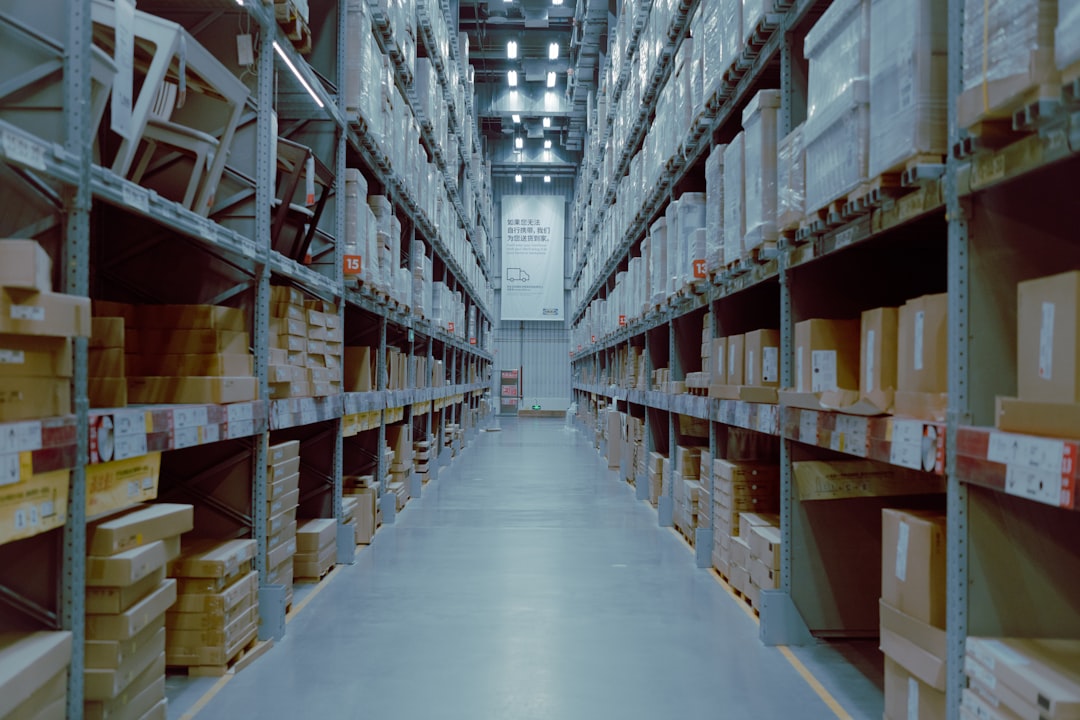
Warehouses are busy, high-value environments where people, products, vehicles, machinery, and delivery schedules all intersect. With so many moving parts, even a small blind spot can lead to theft, safety issues, inventory errors, or operational delays. Installing a modern video surveillance system is no longer just about “watching for intruders”; it is a practical business tool that helps warehouse managers improve security, efficiency, accountability, and decision-making.
TLDR: Video surveillance helps warehouses reduce theft, improve safety, monitor operations, and protect valuable inventory. Modern systems can provide real-time alerts, remote access, and useful footage for investigations or training. For warehouse managers, surveillance is not just a security upgrade—it is an investment in smoother, safer, and more transparent operations.
1. Stronger Protection Against Theft and Unauthorized Access
One of the most obvious benefits of installing video surveillance in a warehouse is the prevention and detection of theft. Warehouses often store large volumes of valuable goods, from electronics and pharmaceuticals to tools, raw materials, and finished products. Without proper monitoring, both external intruders and internal bad actors may find opportunities to exploit weak points.
Visible cameras act as a powerful deterrent. When people know their actions are being recorded, they are less likely to attempt theft, trespassing, or tampering. Surveillance cameras placed at entry points, loading docks, storage aisles, and restricted zones can help identify suspicious activity quickly.
In many cases, the presence of cameras is enough to make a would-be thief choose an easier target elsewhere. If an incident does occur, recorded footage can provide crucial evidence for internal investigations, insurance claims, or law enforcement.
Image not found in postmeta2. Improved Employee Safety
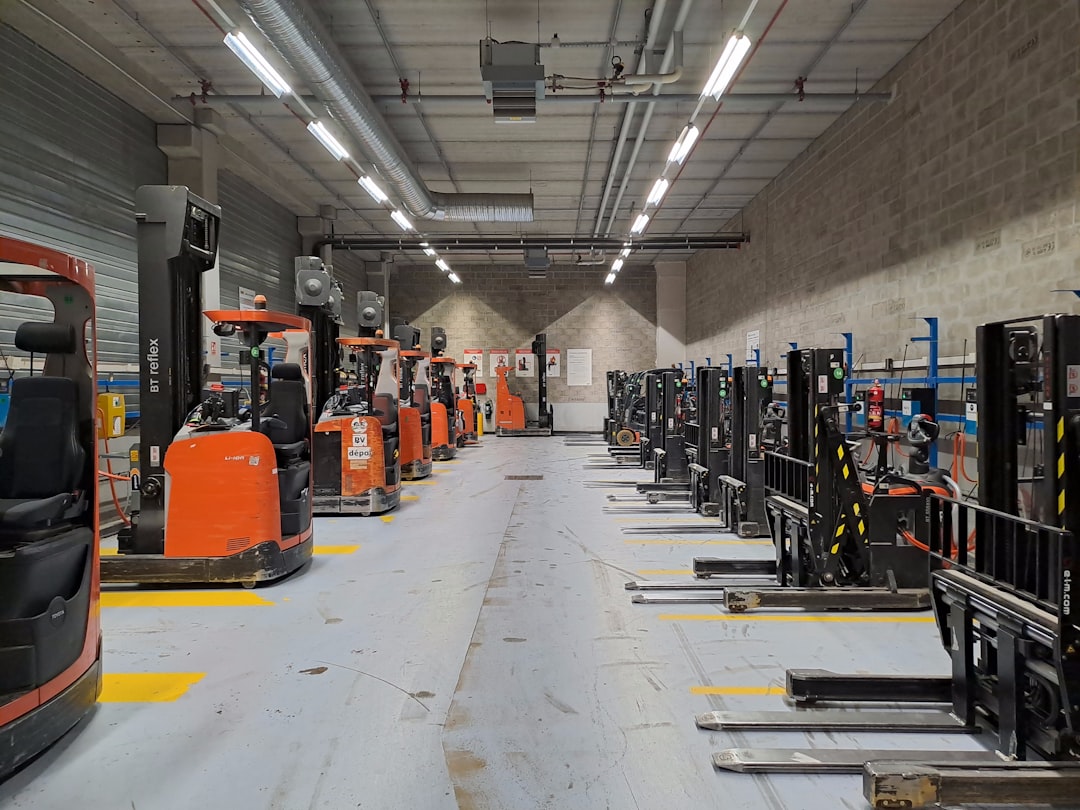
Warehouses can be hazardous workplaces. Forklifts move through aisles, heavy goods are stacked high, employees handle machinery, and loading areas can become crowded during peak hours. Video surveillance helps management identify unsafe behaviors, dangerous areas, and patterns that could lead to accidents.
For example, cameras may reveal that workers are taking shortcuts through forklift lanes, that pallets are regularly being stacked too high, or that certain blind corners need mirrors or better signage. By reviewing footage, supervisors can take practical steps to reduce risk before an accident happens.
Surveillance also supports faster emergency response. If a worker falls, a forklift collision occurs, or equipment malfunctions, cameras can help staff locate the incident quickly and understand what happened. This can make a major difference in response time and injury prevention.
3. Better Monitoring of Daily Operations
A warehouse surveillance system gives managers a clearer view of day-to-day activity. Instead of relying only on reports, checklists, or occasional walk-throughs, decision-makers can see how processes actually unfold on the floor.
This is especially useful in large warehouses where managers cannot physically be everywhere at once. Cameras can show whether picking and packing stations are flowing smoothly, whether loading docks are becoming congested, and whether employees have the tools and space they need to work efficiently.
Operational visibility can reveal small issues that add up over time. For instance, if workers repeatedly wait for access to a certain aisle or if one dock door consistently causes delays, footage can help identify the bottleneck and support better planning.
4. Reduced Inventory Shrinkage
Inventory shrinkage can result from theft, damage, misplacement, administrative errors, or process failures. Video surveillance helps reduce shrinkage by creating a visual record of how goods move through the facility.
When combined with inventory management systems, camera footage can help trace what happened to a missing item. Did it arrive at receiving? Was it placed in the correct zone? Was it loaded onto the wrong truck? Was it damaged during handling? Video evidence can help answer these questions more accurately than guesswork.
This benefit is particularly valuable for warehouses that handle high-volume or high-value inventory. Even a small percentage of shrinkage can represent a significant financial loss over time. By improving accountability at every stage, surveillance can help protect profit margins.
5. Support for Training and Performance Improvement
Video footage can be an excellent training resource. Instead of explaining best practices only through manuals or verbal instruction, supervisors can use real examples from the warehouse floor to show employees what works well and what should be avoided.
For example, footage may demonstrate safe forklift operation, efficient pallet wrapping, correct lifting technique, or proper loading dock behavior. It can also highlight common mistakes, such as blocking emergency exits, failing to scan items correctly, or using inefficient travel routes.
The goal is not to create a culture of constant criticism, but to build a culture of continuous improvement. When used fairly and transparently, surveillance-based training can help employees become safer, faster, and more confident in their roles.
6. Faster Investigation of Incidents and Disputes
Accidents, damaged goods, missing shipments, delivery disputes, and workplace complaints can be difficult to resolve when there is no clear record of events. Video surveillance provides objective information that can help managers understand what actually happened.
For example, if a customer claims that a pallet was damaged before delivery, footage from the loading area may show its condition when it left the warehouse. If two employees give different accounts of a workplace incident, video can help clarify the timeline. If equipment is damaged, footage may reveal whether it was caused by misuse, collision, or an unrelated issue.
This can save time, reduce conflict, and support more accurate decisions. It may also protect the business from false claims or unnecessary liability.
7. Enhanced Remote Access and Management
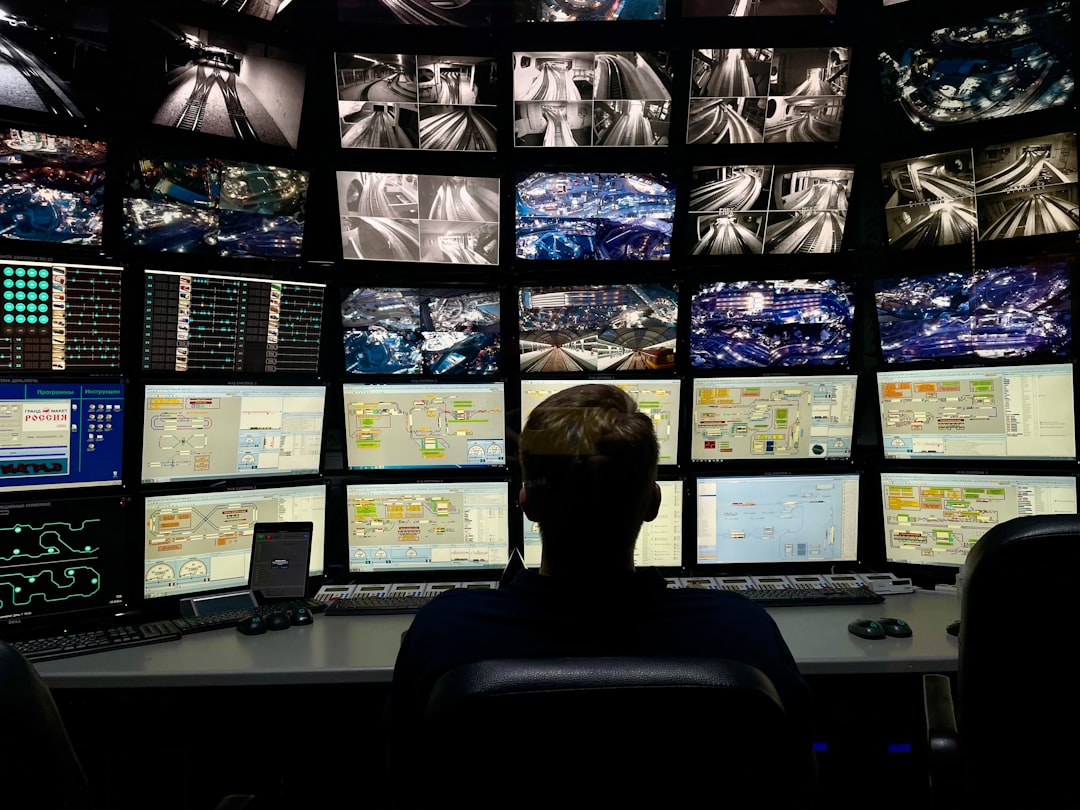
Modern video surveillance systems often include remote access through secure web portals or mobile apps. This allows warehouse owners, security teams, and managers to monitor live or recorded footage even when they are not physically on-site.
Remote access is especially valuable for companies with multiple warehouses, after-hours operations, or limited management staff. A supervisor can check late-night deliveries, review activity at a distant facility, or verify that closing procedures were followed without needing to travel.
Many systems also allow users to receive alerts when motion is detected in restricted areas, doors are opened after hours, or unusual activity takes place. This turns surveillance from a passive recording tool into an active monitoring solution.
8. Better Compliance and Documentation
Depending on the industry, warehouses may need to follow strict rules related to safety, product handling, chain of custody, temperature-sensitive goods, or restricted access. Video surveillance can support compliance by documenting procedures and providing a record of activity.
For example, warehouses handling food, pharmaceuticals, hazardous materials, or expensive electronics may need to demonstrate that goods were stored and handled properly. Cameras can help verify that only authorized personnel entered controlled zones, that loading procedures were followed, or that goods were not tampered with.
Good documentation can be extremely valuable during audits, inspections, or customer reviews. It shows that the business takes security and process control seriously.
9. Lower Insurance Risk and Potential Cost Savings
Insurance providers often consider security measures when evaluating risk. A warehouse with professionally installed video surveillance may be viewed as less vulnerable to theft, vandalism, and certain liability claims. While savings vary by provider and policy, some businesses may qualify for reduced premiums or improved coverage terms.
Even when surveillance does not directly lower insurance costs, it can still reduce financial losses. Video evidence can support claims after break-ins, accidents, fires, or damage events. It can also help prevent fraudulent claims by providing a clear visual record.
Beyond insurance, cameras may reduce the need for additional on-site security personnel in some areas, especially when paired with access control, alarms, and remote monitoring. Over time, these savings can help offset the cost of installation.
10. Greater Accountability Across the Warehouse
Accountability is essential in a warehouse environment. Workers, supervisors, contractors, delivery drivers, and visitors all contribute to the movement of goods and the overall safety of the site. Video surveillance encourages everyone to follow procedures because actions are more visible and traceable.
This accountability can improve punctuality, reduce careless handling, and encourage better adherence to safety rules. It can also help managers recognize employees who consistently perform well. Surveillance is not only about catching mistakes; it can also highlight good work, efficiency, and professionalism.
To maintain trust, businesses should be transparent about camera use. Employees should know where cameras are located, why they are being used, and how footage will be handled. Clear policies help ensure that surveillance supports security and productivity without creating unnecessary discomfort.
Key Areas Where Cameras Should Be Installed
To get the most value from a warehouse surveillance system, camera placement should be planned carefully. Important areas often include:
- Entrances and exits: To monitor who enters and leaves the facility.
- Loading docks: To track shipments, deliveries, and vehicle activity.
- Inventory storage zones: To protect valuable goods and monitor handling.
- High-value or restricted areas: To prevent unauthorized access.
- Forklift lanes and intersections: To review safety and traffic flow.
- Parking lots and exterior perimeters: To deter vandalism and trespassing.
- Packing and shipping stations: To verify order accuracy and product condition.
Choosing the Right Surveillance System
Not all surveillance systems are the same. Warehouses typically need cameras that can handle large spaces, changing lighting conditions, dust, vibration, and long operating hours. Features to consider include high-resolution video, night vision, wide-angle coverage, motion detection, cloud or local storage, and integration with alarms or access control systems.
It is also important to think about data security. Since modern cameras may connect to networks, businesses should use strong passwords, encrypted access, regular software updates, and proper user permissions. A poorly secured camera system can create cybersecurity risks, so installation should be handled with care.
Final Thoughts
Installing video surveillance in a warehouse is about much more than recording footage. It helps protect inventory, improve safety, reduce disputes, strengthen accountability, and reveal opportunities for better operations. In a fast-moving warehouse environment, visibility is power—and cameras provide the visibility managers need to make smarter decisions.
When implemented thoughtfully, with clear policies and strategic placement, video surveillance becomes a valuable part of the warehouse’s overall security and management system. It supports both people and processes, helping the business operate with greater confidence, control, and efficiency.