
Buying a Wispr drone is not quite like ordering a hobby quadcopter from a retail shelf. WISPr Systems is best known for rugged, professional drone platforms used in surveying, mapping, inspection, public safety, utilities, construction, and other field operations where reliability matters more than flashy marketing specs. That means the most important questions are not just “How much does it cost?” but also which payload, controller, battery setup, software, support package, and compliance requirements do you need?
TLDR: Wispr drone pricing is usually quote based because systems are configured for professional and enterprise users. Expect the final cost to vary depending on camera payloads, RTK GPS, batteries, controllers, software, training, and support. Specs also differ by model and configuration, but WISPr drones are generally built for heavy duty field use, mapping, inspection, and commercial missions. Availability is typically through WISPr Systems or authorized resellers rather than mass market stores.
What Is a Wispr Drone?
A Wispr drone generally refers to aircraft made by WISPr Systems, a U.S.-based drone manufacturer focused on commercial and industrial unmanned aircraft systems. These drones are designed less for casual photography and more for repeatable, professional missions such as aerial mapping, infrastructure inspections, emergency response, agriculture analysis, and data collection in demanding environments.
Unlike many compact consumer drones, WISPr aircraft are typically sold as part of a complete UAS package. That package may include the aircraft, remote controller, batteries, charger, camera or sensor payload, ground control software, spare parts, warranty coverage, and onboarding support. Because of this modular approach, the final price can differ significantly from one buyer to another.

Wispr Drone Price: What Should You Expect?
The most important thing to know is that Wispr drone prices are usually not listed as a simple fixed retail number. These systems are commonly sold through direct quotes, especially when the buyer needs a specific camera, thermal sensor, mapping payload, RTK positioning, or custom integration.
For professional drone buyers, this is normal. Enterprise drone pricing depends heavily on the payload and mission requirements. A basic aircraft package may be far less expensive than a fully equipped mapping or inspection system with advanced sensors, multiple batteries, training, and support.
Typical cost factors include:
- Aircraft platform: The base drone model and its lift capacity, endurance, and ruggedness.
- Payload: RGB camera, thermal camera, multispectral sensor, LiDAR, or zoom inspection camera.
- Positioning system: RTK or PPK capability for high accuracy mapping and surveying.
- Battery package: Number of batteries, charging hubs, and field charging options.
- Controller and software: Mission planning, flight control, mapping workflows, or third party app compatibility.
- Training: Pilot onboarding, maintenance instruction, and mission specific education.
- Support and warranty: Extended service plans, replacement parts, and priority support.
In practical terms, a professional Wispr drone setup will often fall into the commercial drone price category, not the consumer drone category. Buyers should be prepared for pricing that can range from several thousand dollars for simpler configurations to much higher totals for advanced enterprise packages. The best way to get an accurate number is to request a quote based on the exact mission profile.
Why the Price Can Vary So Much
A drone used by a construction company for basic site progress photos does not need the same setup as a utility team inspecting power lines, or a surveyor generating centimeter level maps. A police or fire department may prioritize thermal imaging and quick deployment, while an agricultural consultant may need multispectral imaging and repeatable flight plans.
This is why WISPr systems are often treated as work tools rather than gadgets. The aircraft is only one part of the investment. The value comes from the quality of the data, the durability of the platform, the workflow efficiency, and whether the system can perform safely in real world conditions.
Wispr Drone Specs: Key Features to Look For
Exact Wispr drone specifications depend on the model and configuration, so buyers should always verify the current spec sheet before purchasing. However, professional WISPr platforms are generally evaluated across several important categories.
1. Flight Performance
Flight time is one of the first specs buyers ask about, but it is also one of the most variable. Payload weight, wind, altitude, battery health, and mission style all affect endurance. A drone carrying a lightweight mapping camera may fly longer than the same aircraft carrying a heavier thermal or LiDAR payload.
Important flight performance specs include:
- Maximum flight time under ideal conditions
- Practical working flight time with the intended payload
- Wind resistance for field reliability
- Operating temperature range for hot or cold environments
- Maximum takeoff weight and payload capacity
- Range and communication reliability
2. Payload Compatibility
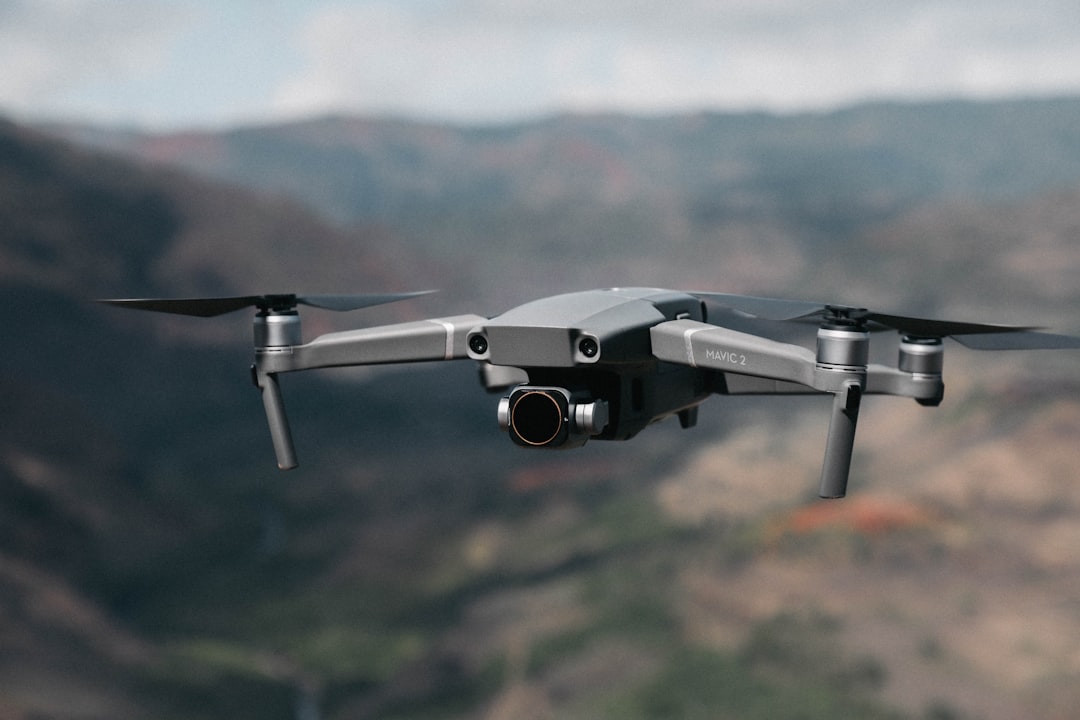
One of the biggest reasons professionals consider WISPr drones is payload flexibility. Depending on the platform, a Wispr drone may support different cameras and sensors for mapping, inspection, search and rescue, and environmental monitoring.
Common payload types include:
- High resolution RGB cameras for mapping, modeling, and documentation
- Thermal cameras for firefighting, roof inspection, wildlife surveys, and security
- Zoom cameras for infrastructure, towers, bridges, and utility assets
- Multispectral sensors for agriculture and vegetation analysis
- LiDAR units for terrain modeling, forestry, and survey grade deliverables
3. Mapping and Survey Accuracy
For mapping and surveying, buyers should pay particular attention to whether the drone supports RTK or PPK workflows. These technologies help improve positional accuracy and reduce the need for extensive ground control points, although professional survey practices may still require checkpoints and proper validation.
If your goal is orthomosaic mapping, topographic surveys, stockpile measurement, or construction progress tracking, ask about:
- RTK or PPK compatibility
- Supported base stations or network corrections
- Camera calibration options
- Ground sample distance at common flight altitudes
- Integration with photogrammetry or GIS software
4. Durability and Field Use
Commercial drone crews often operate from trucks, job sites, fields, roadsides, and emergency scenes. A professional drone needs to handle more than perfect weather and clean launch pads. Look for a design that supports quick setup, stable flight, secure payload mounting, and easy maintenance.
Durability features may include rugged arms, strong landing gear, weather resistant construction, hot swappable components, reliable connectors, and transport cases. For agencies and companies that fly frequently, serviceability can be just as important as maximum speed or camera resolution.
Availability: Where Can You Buy a Wispr Drone?
Wispr drones are generally available through WISPr Systems directly or through authorized commercial drone dealers and integrators. They are not typically sold like casual consumer drones in large electronics stores. This makes sense because many buyers need help selecting the correct payload, understanding regulations, and building a full workflow.
Availability can depend on several factors:
- Current production schedules and inventory levels
- Payload availability, especially for specialized sensors
- Customization requirements
- Training or onboarding schedules
- Dealer location and support coverage
- Government or enterprise procurement processes
If you are purchasing for a public agency, utility, or large company, expect a more formal procurement process. You may need a written quote, specification sheet, compliance documentation, warranty terms, and sometimes a demonstration or proof of concept.
Who Is a Wispr Drone Best For?
A Wispr drone is best suited for buyers who need a dependable aerial platform for work, not just recreation. It makes the most sense when the drone will support revenue generating services, operational decision making, public safety, or technical data collection.
Good candidates include:
- Surveying and engineering firms needing accurate aerial data
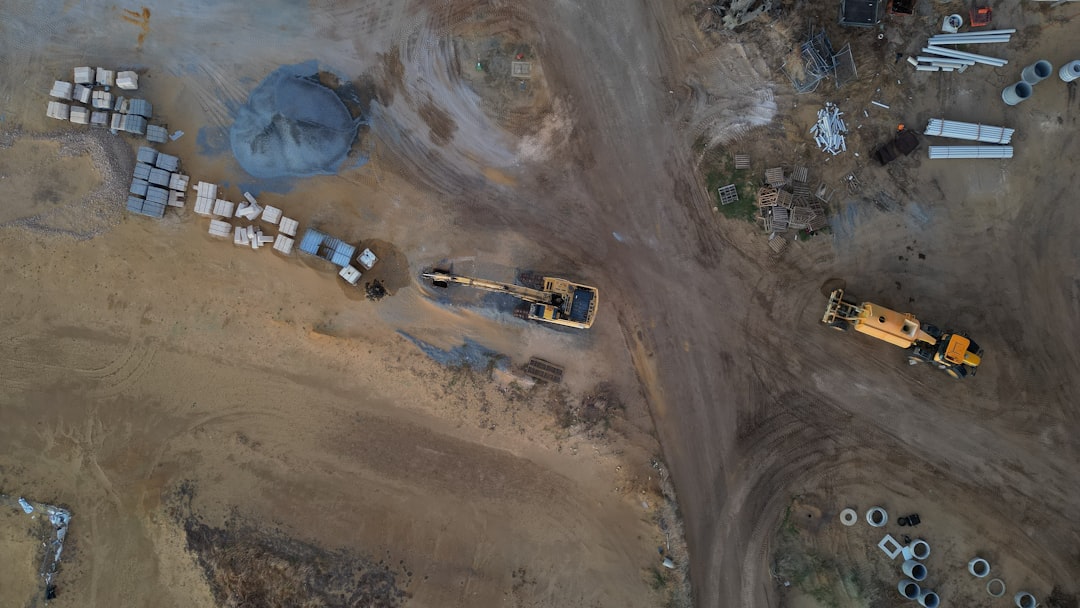
- Construction companies tracking jobsite progress and volumes
- Utility teams inspecting power lines, substations, and towers
- Public safety agencies using drones for search, rescue, and incident response
- Agriculture professionals monitoring crop health and field conditions
- Environmental teams mapping land, water, vegetation, or wildlife areas
For a casual user who only wants vacation videos, a Wispr drone may be more system than necessary. But for a team that needs repeatable results, payload options, and professional support, it can be a serious tool.
Questions to Ask Before Buying
Before requesting a Wispr drone quote, it helps to define your mission clearly. A good dealer or manufacturer representative will usually ask about your use case first, because that determines the right configuration.
- What type of data do you need to collect?
- How accurate does the data need to be?
- How long are your typical missions?
- Will you fly in wind, heat, cold, dust, or remote locations?
- Do you need thermal, zoom, multispectral, or LiDAR payloads?
- How many batteries will your team need for a full workday?
- Who will fly and maintain the aircraft?
- Do you need training, warranty support, or spare parts?
Final Thoughts
The Wispr drone price depends heavily on how the system is configured, which is exactly what you would expect from a professional drone platform. Instead of focusing only on the lowest entry cost, buyers should evaluate the complete package: aircraft, payload, software, batteries, accuracy, support, and long term serviceability.
If you need a drone for serious field work, a Wispr system is worth considering because it is built around practical commercial missions rather than casual flying. The smartest next step is to contact WISPr Systems or an authorized dealer, describe your mission in detail, and request current pricing, specifications, lead time, and demo options. That will give you the clearest picture of availability and the best configuration for your work.