A sales invoice is more than a payment request. It is a legal record, a communication tool, and a small but important part of your customer experience. Whether you run a freelance business, an online store, a consulting agency, or a wholesale company, a clear invoice helps you get paid faster, avoid disputes, and keep your accounting organized.
TLDR: A strong sales invoice should clearly show who is billing whom, what was sold, how much is owed, when payment is due, and how the customer can pay. For example, a web designer billing $1,500 for a completed landing page should include the service description, tax, payment terms, and bank or card payment details. Businesses that use consistent invoice templates often reduce payment delays because customers do not need to ask follow-up questions. If even 10% of monthly invoices are paid late, improving invoice clarity can make a noticeable difference to cash flow.
What Is a Sales Invoice?
A sales invoice is a document issued by a seller to a buyer after goods or services have been provided, or sometimes before delivery if payment is required upfront. It lists the products or services sold, the quantities, prices, taxes, discounts, payment terms, and total amount due.
In practical terms, the sales invoice answers five key questions:
- Who is selling?
- Who is buying?
- What was sold?
- How much is owed?
- When and how should payment be made?
For businesses, invoices also support bookkeeping, tax reporting, revenue tracking, inventory management, and customer account records. A messy invoice can create confusion. A professional invoice can build trust.
Essential Elements of a Sales Invoice Template
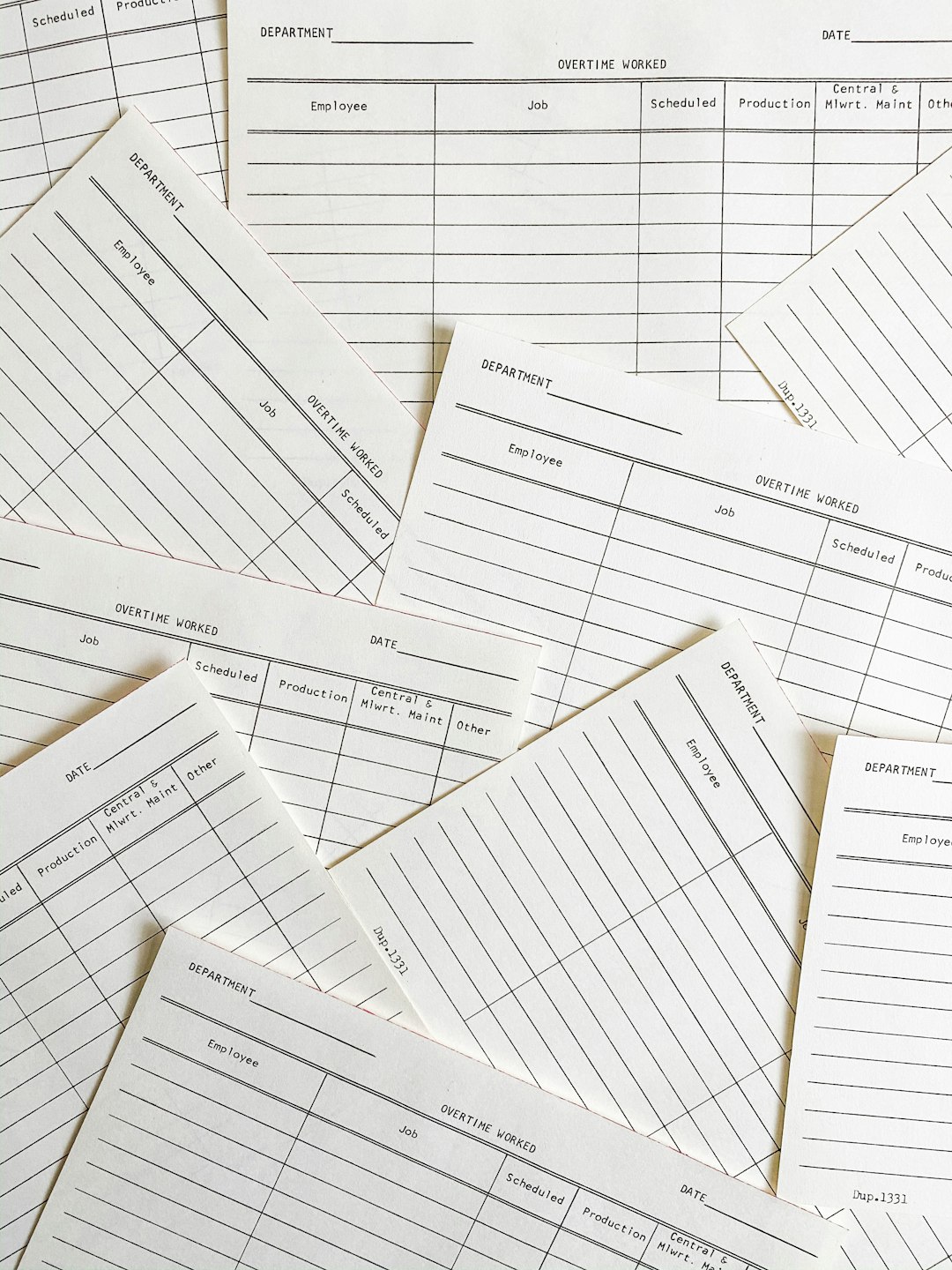
A good sales invoice template should be easy to scan and should include all necessary business and payment information. While designs vary, most invoices need the following sections:
- Invoice title: Clearly label the document as “Sales Invoice” or “Invoice.”
- Invoice number: Use a unique number for tracking, such as INV-1048.
- Invoice date: The date the invoice is issued.
- Payment due date: The deadline for payment, such as “Due within 14 days.”
- Seller details: Business name, address, email, phone number, and tax ID if required.
- Buyer details: Customer name, company name, billing address, and contact information.
- Itemized list: Product or service descriptions, quantities, unit prices, and totals.
- Subtotal: Amount before tax, shipping, or discounts.
- Taxes and fees: Sales tax, VAT, service fees, or shipping costs.
- Total amount due: The final amount the customer must pay.
- Payment instructions: Bank transfer details, card payment link, digital wallet, or check instructions.
- Terms and notes: Late fees, refund policies, warranty details, or thank-you message.
Tip: Place the total amount due and payment deadline where they are easy to see. Customers should not have to search for the most important information.
Common Types of Sales Invoice Templates
Different businesses need different invoice formats. Choosing the right template can save time and make your billing process smoother.
1. Standard Sales Invoice
This is the most common format. It works well for retailers, service providers, freelancers, and small businesses. It includes item descriptions, quantities, prices, tax, and total amount due.
2. Service Invoice
A service invoice is ideal for consultants, designers, writers, repair professionals, agencies, and contractors. Instead of product quantities, it may include hourly rates, project milestones, or fixed service fees.
3. Commercial Invoice
A commercial invoice is usually used for international trade. It often includes customs-related details such as country of origin, product codes, shipping terms, and declared value.
4. Recurring Invoice
This template is useful for subscriptions, retainers, memberships, and monthly service contracts. For example, a marketing agency charging $2,000 per month can use the same structure each billing cycle.
5. Pro Forma Invoice
A pro forma invoice is sent before a sale is finalized. It gives the buyer an estimated cost but is not usually considered a formal demand for payment. It is helpful for quotes, approvals, and pre-shipment documentation.

Sales Invoice Example
Here is a simple example of what a clear sales invoice might include:
- Invoice Number: INV-2026-015
- Invoice Date: August 3, 2026
- Due Date: August 17, 2026
- Seller: Bright Path Consulting, 22 Market Street, Denver, CO
- Buyer: Green Leaf Retail, 140 Oak Avenue, Portland, OR
- Service: Sales strategy consultation, 10 hours at $120/hour
- Subtotal: $1,200
- Tax: $96
- Total Due: $1,296
- Payment Terms: Net 14, payment by bank transfer or credit card
This example works because it is specific. The buyer can immediately understand what the charge is for, how it was calculated, and when payment is expected.
Best Practices for Creating Sales Invoices
Invoices do not need to be complicated, but they do need to be consistent and accurate. Follow these best practices to improve professionalism and reduce payment problems.
- Use consistent numbering. A reliable invoice numbering system helps you track payments and find records quickly. Avoid duplicate numbers.
- Write clear descriptions. Instead of “services,” write “Website maintenance for July, 5 hours.” Details prevent misunderstandings.
- Set payment terms upfront. Include terms such as Net 7, Net 14, Net 30, or “Due upon receipt.” Customers should know expectations before they receive the invoice.
- Add multiple payment options. Offering card, bank transfer, and online payment options can make it easier for customers to pay quickly.
- Include late payment policies. If you charge late fees, state them clearly. For example: “A 2% monthly late fee applies after the due date.”
- Proofread before sending. Check names, numbers, tax rates, and totals. Small mistakes can delay payment.
- Send invoices promptly. The sooner you invoice, the sooner you are likely to get paid. Waiting weeks after delivery can weaken urgency.
- Keep a copy of every invoice. Store invoices digitally in organized folders by year, client, or invoice number.
How Design Affects Payment Speed
A professional-looking invoice is not just about aesthetics. Layout can influence how quickly a customer understands and processes the payment. A cluttered invoice may get pushed aside, while a clean invoice with bold totals and clear instructions is easier to approve.
Use simple fonts, enough white space, and a logical order. Put business information at the top, line items in the middle, and totals plus payment instructions near the bottom. If your brand uses specific colors, include them subtly in headings or table borders. The goal is to look polished without distracting from the payment details.
Common Sales Invoice Mistakes to Avoid
Even experienced businesses make invoicing errors. Some of the most common include:
- Forgetting the due date: Without a due date, customers may assume there is no urgency.
- Using vague item names: Generic descriptions can lead to disputes or approval delays.
- Incorrect tax calculations: Tax mistakes can create accounting and compliance issues.
- Missing contact details: Customers need to know whom to contact with questions.
- Not following up: A polite reminder after the due date can prevent invoices from being forgotten.
A simple follow-up message can be effective: “Hello, this is a friendly reminder that invoice INV-2026-015 for $1,296 was due on August 17. Please let us know if you need another copy or have any questions.”
Final Thoughts
A well-made sales invoice helps your business look professional, stay organized, and receive payments on time. The best templates are clear, complete, and easy for customers to act on. Include the essential details, avoid unnecessary clutter, and use consistent formatting for every transaction.
Think of your invoice as the final handshake of a sale. When it is accurate, helpful, and polished, it reinforces customer confidence and supports healthier cash flow for your business.