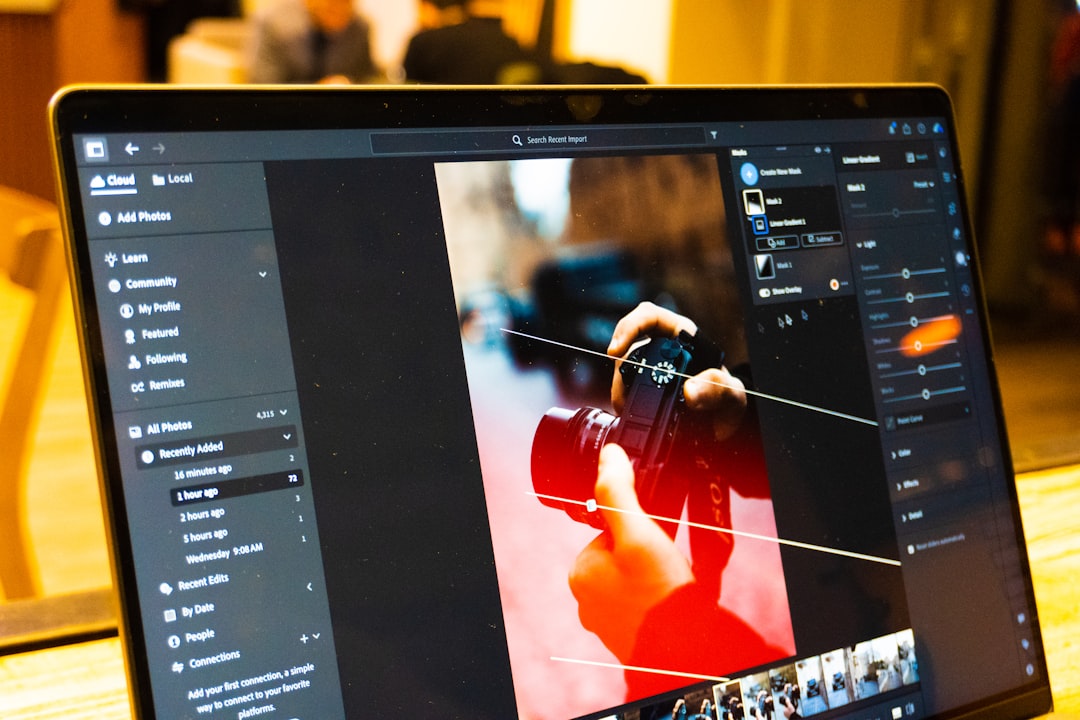
By 2026, professional photography has become faster, more competitive, and more content driven than ever before. Photographers are expected to deliver polished galleries, social media assets, client previews, marketing images, and commercial files in record time. In this environment, AI photo batch editors have shifted from being convenient extras to essential workflow tools for photographers who want to remain efficient, consistent, and profitable.
TLDR: AI photo batch editors are essential for photographers in 2026 because they dramatically reduce editing time while improving consistency across large image sets. They help professionals manage growing client expectations, faster delivery deadlines, and higher content demands. By automating tasks such as culling, color correction, retouching, resizing, and export formatting, these tools allow photographers to spend more time on creative direction and client relationships.
The Rising Pressure on Modern Photographers
Photography in 2026 is no longer just about capturing a strong image. A photographer is often expected to be a visual strategist, editor, content producer, brand consultant, and fast delivery specialist. Whether working in weddings, real estate, fashion, product photography, events, sports, or portraits, the professional must often handle hundreds or thousands of images from a single shoot.
This volume creates a major challenge. Manual editing can consume days of work, especially when every image must be corrected for exposure, white balance, contrast, skin tone, noise, cropping, and file format. For photographers handling multiple clients per week, traditional editing methods are often too slow. AI photo batch editing addresses this pressure by applying intelligent adjustments across entire sets of images while preserving a consistent visual style.
Speed Has Become a Competitive Advantage
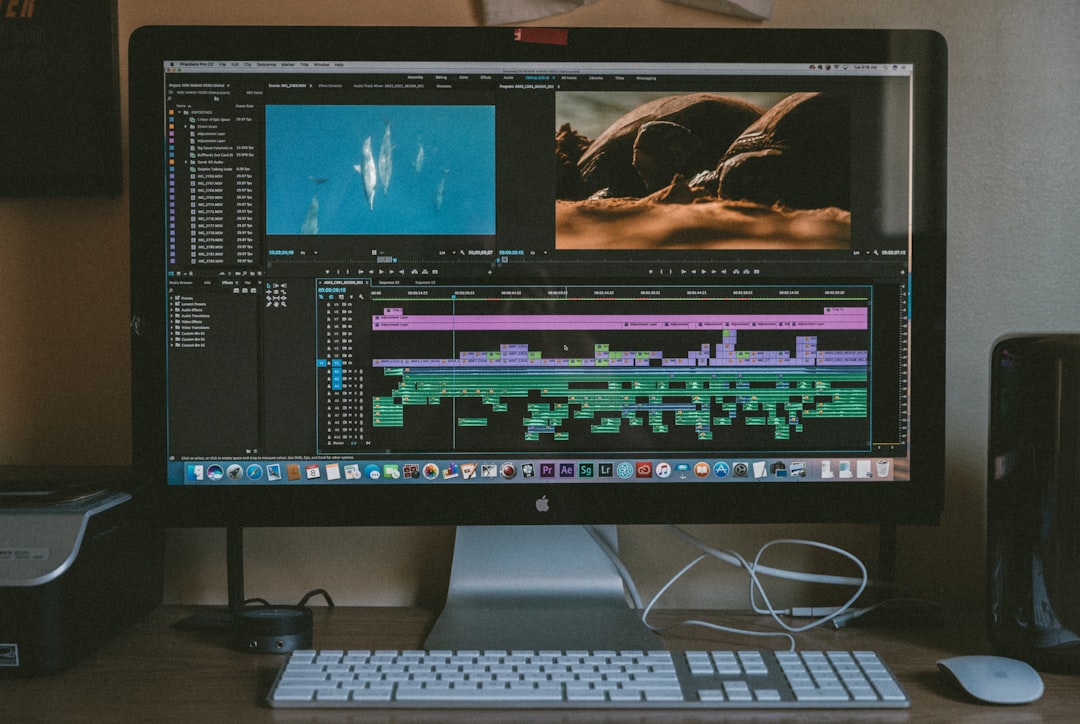
Clients in 2026 expect fast turnaround times. Wedding clients often want sneak peeks within 24 hours. Real estate agents need edited property images the same day to launch listings. E-commerce brands require product photos quickly to keep up with seasonal campaigns. Social media managers demand ready-to-post images almost immediately after events.
AI batch editors help photographers meet these expectations without sacrificing quality. Instead of editing one image at a time, photographers can apply intelligent corrections to entire galleries. Advanced tools can analyze lighting conditions, detect similar scenes, group images automatically, and apply appropriate adjustments in batches.
This speed is not just about convenience. It directly affects revenue. A photographer who can complete projects faster can accept more assignments, reduce outsourcing costs, and improve client satisfaction. In a crowded market, delivery speed can be just as important as artistic style.
Consistency Across Large Galleries
One of the hardest parts of editing a large photo collection is maintaining a consistent look. A wedding gallery may include outdoor sunlight, indoor tungsten lighting, flash photography, shadows, mixed light sources, and evening reception scenes. Without assistance, creating a unified style across these conditions can be difficult and time consuming.
AI photo batch editors are especially valuable because they can recognize visual patterns and apply coordinated edits. They can balance exposure, correct skin tones, match color palettes, and align contrast across hundreds of photos. This creates a gallery that feels intentional rather than uneven.
For professional photographers, consistency strengthens brand identity. A recognizable editing style helps clients know what to expect. It also makes portfolios, online galleries, and social media feeds appear more polished. In 2026, when visual branding matters deeply, consistent editing is a major professional advantage.
Smarter Culling and Image Selection
Before editing begins, photographers must often sort through hundreds or thousands of files. This process, known as culling, can be exhausting. It involves identifying blurry shots, closed eyes, duplicate frames, awkward expressions, poor compositions, and technical mistakes.
AI-powered culling has become one of the most useful features of modern batch editing systems. These tools can flag images with sharp focus, strong composition, open eyes, natural expressions, and balanced exposure. They can also group near duplicates so the photographer can choose the strongest frame quickly.
While final artistic judgment still belongs to the photographer, AI reduces the time spent on repetitive selection. This is especially important for event, sports, wildlife, and wedding photographers who may capture thousands of frames in a single assignment.
Automation Without Losing Creative Control
A common concern is that AI editing might make photography feel generic. However, the best AI photo batch editors in 2026 are not designed to replace the photographer’s vision. Instead, they are designed to handle repetitive technical tasks so the photographer can focus on creative decisions.
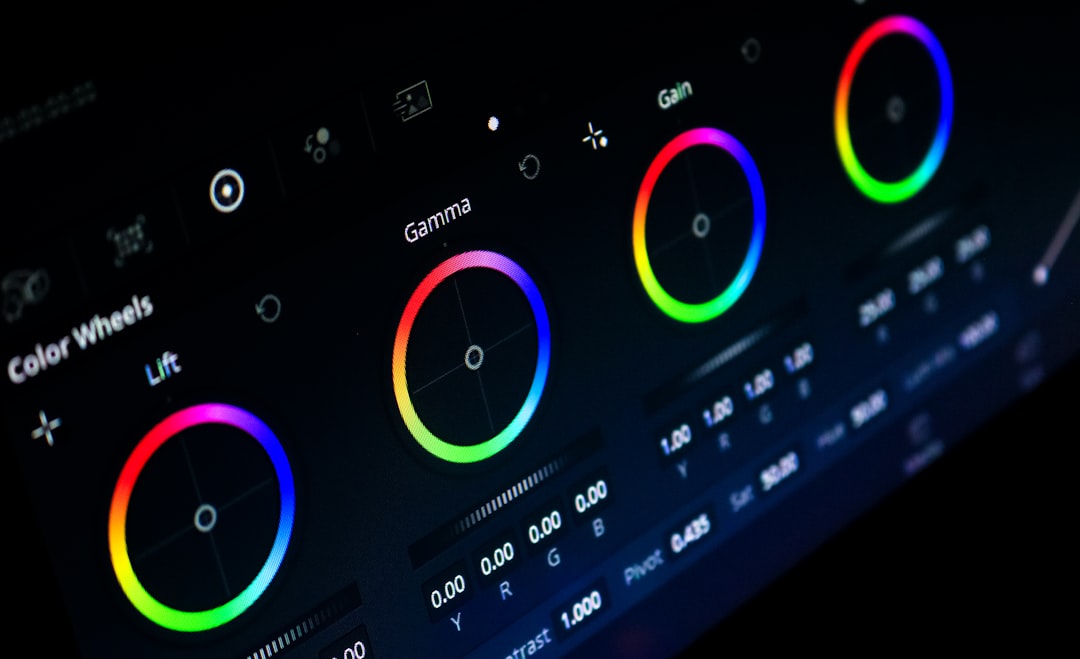
For example, AI can adjust exposure, remove noise, straighten horizons, crop for common aspect ratios, and apply base color grading. The photographer can then refine the best images manually, apply custom artistic touches, and decide which moments deserve extra attention.
This workflow creates a practical balance: automation handles volume, while the photographer preserves style and intent. The result is not less creativity, but more time for meaningful creative choices.
Essential Features in 2026 AI Batch Editors
AI photo batch editors have evolved far beyond basic presets. In 2026, many professional tools include advanced features that support end-to-end production workflows. The most valuable capabilities often include:
- AI culling: Identifies the strongest images and filters out duplicates, blinks, blur, and missed focus.
- Automatic exposure correction: Balances brightness and contrast across different lighting conditions.
- Color matching: Creates a consistent tone across an entire gallery or campaign.
- Skin retouching: Smooths minor blemishes while preserving natural texture.
- Background cleanup: Removes distractions from portraits, product shots, and real estate images.
- Noise reduction: Improves low light images without destroying detail.
- Smart cropping: Prepares images for websites, prints, social media, and advertising formats.
- Batch exporting: Creates multiple file sizes and formats for clients, web galleries, and archives.
These features help photographers build a more efficient pipeline from import to delivery. Instead of treating editing as one long manual process, AI tools divide the work into manageable automated stages.
Better Profit Margins for Photography Businesses
Time is one of the largest hidden costs in photography. A photographer may spend five hours shooting and fifteen hours editing, organizing, exporting, and delivering images. If that time is not priced correctly, profitability suffers.
AI batch editing reduces the amount of unpaid or underpaid production time. This can improve margins without forcing the photographer to raise prices dramatically. It can also reduce dependence on external editing services, which may be expensive or inconsistent.
For solo photographers and small studios, this efficiency can be transformative. It allows them to compete with larger teams by using intelligent automation. For larger studios, AI batch editing can standardize workflows across multiple editors and photographers.
Meeting the Demand for Multi Platform Content
In 2026, clients rarely need just one finished image. They often need vertical images for short form video platforms, square crops for social feeds, horizontal banners for websites, high resolution files for print, compressed files for email, and branded variations for advertisements.
AI batch editors can automatically generate these output formats from a single edited set. This saves photographers from manually resizing and exporting the same image repeatedly. It also reduces errors, such as incorrect dimensions, inconsistent naming, or wrong color profiles.
For commercial photographers, this is especially valuable. Brands need content that fits many channels at once. A photographer who can deliver organized, platform ready files becomes more useful to marketing teams and agencies.
Improved Retouching at Scale
Retouching is one of the most time intensive parts of photography. Portrait, fashion, beauty, school, headshot, and wedding photographers often need to improve skin, remove stray hairs, brighten eyes, reduce shine, and clean up backgrounds. Doing this manually across hundreds of images can be overwhelming.
AI retouching in 2026 is more refined than earlier automated tools. Instead of producing overly smooth or artificial results, it can preserve realistic skin texture and facial detail. Many systems allow photographers to set the level of correction so the results match their brand style.
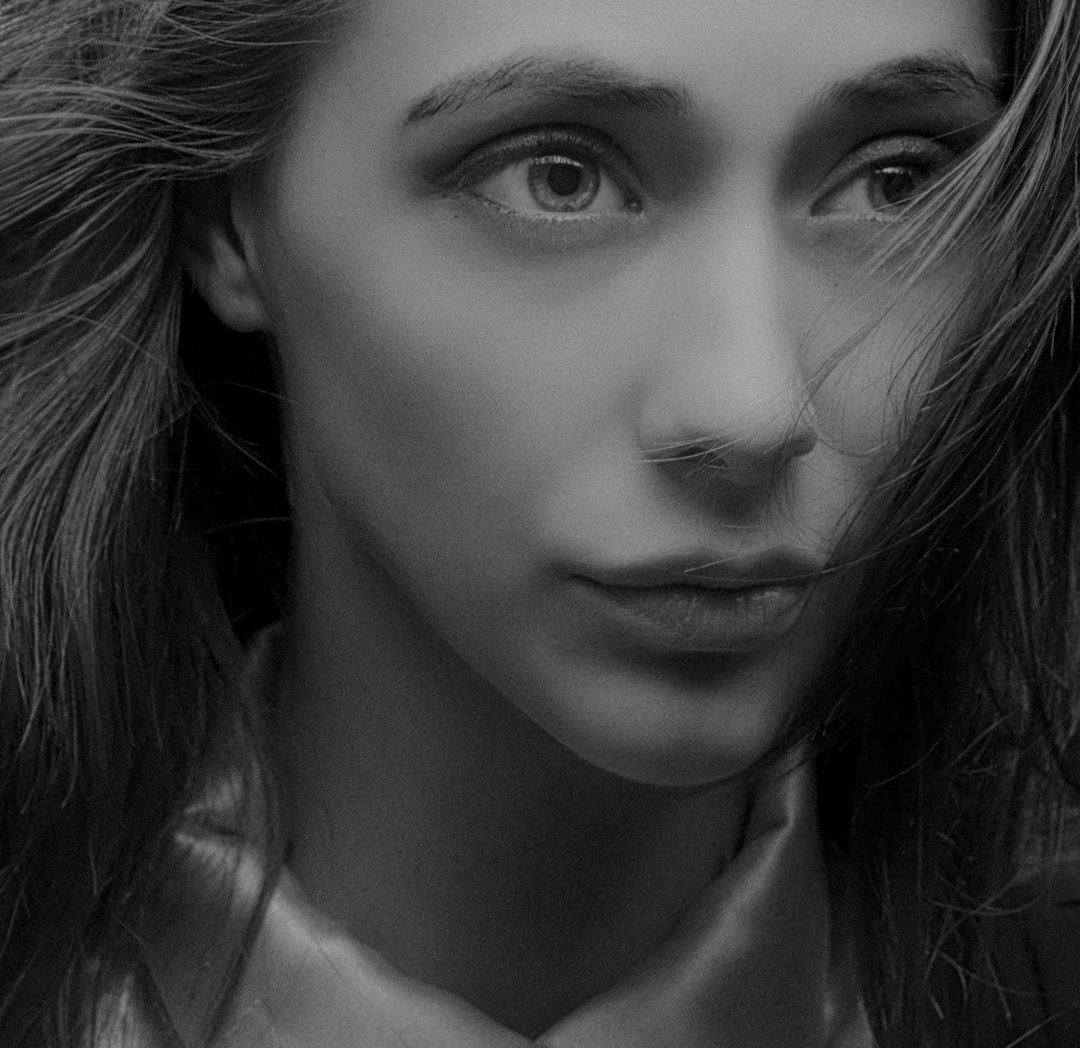
This matters because modern clients are increasingly sensitive to authenticity. They want to look polished, but not unrecognizable. AI batch editors help photographers deliver natural retouching at scale while avoiding the plastic appearance associated with older tools.
Support for RAW Workflows and Professional Standards
Professional photographers often shoot in RAW because it offers maximum flexibility for color, exposure, and detail recovery. AI photo batch editors in 2026 are increasingly built to support serious RAW workflows, not just quick edits on compressed files.
This means photographers can apply intelligent adjustments while maintaining image quality. They can recover highlights, open shadows, reduce noise, and preserve dynamic range. They can also export images in professional formats required by clients, printers, publications, and agencies.
For photographers working in demanding fields such as advertising, editorial, architecture, and fine art, this level of control is essential. AI becomes valuable not because it simplifies the image too much, but because it speeds up professional grade processing.
Reducing Burnout and Repetitive Strain
Photography burnout is often caused less by shooting and more by the endless cycle of computer work that follows. Long nights of editing, repetitive clicking, and tight deadlines can drain enthusiasm from even experienced professionals.
AI batch editors reduce this burden. By automating repetitive tasks, they help photographers maintain healthier schedules and spend more time on activities that require human expertise. These include planning shoots, communicating with clients, directing subjects, refining creative concepts, and building a stronger business.
In that sense, AI is not only a productivity tool. It is also a sustainability tool. It helps photographers continue working at a high standard without sacrificing personal well being.
Why Human Judgment Still Matters
Despite rapid advances, AI photo batch editors do not remove the need for professional judgment. A photographer still decides the mood, story, framing, final selections, and emotional impact of a gallery. AI may identify a technically strong image, but it may not always understand the sentimental importance of a candid moment or the subtle expression that defines a portrait.
The strongest photographers in 2026 are those who combine technical skill, artistic instinct, and intelligent automation. They use AI to accelerate production, but they do not surrender creative responsibility. This partnership allows the human professional to work faster while still delivering images with personality and purpose.
Conclusion
AI photo batch editors are essential for photographers in 2026 because the industry now demands speed, consistency, scalability, and multi platform delivery. These tools help professionals manage large image volumes, reduce editing time, maintain visual quality, and improve business profitability.
Most importantly, AI batch editing allows photographers to focus on the work that truly requires human creativity. Instead of spending countless hours on repetitive corrections, they can devote more energy to storytelling, direction, client experience, and artistic refinement. In a fast moving visual world, photographers who use AI effectively are better positioned to thrive.
FAQ
Are AI photo batch editors replacing professional photographers?
No. AI photo batch editors are not replacing professional photographers. They automate repetitive editing tasks, but photographers still control creative direction, client communication, composition, storytelling, and final image selection.
What types of photographers benefit most from AI batch editing?
Wedding, event, portrait, real estate, sports, product, school, fashion, and commercial photographers benefit greatly because they often work with high image volumes and tight delivery deadlines.
Can AI batch editors maintain a photographer’s personal style?
Yes. Many AI editors allow photographers to create or apply custom styles, presets, color profiles, and adjustment preferences. The AI can then apply those choices consistently across large batches.
Is AI retouching suitable for professional portrait work?
In 2026, AI retouching is often suitable for professional portrait workflows when used carefully. It can smooth minor imperfections, enhance skin tones, and clean backgrounds while allowing the photographer to preserve a natural look.
Do AI photo batch editors work with RAW files?
Many professional AI batch editors support RAW files, allowing photographers to maintain high image quality and make advanced adjustments to exposure, color, shadows, highlights, and detail.
Why are AI batch editors especially important in 2026?
They are important because client expectations, image volumes, and content requirements have increased significantly. Photographers need faster workflows to remain competitive while still delivering polished, consistent results.