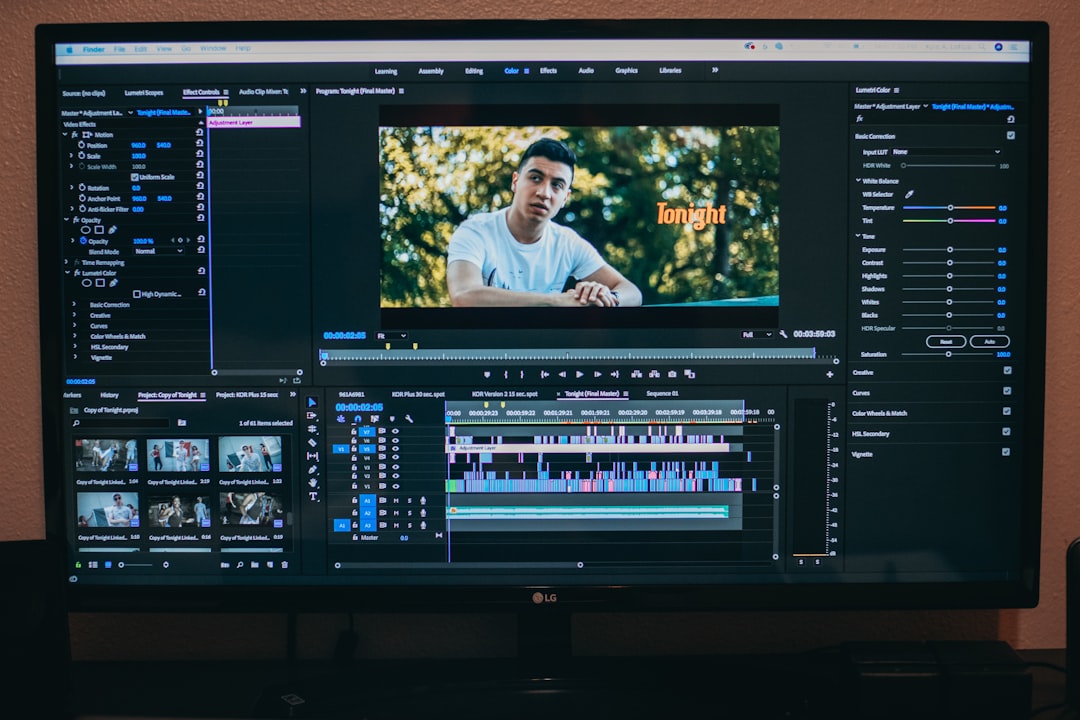
Video has become the dominant format for digital communication, but producing high-quality content consistently can be time-consuming and resource-intensive. Organizations that invest in video marketing, training, podcasts, webinars, and social media often struggle to maximize the value of each recording. This is where video repurposing software plays a strategic role. By transforming one core piece of content into multiple formats, businesses can expand reach, reinforce messaging, and improve return on investment without multiplying production costs.
TLDR: Video repurposing software enables organizations to turn a single video into multiple content formats such as short clips, blog posts, audiograms, captions, and social snippets. It saves time, reduces production costs, and increases content reach across platforms. By automating editing, transcription, resizing, and formatting, these tools make multichannel distribution significantly more efficient. For content-driven teams, repurposing software has become an essential component of a scalable marketing strategy.
In a digital environment where audiences consume information across platforms and devices, publishing a single long-form video is rarely sufficient. Viewers on social media prefer brief, vertical clips. Podcast listeners want clean audio versions. Blog readers look for text summaries. Professionals browsing LinkedIn may respond better to subtitled micro-content. Rather than creating each format from scratch, repurposing software enables teams to extract and adapt core material quickly and intelligently.
What Is Video Repurposing Software?
Video repurposing software refers to a category of tools designed to convert a primary video asset into multiple secondary formats. These tools often include features such as:
- Automatic transcription and captioning
- Aspect ratio conversion (landscape to square or vertical)
- Clip extraction and highlight detection
- Audio extraction for podcast distribution
- Blog or article drafting from transcripts
- Subtitle styling and branding overlays
Instead of manually editing the same footage ten different ways, creators can rely on intelligent automation to accelerate the workflow. Many platforms now incorporate artificial intelligence to identify impactful quotes, detect speaker changes, and suggest engaging segments.
Why Repurposing Matters More Than Ever
The modern content landscape is fragmented. Different platforms prioritize different formats:
- Short-form vertical videos dominate TikTok, Instagram Reels, and YouTube Shorts.
- Long-form horizontal videos perform well on YouTube and corporate websites.
- LinkedIn favors concise, captioned thought-leadership clips.
- Podcast audiences rely on audio-only formats.
- Search engines prioritize written content supported by video.
A single webinar, keynote presentation, or interview can realistically generate:
- One full-length YouTube video
- Five to ten short-form social clips
- An audio podcast episode
- A detailed blog post
- Multiple quote graphics
- Email newsletter content
Without repurposing software, this transformation can require days of manual editing. With the right tools, much of it can be accomplished in hours.
Core Benefits of Video Repurposing Software
1. Efficiency and Time Savings
Manual editing workflows demand substantial labor. Editors must rewatch content, identify highlight moments, adjust aspect ratios, and manually insert subtitles. Repurposing platforms automate many of these tasks through:
- AI-driven speech recognition
- Keyword detection
- Pre-set social media templates
- Drag-and-drop resizing tools
This accelerated process allows teams to focus on strategy and creativity rather than mechanical editing tasks.
2. Increased Content Output
Consistent publishing is critical for algorithm visibility. Repurposing tools make it possible to publish more frequently without recording additional footage. This helps maintain audience engagement while preserving production budgets.
3. Improved Accessibility
Automatic captioning not only boosts engagement on sound-off platforms but also improves accessibility for hearing-impaired audiences. Some tools also offer translation capabilities, enabling global reach with minimal extra effort.
4. Enhanced Search Engine Visibility
Transcripts and blog articles derived from video improve search engine optimization (SEO). Search engines cannot fully interpret video content without text. By generating indexed articles, summaries, and metadata, businesses substantially increase discoverability.
5. Stronger Message Reinforcement
Repetition across formats reinforces brand messaging. When audiences encounter the same ideas in video, audio, and text form, retention improves. Strategic repurposing ensures consistent narrative presentation across channels.
Key Features to Look For
Not all video repurposing solutions offer the same capabilities. Organizations should evaluate tools based on several critical functions:
- Advanced AI Clip Detection: Identifies high-engagement moments automatically.
- Multi-Format Export Options: Supports vertical, square, and horizontal formats.
- Accurate Transcription: Delivers minimal editing requirements.
- Brand Customization: Enables logo, colors, and typography consistency.
- Batch Processing: Supports large content libraries efficiently.
- Collaboration Features: Allows teams to review and approve clips.

Use Cases Across Industries
Marketing Teams
Marketing departments frequently produce webinars, interviews, and educational content. Repurposing tools allow them to transform these assets into:
- Social media micro-content
- Lead-generation landing page videos
- Email campaign support visuals
- Thought leadership snippets
This comprehensive distribution maximizes campaign effectiveness.
Educational Institutions
Lecture recordings can be segmented into shorter modules for online learning platforms. Captions enhance comprehension, and transcripts can be converted into study materials or written guides.
Podcast Creators
Video podcasts are particularly well-suited for repurposing. A single recording session can yield:
- Full-length YouTube episodes
- Audio-only podcast files
- Highlight clips for social platforms
- Quote graphics with captions
Corporate Communications
Internal announcements, training sessions, and leadership updates benefit from distribution across multiple formats to ensure workforce engagement.
The Role of Artificial Intelligence
Modern repurposing software often integrates artificial intelligence to enhance decision-making. Beyond transcription, AI can:
- Analyze tone and sentiment
- Detect speaker emphasis
- Identify applause or moments of impact
- Suggest titles and descriptions
- Automatically generate social captions
This level of automation significantly reduces the skill threshold for high-quality editing. Teams no longer require advanced technical expertise to produce platform-optimized content.

Strategic Implementation Best Practices
To maximize the impact of video repurposing software, organizations should follow structured processes:
- Plan for Repurposing Before Recording: Capture high-resolution footage and clear audio to allow flexible editing later.
- Segment Content Strategically: Speak in modular sections that can function independently as short clips.
- Maintain Consistent Branding: Use templates for colors, typography, and logo placement.
- Review Automated Edits: AI is powerful but still benefits from human oversight.
- Track Performance Metrics: Monitor which formats and platforms drive the strongest engagement.
A structured approach ensures the technology serves broader strategic goals rather than simply generating additional output.
Addressing Common Concerns
Some organizations hesitate to adopt repurposing tools due to quality concerns. However, modern software has matured significantly. High-accuracy speech-to-text engines minimize transcription errors. Drag-and-drop editing interfaces enable precise control. And customizable templates ensure polished visual presentation.
Another concern is content fatigue. Repurposing does not mean duplicating identical material across channels. Effective adaptation tailors format and length to each platform’s audience expectations while maintaining core messaging.
Measuring Return on Investment
Quantifying the impact of video repurposing software requires evaluating several metrics:
- Engagement Rate: Likes, comments, and shares across platforms.
- Reach Expansion: Growth in impressions and follower counts.
- Lead Generation: Form submissions or inquiries tied to repurposed assets.
- Production Cost Savings: Reduced need for additional filming sessions.
- Content Output Volume: Increased publishing frequency.
When these indicators trend positively, it becomes clear that repurposing software is not merely an editing convenience but a strategic growth tool.
The Future of Content Distribution
As digital platforms continue to evolve, demand for adaptable content will only increase. Short-form video remains prominent, but interactive, personalized, and AI-generated formats are becoming more mainstream. Video repurposing software positions organizations to respond quickly to these shifts.
The future belongs to content ecosystems rather than isolated uploads. A single recording session can fuel weeks of distribution if supported by the right automation infrastructure. Companies that adopt systematic repurposing workflows will be better equipped to scale efficiently, maintain brand consistency, and compete for audience attention.
In a saturated digital marketplace, visibility depends on presence across multiple touchpoints. Video repurposing software provides the technological backbone for that presence—enabling teams to do more with what they have already created. For content-driven organizations seeking efficiency, consistency, and expanded reach, it has become an indispensable investment.