The practical lesson from the Verizon outage on January 14, 2026, is simple: carrier status pages are not enough for teams that depend on mobile connectivity. Public reports pointed to failed calls, delayed texts, mobile data drops, and business workflow disruption across several regions. The strongest response came from organizations that already had independent monitoring, multi-carrier failover, and alert rules tied to real user impact.
TLDR: The Verizon outage on January 14, 2026 showed why enterprises should compare carrier updates with independent incident detection. A retailer with 240 handheld scanners, for example, could lose 18% to 35% of checkout throughput if LTE backups failed during a two-hour disruption. Carrier monitoring explains what the provider sees, while outside monitoring shows what users, devices, and apps are actually suffering. The best setup combines both, with automated alerts and backup paths across more than one network.
What happened during the Verizon outage
The January 14 incident appeared to affect a mix of consumer and business services. Users reported trouble with voice calls, SMS, mobile data, hotspot use, and device registration. In some cases, phones showed full signal while apps stalled. That detail matters. A strong signal icon does not prove the network path is healthy.
For businesses, the outage was not just an annoyance. Field workers lost access to dispatch apps. Payment terminals using cellular backup slowed down. Retail scanners and kiosks went offline. Remote health devices may have sent delayed readings. For any team that treats cellular as a backup link, this was a useful stress test.
The catch is that many teams only notice a carrier issue after employees start opening tickets. By then, service desks are flooded, managers are guessing, and customers are already affected.
Network outage analysis: what teams should review
A useful outage review should not stop at “Verizon had a problem.” It should answer how the issue reached users and why internal systems did or did not react fast enough.
- Time to detection: How many minutes passed before the first internal alert?
- Scope: Which regions, offices, devices, apps, and carriers were affected?
- Service type: Did failures hit voice, SMS, data, private APNs, IoT, or 5G fixed wireless?
- User impact: How many transactions, calls, logins, orders, or device check-ins failed?
- Failover quality: Did routers, SIMs, and apps switch to another carrier cleanly?
- Communication speed: How quickly did IT, support, and operations get the same message?
Good analysis separates symptoms from causes. A call failure could come from the radio access network, the core packet network, IMS voice systems, DNS, authentication, routing, or a regional fiber issue. Without independent data, teams are stuck watching social posts and waiting for a provider update.
Carrier monitoring helps, but it has limits
Carrier monitoring is still valuable. Verizon and other providers can see network alarms that outside tools cannot. They can detect node failures, congestion, signaling faults, transport cuts, provisioning errors, and core service degradation. Their network operations centers also see trends across millions of devices.
But carrier monitoring has a blind spot. It is built around the provider’s infrastructure, not each customer’s business process. A carrier may classify an issue as partial degradation while a warehouse sees a total halt in scanner traffic. A status page may stay green while a private APN, eSIM profile, or regional route has trouble.
This gap causes real pain. Operations teams often find it maddening when a provider portal shows “normal service” while 70 drivers cannot sync routes. That mismatch adds 20 to 40 minutes of internal confusion in many incident reviews.
Independent incident detection alternatives
Independent monitoring gives companies their own evidence. It measures service from the user side, which is where the business impact happens. The most useful alternatives include several layers.
- Real device monitoring: Test phones, tablets, routers, and IoT devices can run scheduled checks for voice, SMS, data, DNS, VPN, and app access.
- Synthetic transactions: Scripts can log in, submit forms, place API calls, or test payment flows over cellular links every few minutes.
- SD-WAN and router telemetry: Branch gateways can compare Verizon, AT&T, T-Mobile, broadband, and satellite paths by latency, packet loss, and uptime.
- Application monitoring: APM tools can show whether mobile users are failing at a login screen, checkout step, scan upload, or dispatch sync.
- Crowdsourced outage data: Public reports can confirm broad trouble, though they should not be treated as proof by themselves.
- Internal ticket analytics: A sudden rise in “no signal,” “texts delayed,” or “mobile app down” tickets can trigger an incident before a formal carrier notice arrives.
How carrier monitoring and outside monitoring should work together
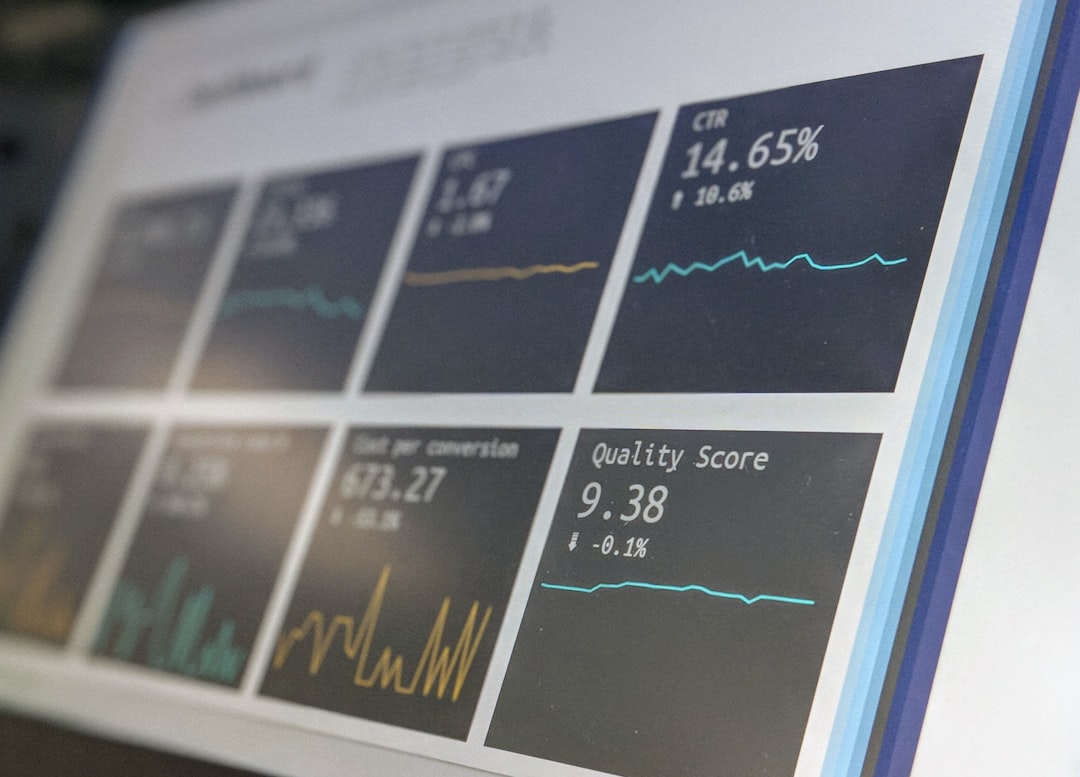
The best model is not carrier monitoring versus third-party monitoring. It is both. Carrier data gives upstream context. Independent monitoring gives user impact. Together, they shorten the time from confusion to action.
A strong operating model might look like this:
- Minute 0 to 3: Synthetic checks detect rising packet loss or failed SMS delivery.
- Minute 3 to 8: SD-WAN sees Verizon path failure at several branches and shifts traffic to another link.
- Minute 8 to 15: Internal incident channel opens with affected regions, apps, and device groups listed.
- Minute 15 to 30: Carrier support ticket is opened with timestamps, SIM groups, test results, and location data.
- Minute 30 onward: Customer support receives approved wording, and operations tracks recovery by transaction success rate.
This trims guesswork. It also reduces blame games. If Verizon data is weak but internal LTE tests fail in five cities, the team has enough proof to act. If only one branch fails, the issue may be local hardware, SIM provisioning, antenna placement, or a firewall rule.
Metrics that matter during a cellular outage
Teams should track metrics that tie network health to real work. Raw uptime is not enough.
- Failed session rate: The share of devices unable to establish a usable data session.
- SMS delivery delay: Median and 95th percentile delivery time for verification codes or alerts.
- Call setup failure: Failed voice attempts as a percentage of total attempts.
- Transaction failure: Failed sales, uploads, scans, forms, or dispatch updates.
- Failover time: Seconds needed to move traffic from Verizon to another path.
- Mean time to alert: Time from first user impact to first actionable internal alert.
For example, a logistics firm monitoring 1,000 handhelds might set an alert when more than 6% fail sync checks for five minutes. A stricter alert could trigger if delivery route updates fail in three metro areas at once. Those rules are far more useful than waiting for a general provider notice.
What businesses should do after the January 14 outage
Each affected organization should run a short post-incident review. The goal is not to blame one provider. The goal is to avoid being blind next time.
Recommended actions include:
- Add carrier diversity: Critical sites should not depend on one mobile network.
- Test failover monthly: A backup that has not been tested is only a hope.
- Monitor real workflows: Track logins, payments, scans, calls, and uploads, not just ping tests.
- Create outage playbooks: Support teams need approved messages before social complaints spike.
- Tag SIMs and devices: Asset data should show carrier, plan, region, device type, and business owner.
- Review contracts: SLAs, escalation paths, account contacts, and reporting rights should be clear.

FAQ
Was the Verizon outage on January 14, 2026 limited to one service?
Reports suggested several service types may have been affected, including voice, SMS, and mobile data. The exact scope depends on region, device type, plan, and enterprise configuration.
Why can a phone show signal during an outage?
The signal icon mainly shows radio connection strength. Apps and calls can still fail if authentication, routing, core network, DNS, IMS voice, or data services have trouble.
Are carrier status pages reliable?
They are useful, but they are not enough. They may lag user impact, miss customer-specific problems, or show broad summaries that do not match a company’s workflow failures.
What is the best alternative to carrier monitoring?
The best option is layered monitoring. Real devices, synthetic tests, SD-WAN telemetry, app monitoring, and ticket analytics work better together than any single tool.
How can companies reduce damage from the next carrier outage?
They should use more than one carrier, test failover, monitor real user activity, and prepare response messages in advance. Fast detection often saves more money than a longer post-outage report.