Quick Response (QR) codes have evolved from simple black-and-white squares into powerful gateways between physical and digital experiences. Today’s businesses use them for marketing campaigns, customer engagement, secure payments, product authentication, event management, and performance tracking. As expectations grow, so does the need for QR code tools that offer far more than basic code generation. Choosing the right platform can directly impact brand perception, data insights, and operational efficiency.
TLDR: Modern businesses need QR code tools that go beyond static black squares and offer branding, analytics, dynamic editing, and integrations. The best platforms provide customization options, enterprise-grade security, campaign tracking, and scalable management features. This article compares top QR code tools designed for serious business use and includes a side-by-side comparison chart to help decision-makers choose wisely.
Gone are the days when a free, static QR code generator was enough. Businesses now expect measurable ROI, high customization, and real-time performance data. Whether you operate a multinational retail brand or a growing startup, selecting the right QR code solution requires careful assessment of functionality, scalability, and long-term reliability.
What Modern Businesses Should Expect from QR Code Tools
Before exploring specific platforms, it is important to define what separates professional-grade tools from basic generators. Leading QR code solutions typically offer:
- Dynamic QR Codes: Editable destinations without reprinting materials.
- Advanced Analytics: Scan tracking by time, location, device type, and campaign.
- Brand Customization: Logos, colors, frames, and design templates.
- Security Features: Encrypted links, password protection, and role-based access.
- Integration Capabilities: Compatibility with CRM systems, marketing platforms, and APIs.
- Bulk and Enterprise Management: Large-scale deployment and user controls.
Businesses that rely on QR codes for customer interaction, payments, or distributed marketing materials cannot afford performance gaps or limited analytics. A robust tool becomes a strategic asset rather than a simple utility.

Top QR Code Tools for Businesses
1. QR Code Generator Pro
QR Code Generator Pro is widely recognized for its balance of usability and enterprise-grade features. It supports both static and dynamic QR codes and provides in-depth performance data for ongoing campaigns.
Key Strengths:
- Comprehensive analytics dashboard
- Strong branding customization
- Bulk QR creation tools
- GDPR compliance and data security features
This platform is particularly suitable for mid-sized to large marketing teams that require data-driven decision-making.
2. Beaconstac
Beaconstac positions itself as an enterprise-focused QR platform, offering advanced security, API integration, and automation tools. It integrates seamlessly with CRM systems such as Salesforce and HubSpot.
Key Strengths:
- Enterprise-level security (SOC 2 compliant)
- Granular user permissions
- Comprehensive API access
- Location and device-based analytics
Large organizations that prioritize security and scalable infrastructure often favor Beaconstac.
3. The QR Code Generator (by Bitly)
As part of the Bitly ecosystem, this tool excels in link management and campaign performance tracking. It combines QR functionality with advanced URL shortening and branded links.
Key Strengths:
- Seamless integration with link management tools
- Strong click and scan analytics
- Reliable infrastructure
- Brand link customization
Marketing teams already leveraging Bitly for digital tracking benefit from unified reporting across channels.
4. Scanova
Scanova is known for enterprise features paired with an intuitive interface. It is suitable for businesses that want powerful functionality without complexity.
Key Strengths:
- Extensive design flexibility
- High-resolution print-ready codes
- Password-protected access
- Real-time editing and redirection
Scanova is often selected for product packaging, print advertising, and retail applications.
5. Flowcode
Flowcode emphasizes design-forward QR solutions that align with brand identity. It is especially popular among consumer-facing brands and event organizers.
Key Strengths:
- Highly customizable visuals
- Performance analytics
- Easy onboarding
- Strong brand alignment features
Companies seeking aesthetically refined QR placements in high-visibility campaigns may prefer Flowcode.
Comparison Chart: Leading QR Code Tools
| Platform | Dynamic QR Codes | Advanced Analytics | Enterprise Security | API Integration | Best For |
|---|---|---|---|---|---|
| QR Code Generator Pro | Yes | Yes | Moderate to High | Available | Marketing Teams, Mid to Large Businesses |
| Beaconstac | Yes | Yes | High (SOC 2) | Extensive | Enterprise Organizations |
| Bitly QR Code Generator | Yes | Strong Link Analytics | Moderate | Integrated with Bitly | Digital Marketing Campaigns |
| Scanova | Yes | Yes | Moderate | Limited | Retail and Print Applications |
| Flowcode | Yes | Yes | Moderate | Limited | Brand-Focused Campaigns |
Key Considerations When Choosing a QR Code Tool
Not all QR deployments are equal. A restaurant menu QR differs significantly from a global product packaging system. Decision-makers should evaluate tools based on specific operational needs.
1. Scalability
If your organization plans to expand campaigns across multiple regions or product lines, bulk generation and role-based management become critical. Enterprise dashboards reduce administrative overhead.
2. Data and Analytics Depth
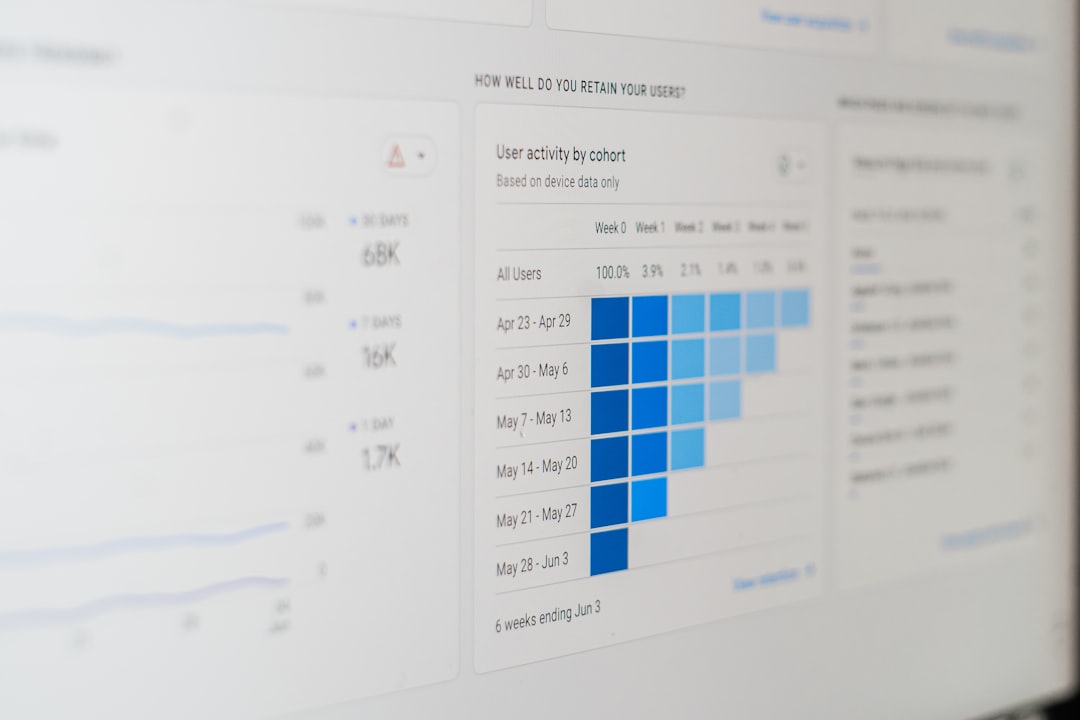
Meaningful insights help refine marketing strategies. Advanced dashboards that track:
- Geographic scan distribution
- Device types and operating systems
- Time-of-day engagement trends
- Conversion paths
can dramatically improve campaign optimization.
3. Brand Integrity
Generic black squares do little to enhance brand recognition. Modern QR codes can be styled with:
- Brand colors
- Embedded logos
- Custom frames and calls to action
- Rounded modules or unique patterns
However, customization must be balanced with scannability. A professional tool ensures design adjustments do not compromise performance.
4. Security and Compliance
For industries such as healthcare, finance, and manufacturing, QR codes may link to confidential data or regulatory content. Encryption, audit logs, and access management features safeguard operations. Compliance with standards such as GDPR and SOC 2 is increasingly essential.
5. Integration with Existing Systems
QR tools that integrate with CRMs, email marketing platforms, and payment systems offer better workflow efficiency. Through APIs, businesses can automate code deployment and customer tracking without manual intervention.
Real-World Business Applications
Forward-thinking companies are leveraging QR codes in ways that extend beyond marketing.
- Retail: Interactive packaging that links to product tutorials, warranties, or upsells.
- Manufacturing: Equipment tracking, safety documentation access, and serial number validation.
- Hospitality: Contactless menus, mobile check-ins, and loyalty programs.
- Events: Ticket validation, networking information sharing, and attendee engagement tracking.
- Healthcare: Patient information access, prescription linking, and secure appointment systems.

In each case, the QR code functions as a bridge between physical interaction and digital insight. The better the platform, the stronger that bridge becomes.
Why Free Generators Are Often Not Enough
Free QR code generators typically offer static codes with limited or no analytics. While suitable for personal use, they present significant drawbacks for businesses:
- No ability to update destination URLs after printing
- Limited design options
- No scan tracking or reporting
- No team management features
- Uncertain long-term reliability
For campaigns requiring measurable ROI or long-term deployment, professional platforms deliver stability and accountability.
The Strategic Value of Investing in the Right Tool
QR technology is no longer experimental. It has become an established channel for mobile engagement. As consumer familiarity increases, so do expectations for seamless experiences. Businesses that invest in advanced QR tools gain:
- Improved brand consistency
- Reliable performance data
- Greater campaign agility
- Enhanced customer trust
- Scalable infrastructure for growth
Ultimately, QR codes represent more than graphics printed on packaging or posters. They are dynamic connection points linking customers to digital ecosystems. Choosing a sophisticated platform ensures these connections remain secure, measurable, and aligned with strategic goals.
Conclusion
The era of simple black squares is over. Businesses now require QR code tools that integrate branding, analytics, scalability, and security into a unified solution. Platforms such as QR Code Generator Pro, Beaconstac, Bitly’s QR solutions, Scanova, and Flowcode offer serious capabilities for serious organizations.
By carefully evaluating operational needs, security requirements, and long-term growth objectives, companies can select a platform that turns QR codes from static images into data-driven performance assets. In a competitive landscape where measurable engagement matters, the right QR code tool is not a decorative add-on—it is a strategic investment.