Exact Path is the best fit when a school wants assessment-driven learning paths tied to intervention, while IXL and Freckle are often better for daily practice and fast teacher-led assignments. Edmentum describes Exact Path as a K-12 program for math, reading, and language arts that uses diagnostic data to create individualized paths [source: Edmentum]. That framing matters. Some platforms are built for district planning. Others are built for quick classroom use.
TLDR: If you need a serious intervention platform, start with Exact Path. If you need broad practice with clear skill coverage, compare IXL. If teachers want simple assignments and small-group support, Freckle is easier to roll out. For example, a 1,200-student district could run 45 minutes per week in Exact Path, then check growth after 12 weeks by grade level, usage minutes, and standard mastery.

1. Edmentum Exact Path
Best for: districts that need diagnostic data, personalized learning paths, and intervention reporting.
Exact Path stands out because it connects assessment results to student lessons. That saves time for intervention teams. A student can take an assessment, receive a learning path, and work through targeted lessons at a level that fits current needs.
The platform is most useful when leaders need to answer hard questions. Which students are below grade level? Which skills are missing? Which students are making progress after extra support?
- Strengths: diagnostic placement, intervention tracking, K-12 coverage, clear skill paths.
- Weak spots: setup can feel heavier than classroom-only tools.
- Good fit: RTI, MTSS, summer school, credit recovery support, and district-wide remediation.
The catch is that teachers may need training before it feels natural. If a district skips that step, usage can drop fast. Exact Path is not just a “log in and practice” tool. It works best when the school has a plan.
2. IXL
Best for: structured practice across many subjects and grade levels.
IXL is one of the most recognized adaptive practice tools. It covers math, language arts, science, social studies, and Spanish. Its skill library is large, and teachers can assign practice by standard, grade, or topic.
IXL’s SmartScore gives students constant feedback. Some teachers like this because it pushes mastery. Some students find it annoying because a wrong answer can lower the score. Honestly, it feels like the kind of feature that helps disciplined students but frustrates others after a few mistakes.
- Strengths: huge skill bank, clear standards alignment, fast assignment creation.
- Weak spots: practice can feel repetitive, and the scoring system can create stress.
- Good fit: homework, test prep, skill review, and daily warmups.
IXL is not always the deepest intervention tool. But for steady practice, it is hard to ignore.
3. Freckle by Renaissance
Best for: teachers who want adaptive math and reading practice without a heavy setup process.
Freckle is classroom friendly. It is often easier to start than larger district systems. Teachers can assign work, let students practice at their own level, and group students based on performance.
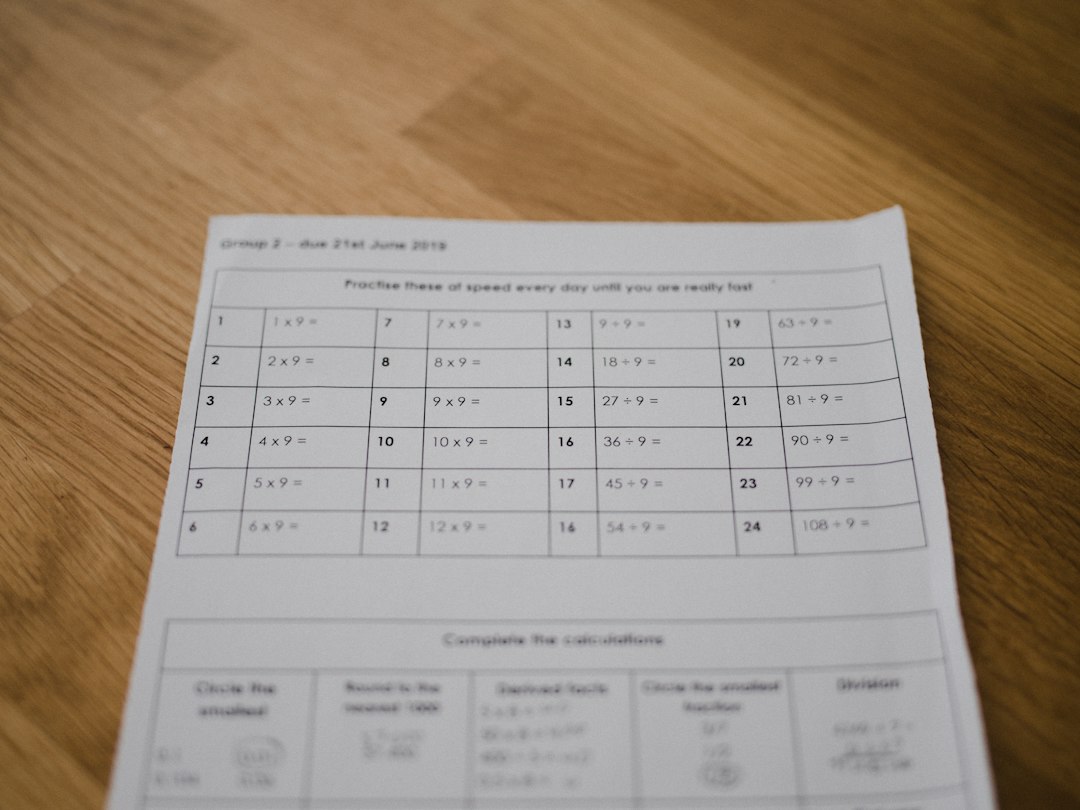
Freckle is especially useful in mixed-ability classrooms. One student may work on basic multiplication. Another may work on fractions. Both can be active in the same class period.
- Strengths: simple interface, adaptive practice, useful grouping tools.
- Weak spots: reporting may not satisfy every district data team.
- Good fit: elementary and middle school classrooms, centers, and small-group rotation.
Expect to waste time on cleanup if class rosters are messy. That is not unique to Freckle, but it can slow down early adoption.
4. DreamBox Math
Best for: math personalization with strong student interaction.
DreamBox focuses on math. It adjusts lessons based on how students solve problems, not only whether they get answers right. That can be useful because it looks at strategy and behavior during the task.
The program is known for visual lessons and game-like activities. Younger students may find it more engaging than plain practice sets. Teachers also get reports on progress and usage.
- Strengths: adaptive math lessons, strong visual design, good for conceptual learning.
- Weak spots: narrower subject coverage than IXL or Exact Path.
- Good fit: elementary math, intervention blocks, and math centers.
DreamBox is a strong option when math is the main problem. If a school needs reading and language arts in the same system, it may need another tool beside it.
5. i-Ready
Best for: schools that want assessment, instruction, and growth reporting in one system.
i-Ready is widely used in U.S. schools. It combines diagnostic assessment with online instruction in reading and math. Administrators often like it because the data is easy to review across classes and grade levels.
For teachers, i-Ready can help identify groups of students who need the same skill. It also gives lesson recommendations. That is useful when planning intervention blocks or reteaching days.
- Strengths: diagnostic data, reading and math support, strong district reporting.
- Weak spots: students may see it as test-like, especially during long sessions.
- Good fit: district assessment plans, intervention, and progress checks.
Quick Comparison
- Choose Exact Path if intervention and learning paths are the top need.
- Choose IXL if teachers need broad skill practice and quick assignments.
- Choose Freckle if ease of classroom use matters most.
- Choose DreamBox if math growth is the main goal.
- Choose i-Ready if district-wide assessment and reporting are central.
How to Pick the Right Platform
Do not start with the sales demo. Start with the problem. A school trying to reduce math gaps in grades 3-5 has different needs than a district trying to track reading intervention across 20 schools.
Ask these questions before signing a contract:
- What data do we already have? If assessments are already in place, check whether the platform can use them.
- How much teacher time is required? A tool that needs constant setup may fail in busy classrooms.
- Will students use it weekly? Even the best program fails with low usage.
- Can reports guide real decisions? Pretty charts are not enough. Reports should tell educators what to do next.
Final recommendation: Exact Path is the most serious choice for structured personalized learning tied to intervention. IXL is the strongest general practice tool. Freckle is the easiest classroom companion. DreamBox is best for math depth, while i-Ready is strong for districts that want assessment and instruction in one place.