The best Benchling alternative is the one that matches how your lab actually works. If you handle regulated samples, pick a true LIMS. If you run discovery research, pick a flexible ELN plus inventory tool. Benchling is strong, but some labs need deeper sample tracking, easier compliance, or cleaner reporting. For regulated records, rules like 21 CFR Part 11 cover electronic records and signatures [source: eCFR].
TLDR: The four best Benchling alternatives are LabWare LIMS, LabVantage, STARLIMS, and eLabNext. For example, a 12-person QC lab processing 300 samples per week may save hours by using barcode-driven sample intake instead of manual spreadsheet checks. If your top need is compliance, start with LabWare or LabVantage. If your team wants a lighter research setup, eLabNext feels less heavy.
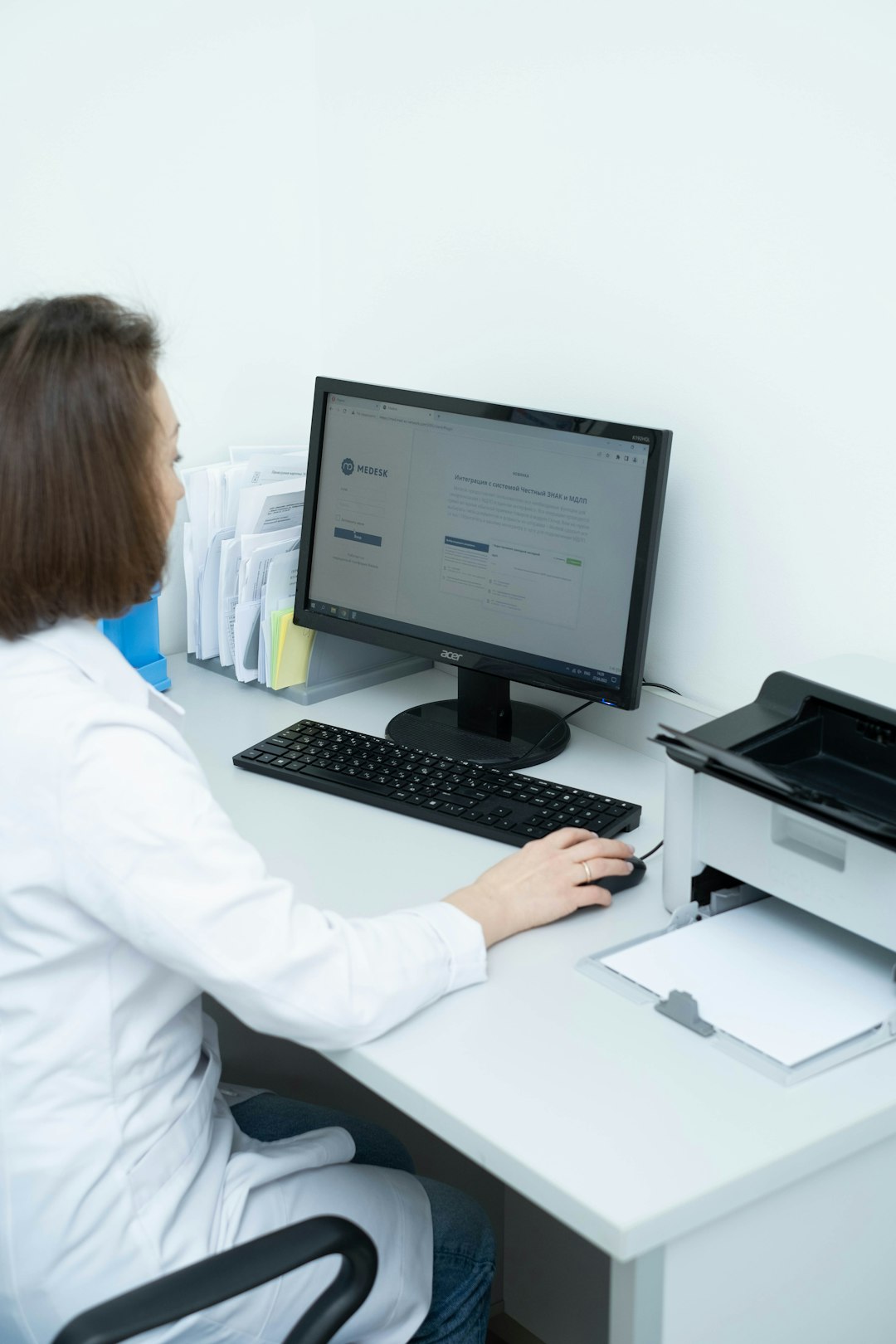
1. LabWare LIMS: Best for regulated labs that hate chaos
LabWare LIMS is a serious lab management platform. It is built for labs with strict workflows, audits, and high sample volume. Think pharma QC, contract testing, food safety, and manufacturing labs.
It handles sample login, chain of custody, test assignments, results, approvals, reports, and audit trails. It can also connect with instruments and business systems. That matters when your lab cannot afford copy and paste mistakes.
Best for:
- Pharma and biotech QC labs
- Labs with strict SOPs
- High-volume sample testing
- Teams that need strong audit trails
Why pick it over Benchling? LabWare is stronger when the lab is driven by samples and tests, not just research notes. It is built for repeatable lab operations. Benchling can feel smoother for early research, but LabWare often wins when compliance gets serious.
The annoying bit? Setup can feel heavy. Expect planning meetings. Lots of them. But once it runs, it can keep a busy lab from turning into a sticky-note disaster.
2. LabVantage: Best for enterprise labs with many teams
LabVantage is another big name in LIMS. It works well for large labs with many users, many sites, and many rules. It supports LIMS, ELN, inventory, stability studies, and quality workflows.
This is a good pick if your lab wants one place for sample data, test data, and compliance records. It can support role-based access, electronic signatures, and full sample lifecycles.
Best for:
- Enterprise research groups
- Global lab networks
- Biobanks and clinical research labs
- Labs replacing old custom systems
Why pick it over Benchling? LabVantage is often a better fit for complex lab operations across departments. Benchling shines for biology research and collaboration. LabVantage is better when the boss asks, “Can we standardize this across five sites?”
Honestly, it feels like some enterprise tools were made by people who never had to label 96 tubes before lunch. LabVantage is not perfect, but it does understand structured lab work.
3. STARLIMS: Best for testing labs and public health workflows
STARLIMS is a strong LIMS for testing-heavy labs. It is used in areas like public health, forensics, food testing, environmental testing, and manufacturing quality.
It focuses on sample tracking, test management, data review, reporting, and compliance. If your lab receives samples from outside groups, runs fixed test panels, and sends official reports, STARLIMS may fit better than Benchling.
Best for:
- Public health labs
- Forensic labs
- Environmental testing labs
- Food and beverage labs
Why pick it over Benchling? STARLIMS is made for sample intake and reporting. Benchling is better for research design and experiment records. If your lab runs tests like a service center, STARLIMS is usually the more natural choice.
The catch is that it may feel too much for a small discovery team. If you only need project notes, plasmid tracking, and some inventory, this may be more system than you need.
4. eLabNext: Best for small research labs that want sanity
eLabNext is a friendly option for research teams. It combines an ELN, sample management, inventory, protocols, and equipment booking. It is often easier for smaller teams to adopt than a huge LIMS.
It fits academic labs, startups, and R&D teams that need better structure without a giant rollout. Users can track samples, link them to experiments, store protocols, and manage freezer boxes.
Best for:
- Academic research labs
- Biotech startups
- Small R&D teams
- Labs moving away from paper notebooks
Why pick it over Benchling? eLabNext can feel simpler. It is nice for labs that do not need the full Benchling ecosystem. If your team just wants ELN, inventory, and sample links without a massive training curve, this is worth a look.
Quick comparison
- LabWare LIMS: Best for regulated QC and high sample volume.
- LabVantage: Best for large lab networks and enterprise control.
- STARLIMS: Best for testing labs with strong reporting needs.
- eLabNext: Best for small research teams and simple adoption.
How to choose without losing your mind
Start with your main pain. Do not start with feature lists. Those turn into soup fast.
Ask these questions:
- Do we track samples more than experiments? Pick a LIMS-first tool.
- Do we need strict audits? Check electronic signatures and audit trails early.
- Do we run the same tests daily? Look at LabWare, LabVantage, or STARLIMS.
- Do we mainly do research notes and inventory? Try eLabNext.
- Do we need multi-site control? LabVantage may be the safer bet.
Final pick: Choose LabWare for regulated lab operations. Choose LabVantage for enterprise scale. Choose STARLIMS for testing and reporting. Choose eLabNext for research teams that want clean lab records without a giant software project.
Benchling is not bad. Not at all. But if your samples keep vanishing into spreadsheets, or your audit prep feels like a fire drill, one of these four platforms may fit your lab much better.