Modern kitchens are undergoing a quiet but transformative revolution. What was once a collection of standalone appliances has become an interconnected ecosystem of intelligent devices designed to save time, reduce effort, and improve cooking results. Smart kitchen technology is not about novelty; it is about creating a streamlined, efficient environment that supports precision, convenience, and consistency. As households become busier and expectations around health and sustainability grow, advanced kitchen tools are becoming essential rather than optional.
TLDR: Smart kitchen technology combines connectivity, automation, and intelligent design to simplify food preparation and improve cooking accuracy. From app-controlled ovens and smart refrigerators to voice assistants and precision cookers, these tools save time and reduce guesswork. Integrated systems help manage groceries, minimize waste, and ensure consistent results. Investing in the right smart appliances can significantly enhance efficiency, safety, and overall kitchen performance.
Today’s smart kitchens integrate hardware, software, and mobile connectivity to create seamless experiences. Through mobile applications, voice commands, and data-driven automation, users can monitor, adjust, and optimize almost every stage of the cooking process. This transformation is powered by several central innovations.
Smart Ovens and Ranges
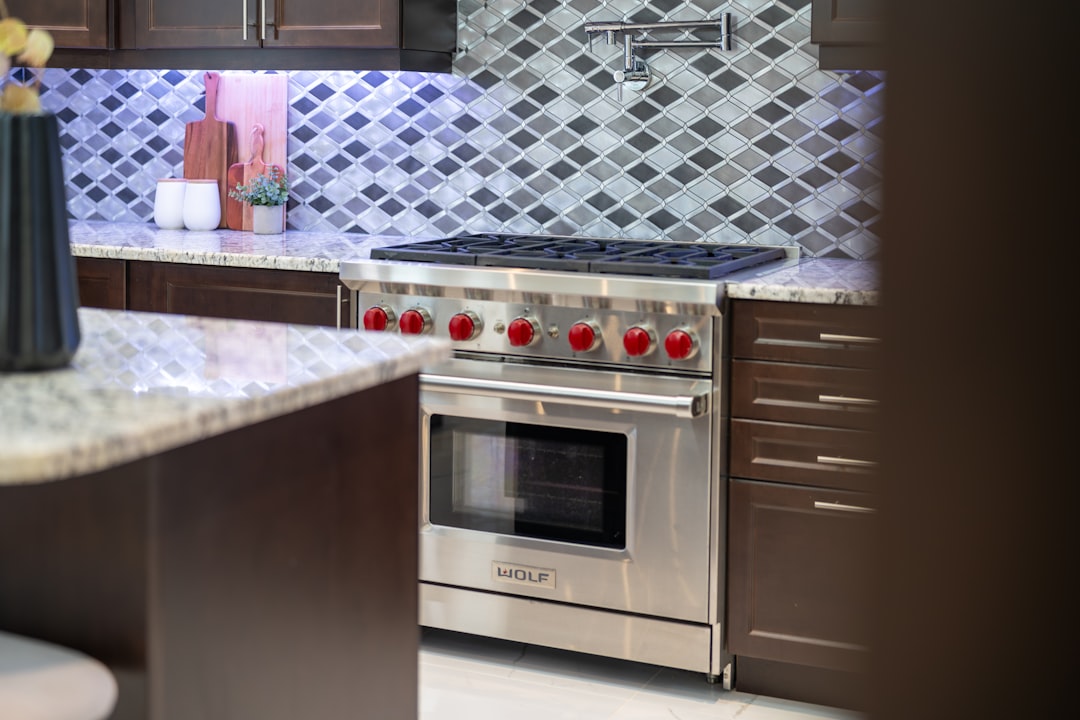
One of the most significant advancements is the introduction of smart ovens and ranges. Unlike traditional ovens, these appliances come equipped with Wi-Fi connectivity, temperature sensors, and built-in cooking programs.
Key capabilities typically include:
- Remote preheating and temperature adjustments via smartphone.
- Automated cooking presets for common dishes such as roasted meats, baked goods, and casseroles.
- Internal food probes that monitor core temperatures and adjust heat automatically.
- Voice control integration through platforms like Alexa or Google Assistant.
These features eliminate much of the traditional monitoring required during cooking. For example, a smart oven can detect when a roast has reached its optimal temperature and switch to warming mode automatically. This reduces the risk of overcooking and saves valuable time.
Intelligent Refrigerators
Smart refrigerators are redefining food storage and grocery management. Equipped with internal cameras and inventory tracking systems, they allow users to check contents remotely through mobile apps. This can significantly reduce unnecessary purchases and food waste.
Advanced models provide:
- Expiration date tracking with automatic reminders.
- Recipe suggestions based on available ingredients.
- Energy efficiency monitoring to reduce power consumption.
- Touchscreen interfaces for family notes, calendars, and meal planning.
The integration of artificial intelligence enables refrigerators to recommend meals based on nutrition goals or dietary restrictions. Over time, these systems learn user habits and make increasingly relevant suggestions. In households focused on health and sustainability, this functionality proves especially valuable.
Precision Cooking with Smart Countertop Devices
Smart countertop appliances bring professional-level precision into residential kitchens. Devices such as smart sous vide machines, pressure cookers, and multi-cookers automate complex cooking processes and reduce preparation time significantly.

Consider a smart sous vide device. By circulating water at an exact temperature, it ensures perfectly cooked proteins every time. Through a connected app, users can:
- Select specific doneness levels.
- Access guided recipes.
- Receive notifications when cooking is complete.
- Monitor temperature stability in real time.
Similarly, multifunctional smart pressure cookers combine sautéing, steaming, slow cooking, and pressure cooking into a single appliance. Many models adjust cooking time automatically based on food weight and density, minimizing guesswork and preventing undercooked meals.
Smart Dishwashers and Cleaning Systems
Efficiency extends beyond cooking into cleanup. Smart dishwashers detect load size and soil levels to optimize water use and detergent consumption. Through mobile notifications, users can track cycle progress and receive maintenance alerts.
Important features include:
- Automatic cycle optimization based on sensor readings.
- Remote start and delay timers for off-peak energy usage.
- Self-cleaning filters and diagnostic alerts.
- Water usage tracking for sustainability goals.
These technologies not only improve convenience but also support environmental responsibility by minimizing excess water and electricity consumption.
Voice Assistants and Centralized Control
A defining element of the smart kitchen is centralized command. Voice assistants act as the connective tissue between devices. Through simple spoken instructions, users can:
- Set timers and alarms.
- Convert measurement units instantly.
- Read out step-by-step recipes.
- Control lighting and adjust appliance settings.
This hands-free capability is particularly valuable during food preparation when hands may be wet or occupied. In addition, integrated lighting systems can automatically adjust brightness based on time of day or specific cooking tasks.

Smart Scales and Measuring Tools
Precision is often the difference between average and exceptional results. Smart kitchen scales connect to mobile applications and calculate ingredient proportions automatically. For bakers, this eliminates manual conversions and reduces error margins.
Advanced capabilities often include:
- Nutritional breakdowns in real time.
- Portion size recommendations aligned with dietary goals.
- Automatic unit conversion between metric and imperial systems.
- Recipe scaling for larger or smaller servings.
These tools are particularly helpful for individuals managing specific calorie targets or dietary restrictions.
Time Efficiency Through Automation
The most tangible benefit of smart kitchen technology is time savings. Automated scheduling allows users to program appliances in advance. A slow cooker can begin at a specific time, ensuring a meal is ready upon returning home. Ovens can be preheated remotely, shaving valuable minutes off preparation schedules.
Automation also reduces oversight. Smart systems issue alerts when food needs attention or when maintenance is required. This proactive communication prevents delays and interruptions during busy routines.
Safety Enhancements
Safety is often overlooked in discussions about kitchen innovation, yet it remains critical. Smart technology improves safety in several meaningful ways:
- Automatic shut-off features prevent overheating and fires.
- Gas leak detection sensors provide instant alerts.
- Child lock systems restrict appliance access.
- Notification systems alert users if a burner remains on.
These safeguards create peace of mind, especially in households with children or elderly family members.
Energy Efficiency and Sustainability
Energy-efficient operation is not only environmentally responsible but also cost-effective. Smart appliances continuously monitor energy consumption and adjust performance levels accordingly. Some systems recommend optimal usage times based on local energy demand, reducing utility costs.
Refrigerators regulate cooling based on load levels. Dishwashers optimize water flow. Ovens distribute heat more evenly to minimize cooking duration. These incremental efficiencies accumulate into measurable savings over time.
Data-Driven Personalization
As artificial intelligence evolves, smart kitchens are becoming increasingly personalized. Devices learn cooking habits and adapt accordingly. If a user frequently prepares vegetarian meals, recipe suggestions will prioritize plant-based options. If certain cooking times are preferred, the system will retain those adjustments.
Over time, the kitchen transforms into a responsive environment that anticipates needs rather than simply reacting to commands.
Practical Considerations Before Investing
While smart kitchen technology offers compelling advantages, careful selection is essential. Consumers should evaluate:
- Compatibility across devices and platforms.
- Security features to protect connected networks.
- Ease of software updates for long-term viability.
- Warranty and support policies.
Integration is most effective when devices communicate within a unified ecosystem. Fragmented systems may limit functionality and create unnecessary complexity.
The Future of Smart Kitchens
The next stage of smart kitchen innovation will likely include deeper AI integration, robotics-assisted cooking, and enhanced sustainability analytics. Emerging prototypes already demonstrate robotic arms capable of performing repetitive culinary tasks. As costs stabilize and technology advances, such tools may become more commonplace.
Additionally, ongoing refinement of sensor accuracy and predictive algorithms will further reduce human intervention. The objective is not to replace creativity in cooking but to eliminate inefficiencies and repetitive tasks.
In conclusion, smart kitchen technology represents a meaningful evolution in domestic life. By combining connectivity, automation, and precision, it simplifies complex processes and accelerates meal preparation without sacrificing quality. Beyond convenience, these systems enhance safety, improve nutritional awareness, and promote sustainability. For individuals seeking a more efficient and reliable cooking experience, investing in intelligent kitchen solutions is both practical and forward-thinking.