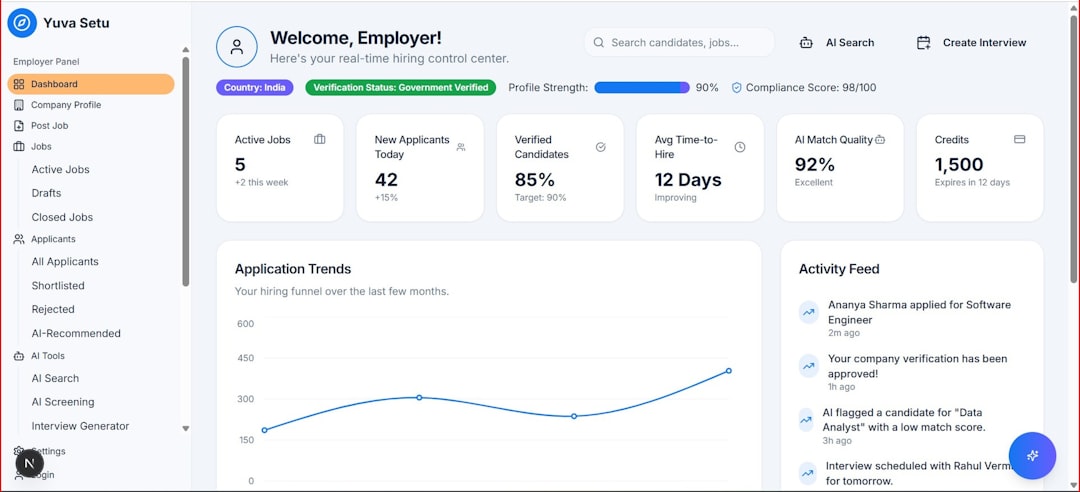
Sales performance management is the structured discipline of helping a sales organization set goals, track execution, reward outcomes, and improve future results. It combines software, metrics, compensation design, forecasting, coaching, and governance into one operating model. When done well, it gives leaders a reliable view of revenue health and gives salespeople clarity on what is expected, how they are paid, and where to focus their time.
TLDR: Sales performance management helps companies align sales strategy, daily activity, compensation, and forecasting in a measurable way. For example, a B2B software company that improves forecast accuracy from 68% to 85% can plan hiring, cash flow, and marketing investment with much greater confidence. Strong SPM programs typically combine clear KPIs, transparent incentive plans, consistent pipeline reviews, and software that reduces manual spreadsheet work. The goal is not only to measure salespeople, but to create a fair, data-driven system that improves performance over time.
What Sales Performance Management Includes
Sales performance management, often shortened to SPM, is broader than simply tracking revenue. It connects several critical sales management functions:
- Goal setting: defining quotas, territories, targets, and strategic priorities.
- Performance monitoring: measuring sales activity, pipeline health, conversion rates, and revenue outcomes.
- Compensation management: designing and administering commissions, bonuses, accelerators, and incentives.
- Forecasting: estimating future sales based on pipeline, historical trends, deal probability, and rep judgment.
- Coaching and improvement: using data to identify skill gaps and guide better selling behavior.
In mature organizations, SPM is not treated as a quarterly reporting exercise. It is an ongoing management process supported by accurate data, disciplined reviews, and clear accountability.
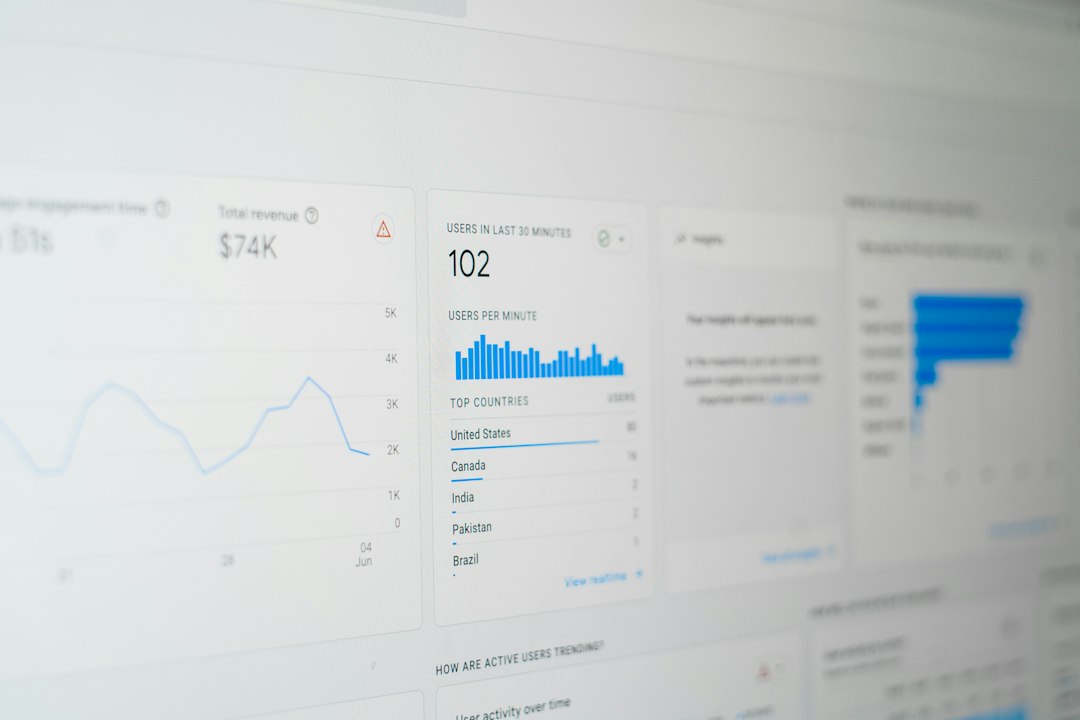
The Role of Sales Performance Management Software
Modern sales teams often manage hundreds or thousands of prospects, accounts, opportunities, territories, commission rules, and quota assignments. Relying on spreadsheets alone can create version control problems, delayed reporting, and compensation disputes. SPM software helps centralize these processes and make them more reliable.
Typical SPM software capabilities include:
- Quota and territory planning: assigning fair goals based on market potential, historical performance, and account value.
- Commission calculation: automating variable pay based on plan rules and sales results.
- Performance dashboards: showing real-time metrics by representative, team, region, product, or segment.
- Forecasting tools: consolidating pipeline data and improving visibility into expected revenue.
- Workflow approvals: supporting compensation exceptions, deal approvals, and target changes.
- Analytics: identifying trends, risks, and opportunities for improvement.
The best systems integrate with customer relationship management platforms, finance systems, human resources tools, and data warehouses. This integration matters because sales performance data is only useful if it is accurate, timely, and trusted by both management and the sales team.
Key Sales Performance Metrics
Choosing the right metrics is one of the most important decisions in SPM. Too few metrics can hide problems; too many can create confusion. A balanced scorecard should include both outcome metrics and leading indicators.
Common outcome metrics include:
- Revenue attainment: actual revenue compared with quota.
- Bookings or contract value: total value of signed deals within a period.
- Gross margin: revenue quality after accounting for cost.
- Win rate: percentage of opportunities closed successfully.
- Average deal size: average value of closed-won opportunities.
Important leading indicators include:
- Pipeline coverage: the ratio of open pipeline to quota, often targeted at 3x to 5x depending on win rates.
- Sales cycle length: average time from opportunity creation to close.
- Activity quality: meaningful customer meetings, proposals sent, product demonstrations, or executive conversations.
- Stage conversion rates: movement from one pipeline stage to the next.
- Customer retention and expansion: especially important for subscription and account-based businesses.
Metrics should be tied to strategy. A company focused on market share may emphasize new logos and pipeline creation. A company focused on profitability may emphasize margin, renewal quality, and disciplined discounting.
Compensation as a Performance Lever
Compensation is one of the strongest signals a company sends to its sales force. If a plan rewards only top-line revenue, representatives may prioritize volume over profitability or customer fit. If a plan is too complex, salespeople may not understand how to maximize earnings, which weakens motivation.
A good sales compensation plan should be clear, measurable, fair, and aligned with business goals. It commonly includes a base salary, variable commission, quota targets, and sometimes accelerators for overperformance. For example, a representative may earn 8% commission up to quota and 12% after exceeding 100% of quota. This type of accelerator can encourage strong performers to keep selling after reaching their target.
However, compensation plans must also be controlled. Excessive accelerators, unclear crediting rules, or frequent exceptions can create financial risk and internal distrust. Finance and sales leadership should jointly model compensation plans before launch, testing best-case, expected, and worst-case payout scenarios.

Forecasting: Turning Pipeline Into Business Confidence
Sales forecasting is the process of estimating future revenue based on current opportunities, historical performance, market conditions, and sales judgment. Accurate forecasting supports hiring plans, inventory decisions, cash management, investor communication, and marketing spend.
There are several common forecasting methods:
- Opportunity stage forecasting: assigning probability based on pipeline stage.
- Historical forecasting: projecting future sales based on previous periods.
- Rep-committed forecasting: asking salespeople to identify deals they believe will close.
- Predictive analytics: using data models to evaluate deal risk and expected close probability.
No method is perfect on its own. A serious forecasting process usually combines quantitative data with management review. For example, if a deal is in a late stage but has no confirmed decision maker, no legal review, and no recent customer engagement, its forecast category should be challenged. Forecast accuracy improves when pipeline definitions are consistent and managers inspect deal evidence rather than relying only on optimism.
Best Practices for Strong Sales Performance Management
Effective SPM requires discipline. The following practices help organizations build a system that is both performance-oriented and credible.
- Define performance clearly. Sales teams should know which results matter most and how success is measured. Quotas, territories, account ownership, and crediting rules must be documented.
- Use data that people trust. Poor CRM hygiene, duplicate records, and inconsistent opportunity stages can undermine the entire process. Establish data ownership and regular quality checks.
- Align incentives with strategy. If the company wants multi-year contracts, expansion revenue, or profitable growth, compensation should reflect those priorities.
- Review performance frequently. Monthly and quarterly reviews should examine pipeline quality, forecast changes, stalled deals, and coaching needs.
- Separate coaching from inspection. Managers should not only ask, “Will this deal close?” They should also ask, “What support does the rep need to improve the probability of closing?”
- Model compensation before implementation. Test payout scenarios to avoid unexpected cost increases or demotivating plan designs.
- Make forecasting evidence-based. Require clear exit criteria for each pipeline stage, such as budget confirmation, decision process, technical validation, or legal review.
Common Mistakes to Avoid
Many sales performance programs fail because they become overly administrative or politically disputed. A common mistake is building compensation plans that are too complicated, with too many modifiers and exceptions. Another is setting quotas without considering territory potential, market conditions, or rep ramp time. This can create perceptions of unfairness and reduce morale.
Organizations also make mistakes when they focus only on lagging results. By the time quarterly revenue is missed, it is often too late to correct the underlying issue. Leading indicators such as pipeline creation, conversion rates, and deal velocity provide earlier warnings.

Building a High-Trust SPM Culture
The most effective sales performance management systems create trust. Salespeople trust that they are measured fairly and paid accurately. Managers trust the data enough to coach decisively. Executives trust forecasts enough to make strategic decisions.
This level of trust does not come from software alone. It comes from transparent rules, consistent management behavior, accurate data, and a willingness to refine the system as the business changes. Software can automate and scale the process, but leadership must still define the standards.
In a serious sales organization, SPM is not a surveillance mechanism. It is a management framework for improving execution, rewarding valuable behavior, and making revenue more predictable. Companies that approach it with rigor are better positioned to grow efficiently, retain strong sellers, and make confident decisions in changing markets.