
Retirement no longer signals the end of professional identity. For many retired professionals, consultants, volunteers, mentors, hobby entrepreneurs, and community leaders, a business card remains a useful and meaningful way to share contact information. Retiree business cards can be practical, elegant, playful, or highly creative, depending on how the individual wants to be remembered.
TLDR: Retiree business cards help retired individuals stay connected, promote side ventures, support volunteer work, or simply share personal contact details in a polished way. The best designs combine readability, personality, and a clear purpose. Professional examples often use refined typography and minimal layouts, while creative examples may include hobbies, illustrations, colors, or personal titles. A well-designed card allows retirees to present themselves confidently in both social and professional settings.
Why Retirees Still Use Business Cards
Although digital communication dominates modern networking, a printed card still carries charm, convenience, and credibility. Retirees often meet new people at conferences, social clubs, charity events, travel groups, local business gatherings, or volunteer organizations. In these settings, handing over a card can feel more graceful than spelling out an email address or asking someone to type a phone number into a device.
A retiree may no longer need a corporate title, but there are many reasons a card remains valuable. Some retirees pursue consulting work after leaving full-time employment. Others launch small businesses, teach workshops, write books, manage nonprofit activities, or offer mentoring services. Some simply want a beautiful personal card that includes their name, phone number, email address, and perhaps a short phrase that reflects their interests.
A retiree business card is not merely a contact tool; it is a compact expression of identity, experience, and lifestyle.
Key Elements of an Effective Retiree Business Card
A strong retiree business card balances clarity with personality. Since the card may be used in a wide range of situations, it should avoid clutter and focus on the most important details.
- Name: The retiree’s full name should be the most visible element.
- Preferred title or description: This might be “Consultant,” “Retired Educator,” “Mentor,” “Artist,” “Volunteer Coordinator,” or “Travel Writer.”
- Contact details: A phone number, email address, website, or social profile may be included.
- Personal brand statement: A brief line can explain the retiree’s focus or personality.
- Visual style: Colors, fonts, icons, and textures should fit the person’s character and purpose.
Readability is especially important. Small, decorative fonts may look attractive but can become difficult to read. A slightly larger type size, strong contrast, and generous spacing make the card more practical for recipients of all ages.
Professional Design Examples for Retirees
Professional retiree business cards often suit former executives, consultants, financial advisors, educators, engineers, healthcare professionals, and legal professionals who continue to offer expertise. These cards tend to use restrained colors, clean typography, and simple layouts.
1. The Executive Consultant Card
This design usually features a white, charcoal, navy, or ivory background with a sophisticated serif or sans-serif font. The retiree’s name appears prominently, followed by a title such as “Independent Consultant” or “Strategic Advisor.” Contact details are arranged neatly beneath the title.
A thin line, small monogram, or understated geometric symbol can add visual interest without making the card feel busy. This style communicates authority, precision, and trust.
2. The Retired Educator Card
A retired teacher, professor, tutor, or academic mentor may prefer a warmer design. Soft blues, greens, cream backgrounds, or subtle paper textures work well. The card might include a title such as “Retired Professor and Academic Mentor” or “Education Consultant.”
An elegant book icon, fountain pen illustration, or simple line drawing can reinforce the academic theme. The overall impression should be approachable, knowledgeable, and supportive.

3. The Healthcare Professional Card
Retired doctors, nurses, therapists, and healthcare administrators sometimes remain active as speakers, patient advocates, writers, or wellness consultants. Their cards often benefit from calm colors such as light blue, sage green, white, or soft gray.
The design should feel trustworthy and uncluttered. A simple medical symbol, wellness-inspired leaf, or abstract human figure may be included. However, retirees should be careful not to imply active licensure or services unless they are legally authorized to provide them.
4. The Legal or Financial Advisor Card
Retired attorneys, accountants, and financial professionals may need cards for board service, advisory roles, or community involvement. Traditional design choices work well here: deep navy, forest green, burgundy, gold accents, and classic serif fonts.
The card may include phrases such as “Retired Attorney,” “Board Advisor,” or “Financial Literacy Volunteer.” The goal is to communicate credibility without overstating current professional activity.
Creative Retiree Business Card Examples
Not every retiree wants a formal card. Many use retirement as a chance to explore creativity, humor, travel, art, gardening, writing, crafting, cooking, or personal passions. A creative card can be memorable and delightful while still remaining useful.
1. The Hobby Entrepreneur Card
Many retirees turn hobbies into small businesses. A gardener may sell plants, a woodworker may accept custom projects, a baker may take local orders, or a photographer may offer portrait sessions. These cards can use expressive colors, illustrations, and tactile finishes.
For example, a retired woodworker’s card might use a warm brown palette, woodgrain texture, and a simple tool icon. A baker’s card might feature soft pastel colors and a small whisk or cupcake illustration. The design should reflect the craft while keeping contact information easy to find.
2. The Travel Enthusiast Card
Retirees who travel frequently may use personal cards to stay in touch with people they meet on cruises, tours, volunteer trips, or international adventures. A travel-themed card could include a small globe, suitcase, compass, map pattern, or watercolor landscape.
The title might read “Retired and Roaming”, “Travel Writer”, or “Adventure Volunteer.” A website, blog, or social media handle can be added if the retiree documents travels online.
3. The Artist or Maker Card
Artists, painters, quilters, potters, jewelry makers, and craft instructors can use bold and colorful business cards. These designs may feature artwork samples, hand-drawn lettering, brush textures, or vibrant patterns.
However, the card should still function as a communication tool. The retiree’s name and contact details should not disappear into the artwork. A strong layout may place the artwork on one side and the contact information on the other.
4. The Volunteer and Community Leader Card
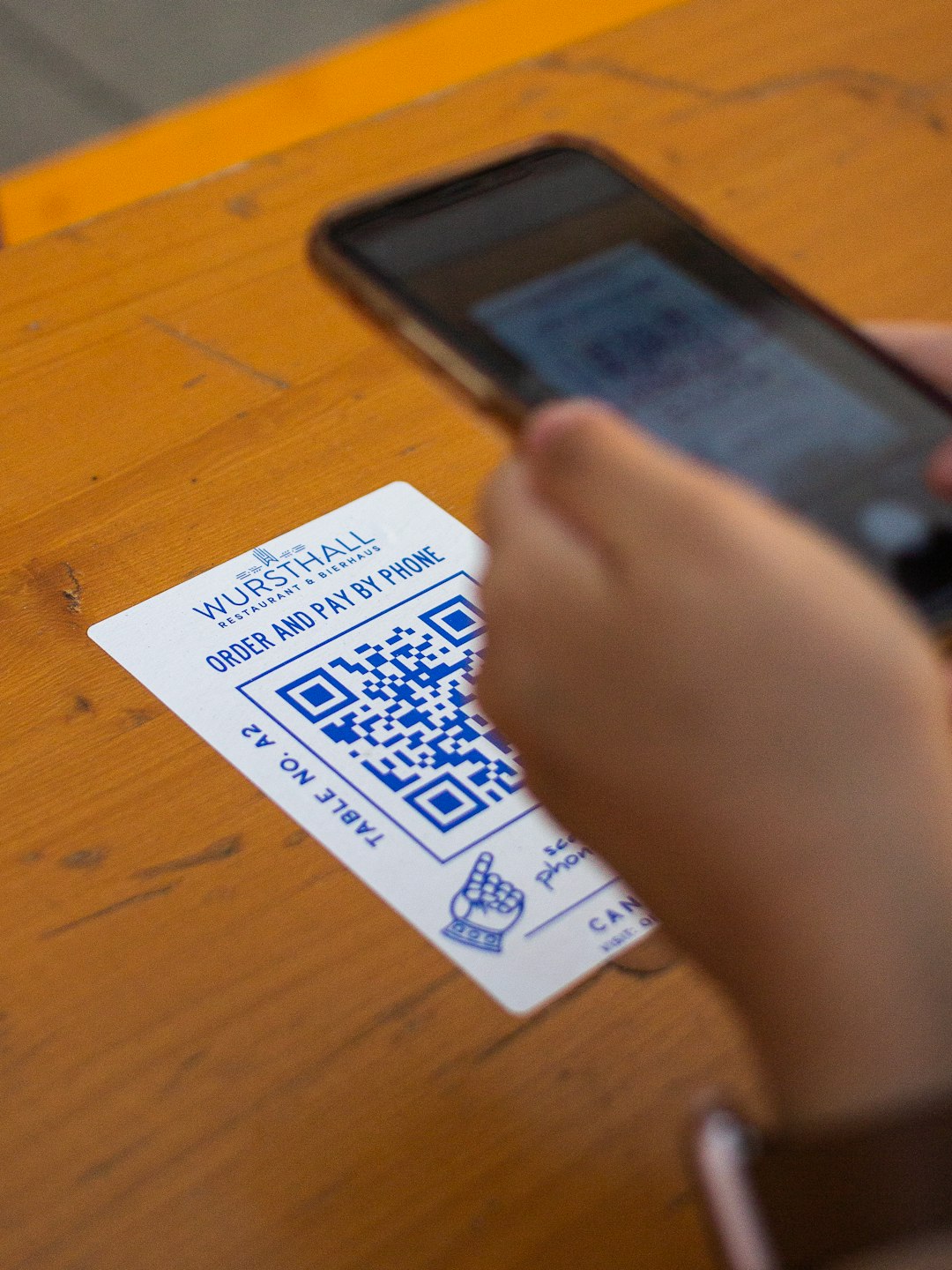
Retirees often become deeply involved in nonprofit boards, church committees, civic associations, library groups, animal shelters, and local charities. A card can help them coordinate events, recruit volunteers, or connect with donors.
These designs should feel friendly and organized. A community leader card may include the retiree’s role, organization name, phone number, and email address. Colors can match the cause or organization, such as green for environmental work or warm orange for community outreach.
Personal Titles That Work Well
Choosing a title can be challenging because retirees may not want to sound too corporate, yet they still want to communicate purpose. A title should be honest, concise, and appropriate to the card’s intended use.
- Retired Engineer
- Independent Consultant
- Community Volunteer
- Mentor and Advisor
- Travel Writer
- Artist and Instructor
- Genealogy Researcher
- Board Member
- Retired Educator
- Hobby Woodworker
Some retirees may prefer no title at all. In that case, the card can simply present the name and contact details, perhaps with a quote, monogram, or personal phrase.
Design Styles That Suit Retiree Business Cards
Different design styles create different impressions. The right choice depends on the retiree’s personality, audience, and purpose.
- Minimalist: Uses clean space, simple fonts, and limited colors. Ideal for consultants or executives.
- Classic: Features traditional typography, balanced spacing, and formal colors. Suitable for legal, financial, or academic backgrounds.
- Rustic: Uses natural textures, earthy colors, and handcrafted details. Good for gardeners, makers, and artisans.
- Modern: Includes bold typography, sharp lines, and contemporary color palettes. Useful for retirees in technology, design, or entrepreneurship.
- Whimsical: Embraces illustrations, playful color, and humor. Best for casual personal cards or creative hobbies.
Color and Typography Considerations
Color has a strong influence on how a card is perceived. Navy, gray, black, and white feel professional and polished. Green suggests growth, nature, and calm. Gold or copper can add refinement. Brighter colors such as teal, coral, or yellow can make a personal card feel energetic and friendly.
Typography should be selected with care. Serif fonts often feel traditional and distinguished, while sans-serif fonts feel modern and clean. Script fonts can add elegance or personality, but they should be used sparingly. A retiree business card should usually include no more than two font styles to maintain harmony.
The most successful cards are easy to read at a glance and memorable after they are put away.
What Information Should Be Included?
A retiree business card does not need to contain every possible detail. In fact, less information often creates a stronger impression. The most common elements include:
- Full name
- Current role, title, or personal descriptor
- Phone number
- Email address
- Website, portfolio, blog, or social media handle
- City or region, if relevant
- Short tagline or phrase
Home addresses are often unnecessary and may raise privacy concerns. If a physical location is needed, the retiree can list only a city and state or use a mailing address associated with a business or organization.
Finishing Touches and Print Details
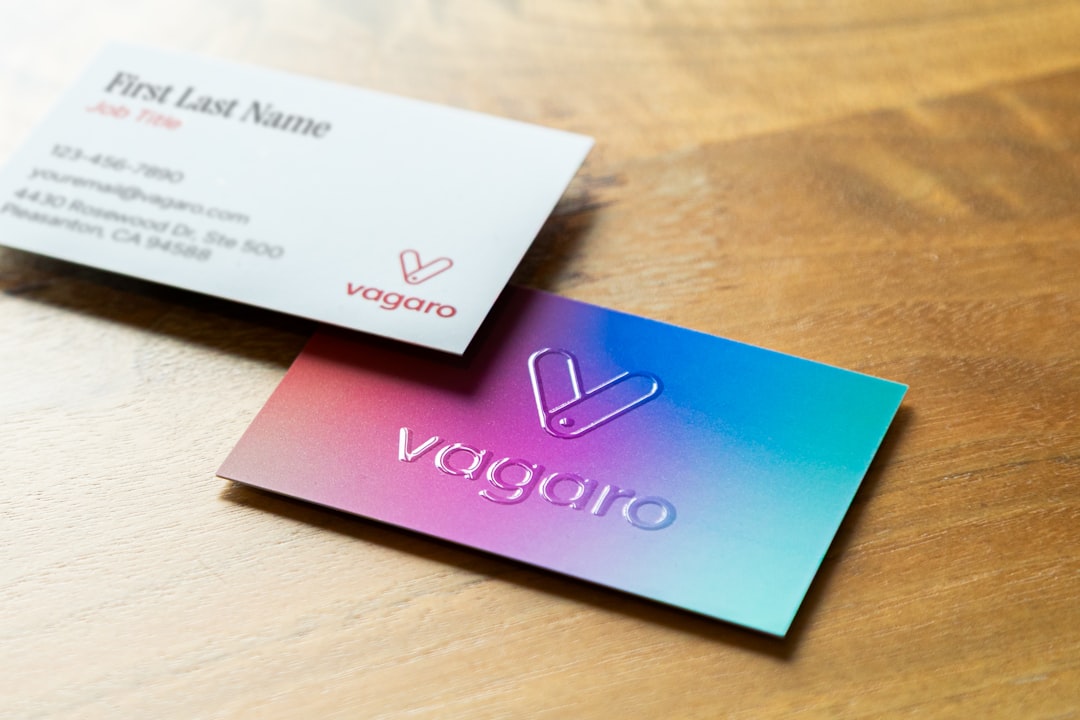
Paper choice can elevate even a simple design. Thick matte cardstock feels substantial and elegant. Soft-touch finishes create a smooth, refined texture. Linen or recycled paper can add character, especially for educators, writers, artists, or environmental volunteers.
Rounded corners, embossing, foil accents, or spot gloss may be appropriate for certain personalities and purposes. A retired executive may choose subtle metallic foil for a monogram, while an artist may prefer textured paper that echoes handmade work. The finish should enhance the card rather than distract from the message.
Common Mistakes to Avoid
Retiree business cards should be clear, tasteful, and accurate. Several mistakes can weaken the final result.
- Using too much text: Crowded cards are difficult to read and less memorable.
- Selecting tiny fonts: Contact details should be legible without effort.
- Overusing decorative graphics: Visuals should support the message, not overwhelm it.
- Including outdated titles: Former titles should be used carefully and honestly.
- Ignoring contrast: Pale text on a light background or dark text on a dark background can reduce readability.
- Forgetting the audience: A card for consulting should look different from a card for a quilting club or travel blog.
How Retiree Business Cards Support Networking
A business card gives retirees a polished way to stay engaged. It can open conversations, reinforce expertise, and create opportunities for collaboration. A retired engineer may meet a nonprofit in need of technical advice. A retired teacher may connect with families seeking tutoring. A retired artist may find new students for workshops. A traveler may exchange cards with new friends abroad.
In retirement, networking often becomes less transactional and more relationship-based. The card serves as a bridge between a pleasant conversation and future contact. It also helps others remember the retiree’s interests, work, or story.
Final Thoughts
Retiree business cards can be professional, creative, dignified, playful, or deeply personal. The best design depends on how the retiree wishes to connect with others. A consultant may need a restrained and elegant card, while a painter, gardener, traveler, or volunteer may prefer something more expressive.
Whether used for side businesses, community work, mentoring, hobbies, or social introductions, a well-designed card helps retirees present themselves with confidence. It honors past experience while making room for new chapters, new relationships, and new opportunities.
FAQ
Should a retiree still have a business card?
Yes. A retiree business card can be useful for consulting, volunteering, hobbies, social networking, travel, mentoring, and community activities. It provides a simple and professional way to share contact information.
What title should a retiree put on a business card?
The title depends on the retiree’s current role or purpose. Good options include Retired Educator, Independent Consultant, Community Volunteer, Artist, Mentor, or Board Advisor.
Can a retiree use a former job title?
A former job title can be used if it is presented accurately, such as “Retired Chief Financial Officer” or “Former School Principal.” It should not imply that the retiree still holds a position they no longer occupy.
What should be left off a retiree business card?
Unnecessary personal details, home addresses, excessive text, and outdated credentials should usually be left off. The card should focus on relevant contact information and the retiree’s current purpose.
Are creative retiree business cards appropriate?
Yes. Creative cards are ideal for retirees involved in art, crafts, travel, gardening, writing, cooking, or community projects. The design should still remain readable and organized.
What is the best size for a retiree business card?
The standard business card size is usually best because it fits easily into wallets, card holders, and organizers. Unique shapes can be memorable, but they may be less practical.
Should a retiree include social media on a business card?
Social media can be included if it supports the retiree’s purpose, such as promoting artwork, writing, travel photography, or consulting. Personal accounts should only be listed if they are suitable for public sharing.