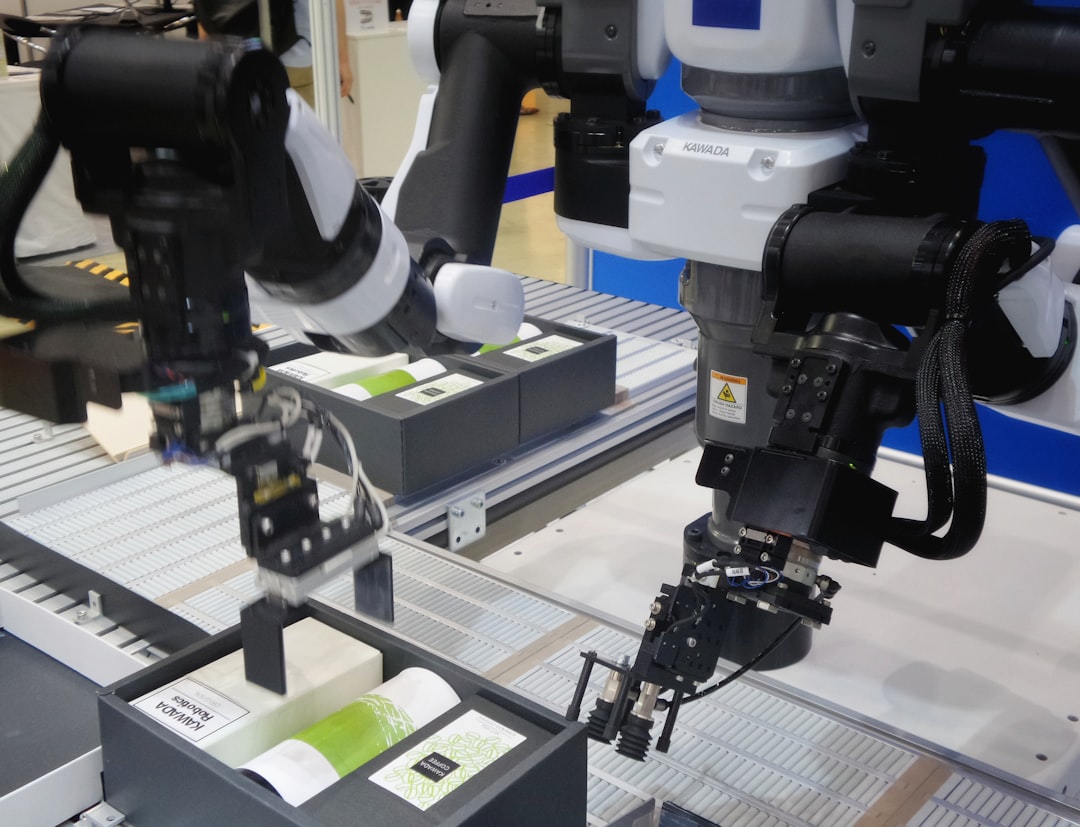
Imagine a machine that can take a flat sheet, a long bar, or a rough piece of material and shape it into something useful. It can make curves, grooves, edges, rails, panels, tubes, and many other profiles. That is the magic of a profiling machine. It sounds fancy, but the idea is simple. A profiling machine shapes material into a specific form, again and again, with speed and accuracy.
TLDR: Profiling machines shape materials into exact profiles, such as edges, channels, curves, and grooves. They are used in metalworking, woodworking, construction, automotive, aerospace, and many other industries. They save time, reduce waste, improve quality, and make mass production easier. In short, they help factories make strong, neat, repeatable parts without the drama.
What Is a Profiling Machine?
A profiling machine is a machine that changes the shape of a material. It follows a set design. This design is called a profile. The profile may be simple. It may be a straight groove. Or it may be complex. It may include curves, angles, steps, and fine details.
Think of a cookie cutter. You press it into dough. You get the same shape each time. A profiling machine does something similar, but with stronger materials and much more control. It can work with metal, wood, plastic, foam, stone, and composite materials.
Some machines cut the profile. Some roll it. Some grind it. Some bend it. Some use computer control to follow a digital design. The goal is the same. Make the right shape. Make it clean. Make it repeatable.
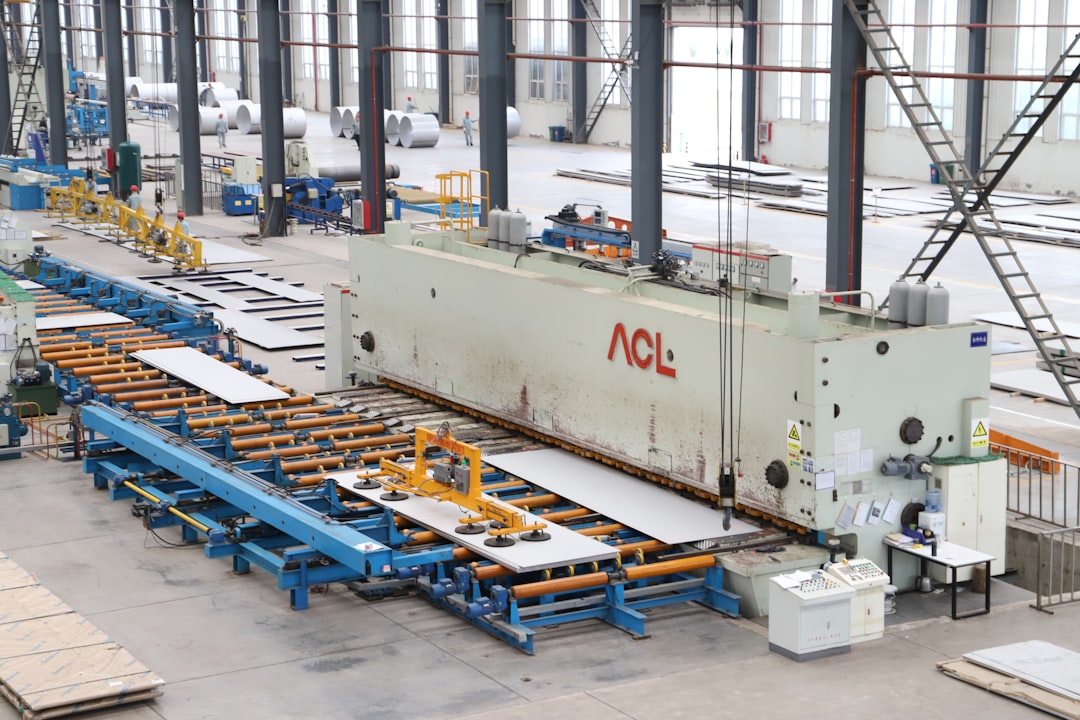
How Does a Profiling Machine Work?
The basic process is easy to follow. First, the material goes into the machine. Then the machine shapes it. Finally, the finished part comes out. Simple, right? Of course, inside the machine, a lot is happening.
Here is a simple version:
- Material feeding: The machine pulls in the material. It may be a sheet, strip, bar, board, or tube.
- Guiding: Guides hold the material in the correct position.
- Shaping: Tools, rollers, blades, cutters, or wheels create the profile.
- Control: Sensors and software keep the process accurate.
- Output: The finished part exits the machine, ready for the next step.
Many modern machines use CNC control. CNC means computer numerical control. That sounds serious. But it just means a computer tells the machine how to move. This makes the process more accurate. It also makes changes easier.
Common Types of Profiling Machines
Not all profiling machines are the same. Some are big. Some are small. Some make car parts. Some make furniture edges. Some make roofing panels. Here are the most common types.
1. Roll Forming Machines
These machines use rollers to bend long strips of metal into a profile. The material passes through a series of roller stations. Each station bends it a little more. By the end, the strip has the desired shape.
Roll forming is common for:
- Roofing sheets
- Wall panels
- Metal channels
- Door frames
- Storage racks
It is great for long parts. It is also great for high-volume production.
2. CNC Profile Cutting Machines
These machines cut shapes from sheets or plates. They may use plasma, laser, waterjet, or milling tools. The machine follows a digital file. It cuts the exact outline needed.
This type is useful when shapes are complex. It is also useful when parts must be very accurate.
3. Wood Profiling Machines
Wood profiling machines shape boards and timber. They create moldings, trims, edges, decorative patterns, and furniture parts. If you have ever seen a fancy wooden door frame, a profiling machine may have helped make it.
These machines make wood look polished and professional. They also save a lot of handwork.
4. Pipe and Tube Profiling Machines
These machines cut or shape pipes and tubes. They may create angled cuts, holes, slots, or fitted ends. This is important when tubes need to connect neatly.
They are used in steel structures, handrails, frames, and vehicle parts.
5. Stone and Tile Profiling Machines
These machines shape the edges of stone, marble, granite, and tiles. They can create round edges, beveled edges, and decorative finishes. The result looks smooth and expensive. Very fancy. Very countertop-friendly.
Where Are Profiling Machines Used?
Profiling machines are everywhere. You may not notice them, but they help make many things around you. Your roof. Your car. Your kitchen cabinet. Your office shelves. Even parts of trains and airplanes.
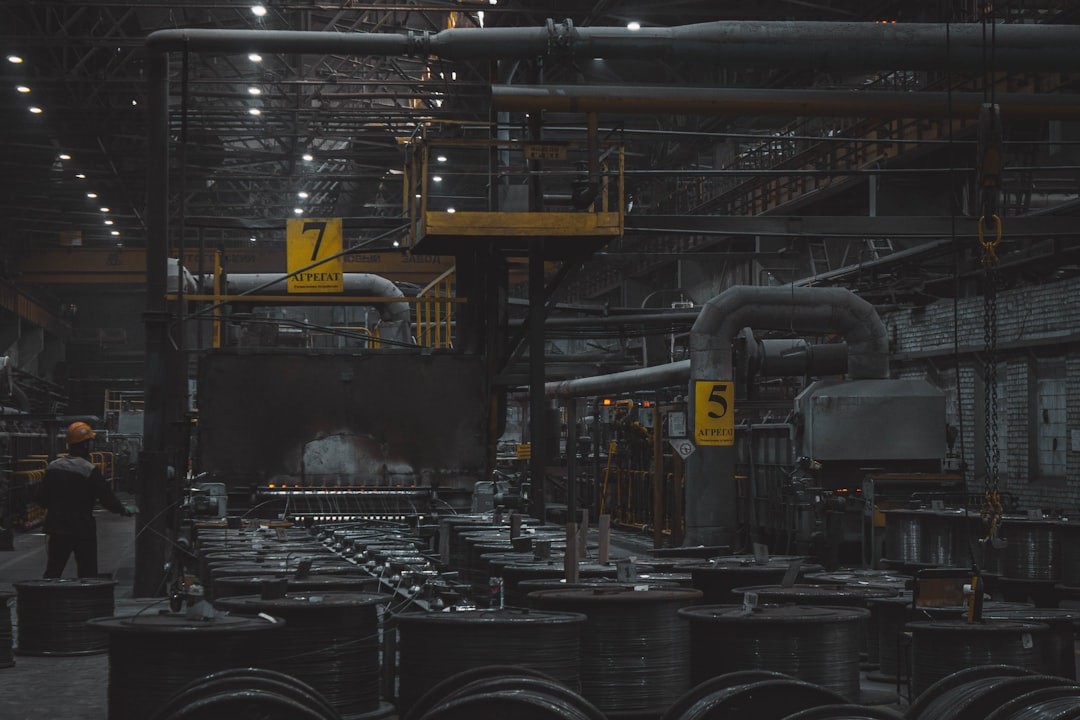
Construction Industry
The construction world loves profiling machines. Why? Because buildings need many repeatable parts. These parts must fit well. They must be strong. They must also arrive on time.
Profiling machines make:
- Roof panels
- Wall cladding
- Steel studs
- Window frames
- Door frames
- Gutters
- Support channels
Without these machines, construction would be slower and more costly. Also, many parts would be less consistent. And nobody wants a wobbly building. That is not the vibe.
Automotive Industry
Cars are packed with profiled parts. Some are visible. Many are hidden. Profiling machines help make frames, trims, supports, rails, brackets, and body parts.
Automotive companies care about speed and precision. A tiny error can cause big problems. Profiling machines help parts match the design perfectly. They also support mass production. That means thousands of similar parts can be made with the same quality.
Aerospace Industry
Airplanes need parts that are light, strong, and accurate. There is no room for sloppy shaping. Profiling machines help create structural parts, panels, brackets, and special components.
Materials in aerospace can be tricky. Aluminum, titanium, and composites may be used. Advanced profiling machines can handle these materials with care. The result is a part that meets strict safety rules.
Furniture and Interior Design
Profiling machines are also heroes in the furniture world. They shape wood, plastic, and composite boards. They create smooth edges, decorative grooves, and custom designs.
They are used for:
- Cabinet doors
- Table edges
- Chair parts
- Wall panels
- Skirting boards
- Decorative trims
That nice rounded edge on a desk? A profiling machine may have done it. That stylish groove on a cabinet? Same story.
Energy Industry
The energy sector uses profiling machines too. Wind towers, solar panel frames, pipelines, and electrical cabinets all need shaped parts. Many of these parts are large and must be very strong.
Roll forming machines are common for solar mounting rails. Pipe profiling machines help with oil, gas, and water systems. In renewable energy, speed and precision matter a lot. Profiling machines help projects move faster.
Shipbuilding and Rail
Ships and trains use large metal profiles. These parts must handle stress, weather, and heavy loads. Profiling machines help make long beams, panels, supports, and frames.
In shipbuilding, custom profiles are often needed. In rail, repeatability is key. Profiling machines can support both needs.
Benefits of Profiling Machines
Profiling machines are popular for good reasons. They make production faster, cleaner, and more predictable. They also help businesses save money. That is always a nice sentence to hear.
1. Better Accuracy
Machines do not get tired. They do not guess. They follow settings. This helps create parts with tight tolerances. A tolerance is the allowed amount of variation. Smaller variation means better fit.
Good accuracy matters when parts must connect, slide, lock, or support weight.
2. Faster Production
Manual shaping takes time. A profiling machine can work much faster. Some machines run continuously. Material goes in at one end. Finished profiles come out at the other.
This is perfect for businesses that need high output. More parts in less time. Less waiting. Fewer headaches.
3. Consistent Quality
Consistency is one of the biggest benefits. The first part and the thousandth part can look almost the same. This reduces rework. It also makes assembly easier.
When parts are consistent, workers do not need to fight with them. No pushing. No bending by hand. No “why does this not fit?” moments.
4. Less Waste
Profiling machines can use material efficiently. CNC systems can plan cuts to reduce scrap. Roll forming can shape material with little waste. Better accuracy also means fewer rejected parts.
Less waste is good for profits. It is also good for the planet. A rare win-win. We like those.
5. Lower Labor Costs
A machine can handle repetitive shaping tasks. Workers can focus on setup, checking quality, and managing production. This reduces the need for heavy manual labor.
It also improves safety. Less hand cutting and bending means fewer chances for injury.
6. Design Flexibility
Modern profiling machines can create many profiles. Some can switch between designs quickly. CNC machines are especially flexible. Change the digital file. Adjust the tools. Start again.
This is great for custom jobs. It is also useful for companies with many product lines.
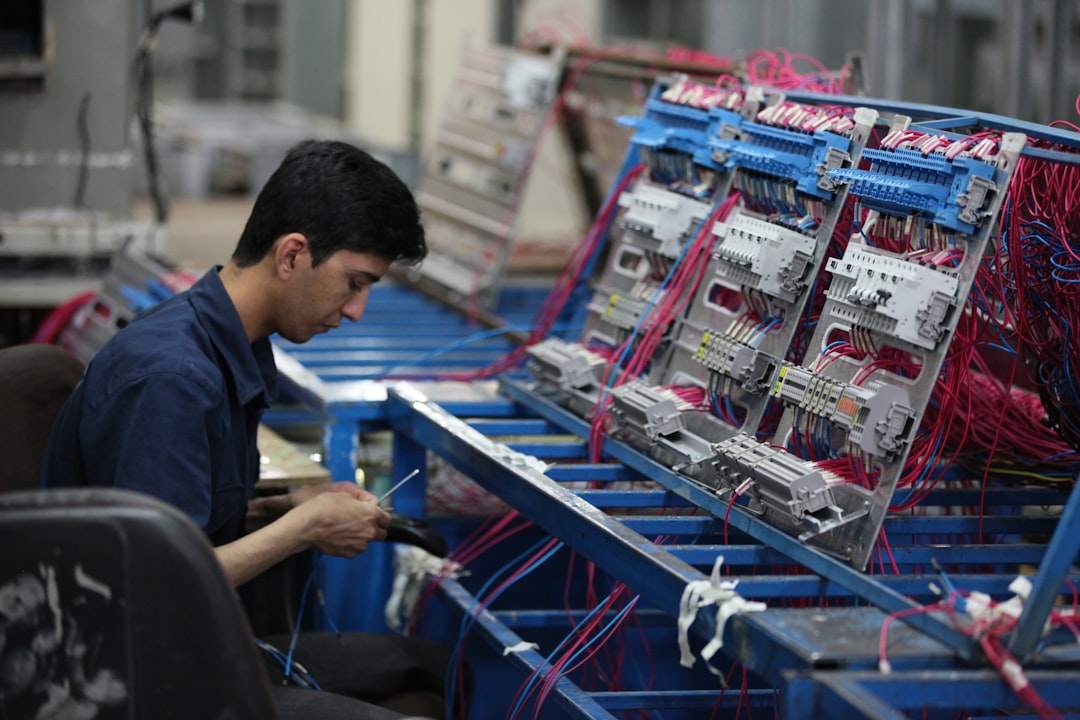
Simple Industry Use Cases
Let us make it even easier. Here are real-world examples of how profiling machines are used.
- A roofing company uses a roll forming machine to make metal roof sheets in long lengths.
- A car parts factory uses profile cutting to make brackets and frame sections.
- A cabinet maker uses a wood profiling machine to shape beautiful door edges.
- A solar company uses profiling machines to make mounting rails for panels.
- A shipyard uses tube profiling to prepare pipes for welding.
- A stone workshop uses edge profiling to smooth granite countertops.
Different industries. Same core idea. Shape the material. Match the design. Repeat with confidence.
What to Consider Before Choosing One
Buying a profiling machine is a big decision. It is not like buying a toaster. Although, to be fair, both can be confusing if you read too many product brochures.
Before choosing a machine, consider these points:
- Material type: Will you shape metal, wood, plastic, stone, or something else?
- Profile shape: Is the shape simple or complex?
- Production volume: Do you need a few parts or thousands per day?
- Accuracy needs: How tight must the measurements be?
- Automation level: Do you need manual, semi-automatic, or fully automatic operation?
- Available space: Some machines are long and need room for feeding material.
- Budget: Include tooling, training, maintenance, and energy costs.
It is also smart to think about future needs. A machine that fits today may feel limited next year. If your business is growing, flexibility can be worth the extra cost.
Are Profiling Machines Hard to Use?
Some are simple. Some are advanced. It depends on the machine and the work. A basic wood edge profiler may be easy to learn. A large CNC cutting system needs more training.
Still, modern machines are becoming friendlier. Touchscreens, saved programs, safety guards, and sensors make operation easier. Many machines also include automatic adjustments. That means fewer manual steps.
Training is important. A skilled operator can improve quality, reduce waste, and spot problems early. The machine may be the muscle, but the operator is still the brain.
Maintenance Matters
A profiling machine needs care. Clean it. Check it. Lubricate moving parts. Replace worn tools. Inspect rollers, blades, guides, belts, and sensors.
Good maintenance helps the machine last longer. It also keeps profiles accurate. A worn tool can ruin a part. A loose guide can cause bad alignment. Small issues can become big bills if ignored.
Think of maintenance like brushing teeth. Not exciting. Very important.
The Future of Profiling Machines
Profiling machines are getting smarter. More machines now use digital controls, sensors, automation, and data tracking. Some can detect errors during production. Some can adjust settings automatically.
Robots may load and unload parts. Software may plan the best way to use material. Factories may connect machines to central systems. This is part of the move toward smart manufacturing.
There is also more focus on energy savings and lower waste. Companies want machines that are fast, accurate, and efficient. Profiling machines fit that future very well.
Final Thoughts
Profiling machines may not be famous, but they are incredibly useful. They shape the parts that shape our world. Buildings, cars, furniture, solar panels, ships, and machines all depend on accurate profiles.
The best part is the idea is easy to understand. A profiling machine takes material and gives it a planned shape. It does this quickly. It does this neatly. It does this again and again.
So the next time you see a metal roof, a smooth cabinet edge, a car frame, or a polished stone countertop, remember this quiet factory hero. Somewhere, a profiling machine probably helped make it happen. And it did not even ask for applause.