
If medical images are a busy airport, Asteris Keystone is the friendly control tower. It helps teams store, view, share, and manage diagnostic images in one clean place. Think X rays, ultrasound, CT, MRI, and other DICOM images. Less clicking chaos. More “aha” moments.
TLDR: Asteris Keystone is an image management and viewing platform built to make diagnostic imaging easier, faster, and more connected. A clinic that handles 80 imaging studies per week, for example, can use it to reduce manual sharing, speed up reviews, and keep images organized. It is especially useful for veterinary hospitals, specialty centers, emergency care teams, and imaging networks. The big win is simple: better access to images, better collaboration, and smoother patient care.
What Is Asteris Keystone?
Asteris Keystone is a cloud-based image management system. It is often used as a PACS, which stands for Picture Archiving and Communication System. That sounds fancy. But the idea is simple.
It stores medical images. It lets people view them. It helps teams share them with the right person at the right time.
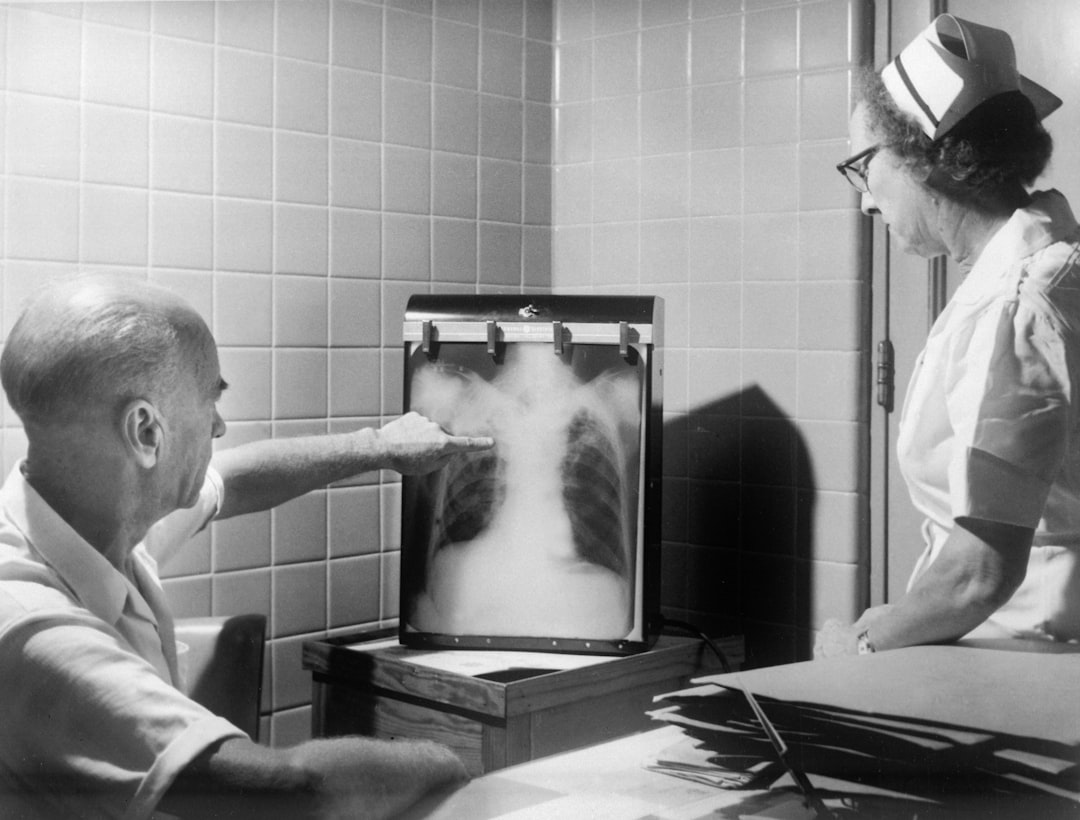
For many practices, imaging used to mean local computers, burned discs, USB drives, and long waits. Not fun. Keystone brings those images into a connected digital workflow. Doctors can open studies, compare images, send cases for consultation, and keep records organized.
It is especially popular in veterinary medicine. Dogs, cats, horses, and exotic pets all need imaging too. And no, the cat will not sit still just because the software is good. But the workflow can still be much easier.
Key Features That Make It Useful
Asteris Keystone is built around practical tools. These tools help busy teams move faster without losing control.
- Cloud image storage: Images are stored in a central, secure system. This reduces dependence on one office computer.
- DICOM support: It works with standard medical imaging formats. This helps connect X ray, CT, MRI, ultrasound, and other imaging devices.
- Web-based viewing: Users can often open images from a browser. That means less waiting and fewer special setups.
- Measurement tools: Clinicians can measure angles, distances, and areas. This helps with diagnosis and treatment planning.
- Image comparison: Teams can compare current and past studies. This is helpful for tracking healing, growth, or disease progress.
- Remote access: Approved users can review images from outside the clinic. This is great for after-hours care.
- Sharing and referrals: Cases can be sent to specialists or radiologists more easily.
- Report management: Reports can be connected to imaging studies. This keeps the story in one place.
These features may sound basic at first. But in real clinics, basics matter. A clean workflow can save many small chunks of time. Those chunks add up fast.
Why Cloud Access Matters
Cloud access is one of the biggest benefits. It means images are not trapped on a single machine. A doctor at home can review a case. A specialist across town can see the same study. An emergency team can pull up images at night.
This can change how care teams work. Imagine a dog arrives at an emergency hospital with a complex fracture. The primary clinic took X rays earlier that day. With a connected image system, the emergency team can review those images quickly. No waiting for discs. No blurry phone photos of a monitor. No “Can you email that again?” drama.
That is the magic. The image goes where the care goes.
Benefits for Clinics and Hospitals
Asteris Keystone can help in several clear ways.
- Faster decisions: Doctors can access studies sooner. Faster viewing can lead to faster care plans.
- Less admin work: Staff spend less time copying files, burning discs, or chasing images.
- Better collaboration: Primary vets, specialists, and radiologists can work from the same image set.
- Improved organization: Images, patient details, and reports stay easier to find.
- Support for growth: A single clinic can use it. A multi-site group can use it too.
- Better client communication: Clear image access can help doctors explain findings to pet owners.
There is also a softer benefit. Teams feel less scattered. When images are easy to find, the day feels smoother. And in a busy hospital, smoother is gold.

Benefits for Specialists and Radiologists
Specialists need clean image access. They also need context. Asteris Keystone can help by making each case easier to receive and review.
For a radiologist, image quality and study organization matter a lot. A good platform helps them move from one case to the next. It can also reduce the back-and-forth that happens when files are missing or hard to open.
For surgeons, neurologists, oncologists, and internal medicine specialists, the platform can support deeper planning. They can compare previous images. They can look at measurements. They can coordinate with the referring clinic.
That makes the specialist workflow less like a puzzle box and more like a well-labeled toolbox.
Industry Applications
Asteris Keystone is not limited to one type of user. It can support several healthcare environments, especially in animal care.
1. General Veterinary Practices
General practices use imaging every day. They check bones, lungs, teeth, abdomens, and more. Keystone helps keep those images easy to access. It also helps when a case needs a second opinion.
For example, a clinic may take dental radiographs in the morning and chest X rays in the afternoon. With organized storage, the team can find both quickly. No digital treasure hunt needed.
2. Emergency and Critical Care Hospitals
Emergency teams move fast. A patient may arrive in pain, shock, or distress. Imaging can be urgent. Keystone supports quick image access and sharing, which is helpful when minutes matter.
If a clinic sees 30 emergency cases on a weekend, even saving 5 minutes per imaging case can matter. That could mean over an hour saved during a busy stretch.
3. Specialty Referral Centers
Referral centers often handle complex cases. These may include cancer staging, spinal issues, joint disease, or advanced diagnostics. A central image system helps specialists see the full picture.
It also helps referring clinics stay involved. That is good for continuity of care. It also builds trust.
4. Mobile Imaging Services
Mobile imaging teams travel to different locations. They may perform ultrasound, radiography, or advanced scans. A cloud-enabled workflow can help them upload and share studies without returning to a main office first.
This is very useful in rural areas. It also helps equine and large animal medicine, where the patient may not fit through a normal clinic door. Horses are not exactly carry-on luggage.
5. Multi-Location Veterinary Groups
Groups with several hospitals need consistency. They want images stored in a way that works across locations. Keystone can help create a shared imaging workflow. This makes training easier. It also makes oversight simpler.
What Makes It Easy to Understand?
The best tools hide the hard parts. Asteris Keystone focuses on making imaging feel less technical for daily users. Staff do not need to become IT wizards. Doctors do not want to fight menus while a patient is waiting.
A good imaging platform should answer simple questions:
- Where is the image?
- Can I open it now?
- Can I compare it with an older study?
- Can I share it with a specialist?
- Can I document what I found?
When the answer is “yes” to those questions, care gets easier.
Final Thoughts
Asteris Keystone is about more than storing images. It is about helping clinical teams work together. It gives doctors, specialists, and staff faster access to the visual information they need.
Its value is easy to see. Fewer delays. Better sharing. Cleaner records. Happier teams. And yes, probably fewer mystery discs hiding in desk drawers.
For veterinary practices, emergency hospitals, referral centers, and mobile imaging teams, Asteris Keystone can become a central hub for imaging work. It helps turn scattered files into useful insight. That is a small change with a big impact.