AI role-play tools give sales reps a safe place to mess up, try again, and get better before a real buyer is on the call. They act like tireless practice prospects. They can be curious, bored, rushed, skeptical, or ready to sign. Best of all, they do not sigh loudly when a rep fumbles the pricing question.
TLDR: AI role-play tools help sales reps practice discovery, objections, and closing with realistic buyer chats. A new rep can run 20 practice calls in a week, instead of waiting for 20 real leads. For example, one sales team could ask reps to complete 10 AI practice calls before live demos, then track if objection handling scores rise from 62% to 80%. The goal is simple: fewer awkward pauses, better questions, and more confident closes.
Practice Sale Is Like a Flight Simulator for Sales
A pilot does not learn only by flying a full plane through a storm. That would be wild. A pilot uses a simulator first.
Sales reps need the same thing.
A practice sale is a fake sales conversation that feels real enough to teach the rep something useful. The buyer may have a budget issue. The buyer may be confused. The buyer may say, “Send me some info,” which is often sales code for “goodbye forever.”
AI role-play tools make this easy. A rep can practice with an AI buyer at any time. Morning. Lunch. After a bad call. Before a big one. No manager calendar needed.

Why Sales Practice Usually Breaks Down
Most teams agree that practice matters. Then real life shows up and ruins the plan.
- Managers are busy.
- Senior reps do not want to role-play again.
- New reps feel embarrassed.
- Practice sessions get rushed.
- Feedback is vague.
Honestly, it feels like some practice plans are built to die by Wednesday.
The classic role-play can also feel fake. One rep pretends to be the buyer. The other rep pretends not to hate it. Everyone laughs. Then nothing changes.
AI fixes a big part of that. It gives reps more reps. That sounds silly, but it matters. Skill grows through repetition. Not through one awkward session in a conference room named after a tree.
1. Practicing Discovery Without Sounding Like a Robot
Discovery is where good sales starts. It is also where many deals quietly fall apart.
A weak discovery call sounds like a checklist:
- “What is your budget?”
- “Who is the decision maker?”
- “What tools do you use?”
- “When do you want to buy?”
These are not terrible questions. But they can feel cold. Buyers do not want to be interrogated by a spreadsheet wearing shoes.
AI role-play tools can help reps ask better questions. The AI can play different buyer types. A friendly founder. A guarded finance lead. A confused operations manager. A buyer who gives short answers. A buyer who talks too much.
That variety matters.
A rep can practice asking questions like:
- “What pushed this problem to the top of your list now?”
- “What happens if your team does nothing for six months?”
- “Who feels this problem the most day to day?”
- “What would make this project worth the effort?”
The tool can then score the rep. Did they interrupt? Did they ask follow-up questions? Did they uncover pain? Did they confirm what they heard?
That feedback is useful because it is specific. Not just, “Good energy.” That phrase is nice, but it does not help much.
2. Practicing Objections Without Panicking
Objections are where sales reps often tighten up. The buyer says, “It is too expensive,” and the rep’s brain turns into soup.
AI role-play can make objections less scary. The rep hears them again and again. Soon, they stop feeling like a jump scare.
Common objections include:
- Price: “This costs more than we planned.”
- Timing: “We may look at this next quarter.”
- Authority: “I need to ask my boss.”
- Need: “We already have a process.”
- Trust: “How do I know this will work?”
A good AI tool lets the manager set the difficulty. Easy mode might be a polite buyer. Hard mode might be a buyer who has 9 tabs open, 4 minutes left, and the patience of a wet cat.
Here is the big win. Reps can test different responses.
For price, a weak answer is:
“We can maybe discount it.”
A stronger answer is:
“I hear you. Can we compare the price to the cost of the problem? You mentioned your team loses about 12 hours a week on manual work. If that continues, what does that cost each month?”
That sounds better. It brings the talk back to value. It also keeps the rep from throwing discounts around like candy at a parade.
3. Practicing Closing Without Getting Weird
Closing gets a bad reputation. Many reps think closing means pressure. It does not have to.
A good close is clear. It helps the buyer make the next decision.
AI role-play tools can help reps practice closing lines that feel normal. Not cheesy. Not pushy. Not “sign here before midnight or the moon explodes.”
Useful closing practice can include:
- Asking for the next meeting.
- Confirming the buying group.
- Setting a clear timeline.
- Recapping value.
- Asking for the sale when the timing is right.
Try simple lines like:
- “Based on what we covered, does it make sense to bring your finance lead into the next call?”
- “Would you like me to send a proposal with the 25-seat option?”
- “If we can meet the security needs, are you comfortable moving forward this month?”
These lines are not magic spells. They are clean next steps. That is the point.
What Good AI Sales Practice Should Include
Not every tool is worth your team’s time. Some tools feel like they were built by people who have never been on a sales call. It drives me crazy when a rep has to click through seven screens just to start a three-minute practice. That friction kills the habit.
Look for tools that include:
- Real buyer personas: Different roles, moods, needs, and budgets.
- Voice practice: Sales calls happen out loud. Typing is not enough.
- Instant feedback: Reps should see what worked and what missed.
- Scorecards: Discovery, objection handling, closing, tone, and pace.
- Call replay: Reps need to hear themselves. Painful, yes. Useful, also yes.
- Manager notes: Coaches should add tips without rebuilding the whole session.
A strong tool should also support your sales method. Whether your team uses MEDDICC, SPIN, Challenger, or a custom process, practice should match the way you sell.
A Simple Weekly Practice Plan
Keep it simple. Sales reps already have enough dashboards staring at them.
Try this plan:
- Monday: One discovery role-play with a new buyer persona.
- Tuesday: One price objection role-play.
- Wednesday: One timing objection role-play.
- Thursday: One closing practice session.
- Friday: Review scores and pick one skill to improve.
Each session can be 10 minutes. That is 50 minutes a week. Small enough to finish. Big enough to matter.
What Managers Can Track
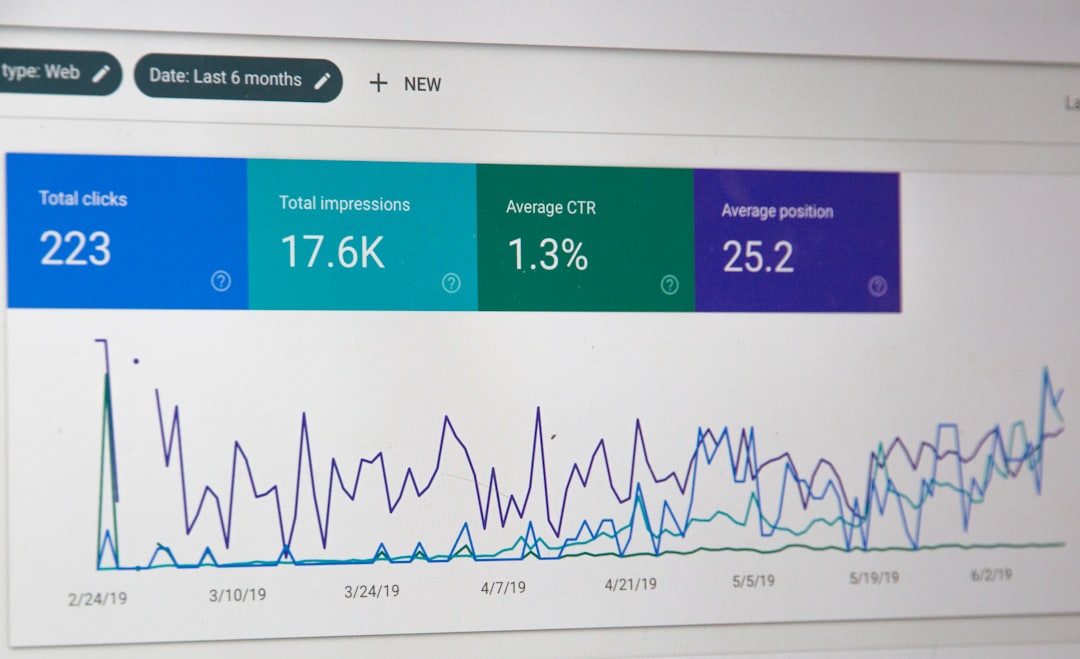
Managers do not need to guess who needs help. AI practice can show patterns.
Track things like:
- How many practice calls each rep completes.
- Average discovery score.
- Most common missed questions.
- Objection response quality.
- Talk time and listening time.
- Close rate after training.
For example, if five reps keep missing the business impact question, that is a coaching topic. If one rep speaks 78% of the time in practice calls, that rep probably does it on live calls too.
Now the manager has facts. Not vibes.
The Human Coach Still Matters
AI does not replace sales managers. It gives them better raw material.
The AI can run the drill. The manager can explain the lesson. The AI can flag weak spots. The manager can show judgment, context, and care.
That mix works well. Reps get more practice. Managers spend less time forcing fake role-plays. Buyers get better conversations.
Practice sale tools are not about making reps sound perfect. Perfect sounds fake. The goal is better. Better questions. Better listening. Better objection handling. Better closes.
And yes, fewer moments where a rep says, “Great question,” while clearly having no answer at all.