The strongest short answer: choose 6sense when buyer intent and account scoring drive your sales motion, and choose Common Room when community activity, product signals, and real people matter more. Both can help sales teams stop chasing weak-fit accounts. They just start from different evidence.
TLDR: 6sense is best for mature B2B teams that want predictive account scoring, intent data, buying-stage models, and advertising in one system. Common Room is better for teams that sell to developers, community members, product users, or known champions across Slack, GitHub, LinkedIn, events, and product activity. For example, a SaaS company with 1,200 target accounts might use 6sense to find the top 8% showing active buying intent, then use Common Room to spot 37 engaged users inside those same accounts. The smartest teams often use one tool for account priority and another for contact-level proof.
Why account prioritization matters
Account-based sales sounds simple. Pick the best accounts. Focus the team. Win bigger deals.
Then reality shows up.
Your CRM has stale contacts. Intent data looks exciting but vague. Product usage sits in another system. Marketing says one account is hot. Sales says nobody replies. RevOps gets stuck reconciling it all in spreadsheets. Honestly, it feels like half the job becomes arguing about which signal is real.
That is why tools like 6sense, Common Room, Demandbase, ZoomInfo, Clay, Apollo, Bombora, and G2 Buyer Intent exist. They help teams rank accounts by fit, timing, engagement, and revenue potential.

6sense: best for predictive account-based revenue teams
6sense is built around a big idea: buyers leave signals before they fill out a form. They read comparison pages. Search for problems. Visit review sites. Consume content. Research competitors. 6sense collects and models those signals to estimate which accounts are in market.
Its core strengths include:
- Predictive account scoring based on fit, intent, and behavior.
- Buying-stage models that classify accounts by awareness, consideration, decision, and purchase readiness.
- Anonymous web visitor identification at the account level.
- Display advertising aimed at target accounts.
- Sales alerts when an account appears to be heating up.
- CRM and marketing automation integrations for Salesforce, Marketo, HubSpot, and similar systems.
For enterprise and upper mid-market teams, this can be powerful. A rep does not need to guess whether an account is worth calling. The system can rank accounts by timing and fit. Marketing can also run ads before a rep reaches out.
The catch is that 6sense works best when your data discipline is already decent. Messy account lists, unclear ICP definitions, and poor CRM hygiene can make the setup feel heavy. Expect to spend real time on configuration, keyword selection, territory rules, and stage definitions.
Common Room: best for signal-rich communities and product-led teams
Common Room takes a different approach. It focuses less on anonymous company-level buying intent and more on known people, actions, and relationship context. It pulls together signals from community channels, open-source activity, events, social engagement, product usage, job changes, and other touchpoints.
That makes it especially useful for companies selling to technical buyers, creators, operators, or product users. If your buyer might join a Slack group, star a GitHub repo, attend a webinar, use a free plan, or mention your product online, Common Room can help connect those dots.
Its main strengths include:
- Person-level engagement tracking across many channels.
- Community intelligence from places like Slack, Discord, GitHub, LinkedIn, and events.
- Product-led sales signals such as usage patterns and team growth.
- Champion identification inside target accounts.
- Account matching that links people to companies.
- Workflow triggers for sales and customer success teams.
It drives me a little mad when tools treat every account as a faceless logo. Common Room is useful because it shows the humans behind the account. A developer who opened three docs pages and joined your community may matter more than an anonymous surge score.
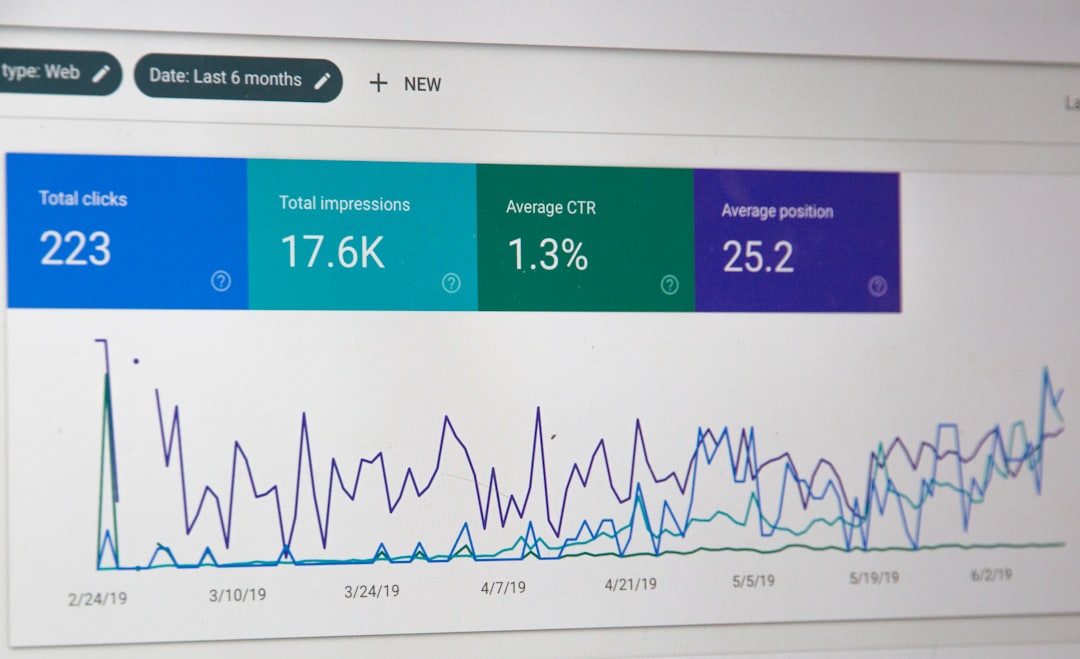
6sense vs Common Room: the practical difference
The simplest comparison is this: 6sense tells you which companies seem ready to buy. Common Room tells you which people are already paying attention.
Use 6sense if your sales team asks:
- Which target accounts are showing buying intent?
- Which accounts should get ads this month?
- Which territories have the most in-market demand?
- Which accounts moved from research to decision stage?
- Which anonymous website visitors belong to target accounts?
Use Common Room if your team asks:
- Who inside this account already knows us?
- Which users are most engaged with our product or community?
- Did a champion change jobs into a target account?
- Which open-source contributors could become buyers?
- Which accounts have multiple active contacts, not just one lead?
This distinction matters. Account-based sales fails when reps get a “hot account” but no clear reason to reach out. A strong account score is useful. A named contact with a recent action is better. Together, they are much stronger.
Other tools worth comparing
Demandbase is one of the closest 6sense alternatives. It offers account intelligence, advertising, intent data, and sales insights. It is often a fit for larger companies that want a broad ABM platform with deep account coverage.
ZoomInfo is strong for contact data, company data, org charts, and buyer intent. It is less of a pure ABM brain than 6sense, but it is widely used because reps need phone numbers, emails, and firmographic filters. If your biggest pain is missing contacts, ZoomInfo may solve that faster.
Apollo is popular with lean outbound teams. It combines prospect data, sequencing, filtering, and email workflows. It will not give the same predictive account modeling as 6sense, but it is easier for small teams to start using.
Clay is highly flexible. Teams use it to enrich accounts, scrape public data, run AI research, score companies, and push results into CRMs or sequencing tools. It is powerful, but it rewards teams that enjoy building custom workflows. If nobody owns the setup, it can turn into a messy science project.
Bombora specializes in intent data. It can show which companies are consuming content around selected topics. Many platforms use Bombora data inside broader workflows. It is useful when you want third-party intent without buying a full ABM suite.
G2 Buyer Intent is valuable for software companies. It shows when accounts view your profile, compare competitors, or research categories. Those are high-signal moments. A company comparing three vendors this week deserves a different message than one that downloaded an ebook six months ago.
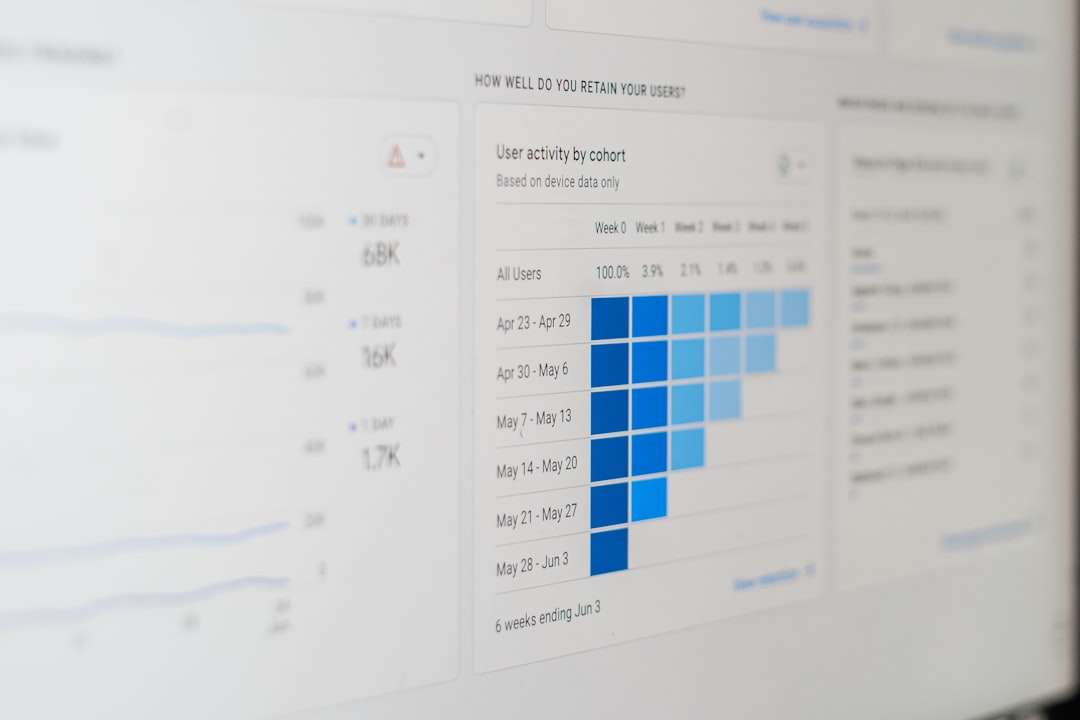
How to score high-value accounts
A tool alone will not fix poor prioritization. You still need a clear scoring model. Keep it simple enough that sales trusts it.
A practical model can include:
- Fit score: industry, employee count, revenue, region, tech stack, funding, and use case match.
- Intent score: topic research, competitor research, review site visits, search behavior, and content activity.
- Engagement score: website visits, webinar attendance, community posts, product usage, email replies, and event attendance.
- Relationship score: known champions, past customers, job changes, executive connections, and partner ties.
- Commercial score: estimated contract value, renewal potential, expansion potential, and strategic value.
For example, an account with a perfect ICP fit but no engagement might be a nurture target. An account with moderate fit but three active product users may deserve an SDR task. An enterprise account with high intent, G2 comparison activity, and a former customer as VP of Ops should go straight to an account executive.
Which tool should you choose?
Pick 6sense if you have a defined ICP, a sizable target account list, a mature CRM, and a need to coordinate sales and marketing around buying stages. It fits teams that care about account-level prediction, campaign targeting, and pipeline timing.
Pick Common Room if your growth comes from community, product adoption, developer activity, open-source projects, champions, or user engagement. It fits teams that need to know who is active, not only which company is surging.
Pick Demandbase if you want a broad ABM suite and have the budget and operations support for it. Pick ZoomInfo or Apollo if contact discovery and outbound execution are the bigger pain. Pick Clay if you want custom account research and enrichment at scale.
The best stack is often layered. Use one system to rank accounts. Use another to identify people. Use your CRM as the source of truth. Then give reps clear plays, not just more dashboards.
Best overall choice? For traditional enterprise ABM, 6sense usually wins. For product-led and community-led sales, Common Room is often sharper. For many modern revenue teams, the real win is using both types of signal so reps spend less time guessing and more time talking to accounts that actually care.