Yes, eBay is generally safe to buy from, as long as you pay on the platform, read listings closely, and avoid deals that feel too good to be real. It is also huge: eBay reported about 132 million active buyers in 2024, which means scams exist, but so do strong buyer protections and lots of normal sellers [source: eBay]. The short answer is simple: eBay is safer than many peer-to-peer apps for high-value goods, but it still rewards careful buyers.
TLDR: eBay is safe for most purchases if you stay inside eBay checkout and use listings with clear photos, seller history, and returns. For example, buying a used $400 camera from a seller with 98% positive feedback and 1,000 sales is much safer than buying the same camera from a brand-new account with one blurry photo. Compared with Mercari, Depop, and Vinted, eBay usually has stronger dispute tools and a wider product range. The tradeoff is that eBay listings can feel cluttered, and you may spend 10 extra minutes checking details before buying.
How eBay protects buyers
eBay’s biggest safety net is the eBay Money Back Guarantee. If an item does not arrive, arrives damaged, or is not as described, you can open a case. That does not mean every claim is painless. Honestly, it feels like eBay sometimes makes you click through too many screens just to report a basic problem. Still, the system is mature and fairly predictable.
eBay is strongest when you buy items that have:
- Detailed photos, especially of serial numbers, labels, defects, and packaging.
- Clear condition notes, not vague phrases like “looks good.”
- Seller feedback with recent sales, not just a perfect score from years ago.
- Tracked shipping and an estimated delivery window.
- Returns accepted, especially for expensive electronics, sneakers, watches, or parts.
Where eBay can still be risky
The main risk is not eBay itself. It is bad listings and rushed buying. Scammers often use low prices, stock photos, odd wording, and pressure. If a seller asks you to pay by bank transfer, gift card, crypto, or outside eBay, leave. You lose most protection when you leave the platform.
Be extra careful with these categories:
- Phones and laptops: check model numbers, carrier locks, and battery condition.
- Designer items: ask for receipts, tags, and close-up photos.
- Collectibles: check grading, edition numbers, and seller history.
- Car parts: match part numbers, not just the vehicle name.
- Game consoles: confirm cables, controllers, storage size, and ban status.
eBay vs Mercari
Mercari is simple and fast. It works well for clothes, toys, small electronics, and household items. The app feels cleaner than eBay, and offers are easy to send. The catch is that Mercari’s buying experience depends heavily on the seller shipping quickly and describing the item honestly.
Mercari generally gives buyers a short inspection window after delivery. If you miss it, the sale can close. That is fine for a $25 hoodie. It is less fun for a $600 camera lens that you cannot fully test in five minutes. Mercari explains its buyer process in its help center [source: Mercari].
Best for: casual secondhand shopping, bundles, kids’ items, low to mid-priced goods.
eBay vs Depop
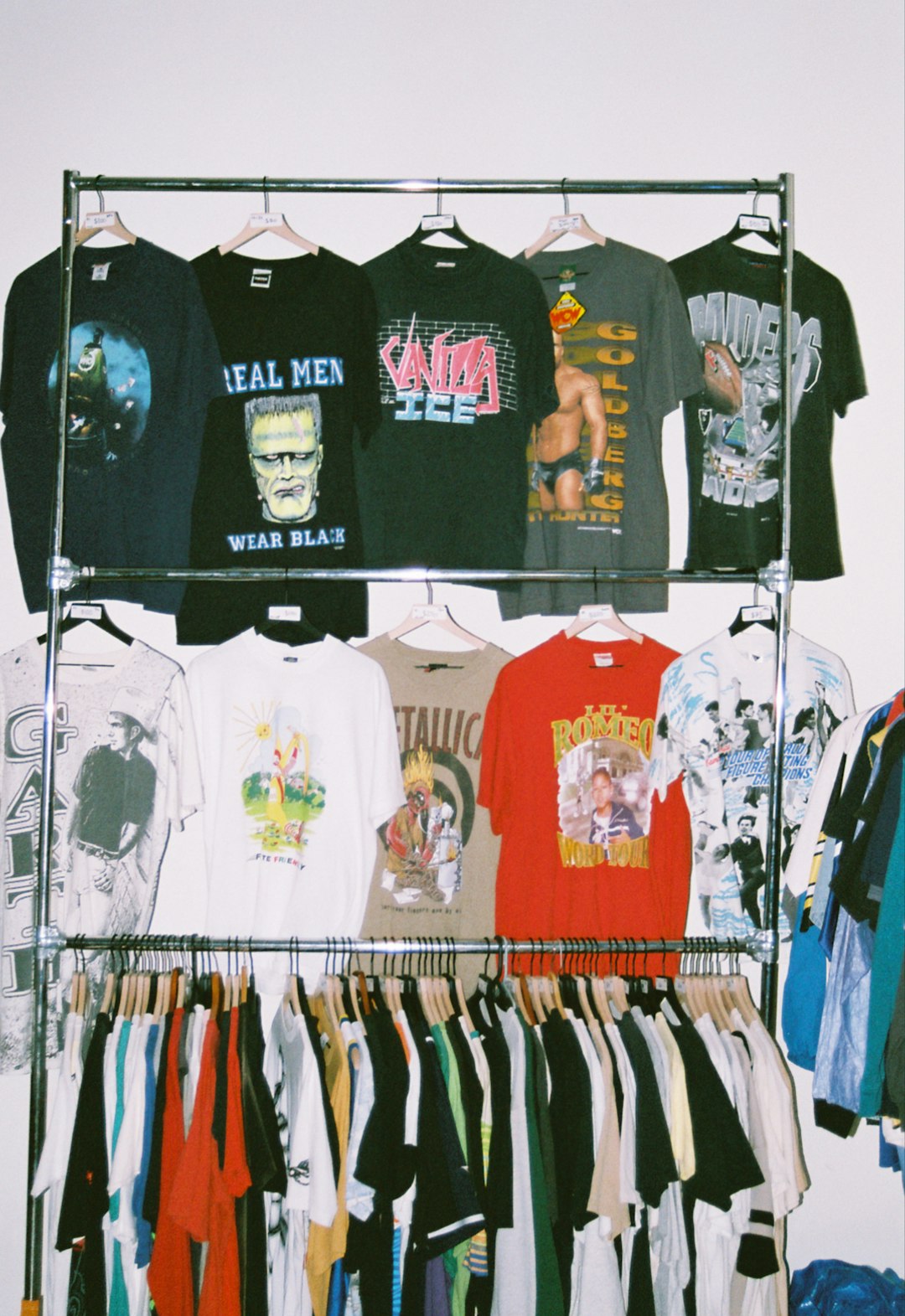
Depop is built around style. It is great for vintage clothing, streetwear, handmade pieces, and trend-driven items. The photos are often more fun than eBay listings. Sellers also tend to be more personal and chatty.
But Depop has a problem: item details can be thin. Sizing may be “fits like medium,” which is not enough if you need a real measurement. Expect to waste time asking for waist, inseam, pit-to-pit, and fabric details. For fashion, that matters.
Best for: vintage fashion, Y2K clothing, streetwear, unique outfits.
eBay vs Vinted
Vinted is popular for cheap secondhand clothes. Prices can be excellent, especially for everyday brands. It is often cheaper than eBay for used clothing because the platform is focused on resale fashion, not every product category under the sun.
The downside is quality control. Photos can be casual. Descriptions may be short. If you care about exact condition, ask questions before paying. Vinted is good for low-risk clothing buys, but eBay is usually better for watches, electronics, tools, collectibles, and parts.
Best for: budget clothing, kids’ clothes, shoes, simple wardrobe basics.
What about Facebook Marketplace, Poshmark, and Etsy?
Facebook Marketplace can be cheap, but it is less structured. Local pickup is common, and scams are everywhere. Cash deals can work, but meet in a public place and test the item first.
Poshmark is solid for fashion. It has a clear buying flow and social features. Prices can be higher, though, especially after shipping and seller offers.
Etsy is better for handmade, custom, and vintage goods. It is not a direct eBay replacement. It is more curated, but you still need to check shop reviews and delivery times.
Quick safety checklist before buying
- Check the seller’s recent feedback, not just the score.
- Read the full description, including defects and missing parts.
- Zoom in on photos. Stock images are a warning sign for used items.
- Compare prices. If one listing is 50% cheaper than all others, ask why.
- Pay only through the marketplace.
- Save messages inside the app or site.
- Open a case quickly if something is wrong.

So, is eBay safer than the others?
For expensive or technical items, yes, eBay is often the safer pick. It has stronger search tools, deeper seller histories, and a long-running dispute system. For cheap clothes, Vinted or Depop may be faster and more fun. For casual home goods, Mercari is easy. For local bargains, Facebook Marketplace can work, but it needs more caution.
The best choice depends on what you are buying. Use eBay when details, proof, and buyer protection matter. Use the smaller apps when price, style, or quick browsing matters more. Either way, slow down before paying. A two-minute seller check can save you a week of messages, returns, and irritation.