Staying connected while traveling internationally used to mean juggling plastic SIM cards, hunting for airport kiosks, or paying staggering roaming fees. Today, eSIM technology is changing the way we experience global connectivity. Whether you’re a digital nomad, a business traveler, or a vacationer sharing sunset photos in real time, understanding how international eSIMs work can make your journey smoother, cheaper, and far more convenient.
TLDR: An international eSIM lets you connect to mobile networks abroad without swapping physical SIM cards. It’s embedded in your phone, activated digitally, and often much more affordable than roaming. With flexible regional and global plans, eSIMs are ideal for travelers who want instant connectivity. Before you go, ensure your device is compatible and compare plans for coverage, data limits, and pricing.
What Is an eSIM and How Does It Work?
An eSIM (embedded SIM) is a digital SIM card built directly into your smartphone, tablet, or wearable device. Unlike traditional SIM cards you physically insert and remove, eSIMs allow you to download and activate a carrier plan digitally.
Here’s how it works in simple terms:
- No physical card required — the SIM profile is stored within your device.
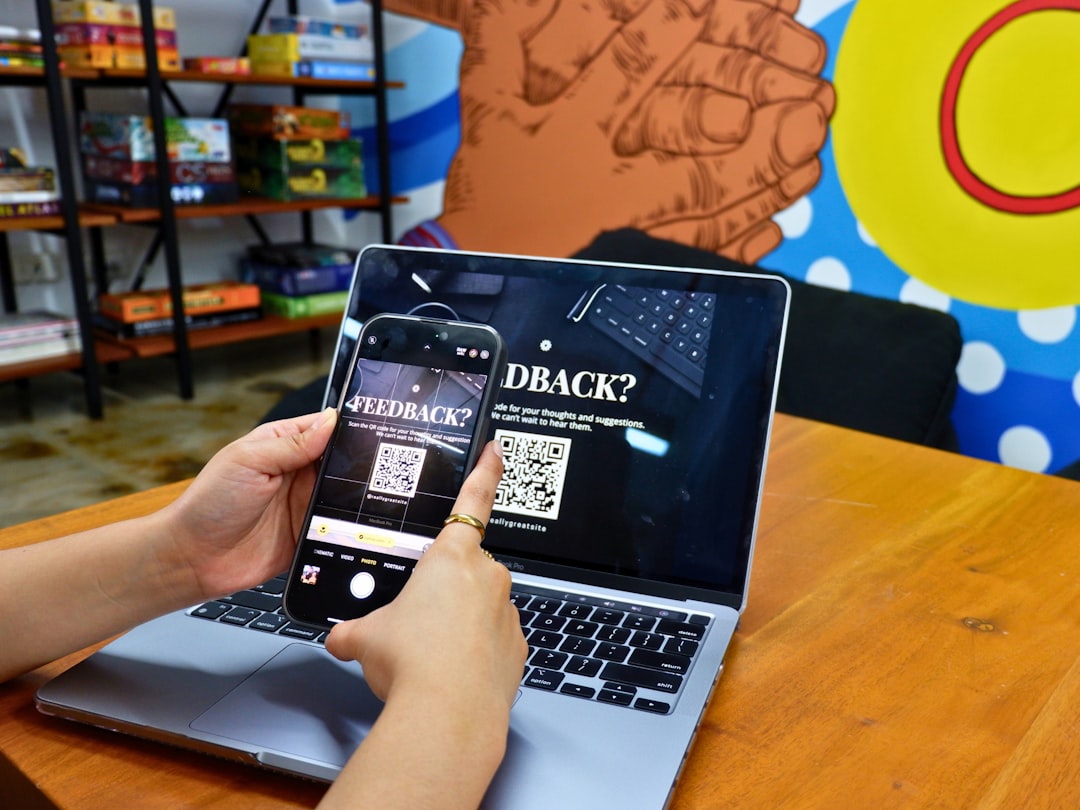
- Activation via QR code or app — most providers send a code you scan to install the plan.
- Multiple profiles supported — you can store several plans and switch between them.
- Perfect for dual SIM use — keep your home number active while using local data abroad.
This digital flexibility is what makes eSIMs especially powerful for international travel.
Why Choose an International eSIM?
International eSIMs are designed specifically for travelers who need data plans that work outside their home country. Instead of relying on expensive carrier roaming packages, you can select a prepaid international data plan that fits your destination and length of stay.
Here are some compelling reasons to switch:
1. Avoid Roaming Charges
International roaming fees can be unpredictable and costly. An eSIM allows you to lock in pricing upfront so you know exactly what you’ll pay for data.
2. Instant Connectivity Upon Arrival
You can activate your plan before boarding your flight. The moment you land, your device connects automatically — no airport counters, no paperwork.
3. Flexible Plan Options
Many providers offer:
- Single-country plans
- Regional bundles (Europe, Southeast Asia, etc.)
- Global coverage packages
- Short-term or long-term data options
4. Dual SIM Convenience
Keep your primary number active for calls and SMS while using your eSIM for affordable data. This is ideal for business travelers who must stay reachable.
Where Can You Use an International eSIM?
Coverage varies by provider, but most international eSIM plans support major travel destinations across:
- Europe — seamless cross-border connectivity
- Asia — Japan, South Korea, Thailand, Singapore, and more
- North America — United States, Canada, Mexico
- Australia & New Zealand
- Middle East & Africa (availability depends on carrier partnerships)
Regional plans are particularly useful for multi-country trips. For example, if you’re backpacking across Europe, one eSIM plan may cover France, Germany, Italy, and Spain without requiring new installations.
Before You Buy: Compatibility Checklist
Not all devices support eSIM technology. Before purchasing a plan, confirm that:
- Your phone supports eSIM functionality.
- Your device is unlocked from your carrier.
- Your destination country is covered by the provider.
- The data allowance matches your estimated usage.
Most recent smartphones — including newer iPhone, Samsung Galaxy, and Google Pixel models — support eSIM, but checking takes only a minute and prevents frustration later.
How to Set Up an International eSIM
Setting up an eSIM is typically straightforward. While exact steps vary slightly by device, the process usually follows this pattern:
- Purchase a plan from your chosen provider.
- Receive a QR code or activation link via email or app.
- Go to your phone’s cellular settings.
- Select Add Cellular Plan or Add eSIM.
- Scan the QR code.
- Label the new plan (e.g., “Europe Trip”).
- Choose it as your default data line when abroad.
Pro tip: Install the eSIM before departure but switch it on once you arrive, unless instructed otherwise by the provider.
Different Types of International eSIM Plans
Not all eSIM plans are the same. Choosing the right one depends on your travel style and data needs.
Data-Only Plans
These are the most common. They provide internet access but not a dedicated phone number. Messaging and calls work through apps like WhatsApp, FaceTime, and Telegram.
Data + Calls + SMS Plans
Some providers include local numbers and voice allowances. These can be useful for business travelers or longer stays.
Unlimited Data Plans
Often subject to fair usage policies or speed throttling after a certain threshold. Always read the fine print.
Pay-As-You-Go
Flexible, but may cost more per gigabyte compared to fixed packages.

How Much Data Do You Really Need?
Estimating your data usage can help you avoid overpaying—or running out unexpectedly.
- Light usage (1–3 GB per week): Maps, messaging, occasional browsing.
- Moderate usage (5–10 GB per week): Social media, streaming music, video calls.
- Heavy usage (10+ GB per week): Frequent video streaming, hotspot usage, remote work.
If you plan to rely on hotel Wi-Fi most of the time, a smaller package may be sufficient. Digital nomads or business travelers typically benefit from higher allowances.
Advantages Over Local Physical SIM Cards
While buying a local SIM at your destination is still an option, eSIMs offer distinct advantages:
- No need to locate a store upon arrival.
- No language barrier during setup.
- No risk of losing your primary SIM card.
- No waiting in airport lines.
- Ability to switch plans instantly if needed.
For short trips especially, the time saved alone can justify choosing an eSIM.
Potential Drawbacks to Consider
No technology is perfect. Keep these points in mind:
- Not all phones are compatible.
- Some plans are data-only.
- Network quality depends on local carrier partnerships.
- Customer support may be entirely online.
That said, these limitations are becoming less significant as adoption grows worldwide.
Security and Privacy Benefits
Using public Wi-Fi in airports and cafes can expose travelers to cyber risks. With an international eSIM, you can rely on mobile data instead of unsecured networks. This provides:
- Encrypted cellular data
- Reduced risk of public Wi-Fi attacks
- Greater control over connectivity
For business travelers handling sensitive information, this added layer of security is invaluable.
Tips for Getting the Most Out of Your eSIM
- Turn off background app refresh to conserve data.
- Download offline maps before traveling.
- Monitor usage inside your phone settings.
- Disable automatic cloud photo backups on mobile data.
- Check whether tethering or hotspot use is allowed.
A few smart adjustments can stretch your data allowance significantly.
The Future of International Connectivity
The adoption of eSIM technology is accelerating rapidly, and some newer smartphones are even eliminating physical SIM trays altogether. Airlines, travel platforms, and booking apps are also beginning to integrate connectivity packages directly into travel planning experiences.
As infrastructure expands, we can expect:
- Broader global coverage.
- More competitive pricing.
- Instant activation bundled with flight tickets.
- Smarter network selection powered by AI.
The result? A world where crossing borders no longer means losing connection.
Final Thoughts
International eSIMs represent a major evolution in how we stay connected abroad. They eliminate the hassle of physical SIM cards, reduce roaming costs, and offer unmatched flexibility for modern travelers. Whether you’re attending meetings overseas, exploring historic cities, or working remotely from a beachside café, an eSIM ensures you remain just a tap away from what matters most.
With a little preparation and the right plan, staying connected anywhere in the world has never been easier — or smarter.