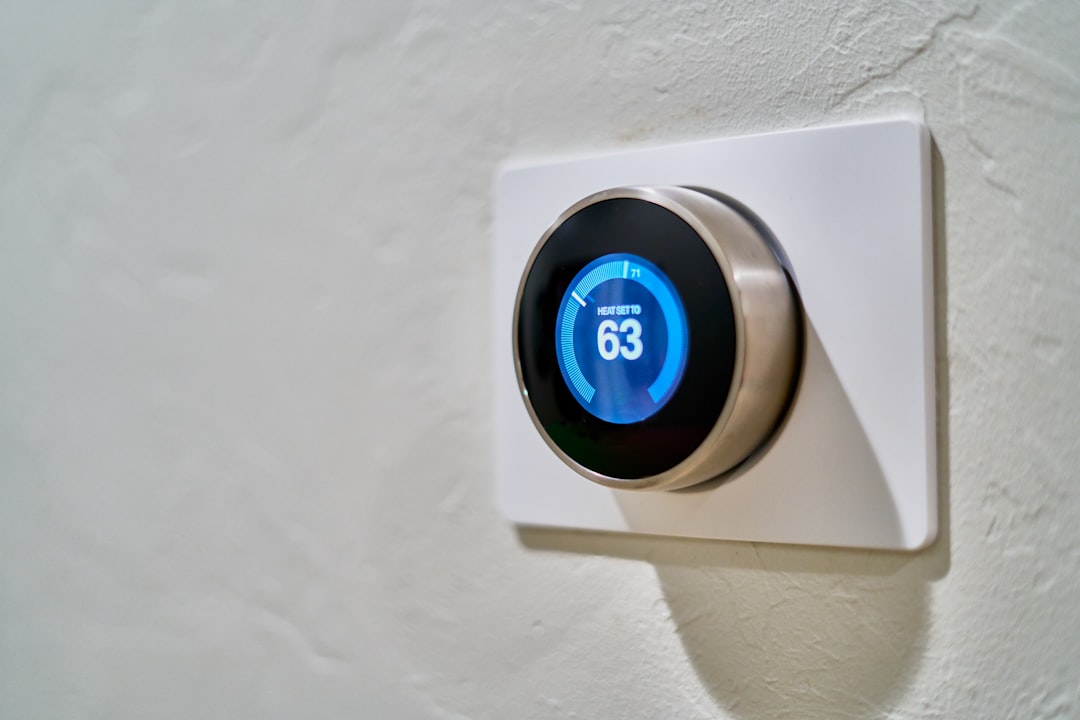
Rising energy prices and growing environmental concerns have pushed many homeowners and businesses to search for practical, reliable ways to reduce utility expenses. Smart thermostats, lighting systems, and environmental sensors have emerged as proven tools for cutting energy waste without sacrificing comfort or productivity. Unlike traditional systems that operate on fixed schedules or manual adjustments, smart technologies adapt in real time to occupancy, weather, and usage patterns, helping energy consumption align precisely with actual needs.
TLDR: Smart thermostats, lights, and sensors reduce utility bills by automatically adjusting energy use based on occupancy, time of day, and environmental conditions. They eliminate waste caused by human error, inefficient scheduling, and unnecessary operation. By combining automation, data tracking, and remote control, these systems typically reduce heating, cooling, and lighting costs by 10–30%. Over time, the savings often exceed the initial installation costs, making them a financially sound investment.
Why Traditional Energy Use Leads to Higher Bills
Most utility waste comes from systems running when they are not needed. Heating or cooling an empty building, lights left on overnight, or ventilation systems operating at full capacity regardless of occupancy all drive costs upward. Conventional thermostats and switches rely heavily on manual oversight. Even diligent property owners cannot perfectly manage energy use 24 hours a day.
Common inefficiencies include:
- Heating or cooling spaces during unoccupied hours
- Overcooling or overheating due to inaccurate thermostat readings
- Lighting unused rooms or workspaces
- Equipment running at full power instead of modulating output
- Lack of visibility into real energy consumption patterns
Smart systems address these issues by combining sensors, automation, and real-time data analysis.
How Smart Thermostats Reduce Heating and Cooling Costs
Heating and cooling typically account for the largest share of residential and commercial utility bills. Smart thermostats reduce this expense by continuously optimizing temperature control.
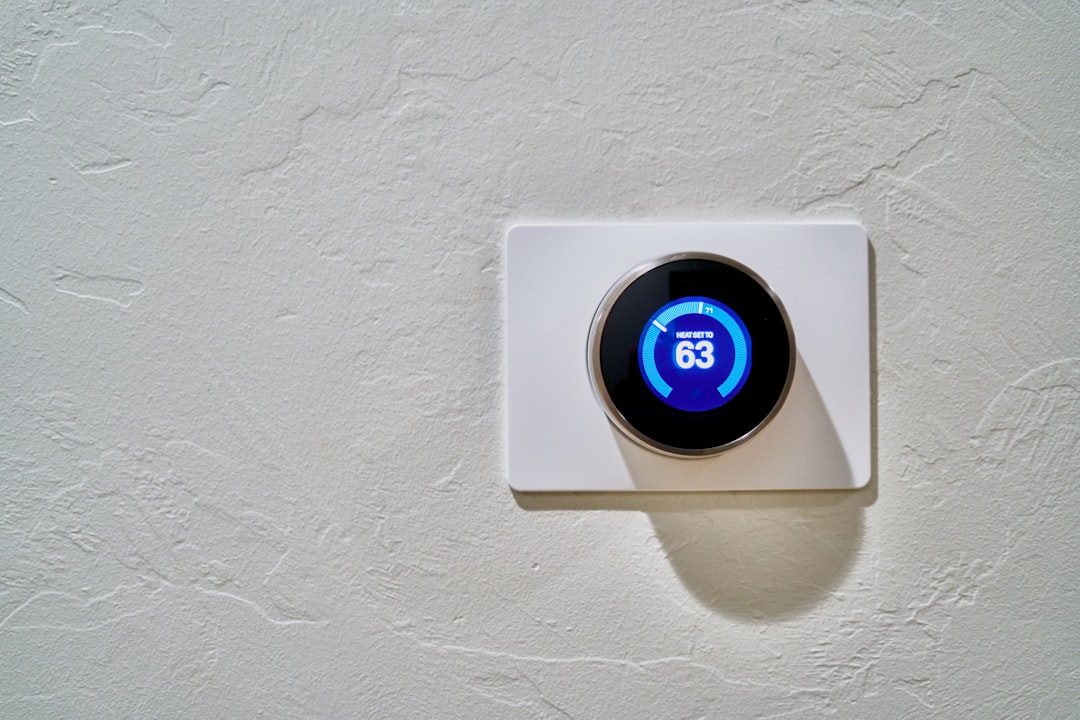
Adaptive Scheduling
Unlike programmable thermostats that rely on fixed settings, smart thermostats learn occupant behavior over time. They track when residents leave and return, automatically adjusting temperatures to conserve energy when spaces are empty.
Geofencing Technology
Many smart thermostats use geolocation features. When occupants move beyond a preset radius, the system shifts to an energy-saving mode. Upon return, it restores comfortable conditions automatically.
Weather-Based Optimization
Advanced models factor in local weather forecasts. If outdoor temperatures are about to rise, cooling cycles may be delayed or reduced. This proactive approach prevents overuse while maintaining indoor comfort.
Remote Access and Monitoring
Through mobile applications, users can adjust settings in real time. This reduces costly mistakes, such as leaving the heat running during an unexpected weekend trip.
According to industry estimates, smart thermostats can reduce heating and cooling costs by 10–20%, depending on climate and usage habits. Over multiple seasons, these savings compound significantly.
The Financial Impact of Smart Lighting Systems
Lighting is another major energy contributor, especially in commercial environments. Smart lighting systems go beyond energy-efficient bulbs by incorporating automation and occupancy detection.
Occupancy Sensors
Rooms are illuminated only when someone is present. Once movement stops for a specified period, lights turn off automatically. This simple feature can dramatically reduce waste in offices, warehouses, restrooms, and hallways.
Daylight Harvesting
Smart lighting systems measure available natural light and adjust artificial illumination accordingly. On bright days, indoor lights dim automatically, maintaining consistent brightness while lowering electricity use.
Scheduled Controls
Businesses can program lighting zones based on operating hours. Exterior lighting may dim late at night, and certain office sections can remain off until needed.
Energy-Efficient Integration
When combined with LED technology—which already consumes significantly less power than traditional bulbs—smart lighting systems can reduce lighting-related electricity costs by 20–40%.
In large commercial buildings, these percentage reductions translate into substantial annual savings and lower peak demand charges.
The Role of Environmental and Occupancy Sensors
Sensors are the foundation of most smart energy systems. They provide the real-time data necessary to make intelligent decisions.
Key sensor types include:
- Motion and occupancy sensors – Detect presence and trigger lighting or HVAC adjustments.
- Temperature sensors – Provide precise readings to prevent overconditioning.
- Humidity sensors – Improve HVAC efficiency and reduce excessive dehumidification.
- Air quality sensors – Regulate ventilation systems based on actual needs.
- Door and window sensors – Alert systems to pause heating or cooling when openings are detected.
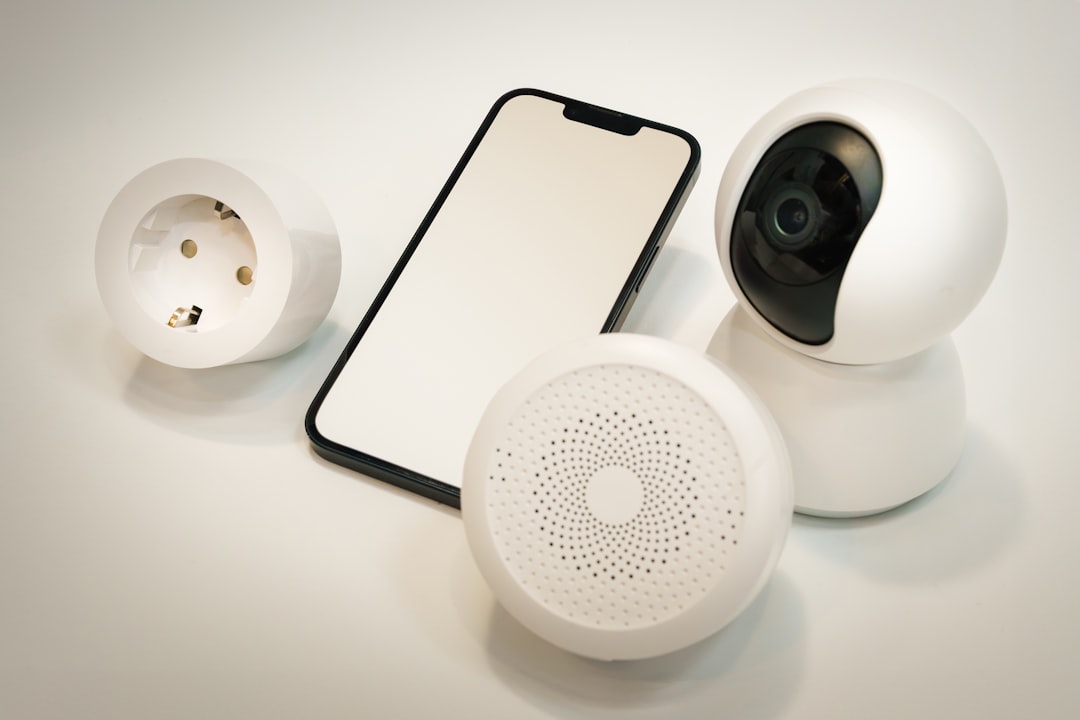
By continuously collecting environmental data, sensors eliminate guesswork. HVAC systems no longer rely solely on single thermostat readings but instead respond to conditions throughout a building.
Energy Data Transparency and Behavioral Change
One of the most overlooked benefits of smart systems is data visibility. Traditional utility bills provide only a monthly total. Smart technology breaks energy use down into detailed, actionable metrics.
Users can view:
- Daily and hourly consumption trends
- Peak usage periods
- Comparisons between rooms or zones
- Efficiency reports and cost forecasts
This transparency encourages informed behavioral adjustments. For example, homeowners may notice unusually high cooling usage during specific afternoon hours and adjust shading or ventilation practices accordingly.
Access to real data fosters accountability and continuous improvement. Over time, even small behavior changes produce measurable cost reductions.
Reducing Peak Demand Charges for Businesses
Commercial utility bills often include peak demand charges based on the highest energy usage during a billing period. Smart systems help prevent spikes that trigger these fees.
For instance:
- HVAC systems can stagger startup times instead of activating simultaneously.
- Lighting zones can power on gradually instead of all at once.
- Non-essential equipment can temporarily reduce output during peak grid hours.
By flattening consumption curves, businesses can avoid substantial penalties and improve long-term energy budgeting predictability.
Long-Term Return on Investment
While smart thermostats, lighting controls, and sensor systems require upfront installation, their financial return is typically strong. Payback periods vary depending on building size and local energy prices, but many property owners see returns within 1–3 years.
Key financial benefits include:
- Lower monthly utility expenses
- Reduced equipment wear and maintenance costs
- Improved system lifespan due to optimized operation
- Potential rebates from utility companies
In addition, properties equipped with energy-efficient automation systems often attract higher resale or rental value. Energy performance is increasingly viewed as a mark of operational quality and forward-thinking management.
Environmental and Regulatory Advantages
Beyond cost savings, reduced energy consumption lowers greenhouse gas emissions and supports regulatory compliance. Many municipalities now require stricter energy standards for commercial buildings. Smart control systems help property owners meet these benchmarks more easily.
Lower demand on the electrical grid also strengthens overall infrastructure reliability, particularly during extreme weather events when strain is highest.
Implementation Considerations
To maximize savings, systems should be professionally installed and properly configured. Poor calibration or incorrect placement of sensors may limit effectiveness.
Important considerations include:
- Compatibility with existing HVAC or electrical systems
- Scalability for future expansion
- User training to ensure proper operation
- Cybersecurity protections for connected devices
A comprehensive approach—integrating thermostats, lighting, and sensors into a coordinated network—delivers far greater savings than isolated upgrades.
The Bottom Line
Smart thermostats, lighting systems, and environmental sensors represent a practical evolution in energy management. Rather than relying on manual controls and static schedules, they continuously adapt to real-world conditions. By eliminating unnecessary operation, improving efficiency, and providing detailed performance data, these technologies consistently reduce utility costs.
For homeowners, the benefit is predictable monthly savings and improved comfort. For businesses, the impact extends to operational efficiency, regulatory compliance, and enhanced asset value. When installed and managed correctly, smart energy systems are not merely convenient conveniences—they are financially responsible investments that deliver measurable and sustained reductions in utility bills.