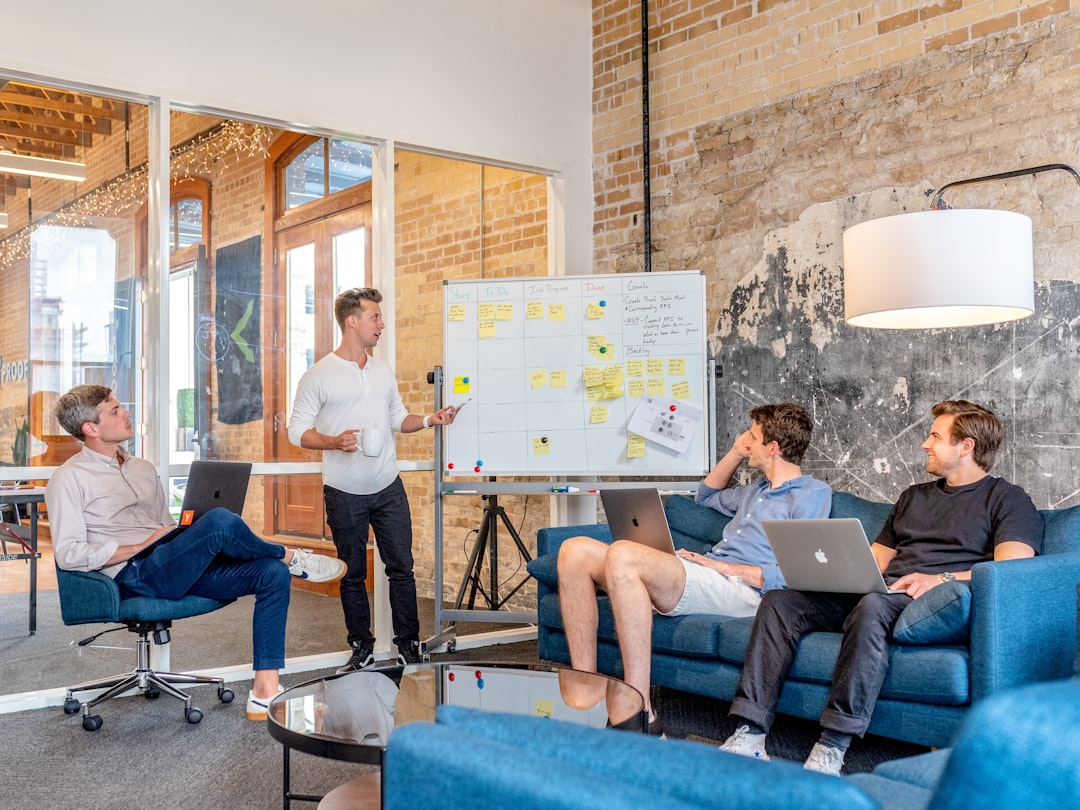
For an early-stage company, turning an app idea into a reliable, market-ready product can be difficult without the right technical partner. Garage2Global startup app development services are typically understood as end-to-end support for founders who need strategy, design, engineering, testing, launch assistance, and post-launch growth guidance. The concept focuses on helping startups move from a “garage” idea stage to a scalable “global” product stage through structured app development and business-oriented technology planning.
TLDR: Garage2Global startup app development services help founders transform raw app ideas into functional, scalable digital products. These services often include product discovery, UI and UX design, mobile and web app development, testing, deployment, and long-term support. The goal is not only to build an app, but also to help startups create a product that fits the market, attracts users, and supports future growth.
What Garage2Global Startup App Development Services Mean
The phrase Garage2Global reflects the journey many startups hope to take: beginning with a small idea, limited resources, and early uncertainty, then growing into a recognized digital business with a wider customer base. In app development, this means building technology in a way that supports both the first version of the product and its future expansion.
Rather than focusing only on coding, Garage2Global startup app development services usually cover the complete product lifecycle. A startup may begin with a concept, a rough wireframe, or even just a problem statement. The development team then helps define the app’s purpose, target users, core features, business model, technical architecture, and launch roadmap.
This approach is useful because startups often face changing requirements, tight budgets, and the need to validate ideas quickly. A structured development service can reduce risk by helping the startup prioritize essential features and avoid unnecessary complexity in the early stages.
Why Startups Need Specialized App Development Support
Startups operate differently from established companies. They often need to launch fast, learn from users, and improve the product continuously. A traditional software development process may be too slow or too rigid for such conditions. Startup-focused app development is designed to be more flexible, iterative, and growth-oriented.
A specialized team understands that the first version of an app does not need every possible feature. Instead, it should solve a real user problem clearly and efficiently. This is why many Garage2Global-style services emphasize building a Minimum Viable Product, commonly called an MVP.
- Speed: Startups need faster development cycles to test ideas in the market.
- Cost control: Early-stage companies must avoid spending resources on nonessential features.
- Scalability: The app should be built so it can grow as user demand increases.
- User feedback: The product must be easy to improve based on real-world usage.
- Business alignment: Technology decisions should support revenue, retention, and growth goals.
Key Stages of Garage2Global App Development
Garage2Global startup app development services usually follow a phased process. Each phase helps reduce uncertainty and bring the product closer to market readiness.
1. Product Discovery and Strategy
The discovery stage is where the idea is examined in detail. The service provider may work with the startup to understand the target audience, user problems, competitors, revenue model, and core app objectives. This stage often includes market research, feature planning, and technical feasibility analysis.
Product discovery is important because a well-defined idea is easier to build, test, and sell. Without this phase, startups may invest in features that users do not need or fail to identify technical challenges early enough.
2. MVP Planning
An MVP is the simplest useful version of the app. It includes enough functionality to attract early users and collect meaningful feedback. Garage2Global services often help founders decide which features belong in the MVP and which should be saved for later versions.
For example, a food delivery startup may need user registration, restaurant listings, order placement, payment integration, and order tracking in the MVP. Advanced loyalty programs, AI-based recommendations, and complex analytics may be planned for later releases.
3. UI and UX Design
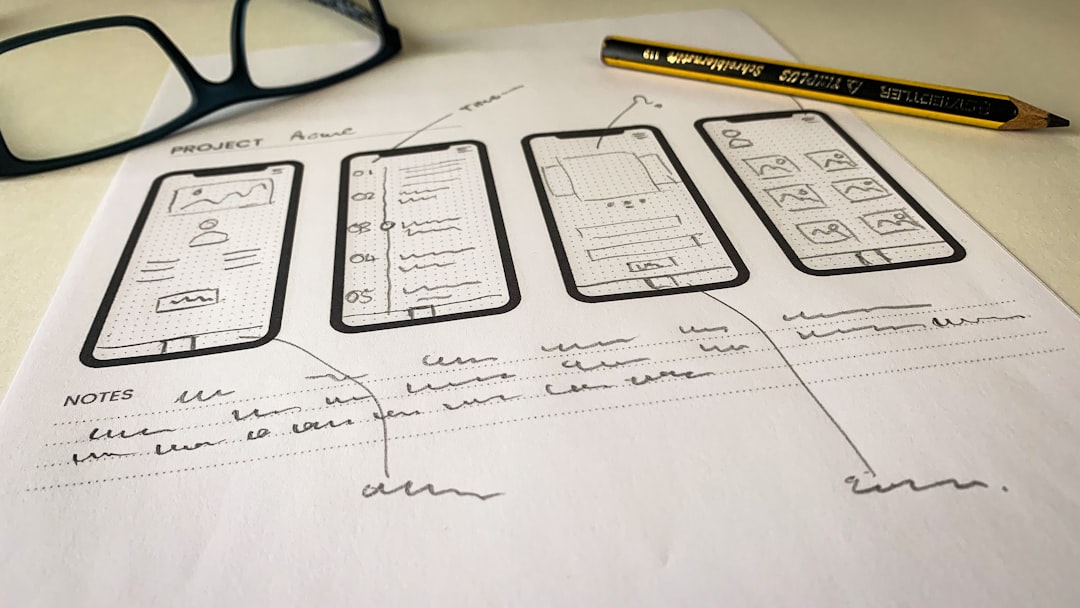
Design plays a major role in app success. User interface design focuses on how the app looks, while user experience design focuses on how easily people can use it. A strong design process may include wireframes, clickable prototypes, user journeys, and visual design systems.
Good UI and UX design can help a startup create trust, reduce user confusion, and improve retention. Even when an app has strong features, poor navigation or unclear screens can cause users to leave quickly.
4. App Development
After planning and design, the development team builds the app. This may include mobile app development for iOS and Android, web app development, backend systems, APIs, admin dashboards, databases, and third-party integrations.
The right technology stack depends on the startup’s goals. Some apps require native development for performance, while others can use cross-platform frameworks to reduce cost and development time. Garage2Global services may recommend technologies based on scalability, security, budget, and long-term maintenance.
5. Quality Assurance and Testing
Testing ensures that the app works as expected before users access it. This includes checking features, performance, security, compatibility, usability, and responsiveness across devices. For startups, testing is especially important because a poor first impression can damage credibility.
Quality assurance may include manual testing, automated testing, bug tracking, device testing, payment testing, and load testing. A reliable development service will not treat testing as an afterthought. Instead, it will include testing throughout the project lifecycle.
6. Launch and Deployment
Launching an app involves more than uploading it to app stores. The team may prepare app store assets, configure cloud servers, set up analytics, monitor performance, and ensure compliance with platform requirements. If the product is a web app, deployment may involve hosting configuration, domain setup, database preparation, and security checks.
A carefully managed launch helps reduce technical problems and gives the startup a stronger beginning. It also allows the team to track user behavior from day one.
7. Post-Launch Support and Scaling
After launch, the startup begins receiving real user feedback. Garage2Global startup app development services often continue with maintenance, bug fixes, feature improvements, performance optimization, and scaling support.
This phase is where the app evolves from a first release into a stronger product. The development team may help analyze user data, improve onboarding, add new features, strengthen security, and prepare the platform for higher traffic.
Common Types of Apps Built for Startups
Garage2Global-style development services may support many types of digital products. The exact app type depends on the startup’s industry, audience, and business model.
- Marketplace apps: Platforms connecting buyers and sellers, service providers and customers, or businesses and consumers.
- On demand apps: Apps for delivery, booking, transportation, home services, or instant access to professionals.
- Fintech apps: Payment solutions, budgeting tools, lending platforms, wallets, and investment apps.
- Healthtech apps: Telemedicine platforms, wellness trackers, appointment systems, and patient management tools.
- Edtech apps: Learning platforms, tutoring apps, course marketplaces, and student progress tools.
- SaaS products: Subscription-based software for business productivity, automation, analytics, or collaboration.
- Social and community apps: Platforms that build user networks around interests, content, or communication.
Benefits of Using Garage2Global Startup App Development Services
The main benefit is that the startup receives a structured path from idea to launch. This can save time and reduce the chances of building the wrong product. A service provider with startup experience will often think beyond code and consider market fit, user behavior, monetization, and future growth.
Another important benefit is technical guidance. Founders may have strong business ideas but limited knowledge of software architecture, data security, cloud infrastructure, or app store compliance. A knowledgeable team can help make decisions that prevent expensive problems later.
These services can also support investor readiness. A well-designed MVP, clear roadmap, demo-ready prototype, and scalable architecture can make a startup more credible during funding conversations.
Important Features a Startup App May Need
Although every app is different, many startup apps require a set of common features. Garage2Global development teams usually help determine which features should be included immediately and which should be delayed.
- User registration and login: Secure access through email, phone, social login, or single sign-on.
- User profiles: Personal information, preferences, settings, and activity history.
- Payments: Integration with payment gateways, subscriptions, wallets, or invoicing systems.
- Notifications: Push notifications, email alerts, or SMS updates for engagement.
- Admin dashboard: A control panel for managing users, content, orders, reports, and settings.
- Analytics: Tracking user behavior, conversions, retention, and product performance.
- Security features: Encryption, authentication controls, secure APIs, and role-based access.
How the Development Process Supports Business Growth
A strong startup app is not only functional; it is designed to support measurable business outcomes. Garage2Global services often connect development decisions with growth goals. For example, a smooth onboarding process can increase user activation, while personalized notifications can improve retention.
The development team may also help build analytics into the app so the startup can understand user behavior. These insights support future decisions about product updates, marketing campaigns, pricing, and customer support. Over time, this data-driven approach can help the startup become more competitive.
Scalability is another major growth factor. If an app gains users quickly but the backend cannot handle the load, performance issues may harm the brand. A Garage2Global approach considers future traffic, database structure, cloud services, and modular architecture early in the process.
Choosing the Right Startup App Development Partner
A startup should evaluate a development partner carefully. The best fit is usually a team that understands both technology and startup realities. Technical skill is important, but communication, transparency, and strategic thinking matter just as much.
When assessing a provider, the startup may consider the following:
- Portfolio: Evidence of previous app development experience.
- Startup understanding: Ability to work with MVPs, pivots, and limited budgets.
- Process clarity: A defined workflow for discovery, design, development, testing, and launch.
- Communication: Regular updates, clear documentation, and responsive project management.
- Technical depth: Knowledge of mobile platforms, backend development, cloud systems, APIs, and security.
- Long-term support: Availability for maintenance, scaling, and future feature development.
Cost Factors in Startup App Development
The cost of app development depends on complexity, platform choice, design requirements, integrations, security needs, and development timeline. A simple MVP may cost significantly less than a full-scale platform with advanced features, multiple user roles, real-time communication, and custom analytics.
Garage2Global startup app development services often help founders manage cost by prioritizing features. Instead of building a large product immediately, the startup can release a focused MVP, validate demand, and then invest in improvements based on real feedback.
This staged approach helps reduce waste and gives the company more control over its budget. It also makes it easier to adapt if the market responds differently than expected.
Final Thoughts
Garage2Global startup app development services provide a practical framework for turning early ideas into scalable digital products. They combine strategy, design, development, testing, launch support, and post-launch improvement. For startups, this type of service can be valuable because it focuses on speed, flexibility, validation, and growth.
An app’s success depends on more than attractive screens or clean code. It depends on solving a real problem, giving users a smooth experience, and supporting the business model behind the product. A Garage2Global approach helps align these elements so startups can move from concept to market with greater confidence.
FAQ
What are Garage2Global startup app development services?
They are end-to-end app development services that help startups plan, design, build, launch, and scale digital products from the idea stage to a market-ready application.
Is Garage2Global app development only for mobile apps?
No. These services may include mobile apps, web apps, SaaS platforms, backend systems, admin dashboards, APIs, and cloud-based infrastructure.
Why is an MVP important for startups?
An MVP allows a startup to launch a basic but useful version of the app, test demand, collect feedback, and improve the product without overspending on unnecessary features.
How long does startup app development take?
The timeline depends on app complexity, features, design needs, and testing requirements. A simple MVP may take a few months, while a complex platform may require a longer development cycle.
What should a startup look for in an app development partner?
A startup should look for technical expertise, startup experience, clear communication, transparent pricing, strong design capabilities, testing processes, and long-term support options.
Can these services help after the app is launched?
Yes. Post-launch support often includes bug fixes, performance improvements, new features, analytics review, security updates, and scalability planning.