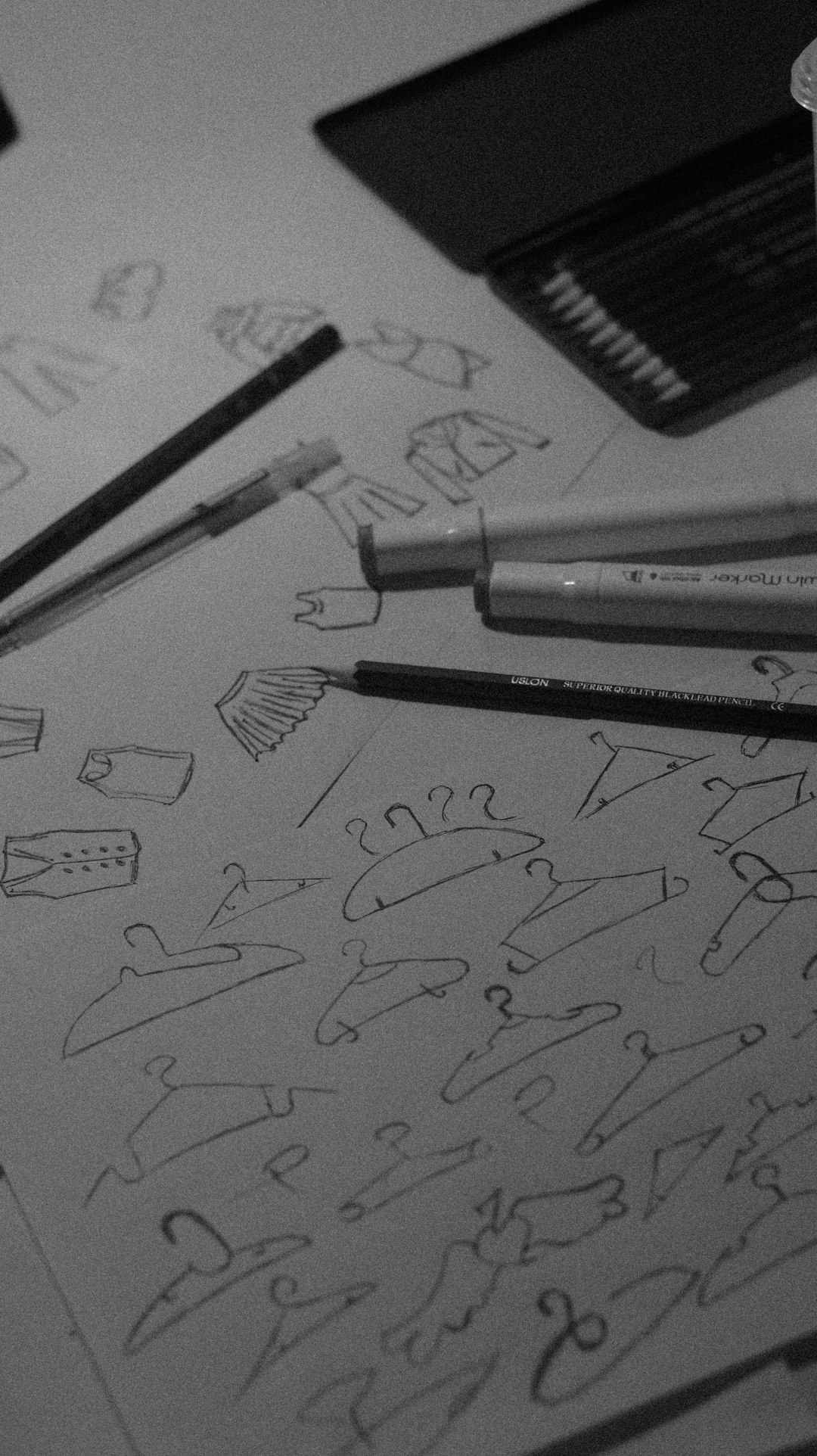
A logo often begins as a rough idea: a mood, a promise, a name, or a simple sketch in the corner of a notebook. Turning that idea into a recognizable identity now happens through many kinds of logo design platforms, from automated generators to collaborative marketplaces and professional software. Each option serves a different type of business, budget, and creative process.
TLDR: Logo design platforms differ mainly in speed, customization, cost, ownership, and creative control. AI and template-based tools are best for quick, affordable concepts, while freelance marketplaces and professional design software offer deeper originality and refinement. The strongest choice depends on whether a brand needs a fast launch, a polished visual system, or a truly distinctive identity.
Understanding the Logo Design Platform Landscape
Modern logo design platforms can be grouped into several broad categories. Some use AI-assisted generation to create instant concepts based on a brand name, industry, and style preferences. Others offer editable templates, allowing users to select a starting point and adjust colors, typefaces, and icons. More advanced platforms connect businesses with freelance designers, agencies, or design contests. Finally, professional design software gives experienced creatives full control over every curve, grid, and file format.
The best platform is rarely the one with the longest feature list. Instead, it is the one that matches the stage of the brand. A small side project may only need a clean, affordable mark for a website header. A growing company entering a competitive market may need a logo system that works across packaging, social media, signage, advertising, and investor materials.
Image not found in postmetaAI Logo Generators: Speed and Accessibility
AI logo generators are designed for speed. A user typically enters a business name, selects an industry, chooses visual preferences, and receives multiple logo options within minutes. These platforms are useful for early-stage entrepreneurs, creators, local services, and anyone needing a quick visual starting point.
Their main advantage is efficiency. They reduce the blank-page problem and can produce dozens of directions faster than a traditional design process. Many also include basic brand assets, such as social media profile images, business card layouts, and simple color palettes.
However, the trade-off is originality. AI-generated logos may rely on common symbols, familiar layouts, or predictable typography. While they can look professional, they may not always feel deeply connected to a brand’s story. They are best viewed as practical launch tools rather than guaranteed long-term identity systems.
Template-Based Logo Makers: Control Without Complexity
Template-based platforms sit between automation and custom design. They provide prebuilt logo layouts that can be edited through a visual interface. Colors, fonts, icons, spacing, and backgrounds can usually be changed without design training.
These platforms appeal to small businesses that want more control than a fully automated generator provides but do not have the budget for a designer. They are especially helpful when the business owner has a clear idea of the desired style: minimalist, playful, elegant, bold, vintage, or modern.
The limitation is that templates may be used by many other people. Even when customized, a logo can retain a familiar structure. For brands in highly competitive sectors, this may weaken distinctiveness. Still, for internal projects, community groups, early product tests, or modest local brands, template-based tools can offer a balanced mix of affordability and polish.
Freelance Marketplaces and Design Contests
Freelance design platforms connect businesses with independent designers around the world. This model offers more human interpretation than automated tools. A designer can consider the brand’s audience, tone, competitors, and long-term positioning before creating concepts.
Some platforms operate through direct hiring, where a business reviews portfolios and selects a designer. Others use contest formats, where multiple designers submit logo concepts based on a brief. The contest approach can generate variety, while direct hiring often allows deeper collaboration and refinement.
The advantage is strategic creativity. A skilled designer can explain why a certain shape, typeface, or color supports the brand. The result may feel less generic and more intentional. The challenge is inconsistency. Quality varies widely, and successful outcomes depend on a clear brief, constructive feedback, and enough time for revisions.

Professional Design Software: Maximum Creative Control
Professional design software is not usually a beginner-friendly logo platform, but it remains the standard for serious identity work. These tools allow designers to build scalable vector artwork, refine custom lettering, create precise geometry, and export production-ready files.
This option is best suited to trained designers, agencies, or businesses working closely with design professionals. It supports advanced needs such as responsive logo systems, icon families, brand guidelines, print specifications, and multilingual variations.
The downside is the learning curve. Professional software requires knowledge of layout, typography, color theory, file formats, and production requirements. For a founder without design experience, it can be slow and frustrating. For a professional, however, it offers the highest ceiling for craftsmanship and originality.
Key Criteria for Comparing Platforms
When comparing logo design platforms, several factors matter more than flashy previews:
- Customization: The platform should allow meaningful changes to typography, color, layout, and symbols.
- File formats: A strong logo package should include vector files such as SVG, EPS, or PDF, along with PNG and JPG versions.
- Commercial rights: The business should understand whether it receives full usage rights and whether the design is exclusive.
- Scalability: A logo should remain clear on a tiny app icon, a website, a sign, and printed materials.
- Brand consistency: The platform should help create matching colors, fonts, and supporting assets.
- Revision process: Human-led platforms should make feedback and edits easy to manage.
Cost Versus Value
Price is often the first comparison point, but it can be misleading. A low-cost logo may be acceptable if the brand is temporary, experimental, or informal. For a business investing in advertising, packaging, or public visibility, a weak logo can become expensive later when it must be replaced across many touchpoints.
AI and template platforms usually offer the lowest upfront cost. Freelance designers and contests occupy a middle range, depending on talent and project scope. Professional studio work costs more but may include strategy, competitor research, naming support, brand guidelines, and multiple identity elements.
The most practical question is not, “Which platform is cheapest?” but rather, “How important is this logo to the brand’s credibility and growth?”
Which Platform Fits Which Brand?
For a quick digital launch, an AI logo generator or template maker can provide a useful starting point. For a local business aiming for a professional but budget-conscious identity, a strong template platform or freelance designer may be enough. For a funded startup, consumer product, restaurant group, or professional service firm, custom design is usually the safer long-term investment.
A brand with a distinctive story, unusual audience, or premium positioning benefits from human strategy. A brand with a simple operational need may benefit more from speed. The right platform depends on context, not trends.

Final Thoughts
Logo design platforms have made visual identity more accessible than ever. They allow ideas to become visible quickly, whether through AI suggestions, editable templates, freelance collaboration, or professional design systems. Yet a logo is more than decoration. It is a compact signal of trust, personality, and purpose.
The strongest platforms help a brand move from an idea to an identity with clarity. Some do this through convenience, others through customization, and others through expert interpretation. A thoughtful comparison ensures the final logo is not only attractive, but also useful, memorable, and built for the future.
FAQ
-
What is the fastest way to create a logo?
AI logo generators and template-based logo makers are usually the fastest options, often producing usable concepts within minutes. -
Are AI-generated logos good enough for a business?
They can be good enough for early-stage brands, side projects, or quick launches. For a highly competitive or premium brand, custom design may provide stronger originality. -
What files should a logo platform provide?
A complete logo package should include scalable vector files such as SVG, EPS, or PDF, plus web-friendly PNG and JPG files. -
Is hiring a freelance designer better than using a logo maker?
It depends on the brand’s needs. Freelancers can offer strategy and originality, while logo makers offer speed and affordability. -
What makes a logo platform worth using?
A worthwhile platform provides clear customization, commercial usage rights, high-quality exports, and results that fit the brand’s audience and purpose.