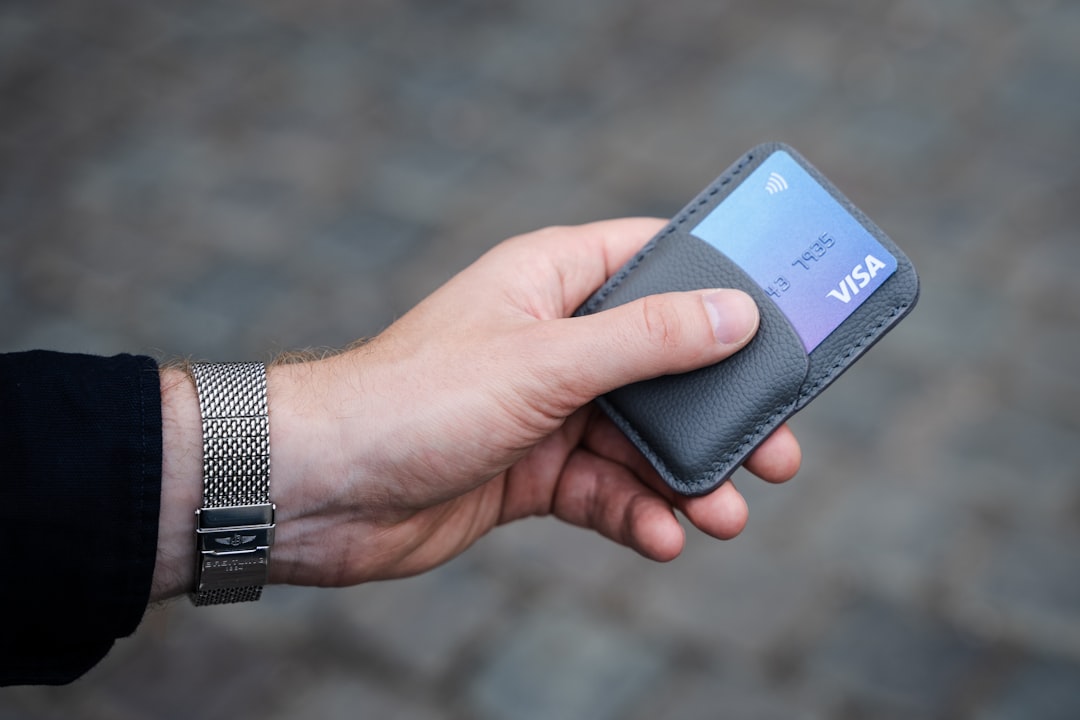
Credit cards are such an ordinary part of modern life that most of us rarely pause to think about the technology behind those 16 digits printed on the front. Yet hidden within that sequence is a clever mathematical safeguard that helps detect errors before a transaction is even processed. If you have ever wondered whether every credit card number follows the same mathematical rules, you are not alone. One of the most common questions in payments technology is whether all credit cards use the Luhn algorithm—and if not, why.
TL;DR: Most major credit cards do use the Luhn algorithm to validate card numbers and catch accidental errors. However, not every financial card in existence relies on it, and some systems use additional or alternative validation methods. The Luhn algorithm is primarily designed to detect simple mistakes, not to prevent fraud. Understanding how it works can help demystify how card numbers are structured and why they are designed the way they are.
What Is the Luhn Algorithm?
The Luhn algorithm, also called the “modulus 10” algorithm, is a simple mathematical formula created in the 1950s by IBM scientist Hans Peter Luhn. Its original purpose was straightforward: to validate identification numbers and catch accidental input errors.
Today, it is widely used in:
- Credit cards
- Debit cards
- Prepaid cards
- Some government ID numbers
- Various membership and account identifiers
The algorithm works by performing a series of calculations on the digits of a card number to produce a checksum. If the resulting total meets specific mathematical conditions, the card number is considered valid in structure.
Important: The Luhn algorithm does not verify whether an account is active, has funds, or is legitimate. It only checks if the number itself is formatted correctly.
How the Luhn Algorithm Works
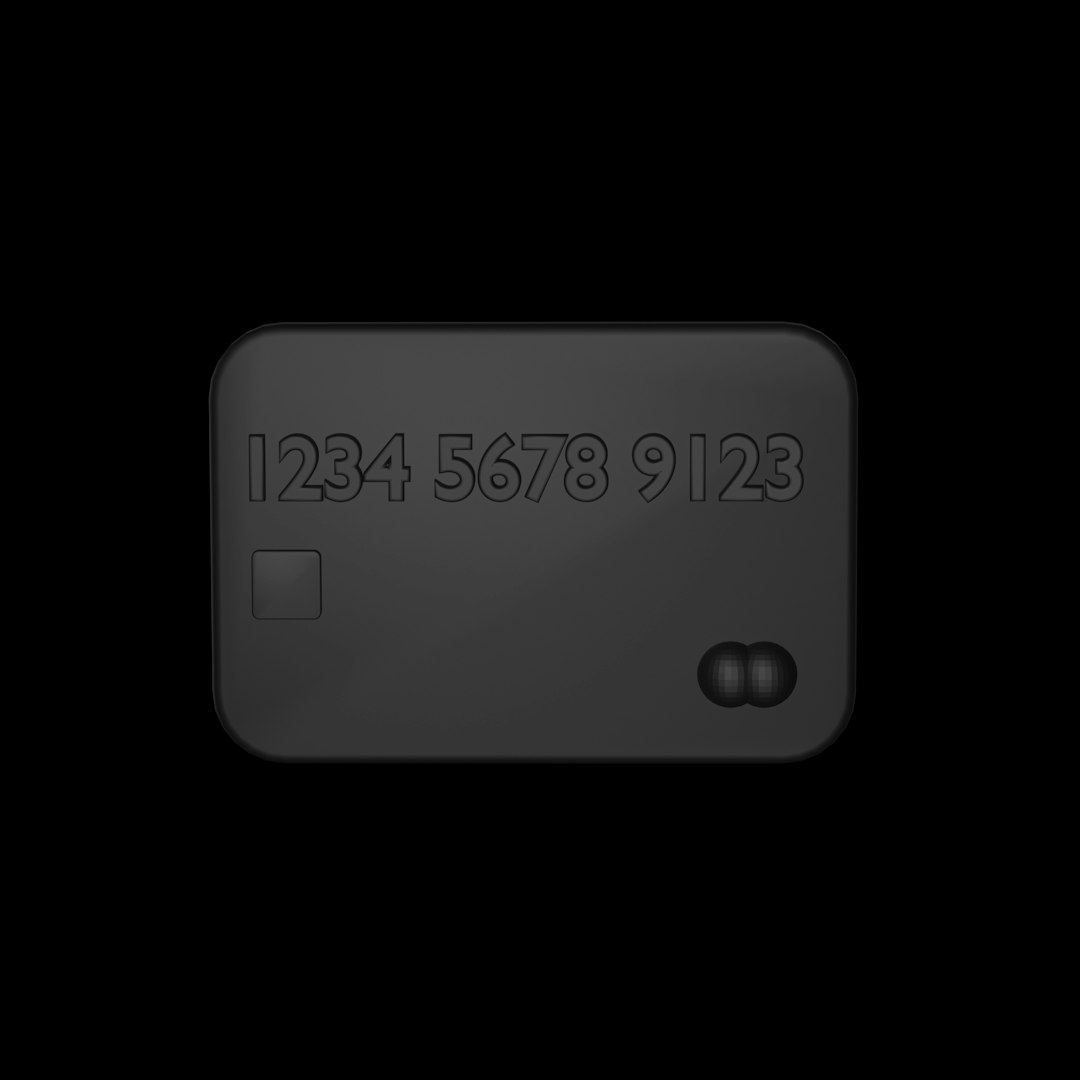
At first glance, a 16-digit credit card number may look random. In reality, it follows a structured format:
- Issuer Identification Number (IIN) – The first 6 digits identify the network and issuing institution.
- Account Number – The middle digits identify the cardholder’s account.
- Check Digit – The final digit is calculated using the Luhn algorithm.
Here is a simplified explanation of how the Luhn formula validates a card number:
- Starting from the right (excluding the check digit), every second digit is doubled.
- If doubling a digit results in a number greater than 9, the digits are added together (or 9 is subtracted).
- All digits are summed.
- If the total is divisible by 10, the number passes the Luhn check.
This process helps catch:
- Single-digit errors (e.g., typing 7 instead of 8)
- Many adjacent digit swaps (e.g., 63 instead of 36)
However, it is not foolproof against all possible mistakes—nor is it designed to stop fraudsters.
Do All Credit Cards Use the Luhn Algorithm?
Short answer: Almost all major international credit card brands use it.
Visa, Mastercard, American Express, Discover, and most global payment networks incorporate the Luhn algorithm into their card numbering systems. This standardization ensures that payment processors, banks, and merchants can quickly validate card numbers before sending them through authorization systems.
But the more precise answer is slightly nuanced.
1. Major Card Networks: Yes
Nearly all mainstream consumer credit cards follow the Luhn formula. That includes:
- Visa
- Mastercard
- American Express
- Discover
- JCB
- Diners Club
Without the Luhn check digit, payment gateways would experience significantly more failed transactions due to simple typing errors.
2. Debit Cards: Almost Always
Since most debit cards operate on the same payment networks as credit cards, they also typically follow the Luhn algorithm. From a processing standpoint, debit and credit cards behave similarly in terms of number validation.
3. Prepaid and Gift Cards: Usually
Many prepaid cards use the same system, especially if they are backed by a major network. However, some closed-loop gift cards (such as single-store cards) may use alternative internal validation systems.
4. Private Label or Legacy Systems: Not Always
Some older or specialized financial systems may not rely strictly on Luhn. In rare cases, issuers implement proprietary checksum methods tailored to internal platforms. However, these are exceptions rather than the rule.

Why the Luhn Algorithm Became the Industry Standard
There are several reasons the Luhn system became so widely adopted:
It Is Simple
The calculation can be performed quickly—even manually. In the early days of computing, efficiency mattered enormously.
It Detects Common Errors
Most transaction mistakes are simple typos. Luhn catches many of them before they are sent to banks.
It Is Lightweight
The algorithm requires minimal computational power, making it ideal for large-scale payment processing systems handling thousands of transactions per second.
It Is Interoperable
Because it is standardized, everyone—from small merchants to global processors—can rely on the same validation method.
What the Luhn Algorithm Does Not Do
One of the biggest misconceptions is that the Luhn formula protects against fraud. It does not.
Here is what the Luhn algorithm cannot do:
- Verify that an account exists
- Confirm available balance or credit limit
- Prevent stolen card usage
- Stop brute-force “card testing” attacks
Since the algorithm is public knowledge, fraudsters can generate numbers that pass the Luhn check. That is why modern payment security relies on multiple additional layers, including:
- EMV chip technology
- CVV security codes
- Address Verification Service (AVS)
- Tokenization
- Real-time fraud detection systems
In other words, Luhn is merely the first filter, not the security system itself.
Are There Any Cards That Do Not Use Luhn?
Although rare in mainstream consumer finance, some numbering systems bypass the Luhn approach.
Examples may include:
- Closed internal corporate account numbers
- Certain transit cards
- Older proprietary banking systems
- Specialty identification systems
Even so, most globally recognized credit and debit cards stick to Luhn due to compatibility and infrastructure demands.
How Luhn Fits Into the Bigger Payment Picture
To understand why Luhn persists, it helps to see where it sits within the payment lifecycle.
Here is a simplified sequence of what happens during a card transaction:
- You enter card details.
- The system performs a Luhn check.
- The transaction is forwarded to the payment processor.
- The issuing bank verifies account details.
- Fraud prevention systems analyze risk factors.
- Approval or decline is returned.
The Luhn step happens almost instantly, often directly in your web browser before data is even transmitted.

Why Understanding This Matters
You might wonder: why should an average person care about a checksum formula?
There are a few practical reasons:
- Developers building payment forms need to implement Luhn checks correctly.
- Business owners benefit from reduced transaction errors.
- Security professionals must understand its limitations.
- Consumers gain insight into how payment systems really work.
Understanding Luhn also highlights an important truth about financial technology: even the most advanced systems often rely on surprisingly simple foundations.
The Future of Card Number Validation
As technology evolves, some aspects of card payments are changing dramatically. Digital wallets, tokenized payments, and virtual cards are increasingly common. Yet even many temporary tokenized card numbers still rely on Luhn validation behind the scenes.
However, the broader trend suggests a gradual move away from visible card numbers altogether. Biometric authentication, device-based authorization, and encrypted token systems are reducing reliance on static numbers.
Still, as long as traditional card numbers exist, the Luhn algorithm is likely to remain embedded in the infrastructure.
Final Thoughts
So, do all credit cards follow the Luhn algorithm? Practically speaking, yes—almost all major consumer credit and debit cards do. It has become an industry-standard method for detecting simple input errors and maintaining consistency across payment platforms worldwide.
Yet it is important to understand what it is—and what it is not. The Luhn algorithm is a structural validator, not a fraud shield. It helps maintain data integrity, but it works alongside far more sophisticated systems that handle authentication and security.
More than 70 years after its invention, this elegant mathematical formula continues to play a quiet but crucial role in global commerce. Every time you swipe, tap, or type your card number, a small calculation runs behind the scenes—protecting the payment system from everyday human error, one digit at a time.