A digital room helps B2B teams replace scattered follow ups with one secure, shared hub for buyer content, next steps, and engagement data. Instead of sending a proposal in one email, a case study in another, and a pricing sheet through a chat thread, sales can place everything in one branded space and see what buyers actually review.
TLDR: A digital sales room gives sellers and buyers one organized location for decks, pricing, contracts, videos, mutual action plans, and decision notes. It also shows engagement signals, such as who opened content, which pages they viewed, and how long they stayed. For example, a software sales team may find that deals where three or more stakeholders viewed the ROI calculator closed 28% faster than deals with only one active viewer. This helps reps focus on the right accounts and identify stalled buying groups before the quarter slips away.
What Is a Digital Room in B2B Sales?
A digital room, often called a digital sales room, is a private online workspace shared between a vendor and a buying team. It usually contains sales materials, product information, security documents, business cases, proposals, mutual action plans, and contract updates.
The value is not only storage. A folder can store files. A digital room manages the sales conversation. It gives buyers a clear path through the information they need, while giving sellers insight into what is working.
In complex B2B sales, one buyer rarely makes the decision alone. Finance, legal, IT, procurement, operations, and senior leadership may all join at different points. That creates a common problem: content gets forwarded without context, old documents keep circulating, and the seller has little idea who is engaged.
A digital room reduces that mess. It becomes the single source of truth for the deal.

Why Traditional Buyer Content Management Breaks Down
Most B2B teams still rely on a mix of email, cloud folders, CRM notes, document links, calendar invites, and chat messages. This works in small deals. It breaks down in larger ones.
Common issues include:
- Version confusion: Buyers open old pricing or outdated technical documents.
- Lost context: A forwarded deck reaches a senior executive with no explanation.
- No visibility: Sellers cannot see whether key stakeholders reviewed the material.
- Poor handoffs: Sales, solution consultants, legal, and customer success work from different notes.
- Slow response cycles: Buyers ask for the same materials more than once.
It drives teams crazy that a rep can spend 40 minutes building a clean follow up email, only to find out later that the CFO never saw the business case. That delay can change the outcome of a deal.
How Digital Sales Rooms Organize Buyer Content
A strong digital room turns buyer content into a guided experience. The buyer does not need to search through ten attachments. They enter a branded space and see the right content grouped by stage, role, or topic.
Typical sections include:
- Executive summary: A short overview of the buyer’s goals, pain points, and proposed solution.
- Product resources: Demo recordings, feature sheets, technical guides, and comparison documents.
- Business case: ROI analysis, cost savings, payback period, and measurable outcomes.
- Security and compliance: SOC 2 reports, data privacy documents, vendor risk answers, and IT reviews.
- Proposal and pricing: Quotes, package options, terms, and assumptions.
- Mutual action plan: Shared milestones, owners, due dates, and next steps.
This structure helps buyers move faster because they do not need to ask, “Can you resend that?” It also helps new stakeholders catch up. A late-stage VP can enter the room and understand the situation in minutes.
Honestly, it feels like a waste when senior people join a deal and the team has to replay three weeks of discovery calls. A well-built digital room prevents that repeat work.
How Engagement Tracking Changes Sales Behavior
Engagement tracking is where digital rooms become more than a content hub. They show which buyers are active, what they care about, and whether momentum is increasing or fading.
Useful engagement data may include:
- Number of visitors in the room
- Names or roles of known viewers
- Documents opened
- Time spent on each asset
- Repeat visits
- Content shared with additional stakeholders
- Milestone completion in the mutual action plan
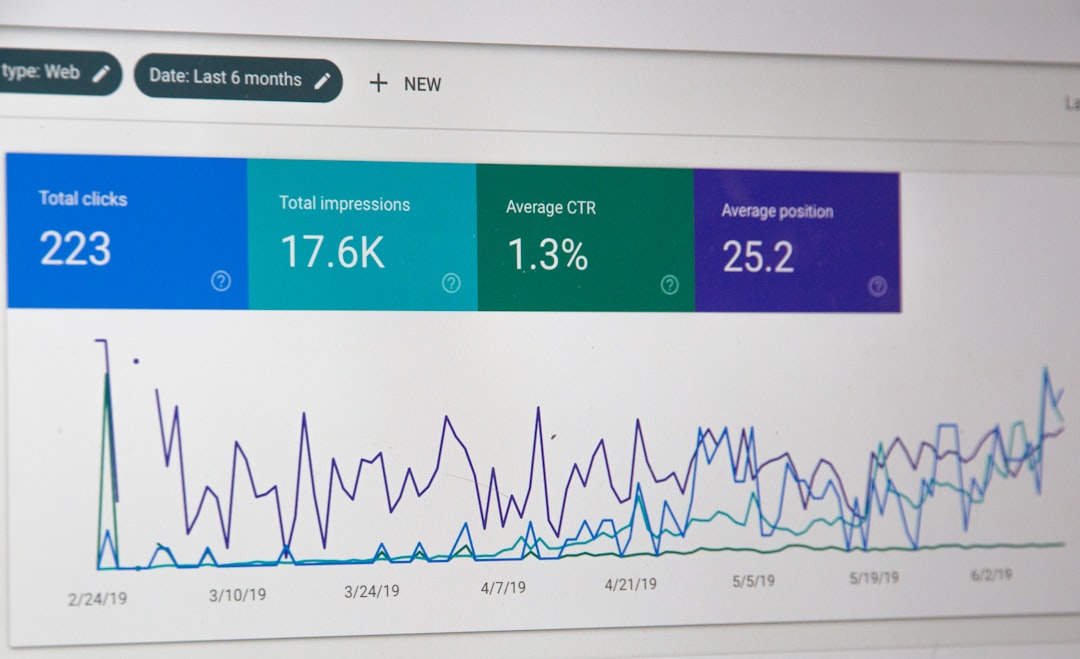
This data helps sellers prioritize. If procurement opens the pricing page six times in two days, the rep may need to prepare for commercial questions. If IT spends 18 minutes in the security documentation, the solution team should be ready. If the room has no visits for ten days, the deal may be at risk.
Engagement signals are not perfect proof of intent. A buyer can read every document and still delay. But patterns matter. A room with five active stakeholders and repeated visits is usually healthier than a room with one contact who only opened the proposal once.
Benefits for Sales, Marketing, and Customer Teams
Digital rooms are often bought by sales teams, but the impact reaches across revenue operations.
Sales teams gain better control over deal communication. Reps can tailor rooms by account, industry, use case, or stakeholder. Managers can inspect room activity before forecast calls instead of relying only on rep opinion.
Marketing teams learn which assets support real deals. If a product video gets high engagement in late-stage opportunities, it may deserve more promotion. If a 20-page brochure is rarely opened, it may need to be shortened or replaced.
Customer success teams benefit after signature. The same room can hold onboarding plans, kickoff notes, training resources, and success criteria. This creates continuity from sales promise to customer outcome.
Revenue leaders get a cleaner view of buyer intent. CRM fields often show what the seller entered. Digital room analytics show what the buyer did.
What a Good Digital Room Should Include
Not every digital sales room is useful. Some become fancy file folders. The best ones are simple, organized, measurable, and easy for buyers to use.
Key features to look for include:
- Secure access: Permissions, password protection, domain controls, and activity logs.
- Branding: A professional space that matches the seller’s company and feels credible.
- Content control: Easy updates, version management, and content expiration.
- Analytics: Clear reporting on views, visitors, time spent, and engagement trends.
- CRM connection: Activity data that syncs with opportunity records.
- Mutual action plans: Shared steps that both buyer and seller can track.
- Personalization: Content grouped by buyer role, use case, or deal stage.
The buyer experience matters most. If a room takes too many clicks, loads slowly, or forces a login every time, people will avoid it. Expect to waste time on follow ups if buyers find the room harder than email.
A Practical Use Case Scenario
Consider a cybersecurity vendor selling to a 1,500-person financial services company. The deal involves the CISO, IT operations, procurement, legal, and finance. Before using a digital room, the sales team sends more than 20 emails with attachments and links. Questions repeat. Security files get buried. The CFO joins late and asks for the ROI model again.
With a digital room, the account team creates one workspace. It includes the demo recording, security documents, implementation plan, pricing options, ROI calculator, and a mutual action plan with dates for legal review and vendor approval.
Within the first week, analytics show:
- 9 stakeholders visited the room
- The ROI calculator was opened 14 times
- Security documents received 42 minutes of total viewing time
- Procurement viewed pricing on three separate days
Those signals help the seller prepare. The team schedules a security call, sends a finance-focused summary, and updates the mutual action plan. The deal still needs work, but the seller is no longer guessing.

Risks and Mistakes to Avoid
Digital rooms work best when they are curated. Too much content can hurt the buyer experience. A room with 35 unguided files feels like homework.
Avoid these mistakes:
- Uploading everything: Include only what supports the decision.
- Ignoring buyer roles: Finance, IT, and executives need different information.
- Failing to update content: Old pricing or dated security documents damage trust.
- Using analytics as pressure: Do not tell a buyer, “I saw you opened the proposal four times.” Use the signal to support better timing and relevance.
- Forgetting the next step: Every room should make the next action clear.
Final View
A digital room gives B2B teams a stronger way to manage buyer content and measure engagement. It brings order to complex deals, reduces repeated requests, and gives sellers a clearer sense of buyer interest.
The best digital sales rooms are not overloaded portals. They are focused workspaces built around a real buying process. When content, stakeholders, timelines, and analytics live in one place, teams can run cleaner sales cycles and make better decisions with less guesswork.