In 2026, the concept of home has evolved into something far more connected—and far more crowded—than ever before. Multiple screens, smart devices, endless notifications, and invisible digital noise now occupy as much mental and visual space as physical clutter once did. As a response, many households are embracing digital minimalism: a philosophy that prioritizes intentional technology use, simplified environments, and calm, distraction-free living. Rather than rejecting technology, digital minimalism at home focuses on using it with purpose while reclaiming physical and mental space.
TLDR: Digital minimalism at home in 2026 is about reducing both physical and digital clutter to create calm, focused living spaces. It involves simplifying devices, organizing cables and storage, limiting screen distractions, and being intentional with technology use. Smart homes are becoming smarter by becoming quieter and less intrusive. The goal is not less technology—but better, more mindful technology.
What Digital Minimalism Means in 2026
Digital minimalism is no longer just about deleting social media apps. In 2026, it encompasses everything from how devices are displayed in a room to how notifications shape daily routines. The modern household may include smart lighting, voice assistants, AR workstations, subscription entertainment systems, and AI-powered appliances. Without thoughtful boundaries, these tools can quickly create visual chaos and mental exhaustion.
At its core, digital minimalism promotes:
- Intentional ownership of devices
- Streamlined digital storage and file management
- Clean, cable-free visual spaces
- Mindful notification control
- Technology-free zones within the home
The difference in 2026 is that digital clutter is often invisible—cloud storage, automated subscriptions, background apps, and smart home data streams create noise without taking up physical room. Digital minimalism addresses both the seen and unseen.
Step One: Decluttering Physical Tech
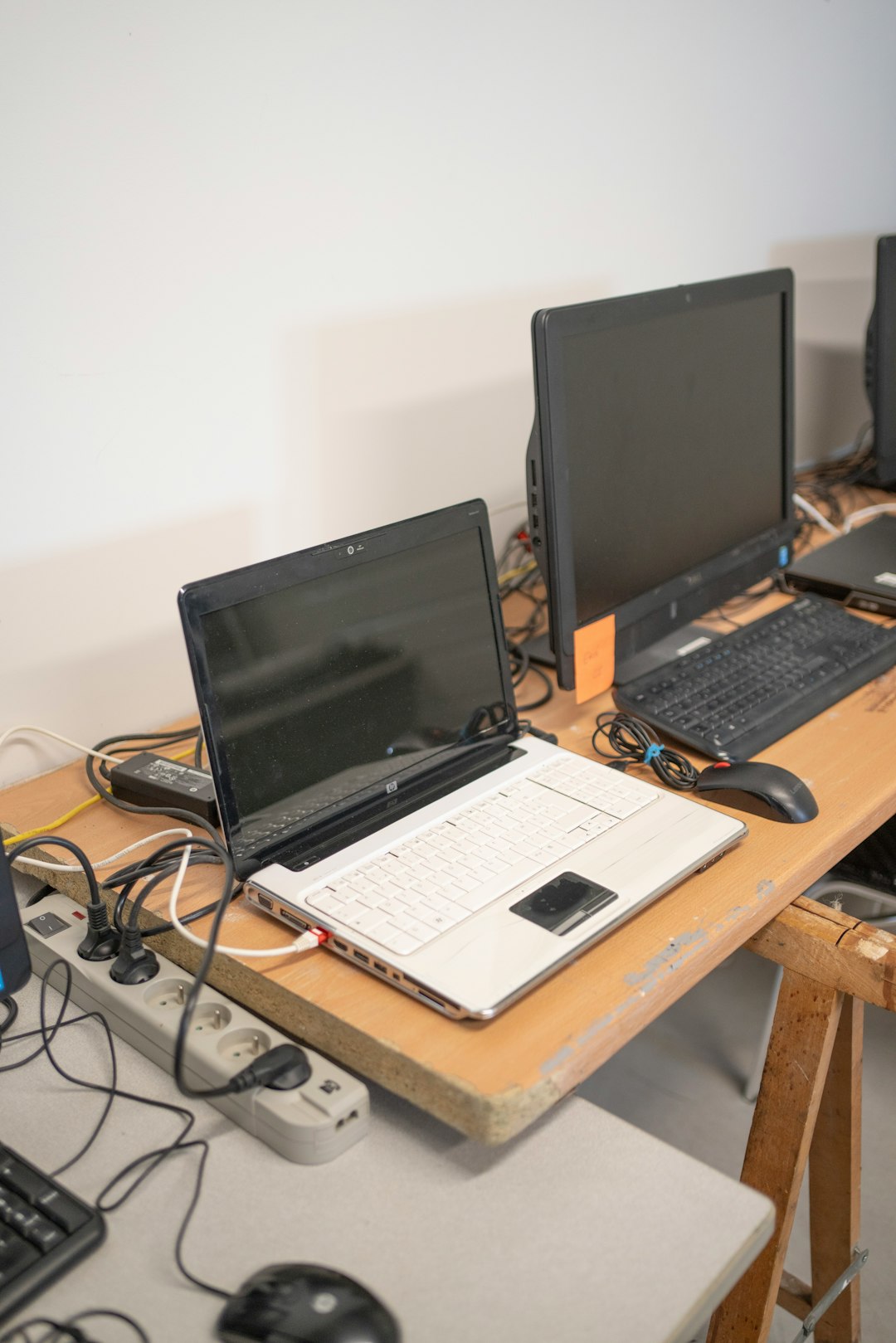
Many homes still carry remnants of earlier digital eras: outdated tablets, tangled charging cables, broken headphones, old routers, forgotten smart watches, and unused remotes. The first step toward digital minimalism begins with a physical technology audit.
Homeowners are increasingly adopting these practices:
- Recycling or donating unused electronics
- Consolidating devices (e.g., one multipurpose tablet instead of multiple specialized gadgets)
- Installing hidden charging drawers or cable management systems
- Wall-mounting screens to free horizontal surfaces
- Using wireless charging stations to eliminate visible cords
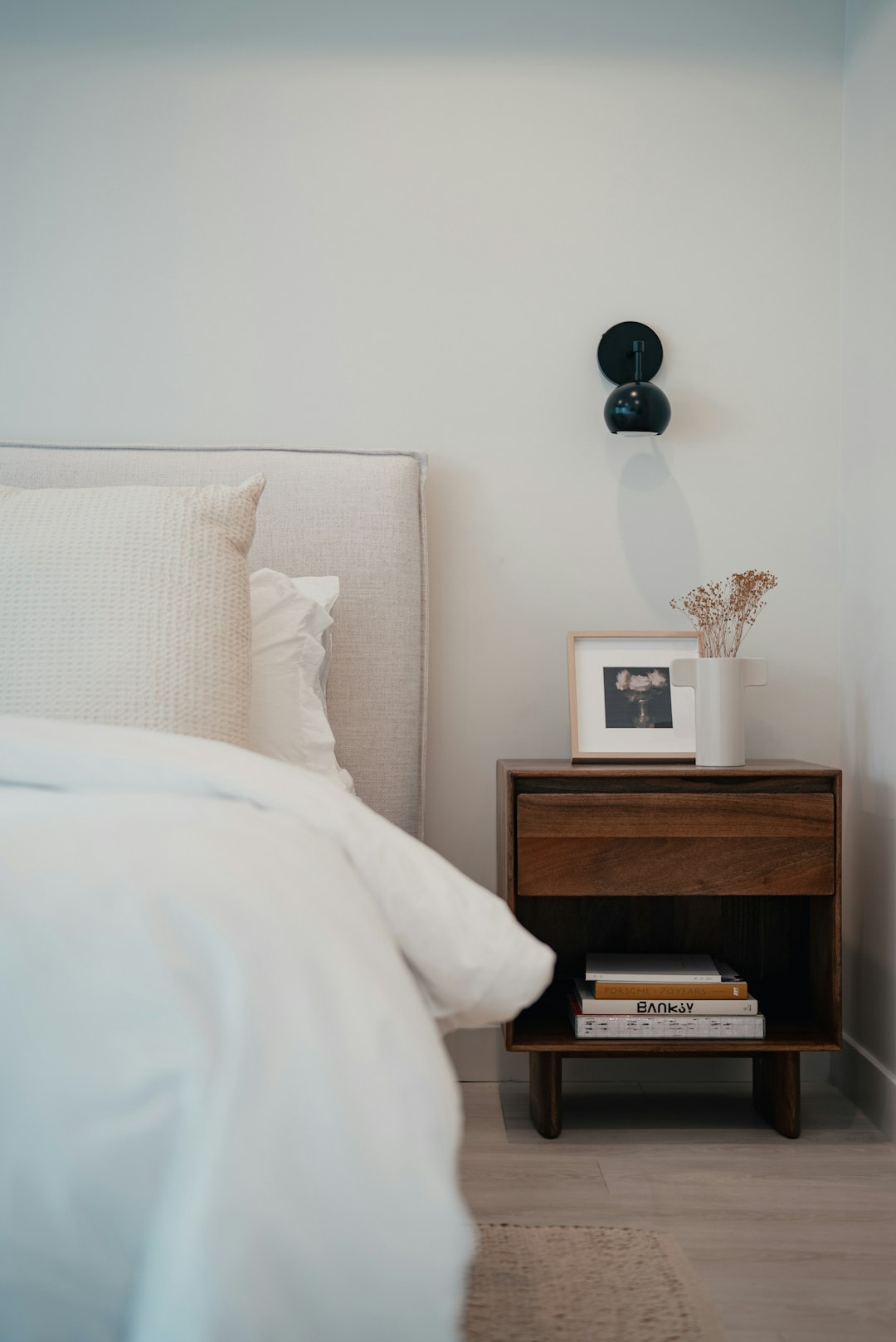
Visual clarity often leads to mental clarity. When countertops, desks, and nightstands are free from device clutter, rooms feel calmer and more intentional.
The Rise of “Silent Tech” Design
In 2026, manufacturers increasingly design products that blend quietly into home environments. Screens double as art displays when not in use, speakers are hidden in furniture, and home assistants are integrated into lighting systems. This shift supports digital minimalism by reducing visual distraction.
Homeowners are also choosing neutral color palettes for electronics—white, beige, muted metallics—rather than glossy black boxes that dominate a room. The trend leans toward technology that complements décor rather than competes with it.
Minimalist tech design includes:
- Frame-style televisions with art modes
- Invisible or recessed speakers
- Smart lighting controlled by subtle wall panels instead of bulky hubs
- Furniture with built-in charging pads
Decluttering the Digital Landscape
Physical organization is only half the process. Digital minimalism extends to what exists behind the screens.
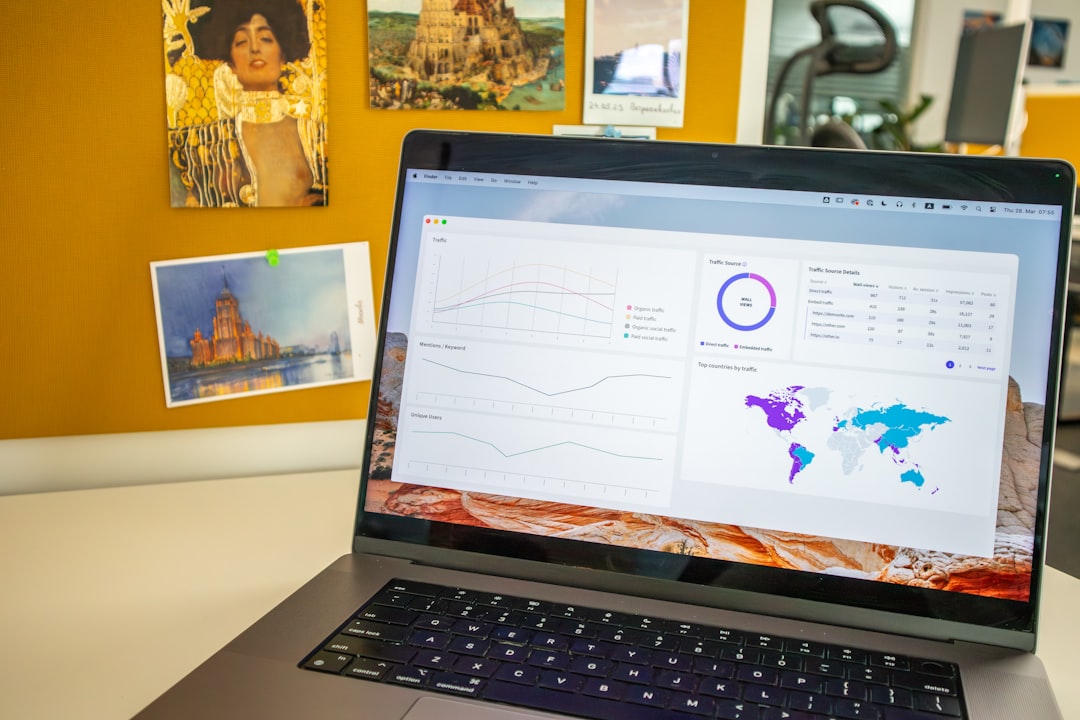
By 2026, the average household manages thousands of digital photos, countless emails, multiple streaming services, cloud subscriptions, and AI-generated files. Without structure, digital storage becomes overwhelming.
Effective strategies include:
1. The Quarterly Digital Reset
Every three months, households review:
- Cloud storage folders
- Email subscriptions
- Streaming services
- Unused mobile apps
Subscriptions no longer aligned with personal values or usage habits are cancelled.
2. Organized File Systems
Files are grouped into clearly labeled master folders with date formatting (YYYY-MM-DD) for easy retrieval. AI sorting tools in 2026 help automate organization, but manual oversight ensures relevance.
3. Notification Control
Minimalists disable all non-essential alerts. Instead of reacting to constant pings, they schedule designated times to check messages and updates.
This shift significantly reduces cognitive overload.
Creating Tech-Free Sanctuaries
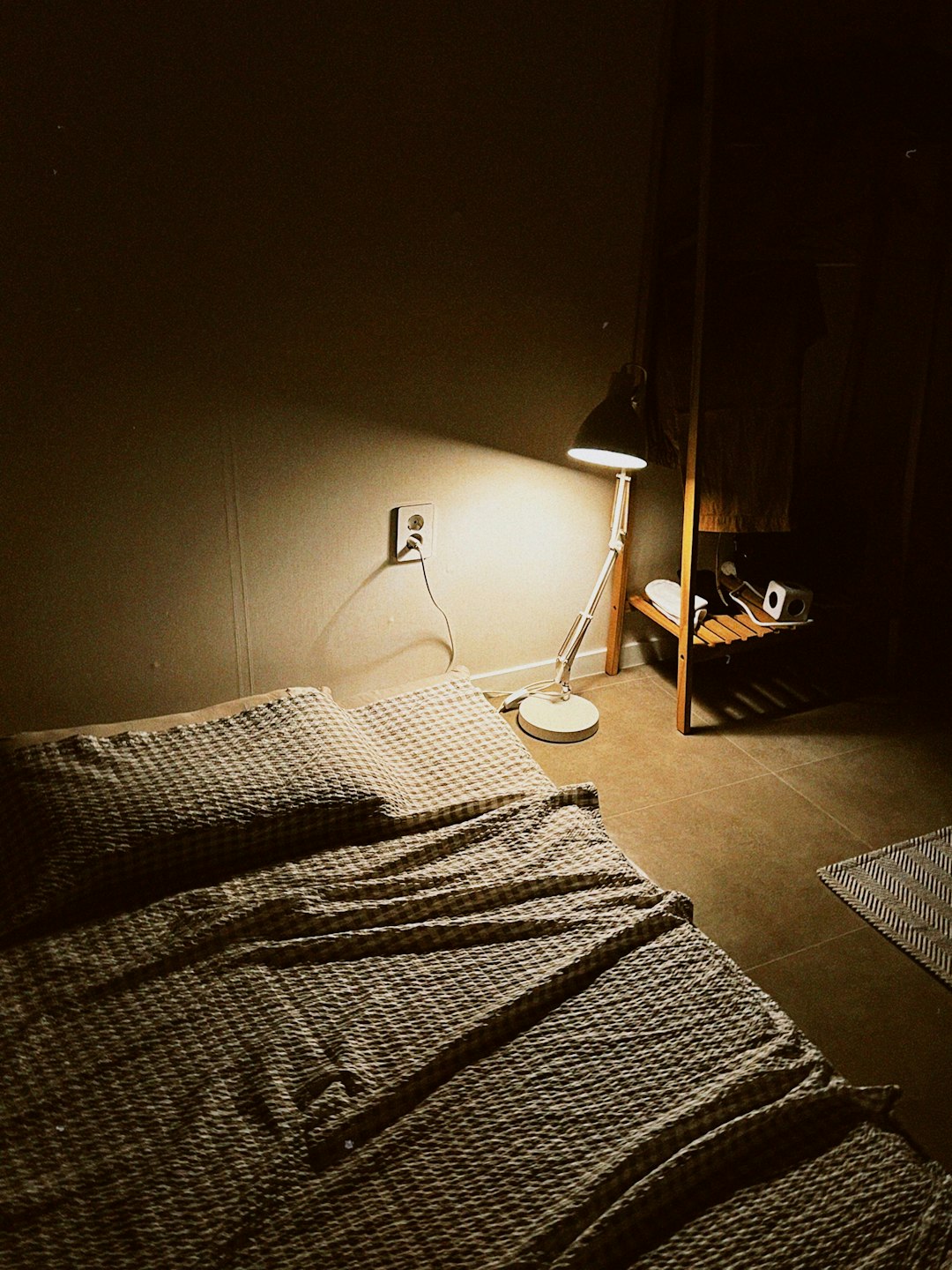
Perhaps the most powerful element of digital minimalism at home is establishing intentional device-free spaces. In 2026, bedrooms and dining areas are frequently designated as low-tech zones.
Common practices include:
- Charging phones outside the bedroom overnight
- Replacing alarm clocks with analog versions
- Keeping dining tables screen-free
- Introducing reading corners without smart devices
These boundaries create psychological separation between rest, nourishment, and constant connectivity. Families report improved sleep quality, better conversations, and decreased anxiety when devices are removed from specific spaces.
Minimalist Smart Homes: Automation Without Overload
Ironically, digital minimalism does not require abandoning smart home technology. Instead, it calls for intentional automation.
Rather than installing every available feature, minimalist households prioritize systems that genuinely enhance daily life, such as:
- Energy-efficient automated lighting
- Climate control systems that reduce utility waste
- Security features managed from one unified dashboard
They avoid unnecessary data dashboards, excessive voice prompts, and redundant apps. One integrated ecosystem replaces five separate ones.
The guiding question becomes: Does this technology simplify life—or complicate it?
The Psychological Impact of Digital Decluttering
Research in 2026 continues to highlight the connection between organized environments and reduced stress. Digital clutter competes for attention, even when subconsciously processed. Notifications, visible screens, and device stacks signal unfinished tasks.
Digital minimalism supports:
- Improved focus during work-from-home hours
- Reduced decision fatigue
- More mindful leisure time
- Enhanced family interaction
When devices are streamlined, people engage more fully with what remains. Watching one intentional film feels different from endlessly browsing streaming platforms.
Digital Minimalism for Families
Households with children face unique challenges. Tablets for education, gaming consoles, AI tutors, and wearable trackers all compete for attention.
In many homes, parents implement:
- Centralized charging stations outside bedrooms
- Screen-time contracts
- Weekly “low-tech evenings”
- Shared family dashboards to monitor usage transparency
Rather than enforcing harsh restrictions, digital minimalism encourages collaborative conversations about balance. Children raised in these environments learn to evaluate technology critically rather than consume it passively.
Maintaining Minimalism Long-Term
Decluttering once is not enough. New devices, updates, and subscriptions constantly enter the home. Sustainable digital minimalism relies on routine reflection.
Helpful habits include:
- One-in, one-out rule for new electronics
- Annual smart home audits
- Automatic subscription renewal reviews
- Seasonal furniture rearrangements to prevent screen-centric layouts
Some homeowners even reposition their living rooms away from television focal points, emphasizing conversation or natural light instead.
The Aesthetic of Calm
By 2026, the aesthetic of digital minimalism is distinct: soft lighting, neutral palettes, hidden cables, reduced surfaces, and intentional device placement. Smart screens blend into walls. Charging stations are invisible. Workspaces feel breathable rather than crowded.
But true digital minimalism is less about appearance and more about experience. It is measured not by how few devices are owned, but by how little those devices intrude on daily life.
A digitally minimalist home feels quiet—not silent, but balanced.
FAQ: Digital Minimalism at Home
1. Does digital minimalism mean getting rid of all smart devices?
No. Digital minimalism focuses on intentional use rather than elimination. Smart devices that add genuine value—such as energy-saving systems or security features—are often retained.
2. How often should someone declutter their digital files?
A quarterly review is ideal for most households. Regular maintenance prevents overwhelming backlogs and keeps storage organized.
3. What is the easiest first step toward digital minimalism?
Begin with a physical tech audit. Remove unused electronics and organize visible cables. Immediate visual improvement builds momentum.
4. Can digital minimalism improve mental health?
Many individuals report reduced stress, improved focus, and better sleep when minimizing digital distractions. A calmer environment supports emotional wellbeing.
5. How can families balance children’s technology needs with minimalism?
By setting shared guidelines, creating device-free zones, and modeling mindful behavior themselves. Collaborative approaches are more effective than strict bans.
6. Is digital minimalism expensive to implement?
Not necessarily. While some invest in hidden storage or integrated systems, many improvements—such as deleting unused apps or disabling notifications—cost nothing.
In 2026, digital minimalism at home represents a quiet revolution. Rather than allowing technology to dictate the rhythm of daily life, people are reshaping their homes into spaces of clarity, intention, and calm. By thoughtfully curating devices, simplifying digital storage, and creating intentional tech boundaries, households are discovering that sometimes the smartest move is to use less—more wisely.