Branded search campaigns are one of the fastest ways BrandVudu helps advertisers protect high-value demand before competitors, affiliates, resellers, or copycat ads siphon it away. When someone searches for a company name, product line, or trademarked phrase, that person is often close to buying. PPC brand protection keeps the official brand visible, controls the message, and reduces the risk that paid traffic is diverted to weaker or unauthorized offers.
TLDR: BrandVudu PPC brand protection uses branded search campaigns to defend traffic that already has strong intent. A brand may find that 18% of clicks on its own name are going to competitors or affiliates before protection is active. In one common scenario, a retailer spending $6,000 per month on branded terms could recover 22% more direct revenue by tightening ad copy, monitoring trademark bids, and separating branded campaigns from nonbrand prospecting. The goal is simple: keep ready-to-buy searchers on the official path.
Why branded search demand is worth defending
Branded search is not casual traffic. It usually includes people who already know the company, saw an ad, received a referral, or compared products elsewhere. These searchers may type the brand name because they want a login page, a price, a coupon, a store location, or a final reason to buy.
That demand has cost money to create. A brand may have paid for social ads, video campaigns, SEO, events, reviews, influencers, or sales outreach. If another advertiser appears above the official result at the moment of search, the original brand pays to create interest while someone else tries to collect the sale. That is the part that feels especially annoying to marketing teams.
BrandVudu’s PPC brand protection approach focuses on this exact gap. It treats branded search as a defensive channel, not just a cheap reporting line in paid media. The campaign exists to secure possession of the search result page, improve conversion quality, and expose parties that should not be trading on brand equity.
Image not found in postmetaWhat a branded search campaign protects
A strong branded campaign covers more than the company’s main name. BrandVudu typically groups terms by risk, intent, and commercial value. This structure helps the advertiser see where demand is being protected and where leaks remain.
- Core brand terms: company name, common misspellings, abbreviations, and branded modifiers.
- Product and service names: trademarked product lines, plan names, software names, and model names.
- Brand plus intent queries: searches such as brand pricing, brand coupon, brand free trial, or brand near me.
- Brand plus comparison queries: phrases such as brand vs competitor or brand alternative.
- Support and account queries: login, help, renewal, warranty, or contact searches that may attract misleading ads.
This segmentation matters because not every branded term has the same job. A coupon query may need controlled promotional messaging. A login query may need sitelinks that reduce support friction. A comparison query may need proof points and review extensions. Blending all of these into one campaign can hide waste and distort performance.
How competitors and affiliates capture brand traffic
Brand bidding is common. Sometimes it is legal. Sometimes it violates partner rules, affiliate terms, ad policies, or trademark guidelines. Either way, the impact can be expensive.
Competitors may bid on a brand name and run ads that compare features. Affiliates may advertise “official discount” pages that push visitors through tracking links. Resellers may show outdated pricing. Review sites may rank offers based on commission, not fit. In more harmful cases, copycat ads can mimic brand language and send users to confusing landing pages.
The catch is that many teams only notice the issue after performance starts looking odd. Cost per acquisition rises by 14%. Organic branded clicks fall. Coupon code usage spikes. Sales teams hear prospects mention strange discount pages. By then, months of high-intent demand may have been quietly rerouted.
How BrandVudu uses PPC to defend branded demand
BrandVudu PPC brand protection combines campaign structure, monitoring, policy review, and performance reporting. The campaign is not just set and forgotten. It is built to spot threats and respond fast.
- Dedicated branded campaigns: Brand terms are separated from nonbrand campaigns so budgets, bids, impression share, and conversion rates are not mixed with prospecting data.
- Trademark-aware ad copy: Official ads use approved language, registered marks where suitable, and clear ownership signals such as “Official Site.”
- Search result monitoring: The brand’s visibility is checked against competitor ads, affiliate placements, unauthorized resellers, and suspicious copy.
- Negative keyword control: Irrelevant or low-quality searches are filtered so the brand campaign does not soak up budget on poor intent.
- Landing page alignment: Ads send visitors to the right page for pricing, support, product details, store locations, or offers.
- Escalation support: When violations appear, evidence can support partner enforcement, affiliate removal, or search engine complaints.
It drives teams crazy when a simple brand-name search takes ten extra seconds because a user clicks a reseller ad, bounces, returns, and then searches again. That small delay can become lost trust at scale. PPC protection reduces that friction.
Metrics that show whether protection is working
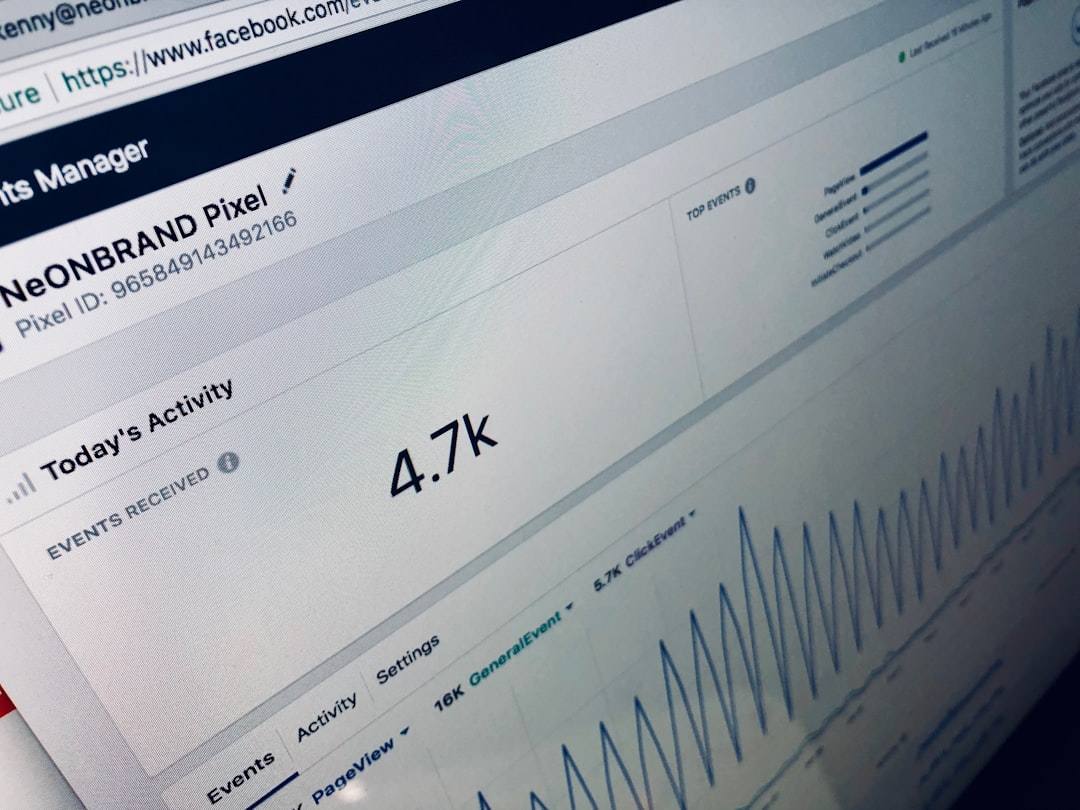
A branded PPC campaign should not be judged by clicks alone. Cheap clicks can still hide leakage. BrandVudu’s reporting would usually focus on control, quality, and recovered demand.
- Search impression share: A protected brand often aims for 90% to 98% visibility on core terms, depending on auction pressure.
- Top impression rate: This shows how often the official ad sits in the most visible paid positions.
- Competitor overlap: The number of auctions where competitors or affiliates appear beside the brand.
- Cost per protected click: Branded CPC may rise when rivals bid, but better control can still protect revenue.
- Conversion rate by term group: Core brand terms may convert at 12% to 35%, while comparison terms may sit lower.
- Organic and paid balance: Paid ads should support total branded capture, not simply steal credit from organic traffic.
For example, a subscription software company may see branded CPC increase from $0.42 to $0.68 after competitors enter the auction. At first, that looks worse. Yet if paid and organic combined revenue increases by 16% and affiliate leakage drops by 31%, the campaign is doing its job.
Why relying only on organic results is risky
Some brands avoid bidding on their own names because they already rank first organically. That can be a costly assumption. Search pages are crowded with shopping units, maps, AI-style summaries, review widgets, competitor ads, and coupon pages. The organic result may sit lower than expected, especially on mobile.
Paid branded ads also let the official brand control urgent messages. If there is a new offer, recall notice, seasonal sale, updated pricing page, or product launch, PPC can reflect that change quickly. Organic snippets may take longer to update, and third-party pages may keep old information live.
A branded ad also gives the company more space. Sitelinks can point to pricing, demos, support, reviews, locations, or best-selling products. Callouts can answer common objections. Structured snippets can show categories. This added real estate makes the official result harder to miss.
Brand protection is not just for large companies
Trademark defense sounds like an enterprise issue, but smaller brands can be more exposed. A niche ecommerce company, local service provider, SaaS startup, or franchise group may have strong branded demand and weak monitoring. Competitors know this. They may bid aggressively because the brand is not watching.
BrandVudu’s PPC process gives these companies a clearer view of who appears when their name is searched. It also helps separate harmless mentions from ads that cause real damage. Not every competitor bid requires escalation. Some require better ad copy, better sitelinks, tighter bids, or a cleaner partner policy.
Image not found in postmetaBest practices for a protected branded campaign
- Separate branded and nonbranded budgets. This keeps protection from being crowded out by prospecting spend.
- Track total branded demand. Paid, organic, direct, and affiliate traffic should be reviewed together.
- Use exact and phrase match with care. Broad matching can pull in unrelated searches and muddy the data.
- Refresh ad copy often. Stale ads lose usefulness when offers, shipping terms, or product claims change.
- Watch mobile results. Mobile screens show fewer listings, so one competitor ad can cause more damage.
- Document violations. Screenshots, URLs, timestamps, and search locations help when enforcement is needed.
FAQ
What is PPC brand protection?
PPC brand protection is the use of paid search campaigns, monitoring, and enforcement steps to protect branded search demand from competitors, affiliates, resellers, and misleading ads.
Why should a company bid on its own brand name?
A company should bid on its own brand name to control the top paid result, block traffic leakage, promote accurate offers, and protect users from confusing third-party ads.
Does branded PPC hurt organic traffic?
It can shift some clicks from organic to paid, but the better question is total capture. If combined paid and organic revenue rises while competitor clicks fall, the campaign is usually worthwhile.
Can BrandVudu stop competitors from bidding on a trademark?
Search engines may allow some competitor bidding, depending on policy and region. BrandVudu can help identify issues, improve defensive campaigns, and support enforcement when ad copy or partner behavior violates rules.
How often should branded search results be monitored?
High-value brands should monitor results weekly, or even daily during promotions, launches, and peak seasons. Auction behavior can change quickly.
What is a good conversion rate for branded search?
It varies by industry, but branded search often converts far higher than nonbrand traffic. Many strong campaigns land between 10% and 30%, with some account, renewal, or repeat purchase terms performing even higher.