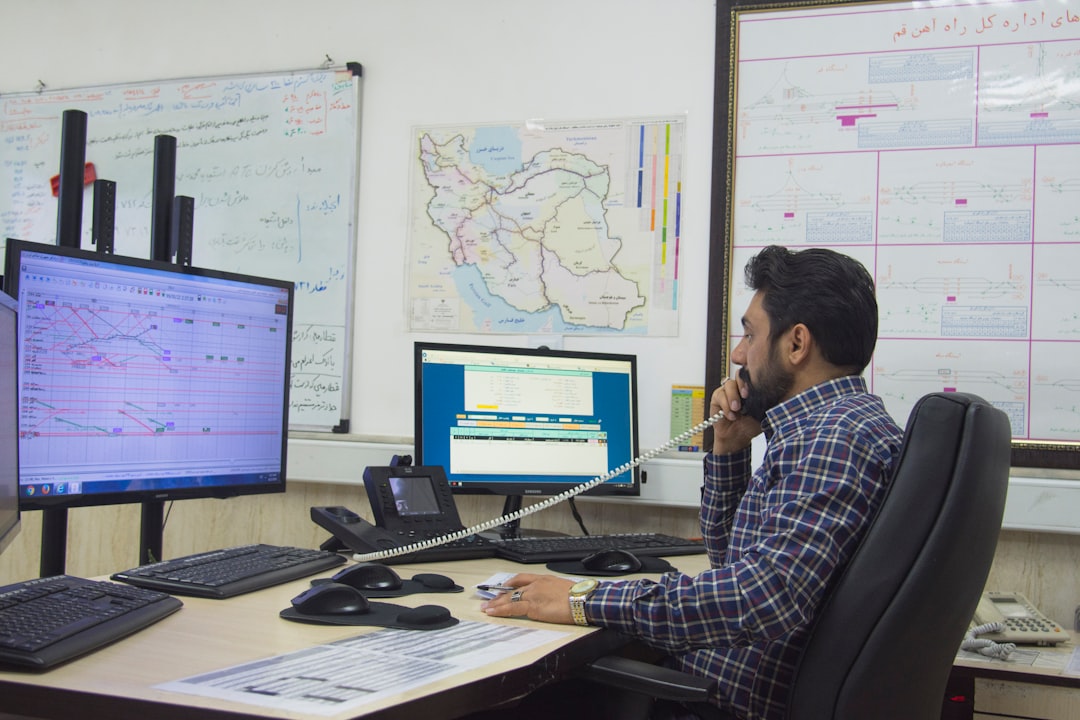
For field service and delivery businesses, dispatching is no longer just a back-office task. The right dispatch app can determine whether technicians arrive on time, drivers take efficient routes, customers receive accurate updates, and managers maintain control over daily operations. A dependable platform should reduce manual coordination, improve visibility, and help teams respond quickly when schedules change.
TLDR: The best dispatch apps combine scheduling, route optimization, GPS tracking, customer notifications, and reporting in one platform. For example, a plumbing company with 12 technicians could reduce daily drive time by 15% to 25% by using route optimization and real-time job reassignment. Delivery teams usually benefit most from apps such as Onfleet, Routific, or Tookan, while field service companies often prefer Jobber, Housecall Pro, ServiceTitan, or Workiz. The best choice depends on business size, industry, budget, and whether you prioritize technician management, fleet tracking, or last-mile delivery performance.
What Makes a Dispatch App Worth Using?
A serious dispatch solution should do more than display a calendar. It should give office staff, field workers, and customers a shared source of truth. When a job is delayed, canceled, reassigned, or completed, everyone should be updated without multiple phone calls or scattered text messages.
Strong dispatch apps usually include:
- Drag-and-drop scheduling for assigning jobs quickly.
- GPS tracking to monitor technician or driver locations in real time.
- Route optimization to reduce travel time and fuel costs.
- Automated customer notifications by SMS, email, or app alerts.
- Mobile access for technicians and drivers in the field.
- Proof of service or delivery, including photos, signatures, and timestamps.
- Reporting and analytics to measure response times, completed jobs, mileage, and team performance.
The most valuable dispatch app is not always the one with the longest feature list. It is the one your team can actually use every day without friction.

Best Dispatch Apps for Field Service Businesses
1. ServiceTitan
ServiceTitan is one of the most comprehensive platforms for larger field service companies, especially in HVAC, plumbing, electrical, and home services. It includes dispatching, customer relationship management, invoicing, marketing tools, call booking, technician scorecards, and advanced reporting.
Its dispatch board is built for busy operations where dozens of technicians may be moving between jobs throughout the day. Managers can see job status, technician availability, and location-based assignments. ServiceTitan is best suited to established businesses that need enterprise-grade tools and are prepared for a higher investment.
Best for: Medium to large home service companies that need dispatching plus full business management.
2. Housecall Pro
Housecall Pro is a strong choice for small and mid-sized service businesses that want an easy-to-use platform. It supports scheduling, dispatching, online booking, estimates, invoices, payments, and customer notifications.
The app is especially useful for companies that want to modernize operations without a complex implementation process. Dispatchers can assign jobs, technicians can manage work from a mobile app, and customers can receive automatic arrival notifications. It is widely used by cleaners, electricians, HVAC technicians, plumbers, and other service professionals.
Best for: Small to mid-sized field service teams that need a practical, user-friendly dispatch system.
3. Jobber
Jobber is another reliable platform for service companies, particularly those focused on residential and commercial maintenance. It offers scheduling, dispatching, quoting, invoicing, client communication, and job tracking.
One of Jobber’s advantages is its clean workflow. Office staff can create a job, assign it to a team member, notify the customer, and collect payment after completion. It is particularly effective for lawn care, cleaning, landscaping, pest control, and general contracting businesses.
Best for: Service businesses that value simple scheduling, customer communication, and payment collection.
4. Workiz
Workiz is designed for field service businesses that handle frequent calls, urgent jobs, and technician dispatching. It includes scheduling, call tracking, estimates, invoices, payments, and automation tools.
Workiz is popular among locksmiths, appliance repair businesses, garage door companies, and other fast-response service providers. Its dispatch features help teams assign jobs quickly based on availability and location, which is important when response time affects customer satisfaction.
Best for: Fast-moving service businesses that need call handling and dispatching in one platform.
Best Dispatch Apps for Delivery Businesses
5. Onfleet
Onfleet is a leading option for last-mile delivery operations. It provides route optimization, real-time driver tracking, customer notifications, proof of delivery, and performance analytics. It is widely used in food delivery, retail delivery, pharmacy logistics, and courier operations.
Onfleet’s strength is visibility. Dispatchers can monitor drivers live, customers can track arrivals, and managers can review delivery metrics such as completion rates, delays, and service times. For businesses where customer experience depends on accurate delivery windows, this visibility is highly valuable.
Best for: Last-mile delivery companies that need professional tracking and customer communication.

6. Routific
Routific focuses heavily on route optimization. It helps delivery businesses build efficient routes based on delivery locations, driver capacity, time windows, and priorities. For companies with many stops per day, even small route improvements can create measurable savings.
For example, if a team of five drivers each saves 30 minutes per day, that equals 12.5 labor hours saved per week. Over several months, the impact on payroll efficiency, fuel usage, and delivery reliability can be significant.
Best for: Delivery teams with multiple stops and a strong need to reduce mileage and planning time.
7. Tookan
Tookan is a flexible dispatch and delivery management platform used by courier services, food delivery businesses, grocery delivery companies, and on-demand service providers. It includes auto-dispatch, live tracking, route planning, customer notifications, and proof of delivery.
Tookan is useful for businesses that operate in dynamic environments where orders come in throughout the day. It can help automate assignment decisions and provide customers with real-time delivery updates.
Best for: On-demand delivery and courier businesses that need flexible dispatch workflows.
Best Apps for Fleet Tracking and Mobile Workforce Visibility
8. Verizon Connect
Verizon Connect is a strong option for companies that need fleet tracking, driver monitoring, route history, and vehicle data. It is often used by logistics, construction, transportation, and service companies with larger vehicle fleets.
While it may not be the simplest choice for very small teams, it provides serious operational visibility. Managers can monitor vehicle locations, driver behavior, fuel usage, and route efficiency. This makes it especially relevant for companies where fleet costs are a major expense.
Best for: Businesses that need advanced GPS fleet management alongside dispatch visibility.
9. Samsara
Samsara combines fleet management, GPS tracking, dash cameras, driver safety tools, equipment monitoring, and operational analytics. It is well suited for companies with complex field operations and safety requirements.
For delivery and service businesses that manage vehicles, drivers, and equipment, Samsara can provide a deeper level of insight than a basic dispatch app. It is especially valuable for organizations focused on compliance, safety, and cost control.
Best for: Companies that need fleet intelligence, safety monitoring, and dispatch oversight.
How to Choose the Right Dispatch App
Before committing to a platform, businesses should evaluate how dispatching actually works inside their operation. A company with three technicians does not need the same system as a regional courier business with 60 drivers. The goal is to match the software to the workflow, not force the workflow to match the software.
Consider these questions:
- How many field workers or drivers do you manage? Smaller teams may prioritize ease of use, while larger teams need automation and analytics.
- Do you need service management or delivery management? Field service businesses usually need estimates, invoices, job notes, and customer history. Delivery companies usually need route optimization and proof of delivery.
- How important is real-time GPS tracking? If customers frequently ask where a technician or package is, live tracking can reduce support calls.
- Does the app integrate with your existing tools? Accounting, CRM, payment processing, and e-commerce integrations can prevent duplicate data entry.
- What is the true monthly cost? Review user fees, vehicle fees, setup costs, SMS charges, and premium feature pricing.
Final Recommendation
For most small field service businesses, Jobber and Housecall Pro offer the best balance of usability, dispatching, customer communication, and administrative tools. Larger home service companies should evaluate ServiceTitan if they need a more complete operating system. For delivery operations, Onfleet is a strong all-around choice, while Routific is excellent for route efficiency and Tookan works well for on-demand dispatching.
The best dispatch app should create measurable improvements: fewer missed appointments, shorter drive times, faster dispatch decisions, and clearer communication with customers. Choose a platform that supports your current workload but can also scale as routes, technicians, service areas, and customer expectations grow.