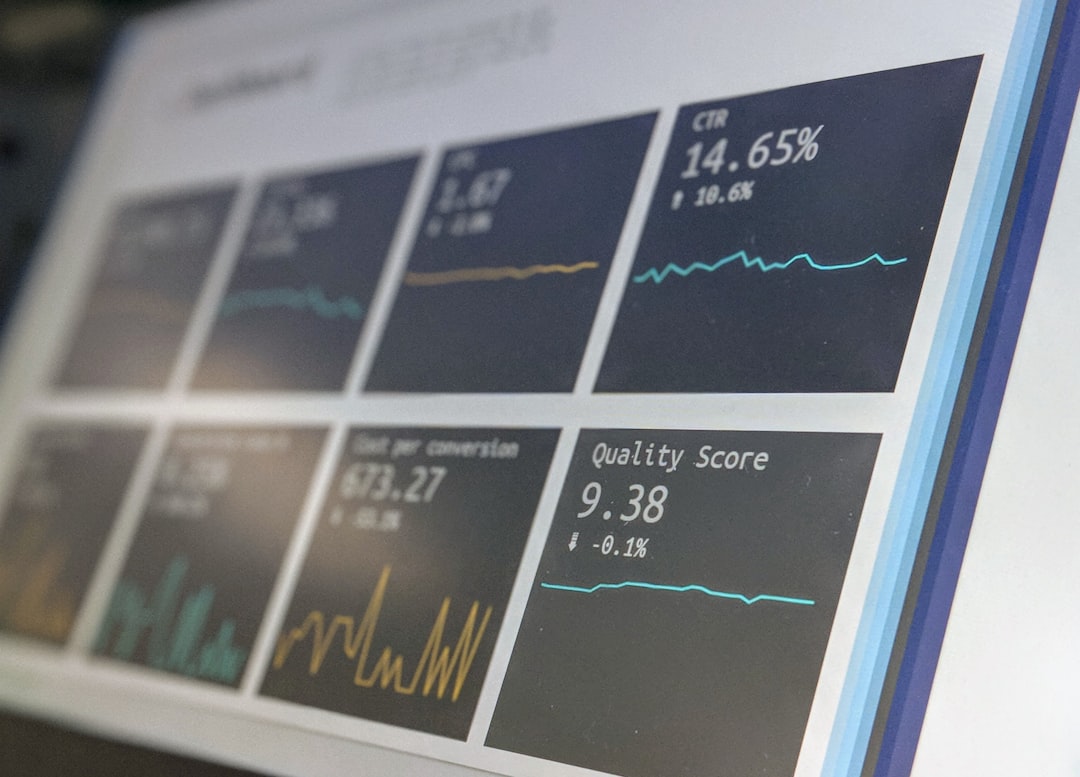
Customer analytics has moved from “nice to have” reporting into the core of business growth. In 2026, the best platforms do more than show who bought what; they connect product usage, marketing touchpoints, support conversations, subscriptions, churn signals, and revenue outcomes into one view of the customer. For growing companies, the right software can turn scattered data into smarter decisions, better retention, and more profitable acquisition.
TLDR: The best customer analytics software platforms in 2026 help businesses understand behavior, predict churn, personalize experiences, and connect analytics directly to revenue. For example, a SaaS company using predictive churn analytics might identify that customers who skip onboarding are 42% more likely to cancel, then trigger automated support outreach to improve retention. Top choices include platforms such as Amplitude, Mixpanel, Salesforce Data Cloud, Adobe Customer Journey Analytics, Google Analytics 4, Heap, Pendo, HubSpot, and Zoho Analytics, depending on company size and goals.
Why Customer Analytics Matters More in 2026
Customers now interact with businesses across websites, mobile apps, marketplaces, email, social media, chatbots, sales teams, and support desks. Without analytics, these interactions remain fragmented. A customer may click an ad, read three blog posts, start a free trial, contact support, abandon checkout, and return through a retargeting campaign — all before making a purchase.
Customer analytics software connects these signals so businesses can answer practical questions: Which campaigns bring the most valuable customers? What product features increase retention? Where do high-intent buyers drop off? Which accounts are ready for upsell? In 2026, the best platforms increasingly use AI, predictive modeling, real-time segmentation, and automated recommendations to make these answers faster and more actionable.

Key Features to Look For
Before choosing a platform, businesses should compare tools based on how they support growth, not just how many charts they offer. The most valuable features include:
- Unified customer profiles: Combining behavioral, demographic, transactional, and support data in one place.
- Journey analytics: Mapping how customers move from awareness to purchase, retention, and advocacy.
- Segmentation: Creating groups based on behavior, value, lifecycle stage, or churn risk.
- Predictive insights: Forecasting churn, customer lifetime value, conversion probability, and upsell readiness.
- Real-time reporting: Helping teams act quickly when customer behavior changes.
- Integrations: Connecting with CRMs, data warehouses, marketing automation tools, support platforms, and ecommerce systems.
- Privacy and governance: Supporting consent management, role-based access, and compliance needs.
1. Amplitude
Amplitude remains one of the strongest platforms for product-led growth. It is especially useful for SaaS businesses, fintech companies, marketplaces, and digital products that need to understand user behavior inside apps and websites.
Its strengths include cohort analysis, funnel tracking, retention reports, experimentation, and behavioral segmentation. Teams can see which features drive activation, which user paths result in paid conversions, and where customers lose interest. In 2026, Amplitude’s AI-assisted insights make it easier for product and growth teams to detect patterns without manually digging through large datasets.
Best for: Product analytics, user behavior tracking, retention improvement, and digital growth teams.
2. Mixpanel
Mixpanel is another excellent choice for companies focused on product usage and conversion funnels. It is known for being relatively approachable while still offering powerful behavioral analytics. Businesses can track events, measure user journeys, compare cohorts, and analyze engagement by feature or segment.
For example, an ecommerce subscription brand could use Mixpanel to discover that users who customize their first order within 24 hours have a 28% higher repeat purchase rate. That insight can then inform onboarding emails, app prompts, and promotional offers.
Best for: Startups and mid-sized companies that want clear, event-based analytics without excessive complexity.
3. Salesforce Data Cloud
Salesforce Data Cloud is a strong option for enterprises already invested in the Salesforce ecosystem. It brings together customer data from sales, service, marketing, commerce, and external sources to create unified customer profiles.
Its biggest advantage is actionability. Insights can flow directly into Salesforce workflows, marketing journeys, sales alerts, and service recommendations. For customer-facing teams, this means analytics is not locked away in dashboards — it becomes part of daily operations.
Best for: Enterprises, B2B companies, and organizations using Salesforce CRM, Marketing Cloud, or Service Cloud.
4. Adobe Customer Journey Analytics
Adobe Customer Journey Analytics is built for sophisticated journey analysis across channels. It is particularly powerful for brands with complex digital ecosystems, including retail, media, travel, finance, and large-scale ecommerce.
The platform helps teams analyze customer behavior across web, mobile, offline, call center, and campaign data. Its flexibility makes it ideal for organizations that need deep attribution, advanced segmentation, and detailed cross-channel journey reporting.

Best for: Large brands that need advanced journey analytics and already use Adobe Experience Cloud.
5. Google Analytics 4
Google Analytics 4, commonly known as GA4, remains one of the most widely used analytics platforms for web and app measurement. While it is not a full customer data platform, it offers strong event-based tracking, audience building, acquisition reporting, and integration with Google Ads.
GA4 is especially useful for businesses that want to understand traffic quality, campaign performance, conversion paths, and audience behavior. Its value increases when connected with BigQuery, Looker Studio, and advertising platforms. However, teams should expect to invest time in proper setup, event naming, and reporting customization.
Best for: Website analytics, marketing attribution, paid media optimization, and businesses using Google’s advertising ecosystem.
6. Heap
Heap is known for automatic data capture. Instead of requiring teams to define every event upfront, Heap captures user interactions automatically, allowing analysts to define and explore events later. This is helpful when teams do not yet know which behaviors will matter most.
For fast-changing products, Heap reduces the risk of missing important data because an event was not tracked in advance. It also offers session replay, journey analysis, and conversion insights, making it valuable for identifying friction in user experiences.
Best for: Teams that want comprehensive behavioral data capture and faster discovery of hidden friction points.
7. Pendo
Pendo combines product analytics with in-app guidance, surveys, and feedback tools. This makes it especially useful for software companies that want not only to understand users but also to influence their journey directly inside the product.
Businesses can track feature adoption, measure user sentiment, launch onboarding walkthroughs, and collect feedback from specific customer segments. If analytics show that enterprise users underuse a key feature, Pendo can trigger an in-app guide or survey for that audience.
Best for: SaaS companies focused on onboarding, feature adoption, customer education, and product experience.
8. HubSpot
HubSpot is a practical choice for small and mid-sized businesses that want customer analytics connected to marketing, sales, and service activities. Its reporting tools help teams monitor lead sources, email performance, pipeline movement, customer interactions, and campaign ROI.
HubSpot may not be as advanced as enterprise analytics suites, but its ease of use is a major advantage. For many growing businesses, having marketing, CRM, automation, and reporting in one user-friendly system is more valuable than owning a complex platform that few people use.
Best for: SMBs, inbound marketing teams, sales-driven organizations, and companies that want CRM-based analytics.
9. Zoho Analytics
Zoho Analytics is a flexible business intelligence platform that works well for companies wanting affordable analytics across multiple departments. It can pull data from CRM systems, spreadsheets, finance tools, marketing platforms, and databases, then turn that data into dashboards and reports.
Its AI assistant and visualization features make it useful for business users who need answers without relying heavily on data teams. Companies already using Zoho CRM or Zoho One will find the integration especially convenient.
Best for: Cost-conscious businesses, cross-functional reporting, and organizations using the Zoho ecosystem.
How to Choose the Right Platform
The best customer analytics platform depends on your growth model. A product-led SaaS company may get more value from Amplitude, Mixpanel, Heap, or Pendo. A sales-led B2B enterprise may prefer Salesforce Data Cloud. A consumer brand with complex journeys may need Adobe Customer Journey Analytics, while smaller teams may benefit from HubSpot, GA4, or Zoho Analytics.
When evaluating software, ask these questions:
- What business decision will this platform improve? Avoid buying analytics software just to create more dashboards.
- Can non-technical teams use it? Adoption matters as much as functionality.
- Does it integrate with your current stack? Disconnected analytics creates more work.
- Can it scale with your data volume and customer base? Growth can quickly expose weak infrastructure.
- Does it support privacy requirements? Consent, governance, and security are essential in 2026.

Final Thoughts
In 2026, customer analytics is no longer just about looking backward at performance reports. The best platforms help businesses anticipate customer needs, reduce churn, improve product experiences, and prioritize the actions most likely to drive growth. Whether you choose a product analytics tool, a CRM-centered platform, a customer data solution, or a full journey analytics suite, the goal is the same: turn customer behavior into better business decisions.
The winning platform is not simply the one with the most features. It is the one your teams will actually use to answer important questions, test smarter strategies, and create more valuable customer relationships.