
Dynamic QR codes have evolved from simple scan-and-open links into flexible marketing, payment, and customer experience tools. Unlike static QR codes, dynamic QR codes can be edited, tracked, personalized, and optimized after they are printed or published. That makes them especially valuable for businesses that want to test campaigns, update offers, measure engagement, and create smoother interactions across physical and digital touchpoints.
TLDR: Dynamic QR codes help businesses connect offline moments to online actions in creative, measurable ways. They are being used for everything from instant payments and loyalty programs to personalized promotions, product education, and event engagement. Because destinations can be updated without reprinting materials, dynamic QR codes give brands more flexibility, better analytics, and more room to experiment.
1. Turning Product Packaging into an Interactive Experience
One of the most popular uses of dynamic QR codes is on product packaging. A customer can scan the code to watch a product demo, read ingredient details, view sourcing information, or access setup instructions. For food and beverage brands, this might mean sharing recipes or nutrition facts. For electronics companies, it could mean offering troubleshooting videos or warranty registration.
The advantage of a dynamic code is that the business can update the content anytime. Seasonal recipes, new how-to videos, and revised safety instructions can all be added without changing the physical packaging.
2. Running Trackable Print Advertising Campaigns
Print advertising has traditionally been difficult to measure, but dynamic QR codes solve much of that problem. Businesses can place unique codes on flyers, posters, brochures, magazine ads, billboards, or direct mail pieces and track how many people scan them.
This allows marketers to understand which locations, designs, or offers perform best. Instead of guessing whether a poster campaign worked, a business can review scan data by time, location, device, and campaign source.
3. Creating Smarter Restaurant Menus
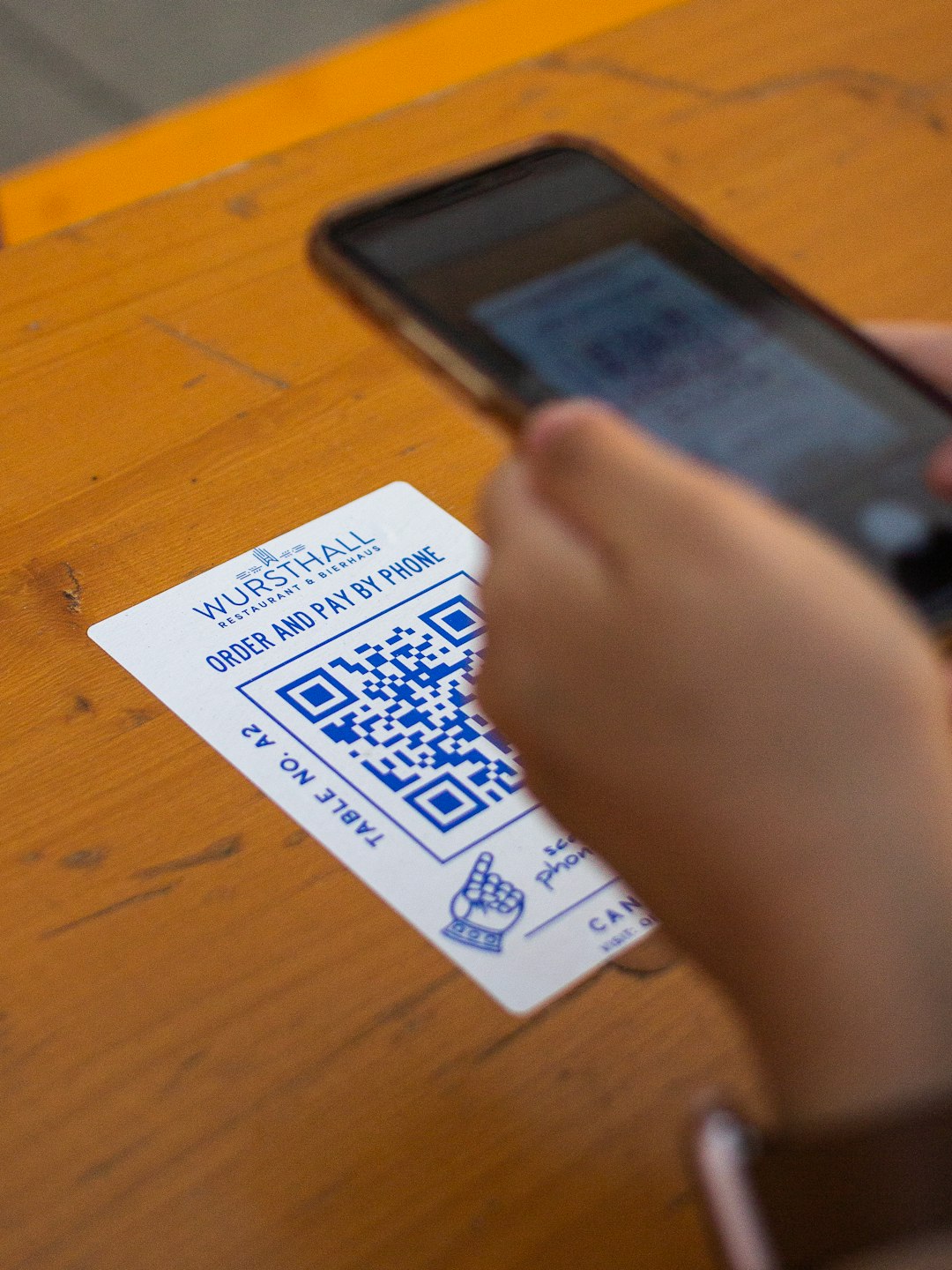
QR code menus became common in restaurants, but dynamic QR codes make them far more useful. Restaurants can update prices, remove sold-out items, highlight daily specials, or offer different menus for breakfast, lunch, dinner, and happy hour.
They can also use a scan to guide customers toward online ordering, allergy information, wine pairings, loyalty enrollment, or chef recommendations. For multi-location restaurants, dynamic QR codes can even show location-specific menus without requiring separate printed materials for every branch.
4. Accepting Fast, Contactless Payments
Dynamic QR codes are increasingly used for payments, especially in cafes, food trucks, salons, parking lots, events, and small retail shops. Instead of handing over a card or waiting for a payment terminal, customers scan a QR code and complete the transaction on their phone.
Dynamic payment QR codes can generate transaction-specific links, reducing errors and making the process more secure. Businesses can also connect payments with receipts, tips, loyalty points, or post-purchase surveys.
5. Personalizing Promotions in Real Time
Because dynamic QR codes can redirect users based on rules, businesses can personalize the experience after the scan. For example, a code on a store display might show a first-time visitor a welcome discount, while returning customers see loyalty rewards or product recommendations.
Brands can also change the destination based on time of day, user location, language, or campaign performance. This turns a single QR code into a flexible marketing channel that adapts to the customer’s context.
6. Building Better Loyalty Programs
Instead of asking customers to download an app immediately, businesses can use a dynamic QR code as a lighter entry point into a loyalty program. A coffee shop might place a code at the counter inviting customers to collect points, claim a birthday reward, or receive exclusive offers.
Dynamic codes make it easier to test different incentives. One month, the scan might lead to a double-points campaign. The next month, it might promote a referral bonus. The printed sign can stay the same while the campaign changes behind the scenes.
7. Enhancing In-Store Displays and Product Discovery
In physical retail, customers often want more information than a shelf tag can provide. Dynamic QR codes can turn product displays into guided shopping experiences. A scan can reveal customer reviews, comparison charts, product videos, size guides, styling ideas, or availability in other colors.
This is especially useful for high-consideration purchases such as furniture, appliances, skincare, fitness equipment, or technology. A well-placed QR code helps shoppers make decisions without waiting for a sales associate.
8. Supporting Augmented Reality Campaigns
Some of the most creative QR campaigns lead customers into augmented reality experiences. A furniture brand might let customers visualize a sofa in their living room. A cosmetics company could offer a virtual try-on. A tourism board might create an interactive city guide that appears through the phone camera.
Dynamic QR codes work well here because the AR experience can be updated over time. Businesses can rotate seasonal scenes, add new products, or improve the experience based on user behavior.
9. Collecting Reviews at the Right Moment
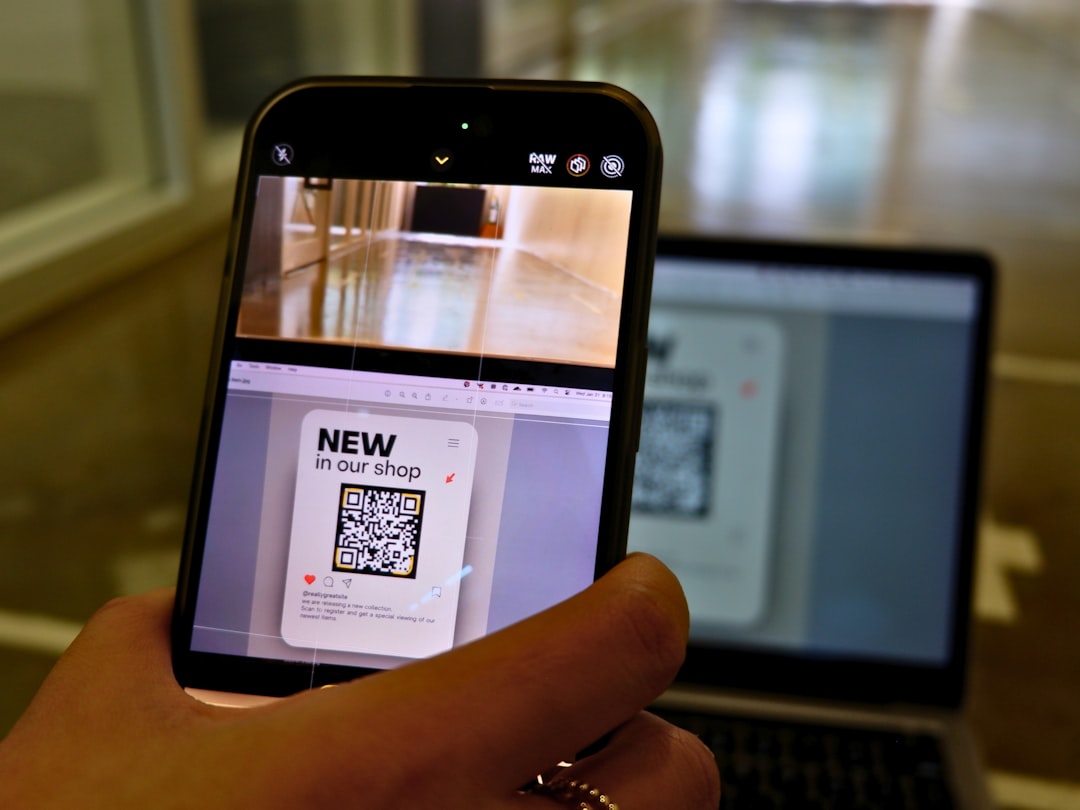
Timing matters when asking for customer reviews. Dynamic QR codes make it easy to request feedback immediately after a positive experience. Hotels can place codes in rooms, restaurants can print them on receipts, and service businesses can include them on thank-you cards.
The code can lead to a review page, testimonial form, or customer satisfaction survey. If needed, the destination can be changed depending on campaign goals. For example, a business might direct users to a private feedback form first, then later route satisfied customers to a public review platform.
10. Making Events More Interactive
Events are ideal environments for dynamic QR codes. Organizers can use them for registration, ticket verification, session schedules, speaker bios, sponsor pages, networking forms, live polls, and post-event surveys.
At conferences and trade shows, exhibitors can use dynamic QR codes to capture leads without relying on paper forms. Attendees can scan a booth sign to request a demo, download a brochure, enter a giveaway, or book a meeting. After the event, the same QR code can redirect to a follow-up offer or recap page.
11. Delivering Location-Based Tourism and Hospitality Experiences
Hotels, museums, resorts, and tourist attractions are using dynamic QR codes to provide self-guided experiences. A hotel might place codes in the lobby, guest rooms, spa, and restaurant to help guests access maps, local recommendations, room service, or concierge support.
Museums can attach QR codes to exhibits to offer audio guides, videos, artist interviews, or multilingual descriptions. Since the content is dynamic, curators can update exhibit information without replacing signage.
12. Creating Limited-Time Offers and Flash Sales
Dynamic QR codes are perfect for urgency-based marketing. A retailer can place a QR code in a window display that leads to a weekend-only discount. A gym can promote a limited membership offer. A bakery can use a code to sell unsold inventory at the end of the day.
Because the destination can be changed instantly, businesses can stop expired offers, redirect traffic to a new promotion, or A/B test different landing pages. This reduces waste and increases campaign agility.
13. Improving Customer Support and After-Sales Service
Customer support often begins when someone is frustrated. A QR code placed on a product, invoice, appliance, or instruction manual can shorten the path to help. Customers can scan to access troubleshooting steps, chat support, spare parts, setup videos, or return instructions.
This can reduce call volume and improve customer satisfaction. It also gives businesses insight into common support issues by tracking which products or materials generate the most scans.
14. Connecting Packaging to Sustainability Stories
Consumers increasingly care about sustainability, but there is limited space on labels to explain a brand’s efforts. Dynamic QR codes can link packaging to deeper stories about materials, carbon reduction, recycling instructions, ethical sourcing, or community programs.
For example, a fashion brand might show where a garment was made and how to care for it responsibly. A beverage company could explain how to recycle the bottle in different regions. If guidelines change, the QR code content can be updated quickly.
15. Testing and Optimizing Campaigns with Better Analytics
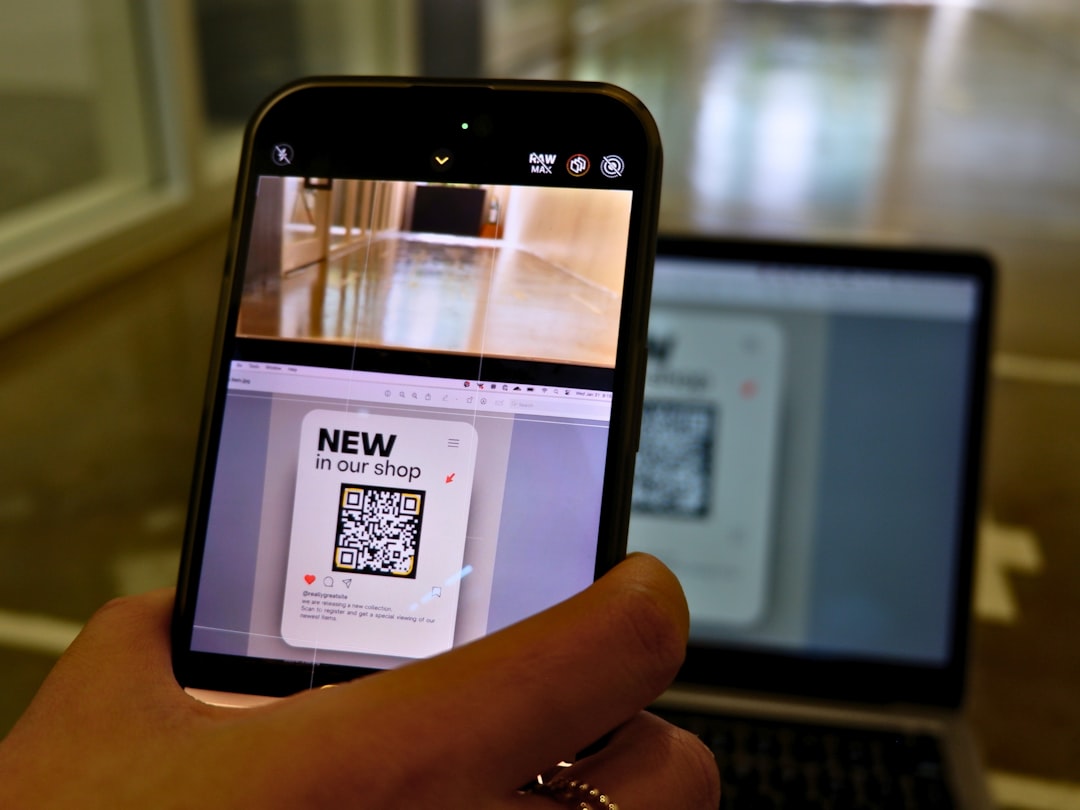
Perhaps the most powerful benefit of dynamic QR codes is the data they provide. Businesses can track scan volume, geography, device type, time of scan, and campaign performance. This helps marketers understand how customers engage across offline channels.
For example, a brand might discover that QR codes on table tents perform better than codes on receipts, or that scans increase during evening hours. With this information, businesses can refine placement, messaging, design, and offers.
Best Practices for Using Dynamic QR Codes
Creative execution matters. A QR code should not be added as an afterthought; it should have a clear purpose and a strong reason to scan. Customers are more likely to engage when they know what they will receive.
- Use a clear call to action: Instead of simply saying “Scan me,” try “Scan for 10% off,” “Scan to view the menu,” or “Scan for setup help.”
- Make the landing page mobile-friendly: Most scans happen on smartphones, so the destination should load quickly and be easy to navigate.
- Place codes where scanning is convenient: Avoid locations that are too high, too small, too far away, or in poor lighting.
- Track performance regularly: Use analytics to learn what works and adjust campaigns accordingly.
- Keep the experience valuable: A QR code should lead to something useful, entertaining, or rewarding.
The Future of Dynamic QR Codes
Dynamic QR codes are becoming a bridge between physical and digital business experiences. As mobile payments, personalized marketing, and customer self-service continue to grow, QR codes will likely become even more integrated into everyday interactions.
The most successful businesses will use them not just as shortcuts, but as smart entry points into richer experiences. Whether the goal is to sell faster, support better, collect feedback, or tell a deeper brand story, dynamic QR codes provide a flexible and measurable way to connect with customers in the moment.
In a crowded marketing landscape, simplicity is valuable. A small square code can turn a package, poster, receipt, table, display, or product into an interactive channel. When used creatively, dynamic QR codes do more than send people to a link; they help businesses create smoother journeys, stronger relationships, and more meaningful customer experiences.