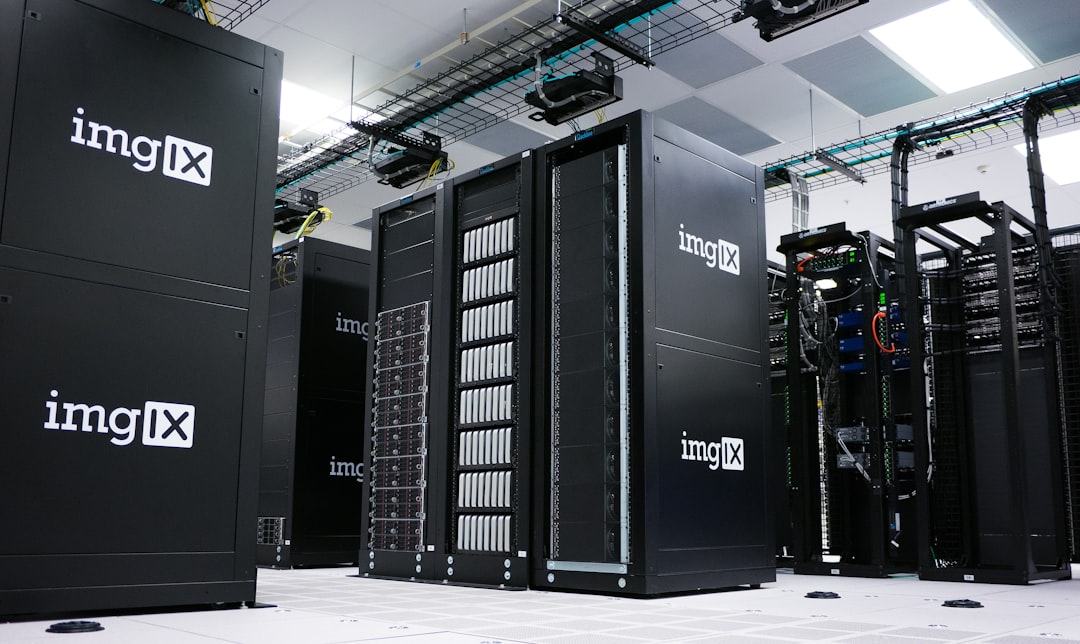
As businesses continue shifting toward cloud-first and performance-driven strategies, managed hosting has become a cornerstone of modern IT infrastructure. In 2026, organizations are demanding more than just server space—they expect scalability, proactive security, expert support, and built-in optimization. Managed hosting providers are answering this call with increasingly sophisticated, hands-free solutions designed for speed, resilience, and growth.
TLDR: Managed hosting solutions in 2026 offer more automation, stronger security, and better performance than ever before. From enterprise-grade cloud platforms to specialized WordPress hosting, providers are tailoring services to different business needs. The standout solutions combine reliability, scalability, and expert support. Choosing the right host depends on workload complexity, budget, and long-term growth plans.
Below are 11 standout managed hosting solutions for 2026 that are setting benchmarks in performance, reliability, and service excellence.
1. SiteGround Managed Cloud
SiteGround remains a top choice for businesses seeking a balance between affordability and performance. Its managed cloud hosting offers auto-scaling resources, daily backups, and proactive security patches.
- Best for: Growing businesses and agencies
- Highlights: Built-in CDN, AI anti-bot system, staging tools
- Support: 24/7 expert assistance
The platform’s intuitive dashboard allows teams to deploy applications quickly without heavy technical involvement.
2. WP Engine
As WordPress continues to dominate content management systems, WP Engine stands out with its premium managed WordPress hosting environment. It provides enterprise-grade performance tailored specifically for WordPress websites.
- Automated updates and security monitoring
- High-performance EverCache technology
- One-click staging environments
WP Engine remains especially popular among digital publishers and eCommerce brands.
3. Kinsta
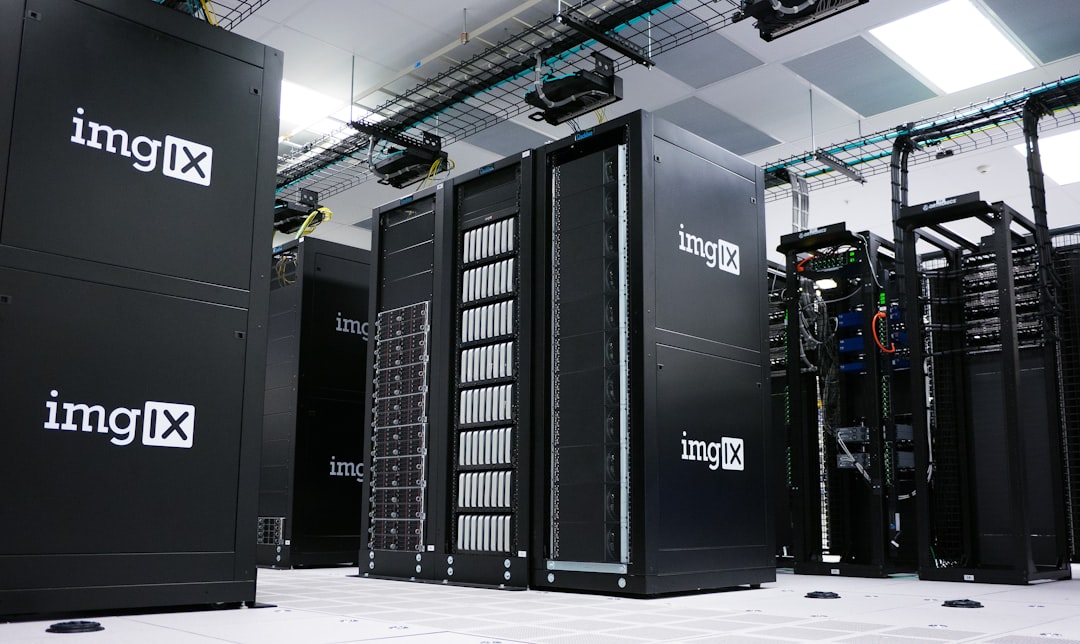
Kinsta leverages Google Cloud’s premium tier network to deliver exceptional speed and uptime. It is known for its developer-friendly tools and high-performance containerized infrastructure.
- Best for: High-traffic WordPress sites
- Standout feature: Isolated container technology
- Performance: Fast global data center network
Kinsta’s focus on speed optimization and security makes it a preferred choice for brands prioritizing user experience.
4. Liquid Web
Liquid Web has built a strong reputation in managed VPS, dedicated, and cloud hosting. It guarantees 100% network uptime and offers proactive monitoring.
- Fully managed infrastructure
- Advanced DDoS protection
- Customizable configurations
Its “Heroic Support” is particularly praised for responsiveness and technical expertise.
5. Cloudways
Cloudways offers a flexible managed hosting platform that sits atop major cloud providers such as AWS, Google Cloud, and DigitalOcean. It simplifies deployment while allowing users to choose their infrastructure provider.
- Pay-as-you-go pricing
- Free SSL certificates
- Advanced performance caching
This flexibility makes it an appealing solution for developers and startups.
6. Bluehost Managed Hosting
Bluehost continues to evolve its managed hosting services, particularly in the WordPress space. With built-in marketing tools and automation features, it caters to small-to-medium businesses.

- Automatic updates
- Malware detection
- Simplified admin interface
Its user-friendly environment is especially suitable for non-technical users.
7. A2 Hosting Managed VPS
A2 Hosting emphasizes high-speed performance through its Turbo Server technology. The managed VPS plans include server monitoring and automated backups.
- Speed-focused infrastructure
- Free site migrations
- Developer-friendly options
Businesses prioritizing loading times often gravitate toward this solution.
8. InMotion Hosting
InMotion Hosting delivers reliable managed VPS and dedicated hosting with a strong emphasis on business applications.
- Free data backups
- Launch Assist onboarding service
- NVMe storage technology
Its managed solutions strike a strong balance between technical power and customer support guidance.
9. DreamHost Managed Cloud
DreamHost’s managed cloud hosting emphasizes transparency and open-source compatibility. With scalable compute instances and automated resource allocation, it serves growing businesses effectively.
- Flexible billing
- Strong uptime commitment
- Secure shell access
Its support for developers and open-source projects keeps it competitive in 2026.
10. Hostinger Managed Cloud
Hostinger has expanded aggressively in recent years, offering powerful cloud hosting with simplified management features. It combines affordability with enterprise-inspired features.

- Dedicated IP
- Integrated CDN
- AI-powered monitoring tools
This makes Hostinger a compelling option for budget-conscious businesses seeking scalability.
11. Nexcess
Nexcess specializes in managed hosting for eCommerce platforms like Magento, WooCommerce, and Shopify integrations. Its platform is optimized for online retail performance and reliability.
- Auto-scaling technology
- PCI-compliant environment
- Performance monitoring tools
Retail brands benefit from its specialized infrastructure during high-traffic sales events.
Key Trends in Managed Hosting for 2026
The managed hosting landscape is evolving rapidly. Several trends define standout providers this year:
- AI-Driven Optimization: Automated performance tuning and anomaly detection are increasingly common.
- Edge Computing Integration: Faster content delivery through distributed edge networks.
- Green Hosting Initiatives: More companies commit to carbon-neutral data centers.
- Enhanced Cybersecurity: Built-in zero-trust architectures and advanced firewall systems.
Companies evaluating hosting providers should consider long-term scalability, compliance requirements, uptime guarantees, and support responsiveness.
How to Choose the Right Managed Hosting Provider
Selecting the best service depends on specific organizational needs. Key factors include:
- Performance Requirements: High-traffic sites need scalable cloud infrastructure.
- Budget: Managed services cost more but reduce in-house IT overhead.
- Technical Expertise: Some platforms offer more developer customization.
- Industry Focus: eCommerce and enterprise platforms may require specialized compliance features.
Testing trial environments and reviewing service-level agreements can help decision-makers make informed choices.
Frequently Asked Questions (FAQ)
1. What is managed hosting?
Managed hosting is a service where the hosting provider handles server management tasks such as maintenance, updates, security monitoring, and backups, allowing businesses to focus on operations rather than infrastructure.
2. Is managed hosting worth the cost in 2026?
For many businesses, yes. The added security, automation, and expert support typically reduce downtime and technical overhead, often outweighing the higher upfront costs.
3. How does managed hosting differ from shared hosting?
Shared hosting places multiple websites on the same server with limited resources, while managed hosting usually provides dedicated or cloud-based resources with proactive management and better performance guarantees.
4. Which managed hosting is best for WordPress?
Providers like WP Engine, Kinsta, and SiteGround are highly regarded for managed WordPress hosting due to specialized performance enhancements and security features.
5. Can managed hosting handle sudden traffic spikes?
Many modern managed cloud hosting providers offer auto-scaling capabilities that automatically allocate additional resources during high-traffic periods.
6. What security features should businesses look for?
Key features include daily backups, DDoS protection, firewalls, malware scanning, and SSL certificates as standard offerings.
7. Is managed hosting suitable for startups?
Yes, particularly cloud-based managed hosting with flexible, pay-as-you-go pricing models that allow startups to scale gradually.
In 2026, managed hosting is no longer just an IT convenience—it is a strategic asset. By carefully evaluating workload requirements, budget constraints, and growth projections, businesses can select a provider that not only supports today’s operations but also fuels tomorrow’s expansion.