
As data privacy regulations tighten and users become increasingly concerned about how their data is tracked online, nonprofits face unique challenges. These mission-driven organizations often lack the budget or infrastructure to implement extensive compliance workflows, especially when it comes to cookie consent management. Balancing the need to understand and optimize web traffic without compromising trust has led many nonprofits to seek out privacy-first analytics platforms.
TLDR: A Quick Summary
Nonprofits are turning to privacy-focused web analytics platforms that enable them to measure website performance without collecting personal data or requiring cookie consent banners. These tools prioritize transparency and user trust while still offering valuable insights. In this article, we explore the top 7 privacy-first analytics solutions nonprofits are adopting in 2024. All platforms listed support GDPR, CCPA, and resist fingerprinting by design.
Why Privacy-First Analytics Matter for Nonprofits
For nonprofits, trust is everything. Their supporters, donors, and stakeholders expect transparency and ethical behavior, including how website data is collected and analyzed. Traditional analytics platforms like Google Analytics have come under scrutiny for requiring intrusive tracking, including third-party cookies, which can turn away well-meaning visitors who care about data privacy.
Moreover, tightening regulations such as the General Data Protection Regulation (GDPR) and the California Consumer Privacy Act (CCPA) demand a new approach. Fortunately, a wave of privacy-first web analytics platforms has emerged to meet these needs without invasive data practices or the cookie consent banner clutter.
Top 7 Privacy-First Web Analytics Platforms Nonprofits Use
1. Plausible Analytics
Plausible is a lightweight, open-source web analytics solution designed with simplicity and privacy at its core. It doesn’t use cookies, doesn’t collect personal data, and is fully compliant with GDPR, CCPA, and other privacy laws.
- Key Features: No cookies or personal identifiers, instant setup, real-time dashboards
- Ideal For: Nonprofits that need clean, digestible data
Plausible also supports self-hosting, which can appeal to organizations that have higher privacy or compliance needs. Plus, nonprofits benefit from discounted pricing.

2. Matomo (Self-Hosted Mode)
Matomo (formerly Piwik) is a well-known open-source analytics platform that gives organizations full control over their web data. When used in self-hosted mode, Matomo can be configured to function without cookies, allowing nonprofits to bypass the cookie consent requirement.
- Key Features: Full data ownership, customizable dashboards, strong privacy settings
- Ideal For: Tech-savvy nonprofits wanting complete control
Matomo’s powerful suite rivals Google Analytics in depth, but it requires more setup and technical management. It’s best suited for nonprofits with internal development support or larger digital teams.
3. Fathom Analytics
Fathom is a modern, ethically built analytics tool that avoids personal data collection and doesn’t use cookies. It’s designed to be a drop-in replacement for Google Analytics but without the legal headaches.
- Key Features: Cookie-free, GDPR compliant, email reports
- Ideal For: Small to mid-sized nonprofits seeking worry-free compliance
Fathom stores data on servers hosted in jurisdictions that respect privacy rights and adheres strictly to EU laws, making it an attractive choice for international nonprofits.
4. Simple Analytics
Simple Analytics lives up to its name by offering straightforward, privacy-focused web analytics. It doesn’t track users with cookies or other identifiers, but still delivers valuable insights like page views, referrals, and top content.
- Key Features: Simplified, clean interface, no cookies, exportable reports
- Ideal For: Advocacy nonprofits and content publishers
The interface is intuitive, making it easy for communications teams or non-technical personnel to use. NGOs focused on awareness campaigns often choose Simple Analytics for its user-centric views.
5. Offen
Offen is an open-source project that pushes the boundaries of ethical analytics. It offers a unique twist—users have easy access to their own data through a ‘Fair Web Analytics’ UI, essentially showing them what you track.
- Key Features: User transparency, self-hostable, privacy by design
- Ideal For: Activist groups and social justice organizations
By allowing users full visibility, Offen goes a step beyond basic privacy requirements and invites trust. It’s more philosophical in its approach, which aligns well with values-driven nonprofits.
6. GoatCounter
GoatCounter is a privacy-friendly open-source analytics tool that can be used as a hosted service or deployed on your own infrastructure. It avoids cookies and fingerprinting altogether.
- Key Features: Lightweight, open source, CLI support, no user tracking
- Ideal For: Privacy-first nonprofits with developer resources
Its tiny footprint and ease-of-use make it attractive for nonprofits with very limited tech budgets. GoatCounter is under active development and receives community contributions regularly.
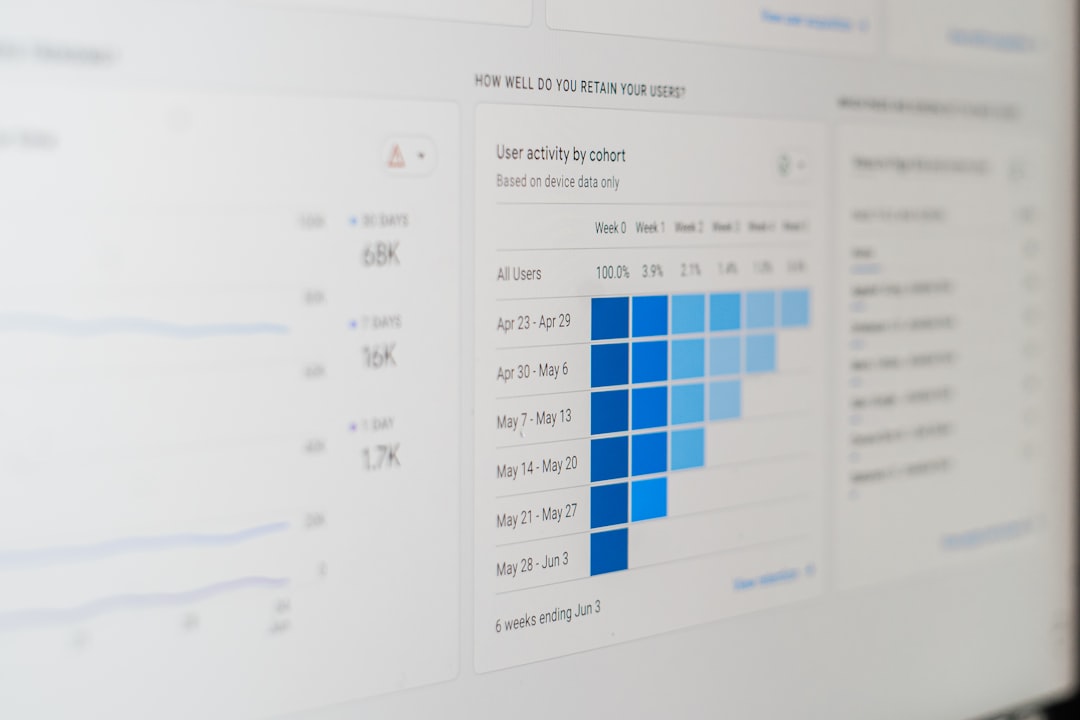
7. Umami
Umami is another open-source, cookie-less analytics platform that can be installed on your own server. It’s modern, sleek, and minimalistic while delivering comprehensive traffic data.
- Key Features: Self-hosting required, event tracking, mobile-friendly dashboard
- Ideal For: Nonprofits with internal IT capabilities
Umami is perfect for developer-savvy organizations that want to control their data stack. It doesn’t collect IP addresses or any user-specific data, which aligns with most privacy guidelines globally.
Key Benefits of Cookie-Free Analytics for Nonprofits
Switching to a privacy-first analytics platform allows nonprofits to:
- Build trust with donors and users by respecting their privacy
- Eliminate the need for distracting cookie banners
- Reduce legal risk associated with GDPR, CCPA, and other privacy regulations
- Simplify analytics deployment with lightweight scripts and intuitive dashboards
Above all, these platforms free nonprofits from complex surveillance tools while still helping them measure impact, optimize content, and grow effectively.
Choosing the Right Platform for Your Organization
Your choice will ultimately depend on your nonprofit’s size, technical resources, and privacy philosophy. Here’s a breakdown to help guide your decision:
| Platform | Self-Hosted? | Cookie-Free | Ideal For |
|---|---|---|---|
| Plausible | Optional | Yes | General-purpose nonprofits |
| Matomo | Recommended | Yes (with config) | Data-focused organizations |
| Fathom | No | Yes | Comms teams, small NGOs |
| Simple Analytics | No | Yes | Content-driven nonprofits |
| Offen | Yes | Yes | Transparency-focused groups |
| GoatCounter | Optional | Yes | Tech-lite organizations |
| Umami | Yes | Yes | Developer-enabled nonprofits |
Final Thoughts
In today’s data-sensitive world, being conscious and respectful of user privacy isn’t just a compliance checkbox—it’s an ethical decision. For nonprofits