Switching into second gear is one of the most pivotal moments in vehicle control. It marks the transition from initial motion to momentum, from raw power to controlled acceleration. Whether someone is learning to drive a manual transmission or refining high-performance racing techniques, mastering the art of switching to second gear requires a blend of timing, mechanical understanding, and situational awareness. It is not merely a mechanical act—it is a coordinated strategy that connects engine performance, road conditions, and driver intent.
TLDR: Switching into second gear is a foundational driving skill that balances timing, engine control, and road awareness. Done correctly, it creates smoother acceleration, protects the transmission, and improves overall vehicle performance. Mastery involves understanding engine revs, clutch control, and situational context. With practice and strategy, the transition into second gear becomes seamless and instinctive.
Understanding the Role of Second Gear
Second gear serves as the bridge between starting motion and sustained driving. First gear provides torque for initial movement, but it is limited in speed range. Once the vehicle gains momentum, switching to second enables smoother acceleration and reduces strain on the engine.
Several key purposes define second gear:
- Reducing engine strain after acceleration from a stop
- Allowing higher speed with controlled power delivery
- Improving fuel efficiency compared to remaining in first gear
- Enhancing stability in low-speed maneuvering situations
For performance drivers, second gear is also critical in corner exits, city driving transitions, and hill control.
The Mechanics Behind a Smooth Shift
Switching into second gear is a multi-step process that requires synchronization between engine speed and transmission speed. A smooth shift minimizes wear on components and enhances driving comfort.
The standard process includes:
- Accelerating in first gear to an appropriate RPM range
- Releasing the accelerator pedal
- Pressing the clutch fully
- Shifting the gear lever into second
- Gradually releasing the clutch while gently applying throttle
The challenge often lies in clutch release timing. Releasing too quickly can cause jerking. Releasing too slowly may wear the clutch prematurely. The driver must develop sensitivity to engine sound and vehicle feedback.
Recognizing the Right Moment to Shift
Timing is everything when switching to second gear. The correct shift point depends on several variables:
- Engine RPM – Most vehicles perform smoothly shifting between 2,000 and 3,000 RPM during normal driving.
- Vehicle Load – Heavier loads may require slightly higher RPM before shifting.
- Driving Conditions – Wet, icy, or uphill conditions alter timing and throttle application.
- Driving Intent – Aggressive acceleration requires higher RPM before engaging second.
An experienced driver does not rely solely on the tachometer. Instead, he or she listens to engine pitch, feels vibration changes, and senses the vehicle’s forward pull.
Common Mistakes When Switching to Second
Drivers frequently struggle with second gear during early learning stages. The most common errors include:
- Shifting too early, causing engine lugging
- Over-revving first gear unnecessarily
- Riding the clutch instead of engaging it cleanly
- Releasing the clutch abruptly, leading to jerks
A jerky shift often stems from mismatched engine and transmission speeds. Practicing gradual clutch release and consistent throttle modulation significantly reduces this issue.
Strategic Applications of Second Gear
Beyond everyday commuting, switching into second gear plays a strategic role in various driving scenarios.
City Driving
In urban traffic, frequent stops demand consistent first-to-second transitions. Efficient shifting improves fuel economy and ensures smoother traffic flow.
Cornering and Performance Driving
On winding roads or racetracks, second gear often provides the ideal balance between torque and traction when exiting corners.
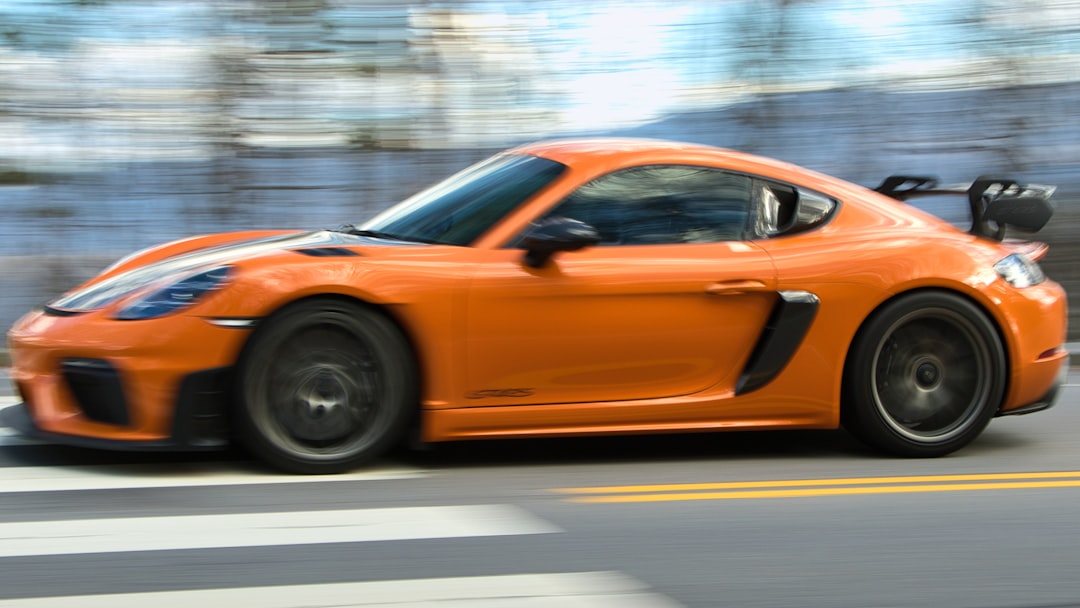
Here, drivers may use rev-matching techniques to ensure seamless downshift-to-second transitions, maintaining stability and control.
Hill Starts and Inclines
When approaching an incline after initial movement, engaging second at the correct RPM prevents engine strain and preserves momentum.
Slippery Conditions
Interestingly, some drivers in snowy conditions may start directly in second gear to reduce wheel spin. This requires delicate clutch control and minimal throttle input.
Advanced Techniques for Mastery
Once basic skills are secured, drivers can refine advanced strategies.
Rev Matching
This technique involves adjusting engine RPM to align with wheel speed before clutch engagement. It creates smoother transitions and reduces drivetrain wear.
Progressive Throttle Application
Rather than abruptly pressing the accelerator, experienced drivers apply throttle gradually during clutch release.
Clutch Bite Point Familiarity
Understanding the precise moment the clutch begins engaging—known as the bite point—dramatically enhances shift quality. Practicing controlled starts in empty parking lots builds this familiarity.
Mechanical Sympathy and Longevity
Switching to second gear correctly is not only about comfort—it is about preserving vehicle longevity. Poor shifting habits can lead to:
- Premature clutch wear
- Synchro damage in the transmission
- Increased fuel consumption
- Engine stress
Mechanical sympathy means understanding that every shift affects interconnected components. A driver who cultivates smooth transitions contributes to longer transmission life and reduced maintenance costs.
Building Confidence Through Practice
Confidence in switching to second gear develops gradually. A structured practice approach accelerates progress:
- Practice in empty parking lots
- Focus solely on clutch smoothness before adding speed
- Listen to engine feedback instead of staring at gauges
- Introduce hills and traffic only after comfort improves
Consistency is more important than speed of learning. Smooth repetition builds muscle memory, transforming a conscious process into instinct.
The Psychological Dimension
An often-overlooked element of shifting is mental composure. Tension leads to abrupt pedal movements and rushed gear engagement. Staying relaxed allows for subtle coordination between hands and feet.
Drivers who anticipate the shift rather than react suddenly achieve better results. Anticipation ensures adequate RPM build-up and smoother execution.
Manual vs. Automated Systems
In modern vehicles with automated manual or dual-clutch transmissions, switching to second happens electronically. However, understanding the process remains valuable.
Even in automatic systems:
- Gear changes affect traction and acceleration
- Manual override modes require timing awareness
- Performance driving still benefits from gear knowledge
Knowledge empowers drivers to interpret vehicle behavior and adapt accordingly.
Conclusion
Switching into second gear may appear simple, yet it represents a crucial intersection of technique, timing, and strategic awareness. From beginner learners mastering clutch coordination to advanced drivers refining rev-matching skills, the second gear transition shapes overall driving quality. With patience, mechanical understanding, and thoughtful practice, this essential skill evolves from a challenge into an effortless rhythm. Ultimately, mastery of second gear strengthens not only vehicle control but also driver confidence and mechanical longevity.
Frequently Asked Questions (FAQ)
1. At what speed should a driver shift into second gear?
It depends on the vehicle, but most cars smoothly transition between 10–20 mph (15–30 km/h) during normal driving. Engine RPM is a more reliable indicator than speed alone.
2. Why does the car jerk when shifting into second?
Jerking usually results from releasing the clutch too quickly or insufficient throttle during engagement. Practicing gradual clutch release resolves this issue.
3. Is second gear important in automatic vehicles?
Yes. While the vehicle shifts automatically, understanding gear behavior improves manual mode usage and overall driving awareness.
4. Can starting in second gear damage the car?
Occasionally starting in second—such as in snowy conditions—is generally safe if done gently. However, frequent use increases clutch wear.
5. How can someone practice smooth second-gear shifting safely?
Using an empty parking lot, focusing on clutch control, and listening to engine feedback are effective and low-risk ways to practice.
6. Does shifting at high RPM into second improve performance?
In performance contexts, higher RPM shifts can maximize acceleration. However, excessively high RPM increases engine wear and should be used strategically.
Mastery of switching into second is less about force and more about finesse—an art shaped by knowledge, repetition, and awareness.